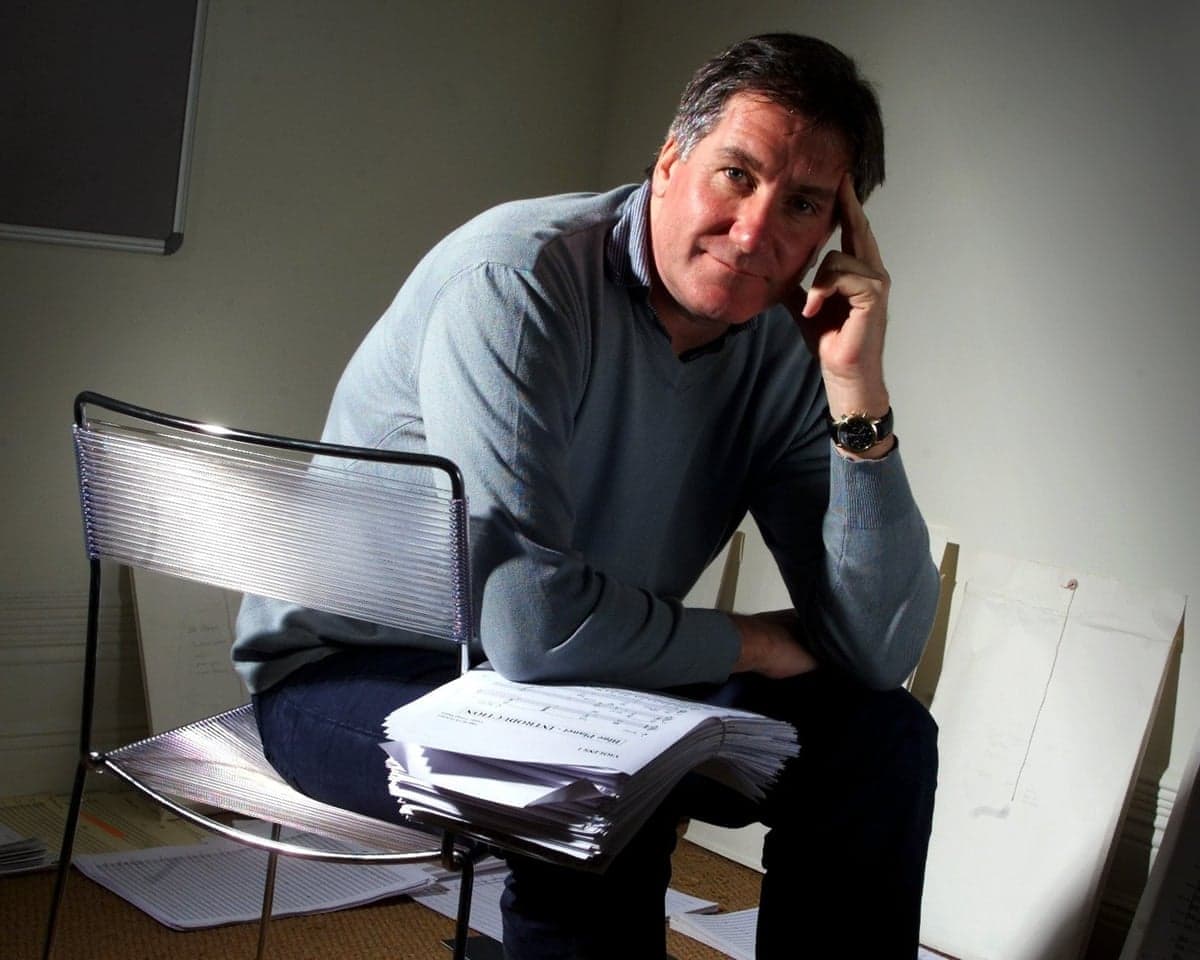
George Fenton, a British composer whose five Academy Award nominations spanned from intimate dramas to sweeping epics, has died aged 76. According to his management company, Fenton died in London on Monday. His family released a statement confirming the death was "unexpected" but provided no further details about the cause. He is survived by his wife Amanda, his ex-wife Jane, three children and six grandchildren.
Over a career spanning more than 100 feature films, Fenton became one of cinema's most prolific and versatile composers, working repeatedly with celebrated directors including Richard Attenborough, Stephen Frears, Ken Loach, Nora Ephron, Nicholas Hytner and Neil Jordan. His influence extended far beyond the cinema into British homes through television, where he composed theme music for major news programmes including the flagship broadcasts of a national broadcaster, Newsnight and Radio 4's PM.
Born George Howe in Bromley, Kent, in 1949, Fenton's early ambitions were theatrical rather than purely musical. He taught himself guitar as a child and later studied organ, but his initial career path led him toward performance. He recorded a cover of Maxwell's Silver Hammer that became a Top 10 hit in Sweden, and in 1968 adopted the stage name George Fenton when he appeared in Alan Bennett's first West End production, Forty Years On. During the mid-1970s, he maintained a recurring television role on the soap opera Emmerdale Farm.
His transition into composition began through theatre work. In 1974, while employed as an arranger and musical director, he received a commission to write music for a Royal Shakespeare Company production of Twelfth Night, initiating a series of RSC collaborations. By 1976, he had expanded into television composition, scoring Stephen Poliakoff's Hitting Town. His partnership with director Stephen Frears commenced in 1978 with the television film Me! I'm Afraid of Virginia Woolf, eventually encompassing 11 productions together, including four feature films: Dangerous Liaisons (which earned an Oscar nomination), Hero, Mary Reilly and Mrs Henderson Presents.
How did Fenton establish himself in cinema?
His breakthrough in feature filmmaking came through his collaboration with director Richard Attenborough. In 1982, Fenton composed the score for Gandhi, earning his first Academy Award nomination, which he shared with Ravi Shankar. His subsequent work with Attenborough on Cry Freedom generated two further nominations: one for best original score and another for best original song for the title track, which Fenton shared with Jonas Gwangwa. Fenton performed the song at the Academy Awards ceremony, an experience he later described with candour.
It was like some bad waking dream. I was virtually rigid with fear trying to remember and not mispronounce the lyrics, which included the names of ANC leaders and important events in the struggle against apartheid, while singing live to an audience of over a billion people, without even a piano to hide behind. It was infinitely more stressful than working on the film itself.
Fenton continued his work with Attenborough on Shadowlands, In Love and War and Grey Owl. His fifth Oscar nomination came for The Fisher King, directed by Terry Gilliam, alongside another Gilliam collaboration on The Zero Theorem. Beyond these partnerships, Fenton's compositions enhanced numerous commercially successful films including Groundhog Day, Stage Beauty, Clockwise and Memphis Belle.
His sustained partnership with Ken Loach proved particularly prolific. Fenton scored numerous films by the British director, including the Palme d'Or-winning The Wind That Shakes the Barley, the Eric Cantona drama Looking for Eric, and 16 additional works. With Nicholas Hytner, he composed scores for all six of the director's feature films: The Madness of King George, The Crucible, The Object of My Affection, Center Stage, The History Boys and The Lady in the Van. His collaborations with Neil Jordan encompassed The Company of Wolves, High Spirits and We're No Angels, while his work with Nora Ephron included Mixed Nuts, You've Got Mail, Lucky Numbers and Bewitched. American director Andy Tennant engaged Fenton for crowd-pleasing Hollywood productions such as Hitch, The Bounty Hunter, Sweet Home Alabama and Fool's Gold.
What was Fenton's contribution to natural history television?
Fenton's scoring of natural history documentaries became integral to millions of viewers' understanding of the natural world. His work with naturalist and broadcaster David Attenborough began with The Trials of Life in 1990, followed by Life in the Freezer. According to his management, his composition for The Blue Planet initiated a decade-long engagement with natural history television, encompassing Planet Earth, Frozen Planet and Life. Fenton later developed live concert formats for both Planet Earth and Frozen Planet, extending his musical vision beyond the screen. His earlier work on this genre included Wildlife on One, Natural World and additional series that shaped how audiences experienced the animal kingdom and environmental storytelling.
What recognition did Fenton receive for his work?
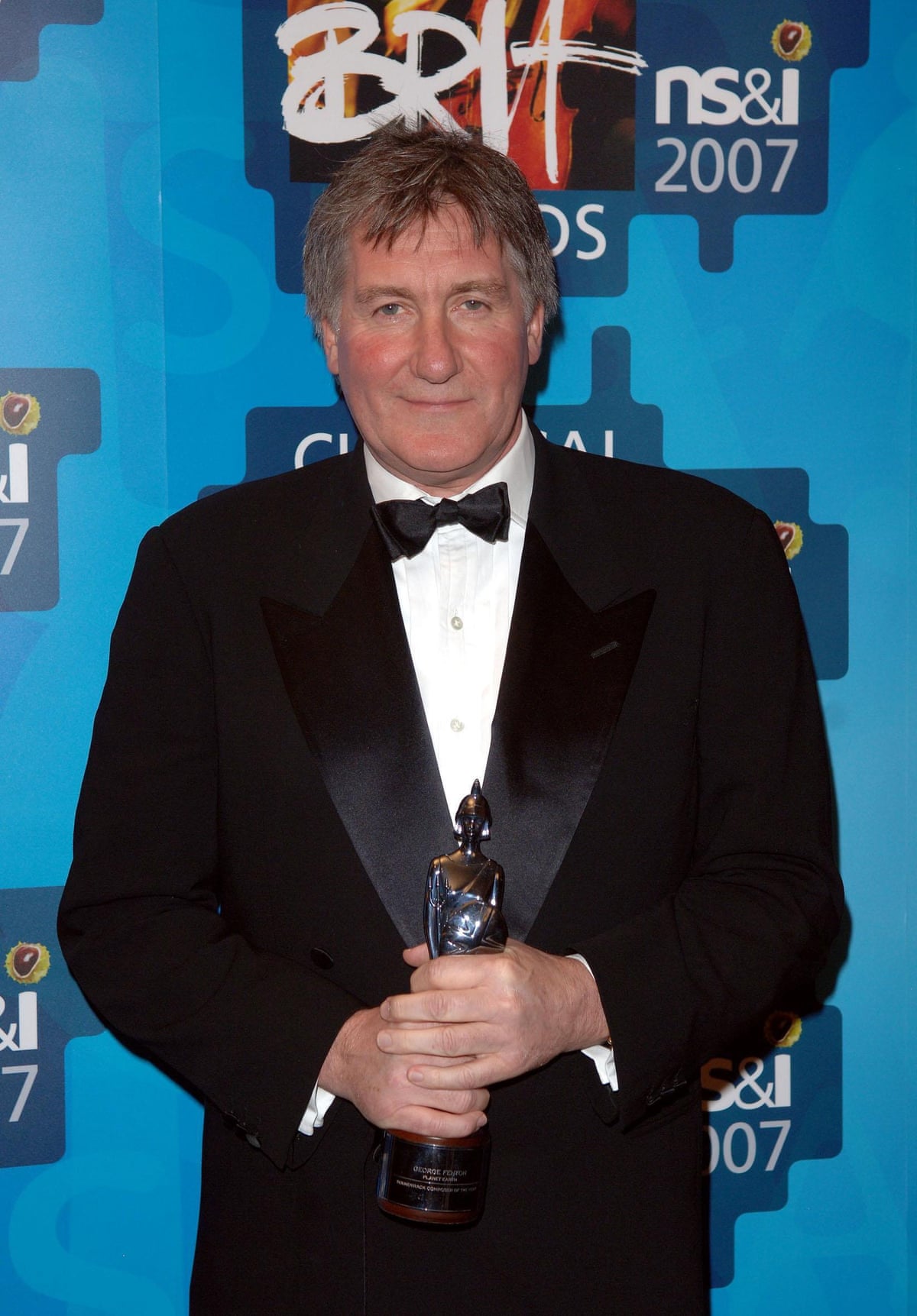
Throughout his career, Fenton accumulated substantial recognition for his compositional achievements. According to his official biography, he won 28 composition awards and received a further 49 nominations across his body of work. In 2023, he was appointed a CBE (Commander of the Order of the British Empire) for services to music, acknowledging his profound influence on British cultural life across cinema, television and theatre.
His theatrical contributions extended beyond initial RSC work, with Mrs Henderson Presents being developed into a stage musical featuring Fenton's compositions. This demonstrated his ability to move fluidly between different artistic mediums, adapting his compositional voice to serve the demands of film, television, theatre and concert performance.
Key Facts
- Fenton received five Academy Award nominations across his film scoring career, with his first coming in 1983 for Gandhi alongside Ravi Shankar
- He scored more than 100 feature films in addition to extensive work in television, theatre and documentary production
- His natural history television work with David Attenborough spanned from 1990 through the 2000s, encompassing landmark series including The Blue Planet, Planet Earth and Frozen Planet
- He composed theme music for major British news programmes, making his work part of the daily experience of millions of viewers
- He was appointed CBE in 2023 in recognition of his contributions to music across multiple artistic disciplines