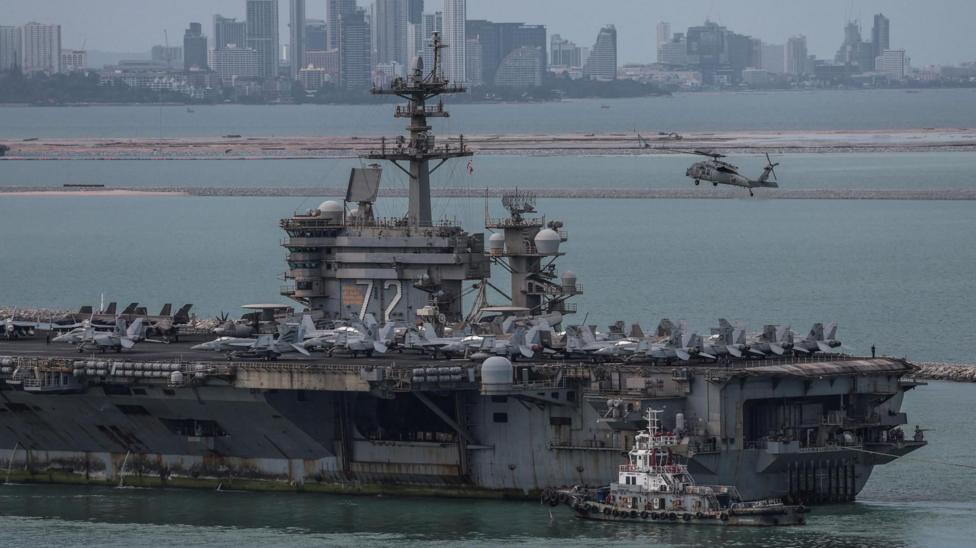
Almost 5,000 sailors and Marines from the USS Abraham Lincoln arrived in Thailand's Pattaya resort city on September 2-3, 2026, marking their first port call following a record-breaking 286 days at sea. The carrier strike group, which includes the USS Frank E. Petersen Jr. and accompanying naval vessels, docked at Laem Chabang port with shore leave scheduled through September 6 before the group's planned Sunday departure.
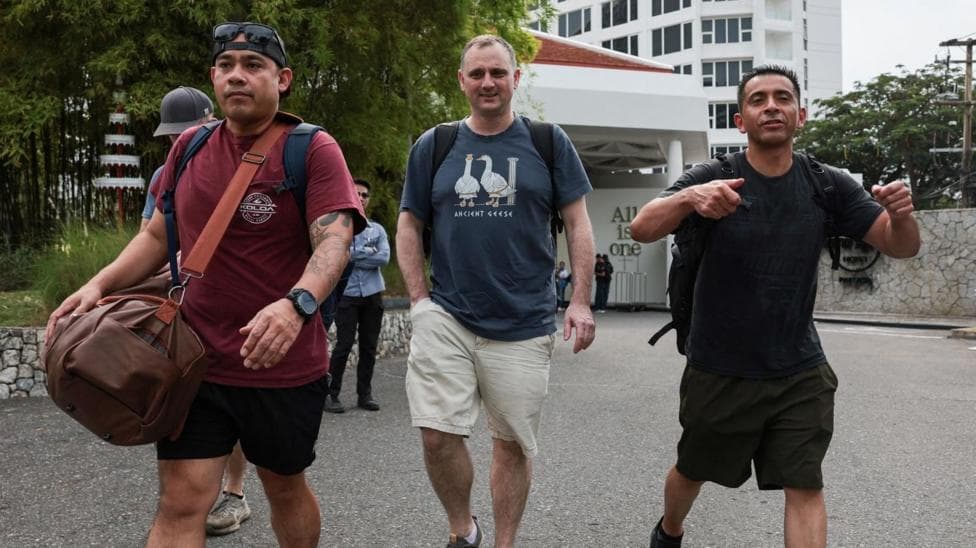
During their initial hours ashore, the vast majority of personnel appeared focused on shopping rather than immediately heading to the city's famous nightlife venues. At the Hard Rock Hotel and a second beachside establishment where they were permitted to stay off the ship, sailors clutched shopping bags and browsed purchases. After spending nine months confined within the grey steel hull of a nuclear-powered carrier, the ordinary experience of visiting a shopping mall appeared to offer the respite many needed.
The crew's distinctive appearance—military haircuts, moustaches and navy t-shirts—contrasted sharply with the typical Pattaya crowd in flip-flops and beachwear. According to reporting from the region, the visit involves approximately 5,000 sailors and Marines across multiple Navy vessels, not solely the carrier itself.
The deployment had been marked by significant challenges. A US senator demanded answers after reports of food shortages, plumbing failures and suicide attempts aboard the USS Abraham Lincoln, while the ship's commander subsequently called mental health a leadership priority following crew concerns about conditions during the extended mission in the Middle East.
What drew sailors to Pattaya's nightlife?
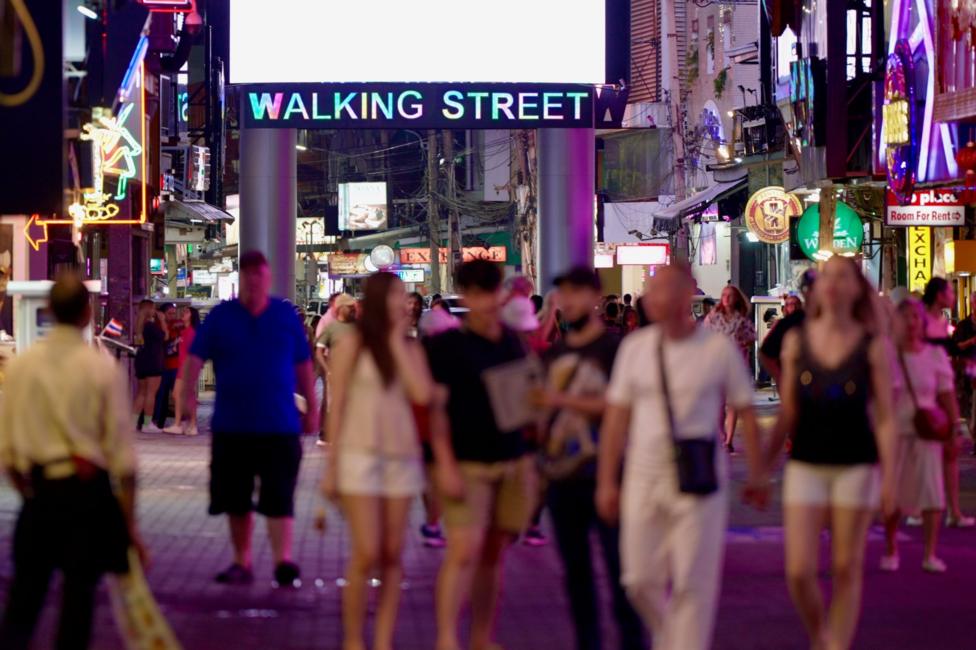
As darkness fell, Pattaya's character transformed into a spectacle of neon, noise and entertainment venues. The city's most famous promenade, Walking Street, displayed a large illuminated sign welcoming the carrier crew on Wednesday night. Many sailors ventured into the red-lit establishments featuring gyrating and barely-clothed pole dancers, though conversation proved difficult over the pounding music.

One older crew member described the psychological toll of the extended deployment.
The news says we've been at sea for nine months. To be honest I've lost track of time. It got boring. It's never big enough on board. It's big but it still feels like a boat, especially when you're sharing it with thousands of people.When asked how long until returning to California, he replied:
Too long.
Shakeira Fairfax, mother of 25-year-old sailor Jada Fairfax, told international media that morale had been severely tested. She described the period after hostilities erupted in the Middle East as an
uncertainand
scary time.She added:
I just can't wait to see her smile. I can't wait to hear 'mum', I know that's the first thing she's gonna say.
By midnight, some younger sailors had consumed enough alcohol that they required assistance from shipmates to remain upright. The city's establishments had been hoping for exactly this scenario—American personnel arriving with nine months of unspent salary accumulated during their time at sea.
How has Pattaya's economy been affected?
The visit provided a significant boost to a tourism sector that had suffered considerably. Pattaya's tourism industry had been hit by the Middle East conflict, where the USS Abraham Lincoln had been operating, with many international tourists choosing to remain at home. Local business owners expressed relief at the arrival of personnel with substantial spending power.
Restaurant owner Kosol Homkhunthod said the American sailors had
created a buzzin town and among his staff, noting that business had been
really slowlately. A passing tourist observed
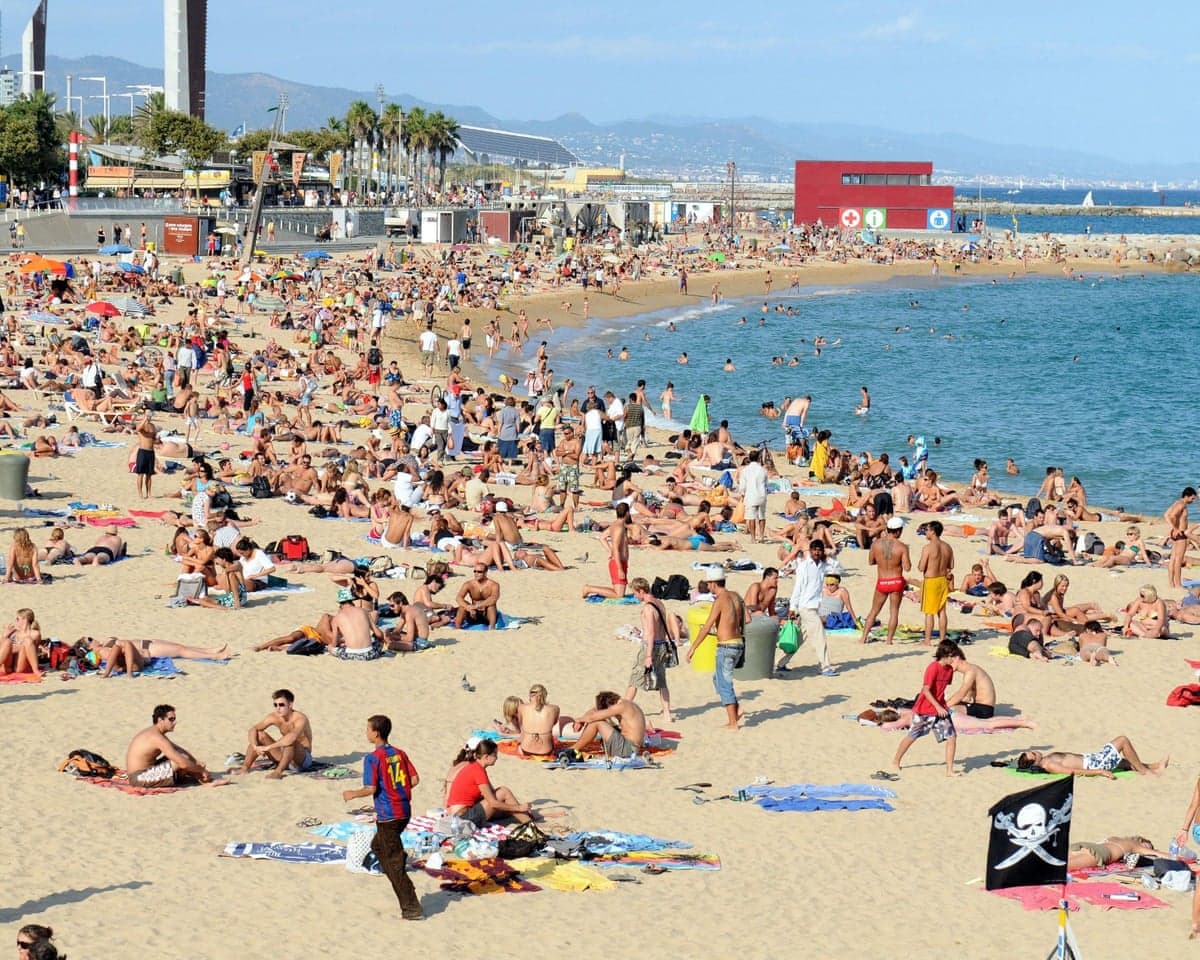
tonnes of people sitting on the beachwith soldiers in good spirits, adding that
it's not like that every day.
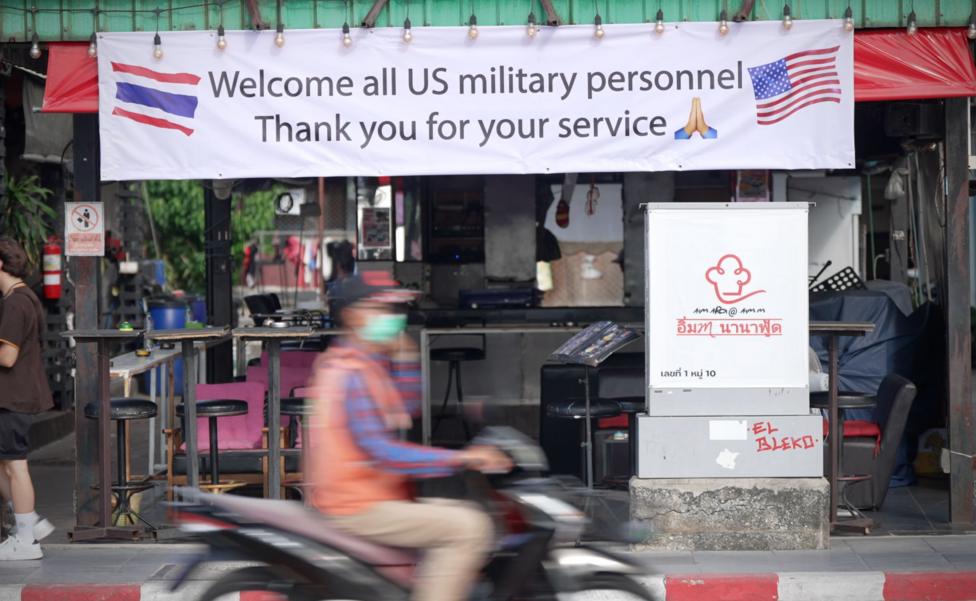
However, not all business owners reported strong results. Bar owner Kanta Saenkla complained that many sailors appeared to be simply walking around rather than patronizing establishments.
They haven't really come in for drinks or anything,she said.
Mostly they just walk around. They're not spending money like they did in previous years.
What restrictions have been placed on sailors?
Military leadership has reminded personnel that Thailand's sex industry remains off-limits, as prostitution is technically illegal in the country. Visible throughout Pattaya were personnel wearing t-shirts marked with the letters SLG, representing the Shore Liaison Group. Their responsibility involves maintaining discipline on land, monitoring crew members—some of whom are very young and inexperienced—and coordinating with local authorities during port calls.
US Naval Attache Kristopher Robinson declined to answer questions about activities that personnel were prohibited from undertaking while in Pattaya, stating instead that
we're trying to give the sailors as much opportunity for rest as they can.He emphasized that
US personnel will conduct themselves in accordance with US law, US naval regulations, and the laws of Thailand.
The crew had been well-drilled not to discuss conditions aboard the USS Abraham Lincoln during its extended combat deployment in operations related to Iran, a topic that had attracted criticism within the United States. Some sailors declined to engage with journalists entirely, while others directed media inquiries to their official media teams.
Why did the carrier stop in Thailand?
The decision to dock in Pattaya aligned with established naval practice. Port calls by the US Navy in Thailand, a long-standing treaty ally, follow routine protocols with well-established procedures. The location also positioned the ship on its direct route from the Gulf to California, providing the crew an opportunity to decompress and recover from the demands of extended warship operations.
According to reporting on the visit, Thai officials characterized the stop as a routine port visit for rest and recuperation after more than 200 days at sea, with the visit involving rest, recuperation and logistical support rather than joint military exercises with the Royal Thai Navy.
What happens next?
The carrier strike group is scheduled to remain in Thailand through September 6, 2026, before departing on Sunday to continue its journey toward California. If the Thailand port call successfully addresses crew morale and fatigue, any frustration personnel may harbor regarding their unexpectedly extended and demanding mission may have substantially diminished by the time they reach their home port.