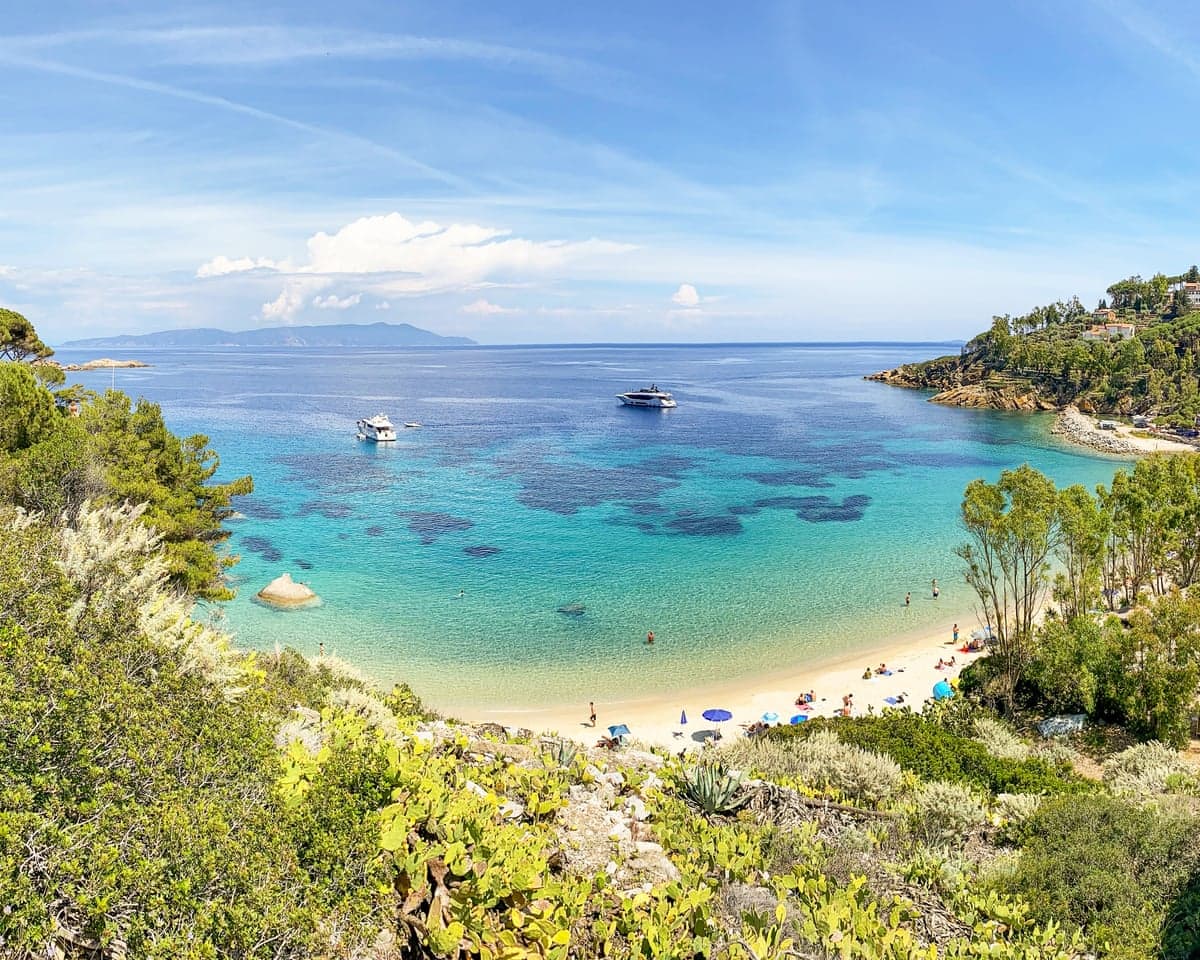
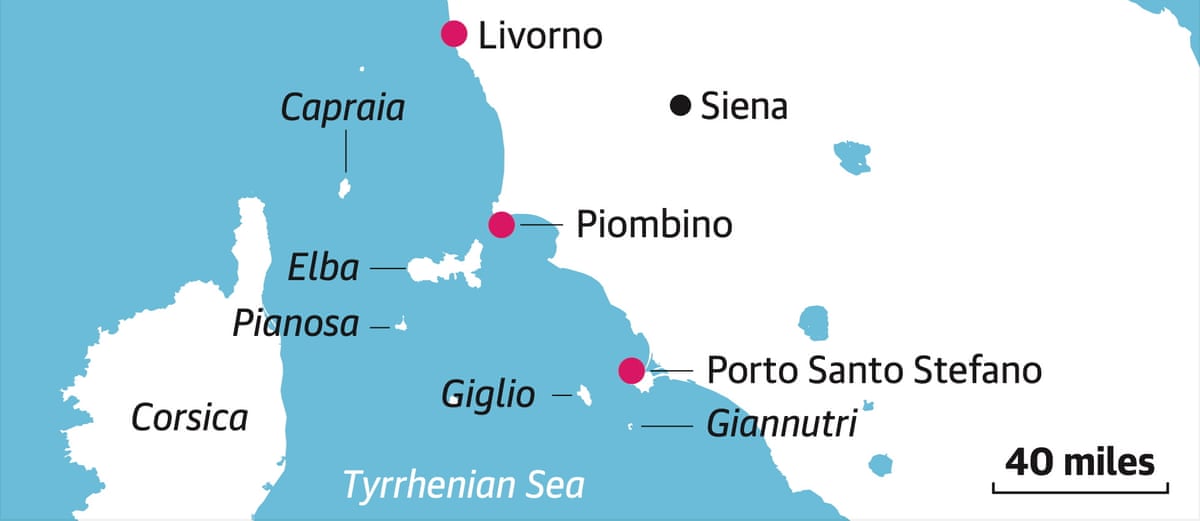
Seeking respite from the throngs in Florence and Siena? The Tuscan archipelago offers a compelling alternative, with seven islands scattered between the mainland coast and Corsica, each presenting distinct character and appeal. All lie within a protected national park, though access varies considerably. Montecristo and Gorgona remain strictly controlled, accessible only through authorised guided excursions, but the remaining five islands provide diverse experiences for different travellers.
What makes these islands different from mainland Tuscany?
The seven islands of the Tuscan archipelago present a striking contrast to the crowded hill towns and rolling vineyards of the mainland. While Florence and Siena draw millions annually, these islands remain far quieter, with protected status preserving their natural and cultural heritage. The Tuscan Archipelago National Park manages the islands' conservation, though the park's leadership is undergoing transition, with the director's mandate ending on 3 August 2026. Despite this administrative change, the park continues to offer extensive visitor programming: the 2026 "Vivere il Parco" programme includes more than 800 activities across all seven islands, with over 200 specifically designed for children, running through 30 November 2026.
Elba: the all-year-rounder
As Italy's third-largest island and home to a permanent community, Elba functions as the archipelago's primary tourism hub. It merges Napoleonic heritage with dramatic terrain, bustling waterfront settlements and excellent beaches. The island's most famous historical association stems from Napoleon's 1814 confinement there, yet its past extends far deeper. Sixteenth-century fortifications built by the Medici family ring the coast, constructed to repel pirate incursions, while inland medieval settlements occupy locations continuously inhabited since Roman antiquity.
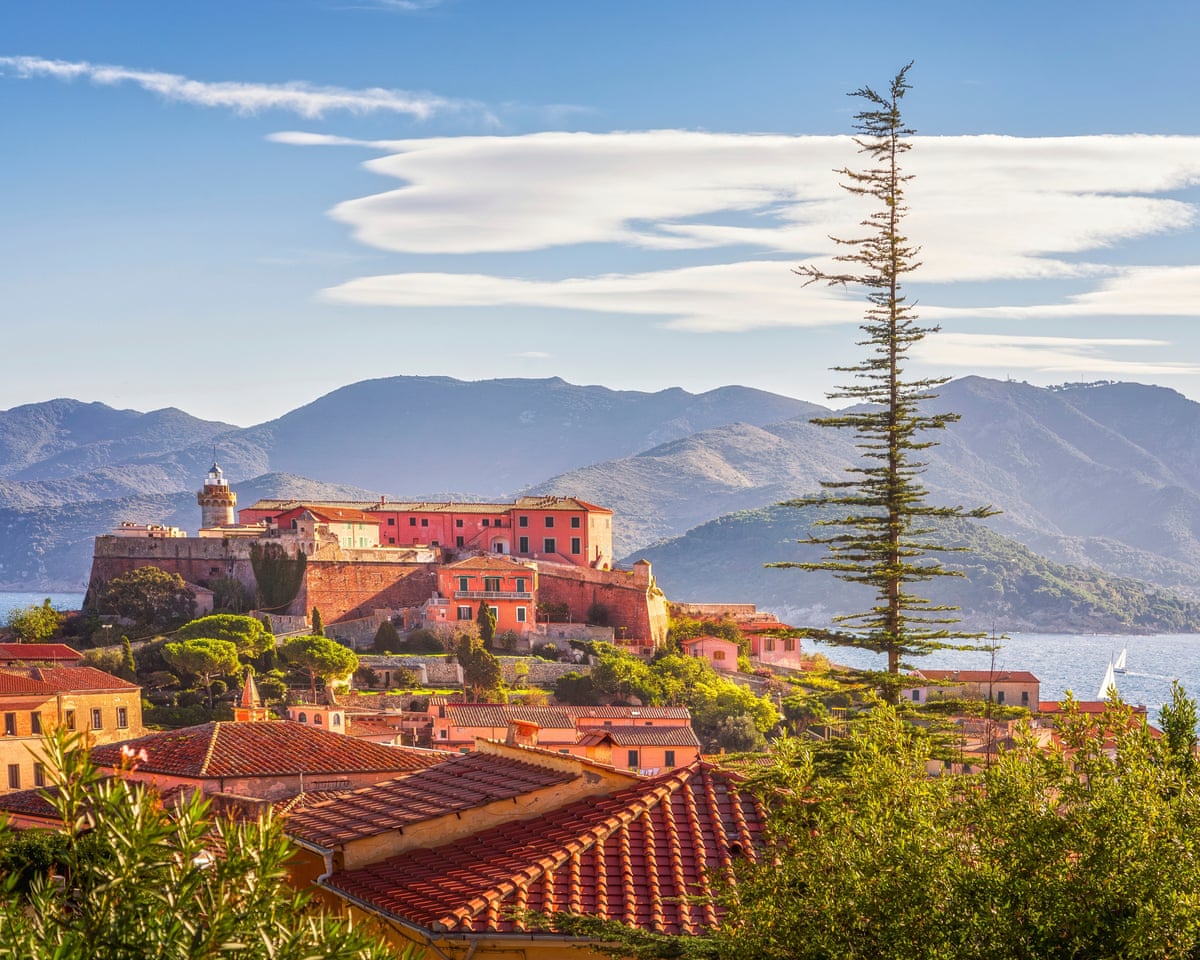
Beach enthusiasts typically choose between two distinct zones. The white-pebble beaches of Sansone and Capo Bianco lie near Portoferraio, the island's largest town in the north, while the golden-sand stretches of Fetovaia and Cavoli occupy the south-western slopes beneath Monte Capanne. Marina di Campo on the southern shore attracts water-sports enthusiasts, with windsurfing and sailing instruction available at numerous resorts ranging from Procchio in the north to Lacona in the south.
Walkers can traverse the 36-mile (58-kilometre) trail crossing the island from Cavo in the north-east to Pomonte or Patresi on the western coast, following mountain ridges and passing through traditional villages. The journey typically requires three to four days and suits spring or autumn conditions best.
Recent underwater archaeology has enriched understanding of Elba's submerged heritage. In 2026, heritage monitoring uncovered a Roman dolium and a possible late antique shipwreck on the seabed, with the underwater survey continuing across the wider archipelago. Additionally, the gardens of Elba's Napoleonic residences reopened in June 2026 following restoration work funded by Italy's national recovery plan, with the project costing nearly two million euros.
Where to eat: In Portoferraio, a favourite serves handmade pasta, seafood and traditional cuisine, with orecchiette with prawns and courgettes as the house speciality. In Marina di Campo, a seafood-focused establishment operates directly on the beach.
Where to stay: Near Fetovaia, an eco-conscious property among olive groves offers doubles from about £88 bed and breakfast. In Marina di Campo, a charming family-run hotel near the beach provides doubles from about £90 bed and breakfast. On the west coast, a family-run establishment overlooking Capo Sant'Andrea Bay offers doubles from £79. In an 18th-century building in Portoferraio's historic centre, a bed and breakfast property sits 10 minutes' walk from several beaches, with doubles from £86.
Getting there: Ferries from Piombino to Portoferraio take approximately one hour. Cruise traffic at Portoferraio was projected to reach 110 calls in 2026, reflecting the port's growing activity and Elba's expanding accessibility.
Giglio: the charming isle
Measuring just 21 square kilometres, Giglio punches above its size with three villages, secluded coves, an extensive shoreline and a landscape of historic terraced vineyards. Vehicle access for private cars faces heavy restrictions during August, with exceptions granted for longer stays, a policy that preserves the island's tranquil character. Buses and taxis connect the harbour, villages and beaches, making a car-free holiday entirely feasible.
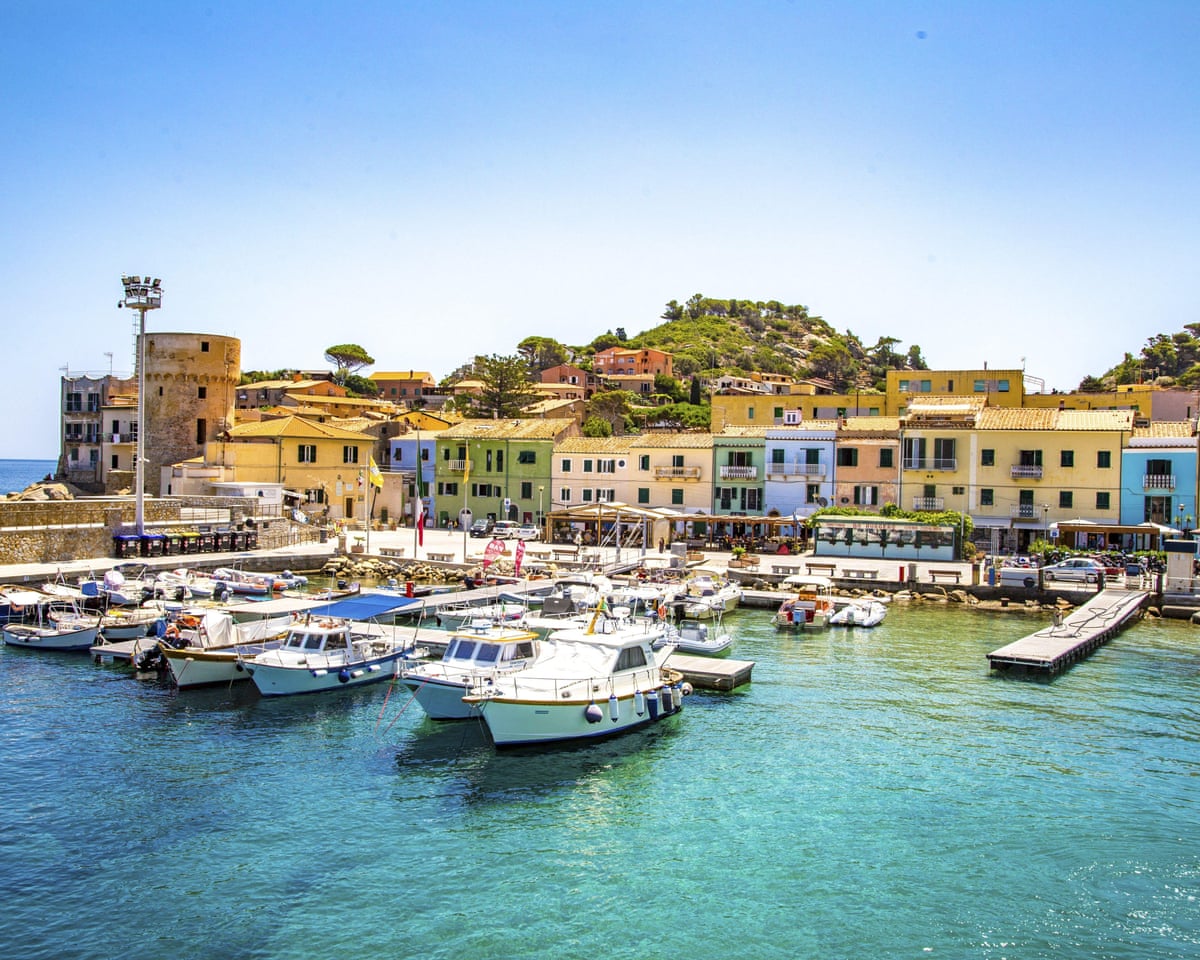
From Giglio Porto, walking trails lead to hidden coves and hilltop viewpoints. The medieval lanes of the fortified 12th-century hilltop village provide ideal settings for an aperitivo and evening stroll.
The beaches each possess distinct qualities. Campese, on the north-west coast, ranks as the largest, featuring reddish-gold sand and views of the 16th-century Torre del Campese. Cannelle, positioned to the east, offers pale sand and crystalline water, while Arenella farther north combines golden sand, granite boulders and transparent water ideal for snorkelling.
Where to eat: In Giglio Porto, a seafood favourite with a sea-view terrace specialises in spaghetti alla chitarra with sea urchin and toasted breadcrumbs. In Campese, an establishment serves cucina povera (peasant cooking) including pancotti di mare and spaghetti alle vongole e alla bottarga (with clams and cured mullet roe).
Where to stay: On a hillside overlooking Giglio Porto, a small guesthouse with maritime-themed interiors offers doubles from £87 bed and breakfast. On a headland above Campese Bay, a family-run bed and breakfast with sweeping sea views provides doubles from £100.
Getting there: Ferries from Porto Santo Stefano to Giglio Porto take approximately one hour.
Capraia: a wild hikers' paradise
Positioned just over 20 miles (33 kilometres) north-west of Elba, Capraia ranks among the archipelago's most remote islands. Largely car-free with minimal road infrastructure, it rewards exploration on foot along mule tracks winding between sea cliffs, hidden coves and 16th-century Genoese fortifications, though taxi boats and a bus offer limited transport alternatives.
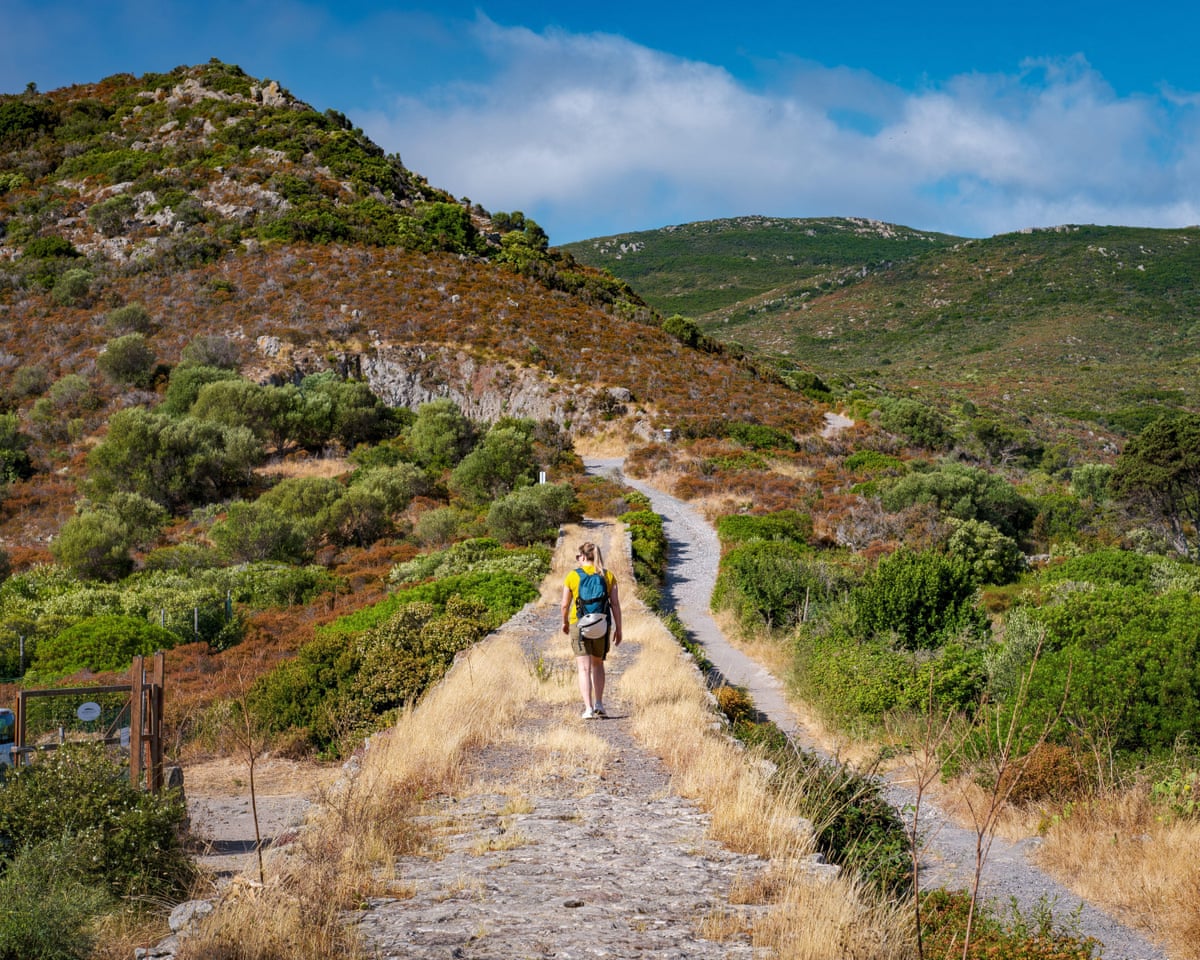
Notable features include distinctive red rock formations, historic fortifications and 16th-century defensive structures. Beaches remain scarce, but swimmers can refresh at Cala San Francesco, hike to Cala del Ceppo and Cala dello Zurletto, or take a taxi boat to Spiaggia della Mortola, one of the few sandy stretches.
Where to eat: In the main village, one establishment offers a fixed menu that changes according to the daily catch brought ashore by local fishers, while another takes a contemporary approach, reworking island flavours in dishes such as squid parmigiana and cod croquette.
Where to stay: Accommodation options are limited, but a property near the port provides doubles from £70 room-only and serves as a restorative basecamp for walkers, beachgoers and divers, with a sheltered saltwater pool. In Capraia village, a small, characterful retreat with sea views offers doubles from £130 bed and breakfast.
Getting there: The ferry from Livorno takes 1 hour 45 minutes.
Pianosa: the protected isle
Daily visitor numbers to Pianosa face strict limitations, a policy designed to preserve the island's fragile ecosystem and maintain its tranquil atmosphere. Visitors may either purchase tickets on the limited ferry service or participate in an authorised guided excursion.
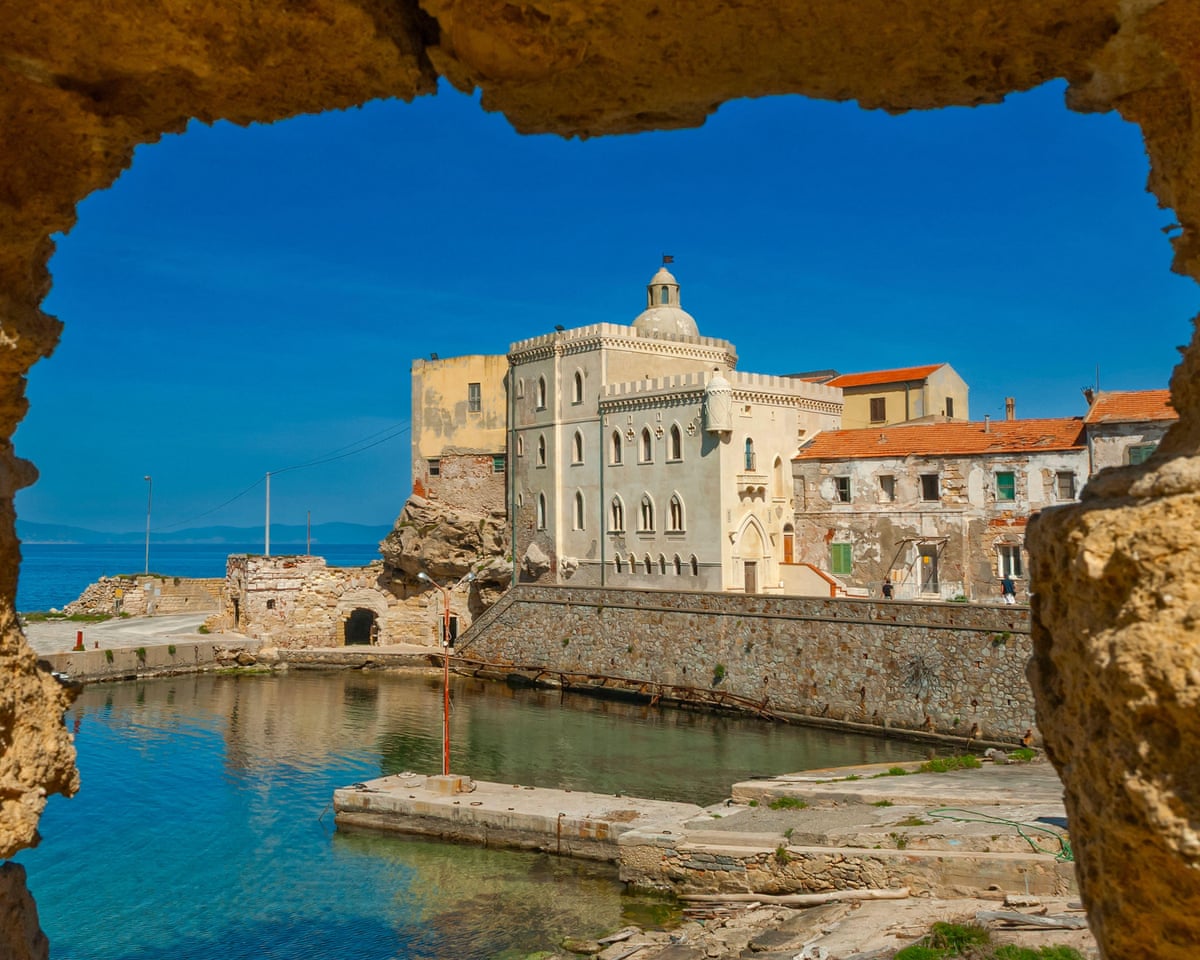
Roman remains, including early Christian catacombs, and abandoned prison structures from the island's period as a penal colony offer historical insights. Restored facilities explore its agricultural, geological and archaeological heritage.
Hiking, cycling and kayak excursions rank among the most effective ways to experience the island. Swimming remains restricted to Cala Giovanna, an easy walk from the small port and historic village, a measure implemented to safeguard the marine ecosystem.
Where to eat: The island's sole cafe and restaurant, located in the small harbour village, emphasises fresh fish and vegetables cultivated on Pianosa.
Where to stay: Close to the cafe and operated by the same management, the island's only accommodation offers simple rooms in a historic building, with doubles from £95 half-board.
Getting there: Authorised excursions depart from Elba with a journey time of 45 minutes, while limited ferry services run from Piombino to Pianosa, taking approximately three hours.
Giannutri: the roadless retreat
While Elba bustles with holidaymakers and motor scooters, this diminutive, car-free limestone crescent, where fragrant macchia vegetation slopes into deep-blue waters, provides a radical escape from contemporary life. With only one restaurant-cafe that also functions as a small grocery shop, day visitors should bring their own water and lunch provisions. Most swimmers favour Cala Spalmatoio and Cala Maestra, while much of the coastline comprises part of a protected marine reserve celebrated for diving and snorkelling. A guided tour of a Roman villa linked to the Domitii Ahenobarbi family constitutes a must-see attraction.
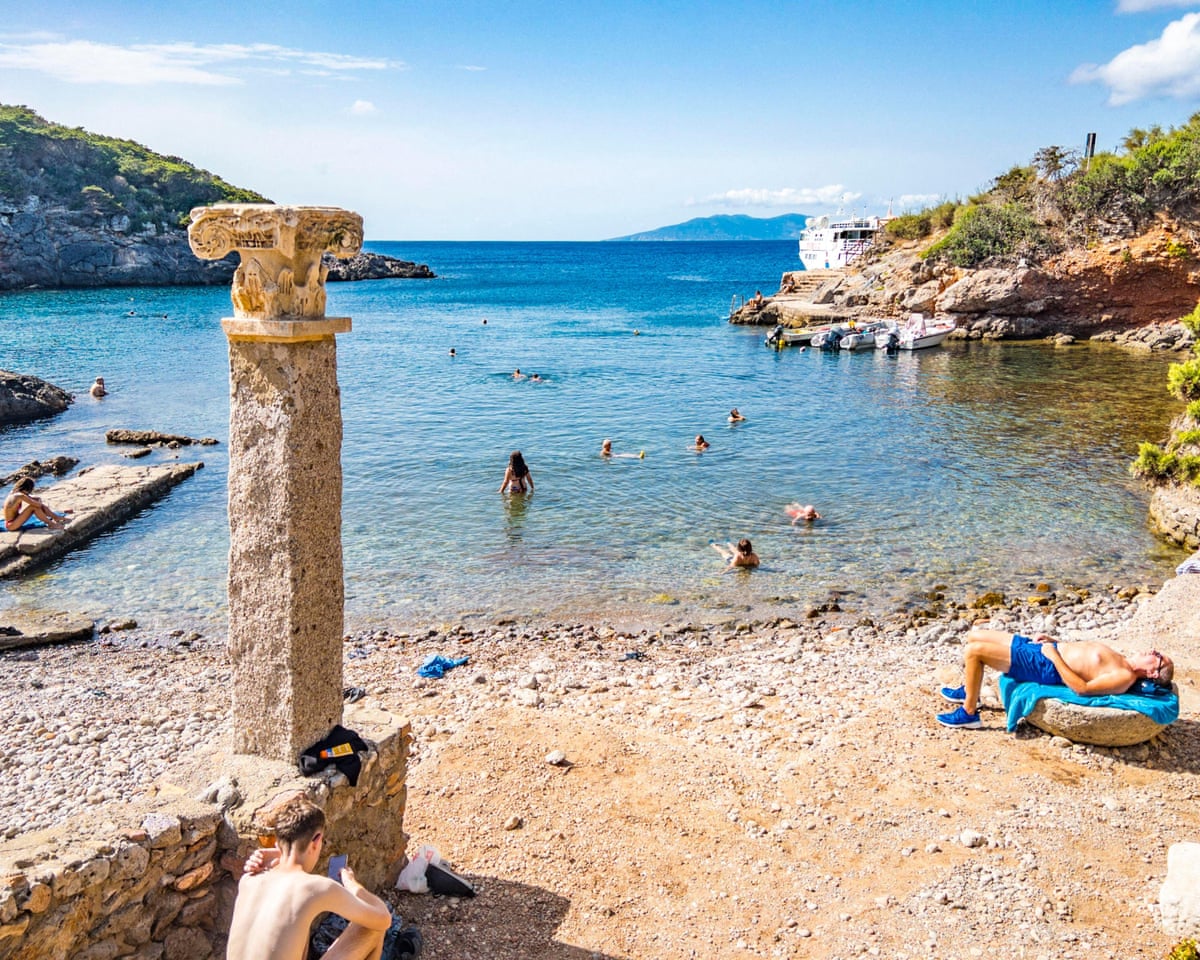
Where to eat: The island's sole dining establishment concentrates on seafood dishes, ranging from tuna tartare to spaghetti alle vongole.
Where to stay: Accommodation remains limited to a family-run property offering simple rooms and sea views, with doubles from £123 bed and breakfast, supplemented by scattered holiday rentals.
Getting there: Ferries depart from Porto Santo Stefano, with seasonal excursion boats also available, taking approximately one hour. In summer, additional excursions and shuttle services operate between Giglio and Giannutri.
Planning your visit in 2026
Travellers planning visits to the two most restricted islands should note specific scheduling. Montecristo's 2026 visiting season includes 23 scheduled dates, running from 21 March to 20 September 2026, with a maximum of 75 visitors per visit. Gorgona's 2026 guided excursions were set at 30 dates, with the programme commencing on 11 April 2026. Across all seven islands, the park's "Vivere il Parco" programming continues to expand visitor opportunities, with the 2026 calendar extending through 30 November and offering activities suited to families, hikers, divers and cultural enthusiasts alike.
Key Facts
- The Tuscan archipelago comprises seven islands within a protected national park, each with distinct character and accessibility levels
- Elba, the largest and most developed, combines Napoleonic history with excellent beaches and year-round facilities
- Giglio, Capraia, Pianosa and Giannutri offer progressively quieter, more nature-focused experiences, with Giannutri being car-free and minimally developed
- The 2026 "Vivere il Parco" programme provides over 800 activities across all islands, including 200+ for children, running through November
- Recent underwater archaeology has uncovered Roman and late antique shipwreck remains around Elba, with surveys continuing across the archipelago