From secluded swimming coves along Ireland's Atlantic coast to an evening stroll through the streets of Italy's volcanic Aeolian islands, travellers are increasingly seeking out lesser-known European destinations that offer authentic experiences away from mass tourism. Readers have shared their most memorable discoveries across the continent, revealing a collection of islands that combine natural beauty, cultural heritage and peaceful solitude.
Island-hopping has emerged as a leading luxury travel trend in 2026, with enthusiasts typically planning trips spanning 10 to 15 days to explore multiple destinations. According to a recent European travel ranking, islands in Spain and Croatia dominate the top 10 positions, accounting for nine of the ten highest-rated destinations by weather, cuisine and natural landscape.
What makes these islands special?
Each destination offers something distinct, whether dramatic geology, preserved medieval architecture or untouched beaches. The common thread is their escape from conventional tourist infrastructure—places where visitors encounter local life as it has existed for generations rather than attractions designed for mass consumption.
Wild beauty in the Croatian Adriatic
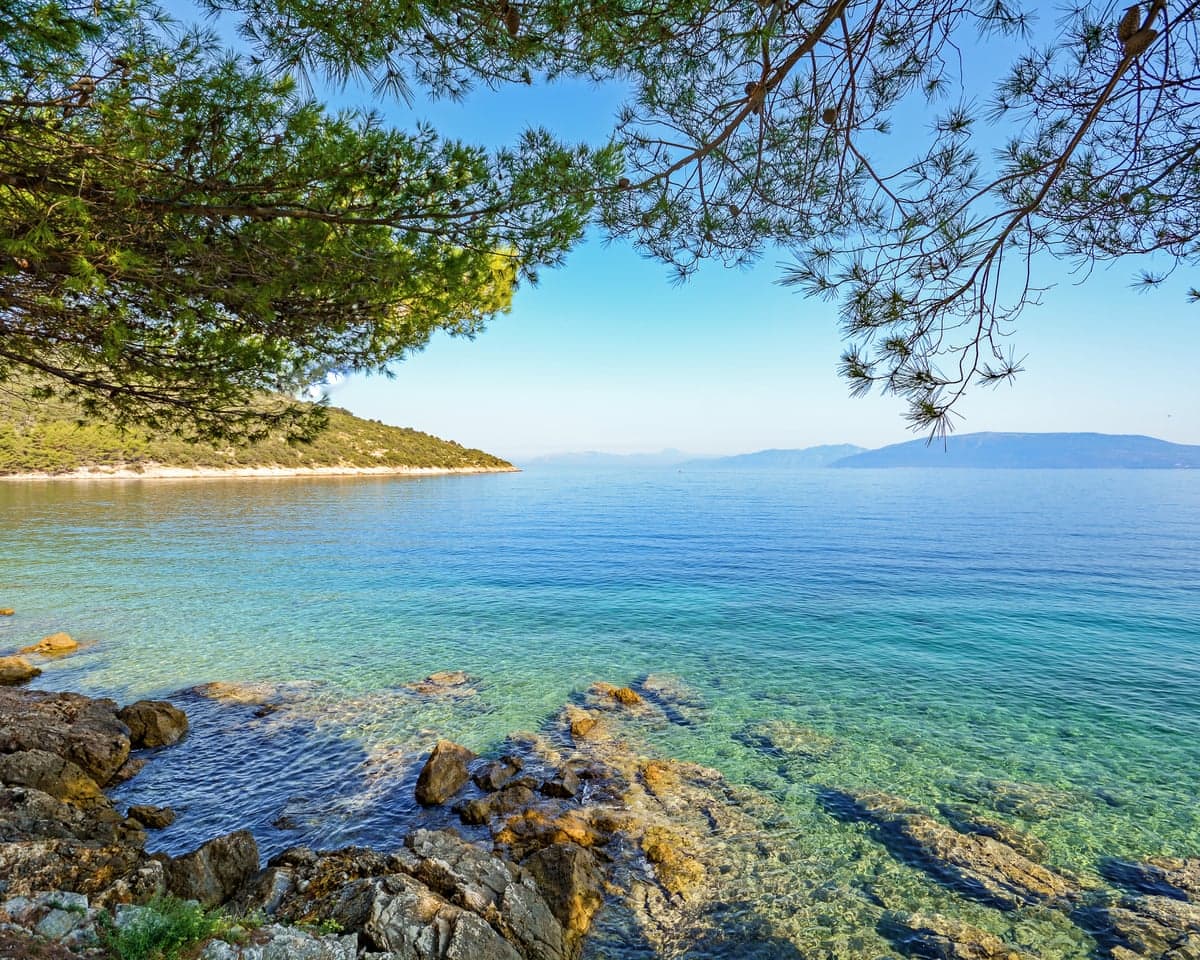
The Croatian island of Cres, the least populated of the four main islands in the Kvarner Gulf at the northern edge of the Croatian Adriatic, exemplifies this appeal. Giant eagles glide parallel to transport routes as they reach the island's highest points. Scrubby heath, olive groves and lavender blanket the landscape, with small towns and villages dotting the coastline. Some settlements, such as Cres town itself, have developed modest tourist facilities, while in others residents continue the rhythms of life that have persisted since Venetian rule. All are surrounded by the turquoise, crystal waters that define Croatia's reputation.
Swimming and mountain views in south-west Ireland
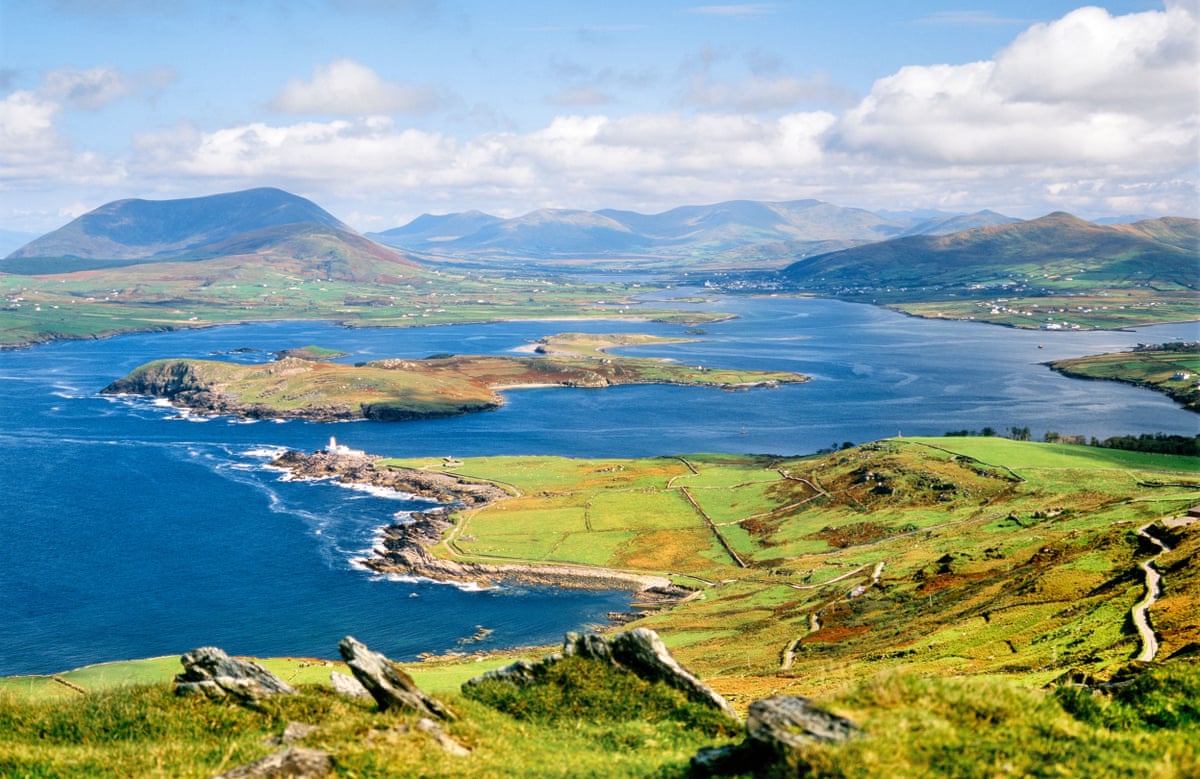
Valentia Island, a small landmass slightly removed from the more heavily visited Ring of Kerry, sits accessible via a bridge to the south and ferry to the north. Glanleam beach presents an isolated cove enclosed by lush vegetation, with views across to the mountains of the Dingle peninsula. The Atlantic waters invite repeated visits, with many travellers returning day after day for the swimming experience.
The Kerry coast has seen significant tourism growth in recent years. The Blasket Islands recorded visitor numbers more than 50 percent higher than the previous year, according to recent tourism data, reflecting growing interest in Kerry's island heritage. Additionally, Skellig Michael in County Kerry reopened for the 2026 visitor season on 9 May 2026, with access dependent on weather and sea conditions, offering visitors the chance to explore this historically significant site.
Timeless villages and pristine beaches in Greece
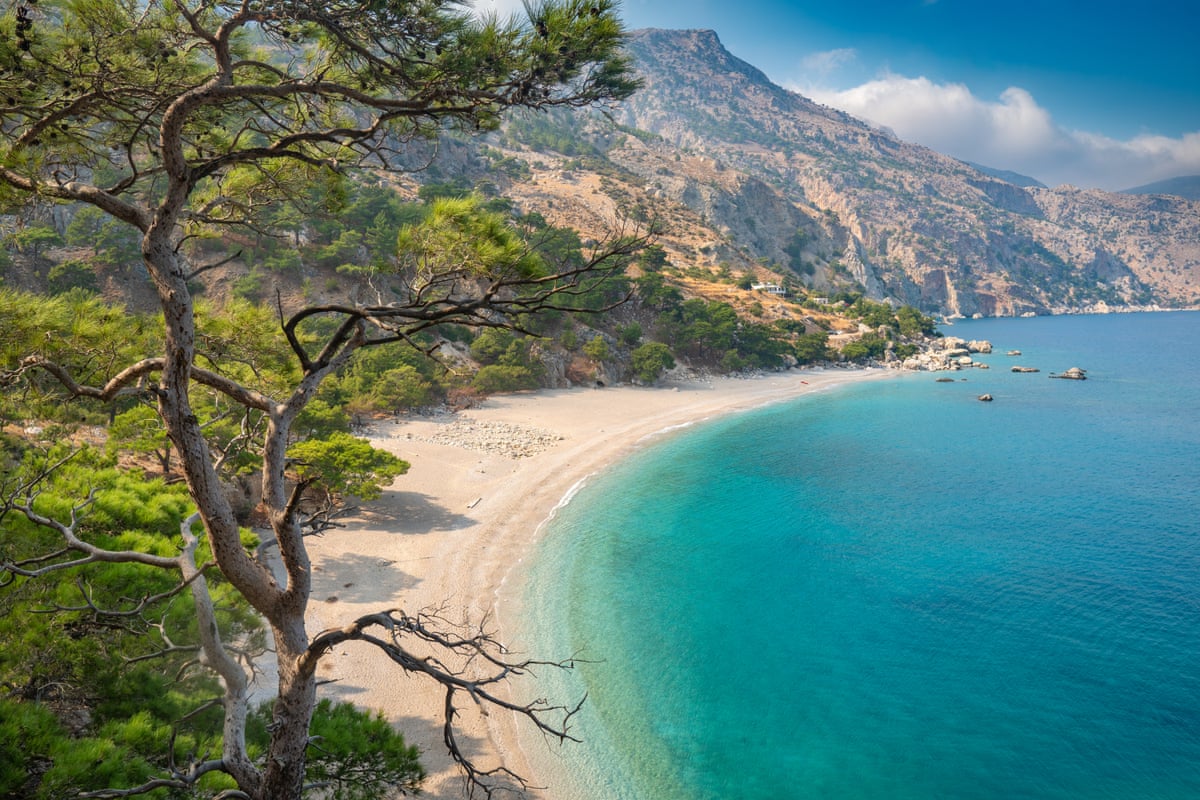
Karpathos, positioned between Rhodes and Crete, remains largely absent from mainstream package tourism. Instead of crowds, the island offers goats, wildflowers and winding mountain roads that trace the cliffsides. The remote village of Olympos appears suspended in time, with older women still wearing traditional dress and preparing makarounes—pasta-like strands—in the open air. Apella and Achata rank among Europe's finest beaches, their turquoise waters backed by unspoilt pine-covered mountains. A family-run guesthouse provides valley-to-sea vistas and breakfast spreads featuring fruit, jams, yoghurt and freshly baked bread. Evenings conclude at family-operated tavernas, where local wine accompanies the sunset over the Aegean.
A car-free island off the Breton coast
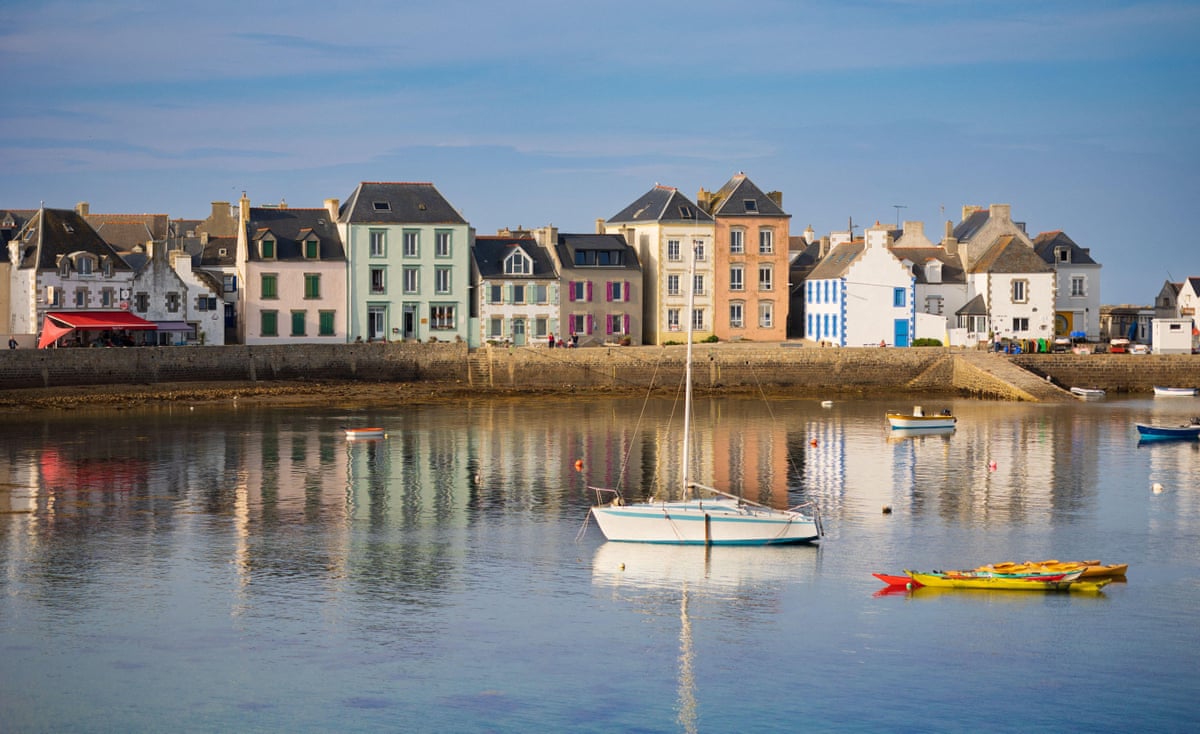
Île de Sein, reached after an exhilarating 60-minute boat journey from Audierne that passes the Pointe du Raz—where coastal currents create unusual wave formations that carry disoriented seabirds in conflicting directions even when separated by mere metres—sits mostly just 1.5 metres above sea level. The island prohibits cars, and the entire perimeter can be traversed on foot within a couple of hours. Cowrie shell-rich beaches and plants forming dense carpets across pebbles characterise the landscape. Historical structures, an impressive lighthouse and several stylish cafes dot the island. Crepes served in local establishments provide sustenance, while overnight visitors experience the island's transformation as day-trippers depart.
Volcanic drama and evening culture in Sicily
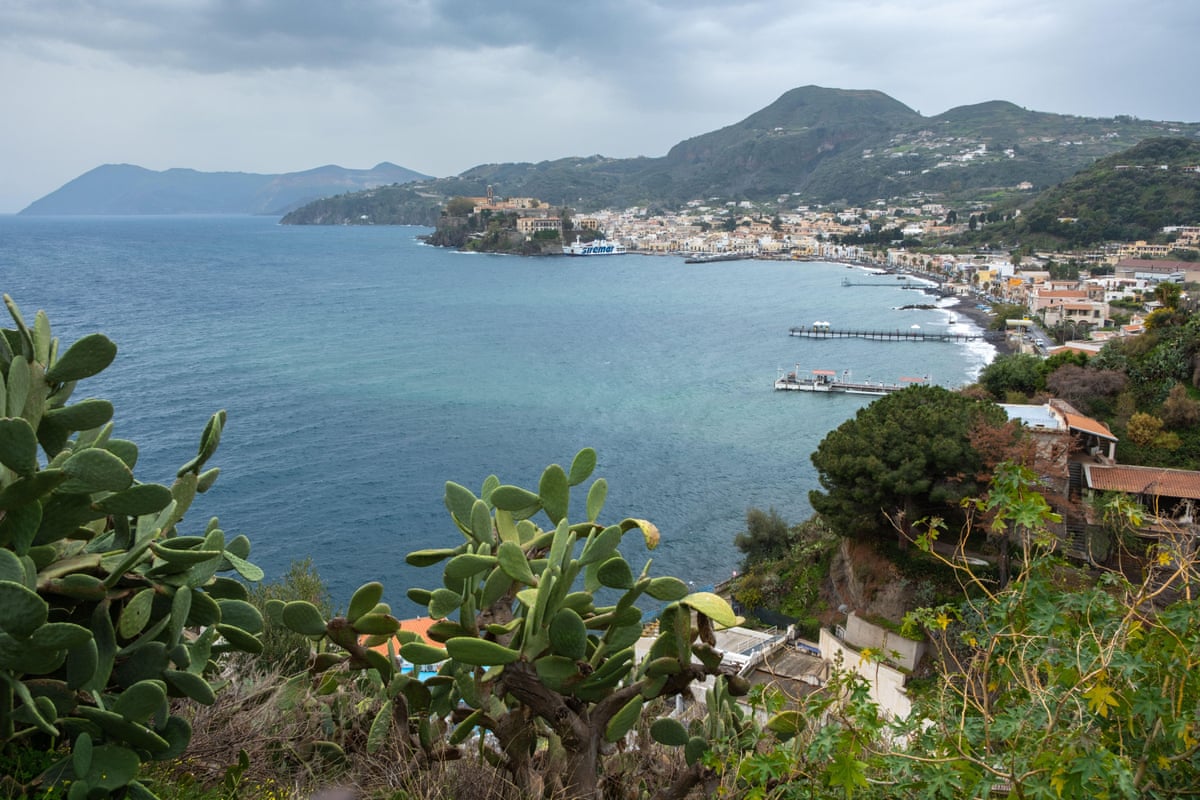
Lipari, positioned off Sicily's north-east coast, possesses an energy that may stem from its volcanic origins. As the largest of the Aeolian islands, it offers considerable appeal for visitors. Lipari town clings to the waterfront, dominated by a castle reminiscent of Game of Thrones aesthetics. The cathedral and the archaeological museum, housing ancient statues and artefacts, merit exploration. The evening passeggiata—the traditional Italian evening stroll—forms a central social activity, with residents and visitors sipping island-themed cocktails such as the ominously named Volcano or enjoying gelato. Corso Vittorio Emanuele II, lined with restaurants descending toward the picturesque Marina Corta port, provides dining venues. Nearby beaches at Papesca and Porticello feature rocky white seabeds and transparent waters that create a shimmering effect, drawing swimmers back repeatedly.
Peaceful escape from Canary Islands tourism
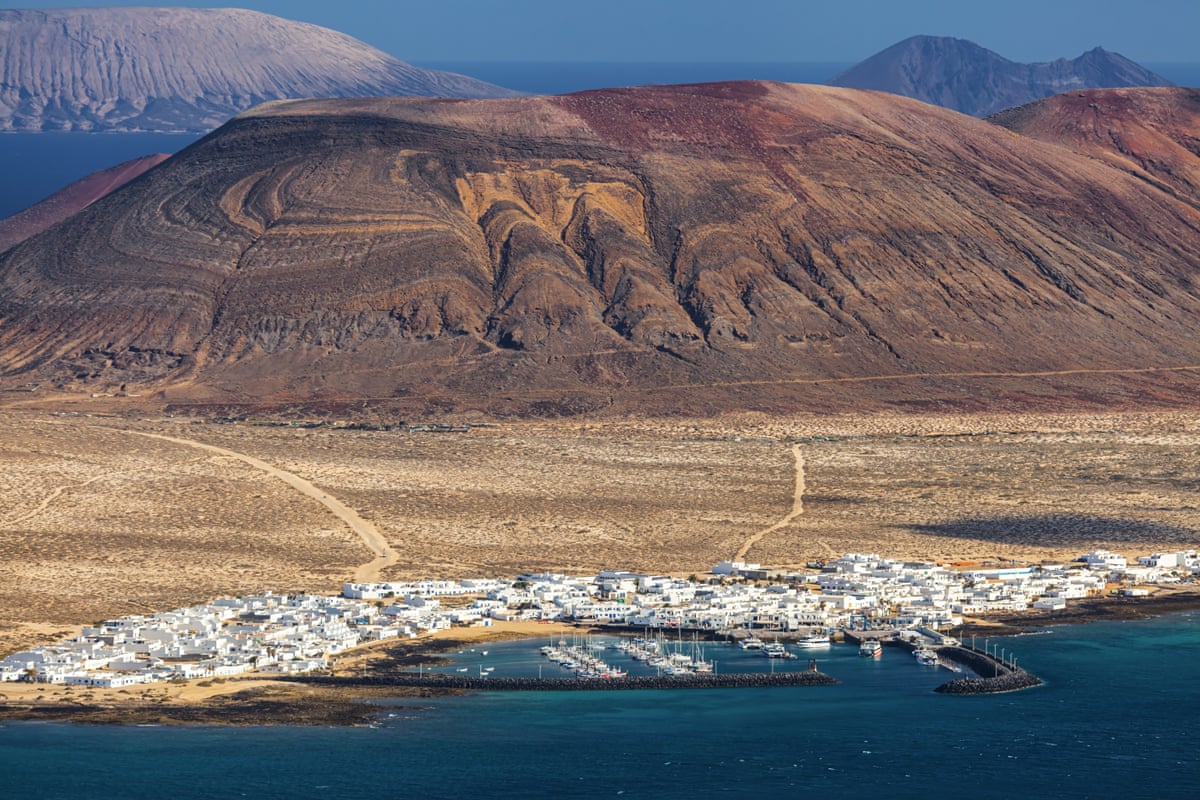
La Graciosa, Lanzarote's diminutive volcanic neighbour, transforms dramatically depending on visitor timing. Most arrivals occur as day-trips from Lanzarote, but overnight stays reveal the island's tranquil character. Sandy, largely traffic-free streets characterise Caleta de Sebo. Clear turquoise waters invite swimming and snorkelling, while volcanic peaks accommodate walking and cycling. Fresh fish prepared in village establishments provides local cuisine. Boat tours circumnavigate the coastline, or visitors can locate quiet stretches of sand for solitude. By evening, the island feels entirely removed from Lanzarote's busy resorts, embodying the essence of island escape.
Wildlife encounters off the Welsh coast
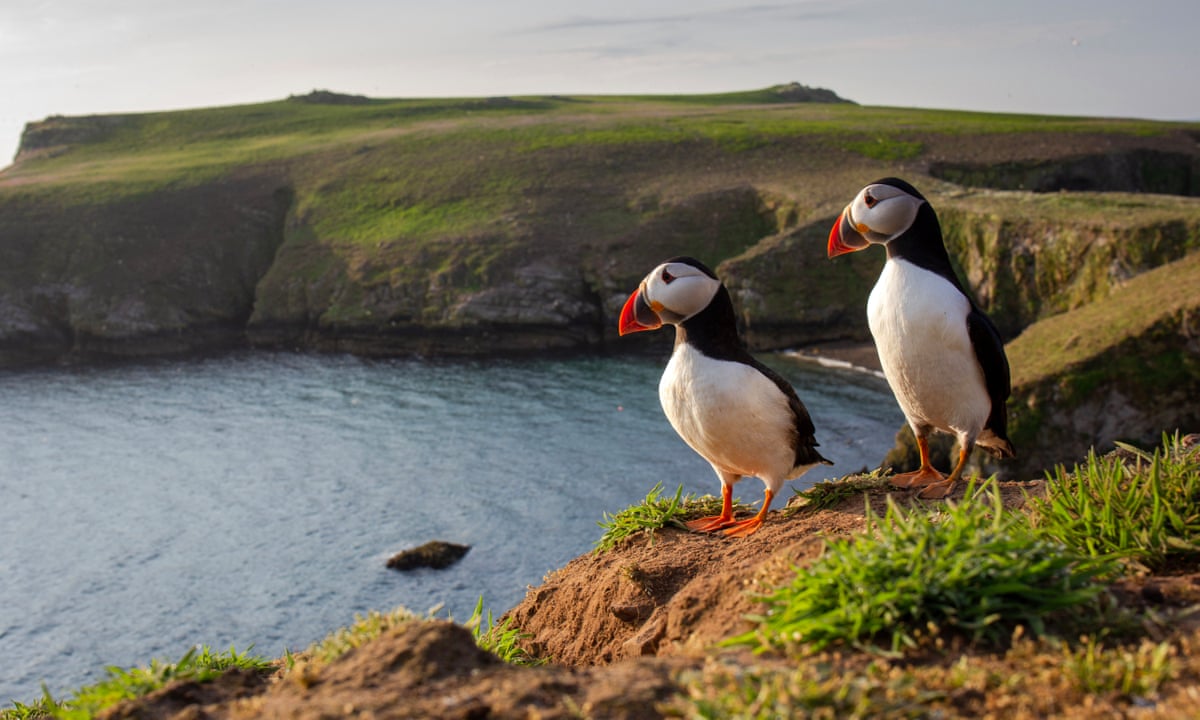
Skomer, positioned off Pembrokeshire's coast, offers family-friendly wildlife observation. Arrival at an unassuming pier and boarding a modest boat initially raised questions about the outing's success. However, the experience of watching puffins—potentially the world's most joyful birds—across several hours on the Welsh coastline provides therapeutic value. The experience suggests that a person who tires of observing puffins has lost enthusiasm for life itself.
Medieval preservation and geological wonders in the Baltic
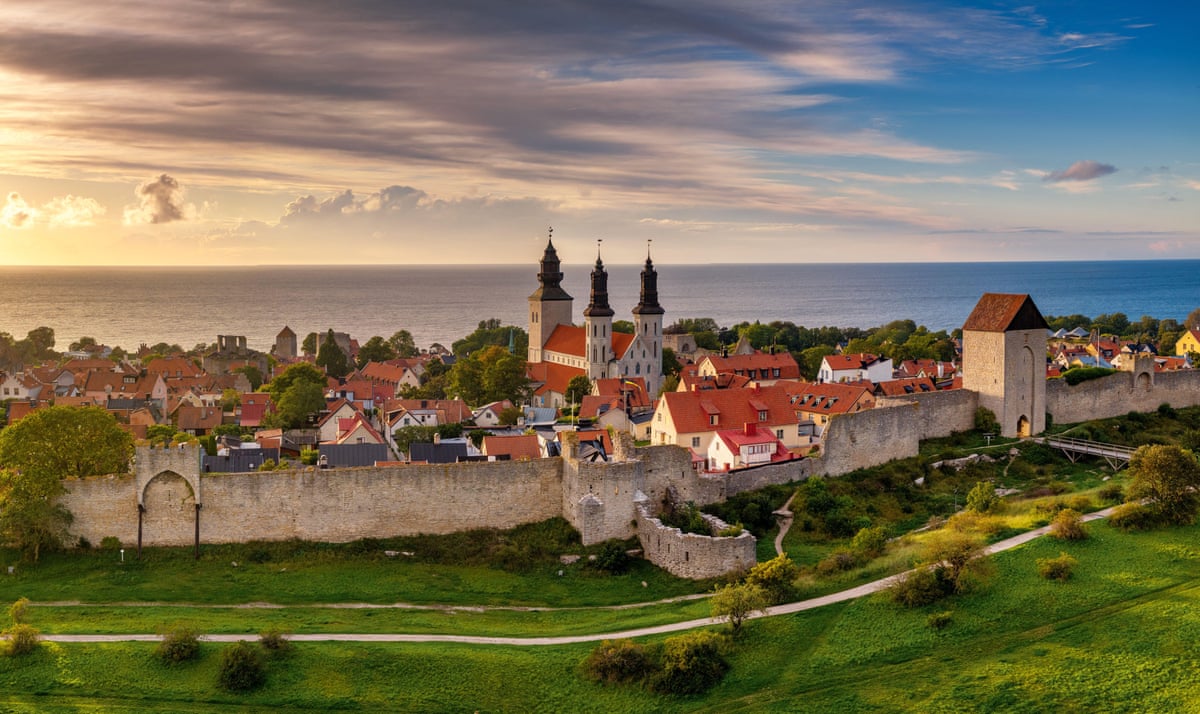
Gotland, a magical Baltic island, requires a three-hour ferry journey from Nynäshamn, situated south of Stockholm. The primary town, Visby, presents a perfectly preserved medieval environment featuring wraparound city walls, cobbled streets and vehicle prohibition. Bus and ferry connections reach the Fårö region, where bicycle hire enables cycling to the famous rauks—massive limestone columns rising from the sea. The entire island functioned as a coral reef in prehistoric times, making it exceptional for fossil hunting. Geological history combines with archaeological significance to create a destination where natural and human history intersect.
Cosmic history on an Estonian island
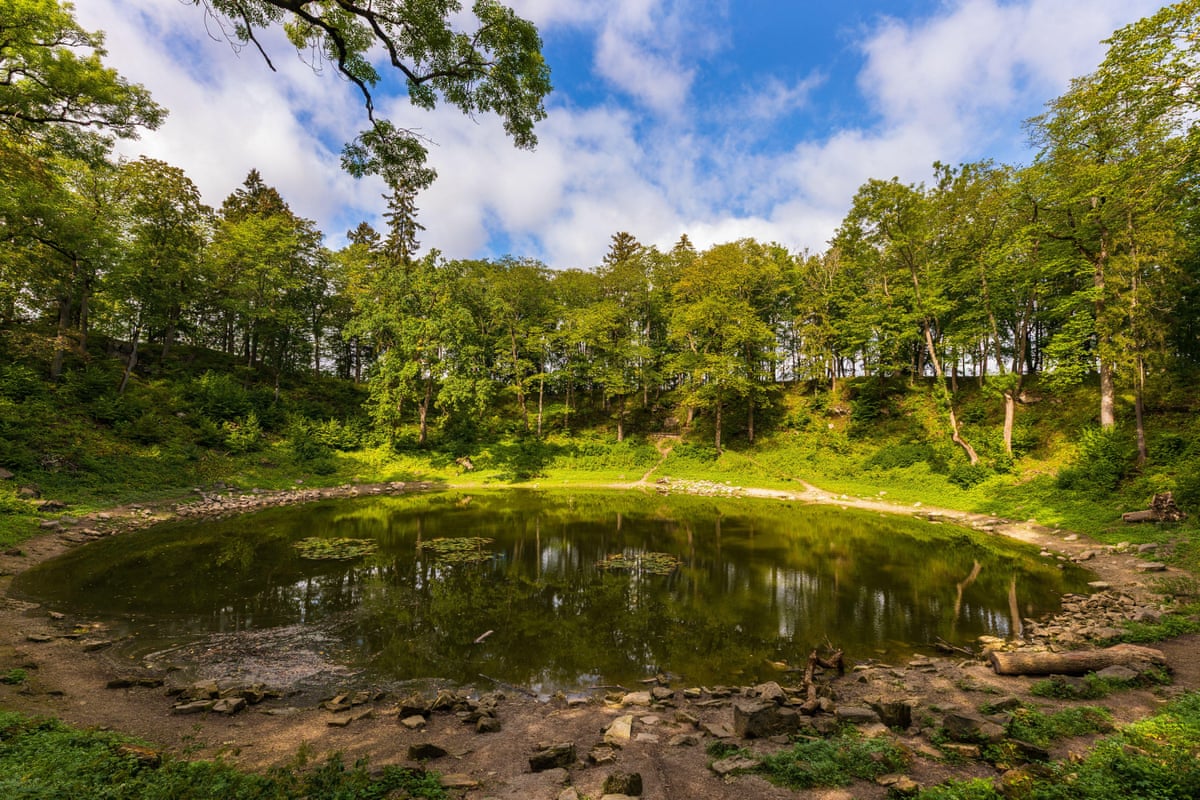
Saaremaa, an Estonian island, permits visitors to walk around meteorite craters. Nine craters at Kaali formed approximately 3,500 years ago when meteorites struck the island. The location subsequently became a cult site, with archaeological discoveries indicating animal offerings and connections to ancient Finnic mythology regarding the sun's descent from the sky. The modest Meteoritics Museum charges merely €2 (£1.70), offering cosmic drama within an economical budget.
Planning an island escape
Travellers planning island visits should note that ferries to many islands require booking days in advance during August, with rental cars selling out early. Midweek departures are recommended to avoid peak weekend congestion. Coastal roads frequently require more travel time than map distances suggest, necessitating realistic itinerary planning.
What happens next
The Skellig Coast in County Kerry will host the May the 4th Sci Fi Film Festival during the May bank-holiday weekend in 2026, linking the region's islands with event-driven tourism and offering visitors the opportunity to combine cultural experiences with natural exploration.
Key Facts:
- Island-hopping typically spans 10 to 15 days for optimal experience
- Spain and Croatia dominate Europe's top-ranked islands for 2026 travel
- Many island ferries require advance booking, particularly during August
- Overnight stays transform day-trip destinations into peaceful retreats
- Lesser-known islands preserve authentic local culture and natural landscapes