Andy Burnham has been urged to lobby EU leaders directly to suspend the new entry-exit system, EES, as the peak weekend for overseas holidays begins. The Liberal Democrats made the call on Friday morning at Heathrow airport, warning that millions of travellers could face disruption as 2.2 million British holidaymakers head abroad between Friday and Monday, mostly to Europe, with all schools in the UK now on their summer break.
What are the Lib Dems asking Burnham to do?
The Liberal Democrats’ foreign affairs spokesperson, Calum Miller, said the prime minister needed to call on EU states to drop the “bungled, malfunctioning border system” until at least September. He said holiday-makers and hauliers should not be affected by a system that is completely outside their control and urged Burnham to speak directly to European leaders.
“Holiday-makers and hauliers should not be punished by a bungled, malfunctioning border system that is completely out of their control. Andy Burnham needs to pick up the phone to each and every European leader - and persuade them, collectively, to suspend the EES until at least September.”
Miller added that a disastrous Brexit deal was “now putting millions of Britons at risk of having their holidays ruined by this broken EU border system”.
What is happening with the EES system?
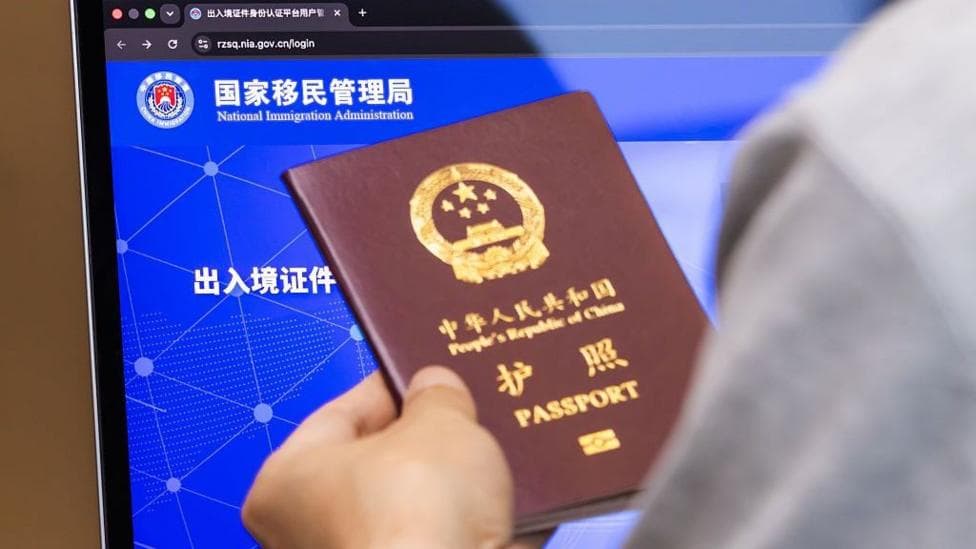
The EES, which requires non-EU citizens to register on arrival and , has been technically in full force since April after , but border police have been allowed to relax requirements during extreme delays. Some passengers have still missed flights, while others have had to queue for several hours.
The system has already caused disruption in some places, although authorities have been able to ease requirements when delays become severe. Even so, passengers at some borders have missed flights, and others have spent hours in queues.
Which destinations are busiest this weekend?
The travel association Abta said Spain would be the main destination for people travelling abroad this weekend, with strong demand also for Greece, Portugal, Italy and Turkey. Its chief executive, Mark Tanzer, said passengers should allow plenty of time for their journeys.
“For many heading overseas, this will be the first experience of EES, and for some, though not all, it may take longer than usual to get through passport control,”
Tanzer said.

How are European countries handling the checks?
Greece has already indicated it will not impose the additional biometric checks on UK nationals, who make up the majority of its incoming non-EU tourists. In France, problems with technology provided to France mean that automated booths at its borders are not working.
For cross-Channel traffic, the French border posts are in the UK, at the peak getaway period. However, French border police have decided not to fingerprint or photograph car travellers at ferry ports or the Eurotunnel terminal, and traffic has so far passed smoothly.
What has the government done?
The transport secretary, Heidi Alexander, has met EU commissioners and her French counterpart, and spoke again last week to raise concerns. A government spokesperson said the UK recognised the scale of the change for British travellers and was working to reduce disruption as much as possible.
“While the new EES checks are a matter for the EU, we recognise this is a significant change for British travellers and are doing everything we can to get people away on their summer holidays with as little hassle as possible.”
That includes money for EES facilities and management of traffic at the port of Dover. The French border police decision not to fingerprint or photograph car travellers at ferry ports or the Eurotunnel terminal has helped keep traffic flowing.
The port of Dover said it was expecting its busiest days of the summer on Friday and Saturday, with just over 10,000 cars on top of the usual haulage traffic, but queueing time had not exceeded 40 minutes and had been as little as 10 minutes.
What about people returning to the UK?
Return flights from Europe for UK citizens will be the biggest anxiety. EasyJet urged the EU on Thursday to extend the flexibility to suspend the EES until the end of October.
As overseas holiday travel peaks, the issue is expected to remain a focus for travellers, hauliers and airlines during the busiest part of the summer getaway period.