

Humpback whales, once hunted to near-extinction off Brazil's coast, are drawing growing numbers of tourists to Rio de Janeiro as their population rebounds during the southern hemisphere winter migration. Sightings have become so frequent that one juvenile whale has been repeatedly spotted inside Rio's Guanabara Bay this year, an unprecedented pattern that has researchers and tour operators debating whether the booming whale-watching trade helps or harms the species' recovery.
Aboard the yacht Boaventura II, anticipation builds as it departs at sunrise. Once past the Cagarras Islands, rocky formations roughly three miles from Ipanema beach, passengers crowd the bow to scan the horizon.
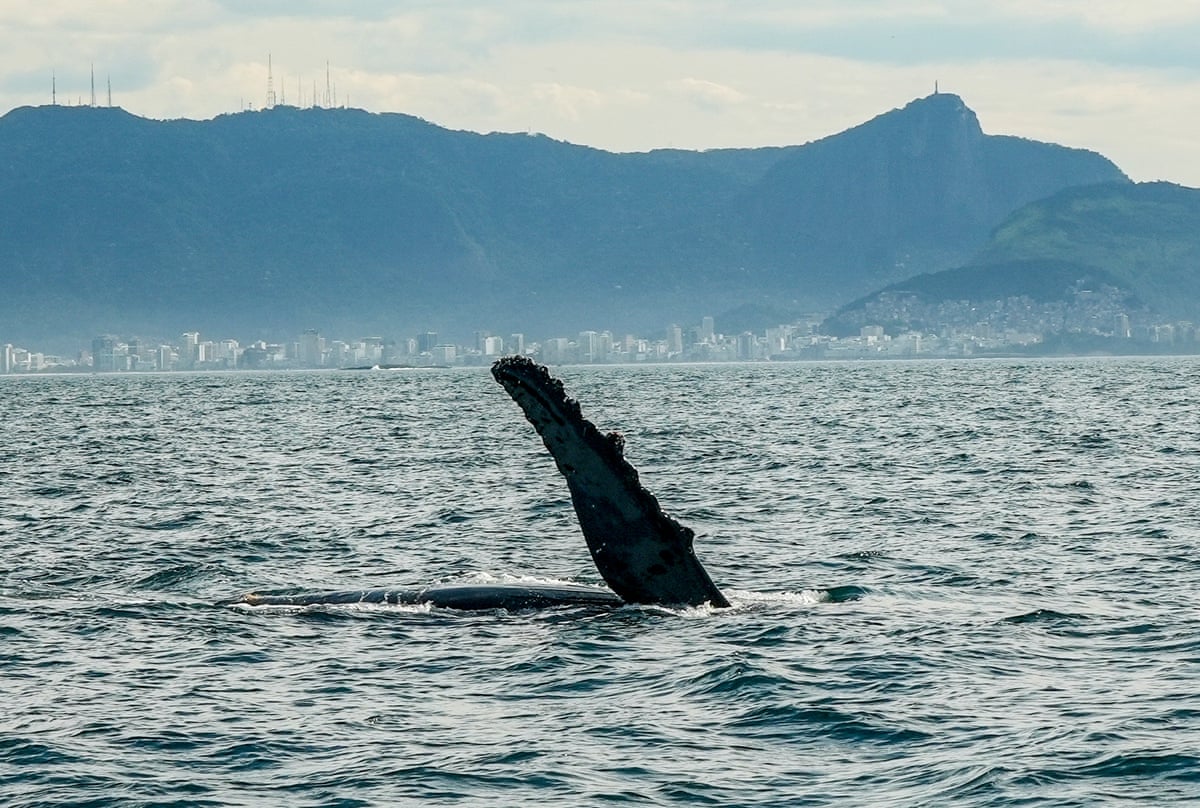
The wait is brief. A pod of bottlenose dolphins appears first, diving playfully in and out of the water, before two columns of vapour mark the presence of a pair of humpback whales. The animals surface with a slow exhale before diving again, showing the undersides of their tail flukes.
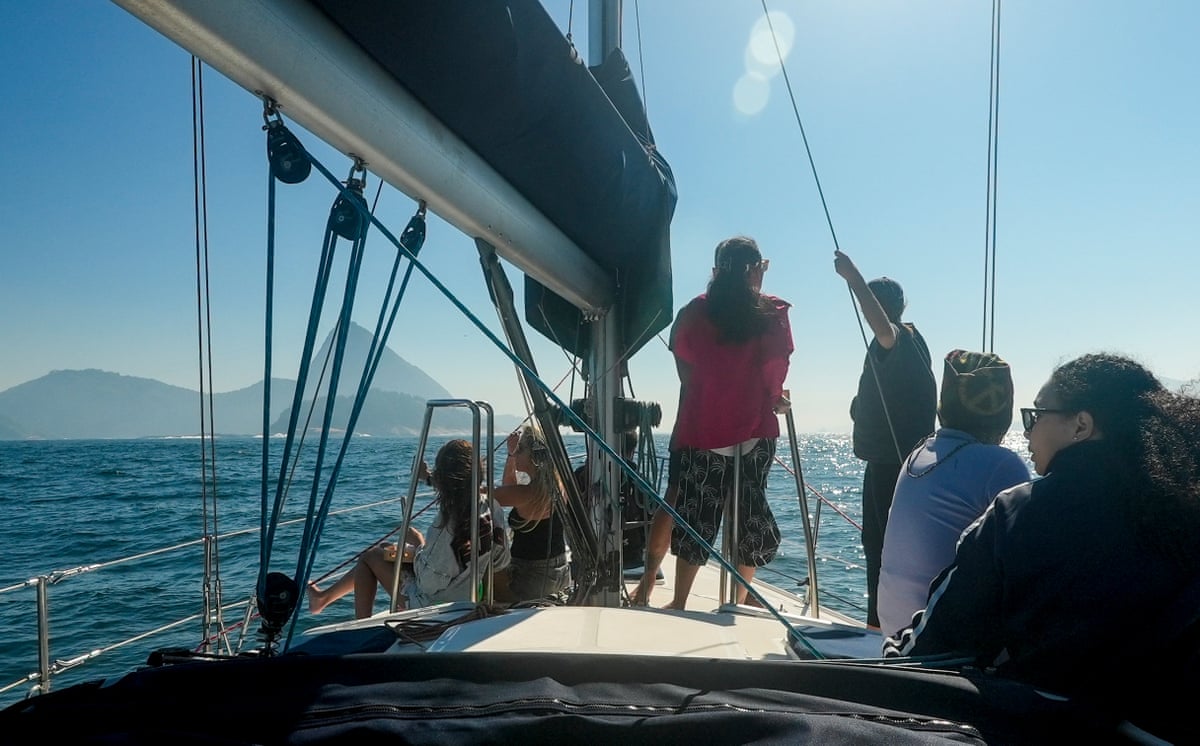
For many aboard, the encounter is a long-held ambition, made more striking by the backdrop of Rio's forested mountains. Yet such sightings have grown increasingly common as Brazil's humpback whales return to the waters around the so-called Marvellous City each winter, a sign of their recovery from the brink of extinction.
This year, one whale has been recorded inside Guanabara Bay on at least 18 separate occasions, according to researchers, a first that has prompted speculation that humpbacks may be reclaiming territory they inhabited centuries ago.

Theo Andrade, co-founder of tour operator ROC Sail and skipper of the Boaventura II, said the spectacle was unmatched. After previously guiding whale-watching trips near breeding grounds further north, he began operating tours in Rio this year.
You can't put a price on this show. It's pure magic.
Luciane dos Santos, a 53-year-old passenger who runs a drinks wholesale business, took time away from work hoping to see the whales.
I'm amazed at how a 50-tonne animal can perform such a beautiful leap that leaves everyone spellbound.
She was not disappointed, watching six humpbacks over the course of the morning.
I feel a sense of fullness – it's truly a gift from nature.
Why did the whale population collapse and how has it recovered?
Humpbacks have long travelled along Brazil's coast between June and November, migrating from feeding grounds near South Georgia and the South Sandwich Islands to the warmer, shallower waters of the Abrolhos Bank off Brazil's north-east coast, where they breed.
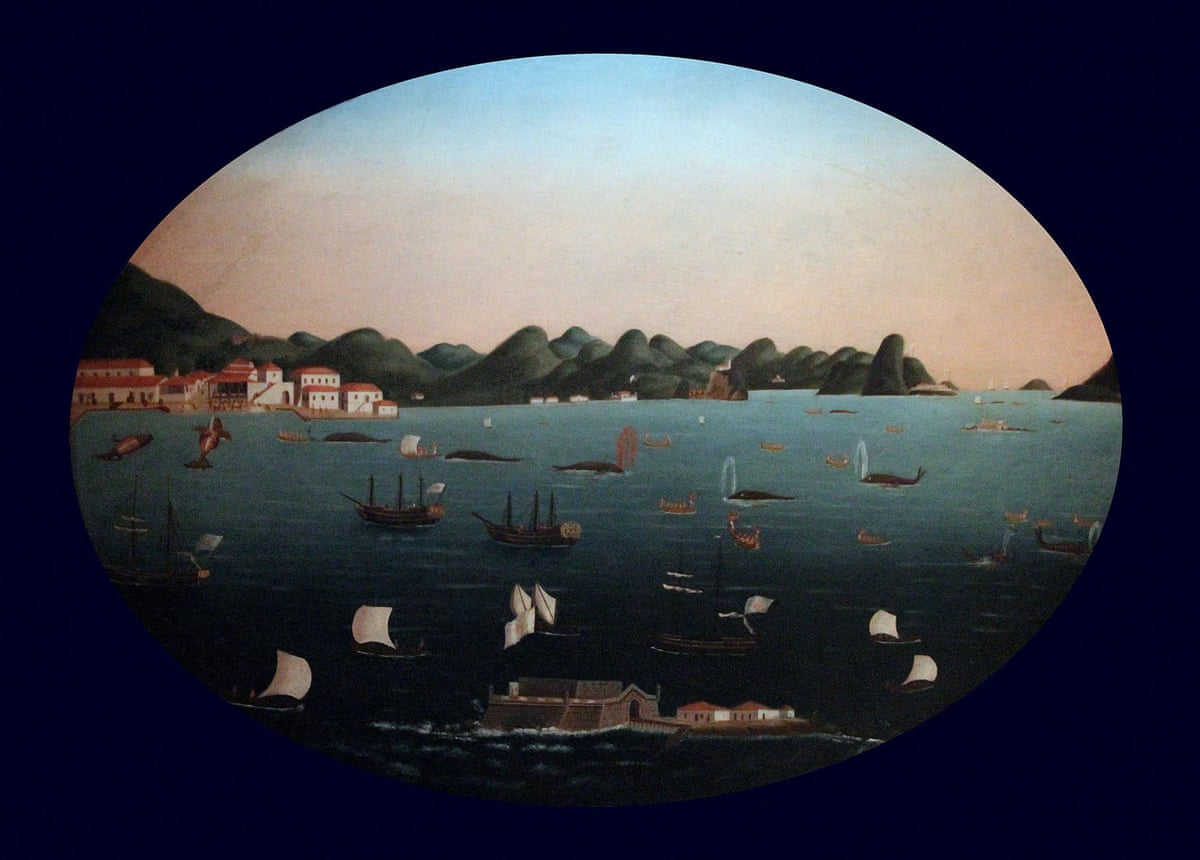
Unregulated hunting devastated the population well before a global commercial whaling ban took effect in 1986. Evidence of this hunting dates back to around 1780, when Brazilian artist Leandro Joaquim painted scenes of whales being pursued and harpooned in Guanabara Bay.
Thiago Ferrari, director of the conservation project Amigos da Jubarte, said the scale of the decline and subsequent rebound has been dramatic.
At the end of the 1980s, fewer than 1,000 individuals were counted in this Brazilian group. Today, there are nearly 30,000.
Other estimates place the current figure closer to 35,000. According to
This article was sourced from theguardian


