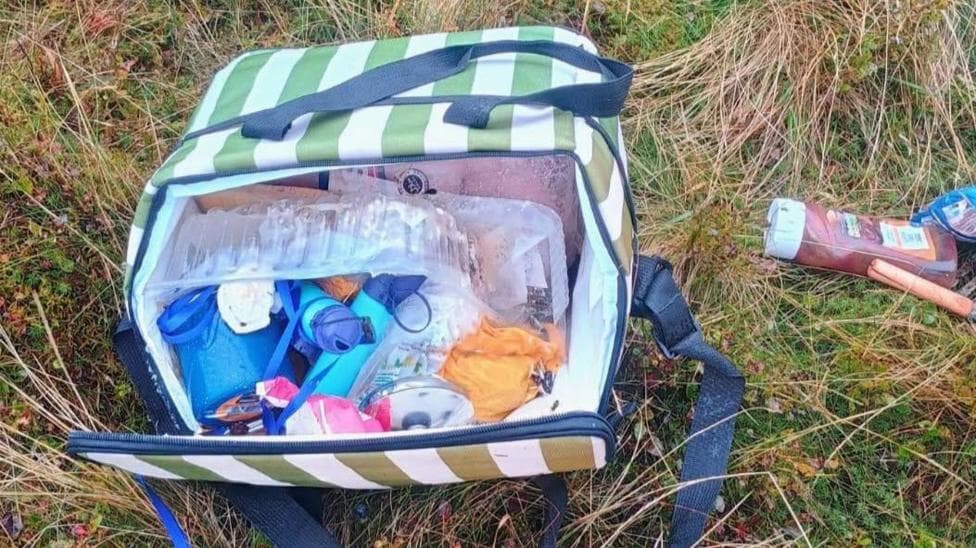
Human excrement, maggot-infested food and abandoned camping equipment were discovered at Bannau Brycheiniog National Park over a bank holiday weekend, prompting the park authority to condemn what it described as fly-tipping rather than legitimate wild camping. The incident near Llyn y Fan Fawr in the western section of the park represents one of the most severe cases the authority has encountered, arriving on the heels of destructive wildfires that ravaged the landscape.
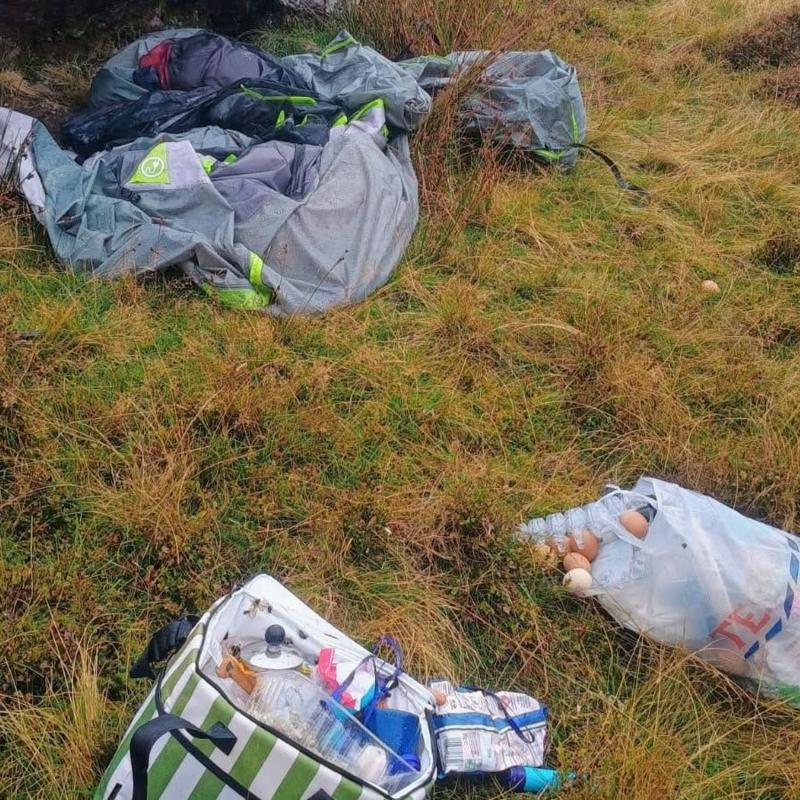
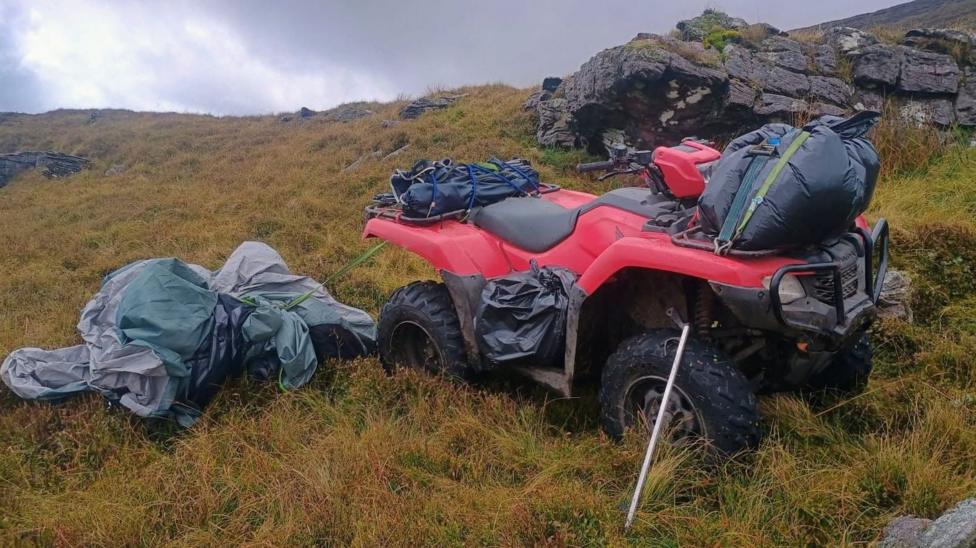
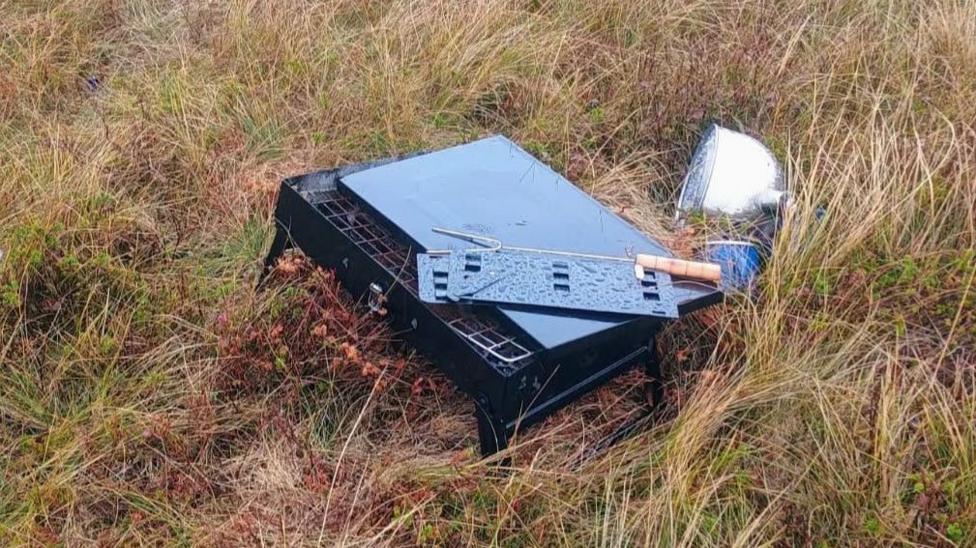
Park wardens uncovered a tent containing chairs, a barbecue, two bags of decomposing food and human waste at the site. The discovery prompted the park authority to issue a stark warning on social media, distinguishing between responsible outdoor recreation and illegal dumping that damages the environment and wildlife.
Bannau Brycheiniog, also known as the Brecon Beacons, stated in its public statement that
"This is not wild camping. This is fly-tipping and littering."The authority explained that
"One of our wardens spent their bank holiday weekend in a less-than-ideal way, clearing up a tent full of kit with chairs, a BBQ and two bags of maggot-infested food, and also found human excrement on site."
The park authority has identified a troubling shift in visitor behaviour over recent months. Officials described the problem as now "significant" across Bannau Brycheiniog, affecting wildlife, livestock and local communities, with cleanup efforts diverting staff from conservation work. This deterioration follows a summer marked by repeated instances of abandoned campsites, discarded barbecues and rotting food across the park's beauty spots.
Why is fly-tipping increasing?
Park officials have struggled to understand the root cause of the escalating problem. Bronwyn Larry, head of communications for the park authority, acknowledged the perplexing nature of the trend, stating that visitors arrive to appreciate the scenery but leave behind litter that destroys the landscape they came to enjoy. She noted that
"It does seem to be increasing"and described the shift as
"baffling."
Social media has been suggested as a potential driver, with Bannau Brycheiniog attracting around four million visitors a year, many seeking "Instagrammable" locations. However, Larry indicated that influencers visiting the area generally promote responsible behaviour because they wish to preserve the landscape. She expressed confusion about where the change in attitude originates, saying
"So it's really difficult to understand where this change of attitude is coming from."
What are the consequences of abandoned waste?
The environmental and safety implications extend far beyond aesthetics. Discarded barbecues present a significant wildfire risk, particularly concerning given that the park has recently battled destructive fires. Abandoned food attracts wildlife and disrupts natural ecosystems. Pollution from dumped waste can contaminate water sources, affecting both the environment and communities downstream.
The cleanup burden has intensified pressure on park staff. Larry highlighted the toll on wardens, noting that
"Our wardens have gone from supporting firefighters with the wildfires and, the first rainy weekend, they're off finding abandoned wild camps. They have had quite the summer."This diversion of resources means conservation work and visitor support suffer as staff address the consequences of illegal dumping.
What guidance exists for visitors?
The Countryside Code, which governs responsible outdoor behaviour, explicitly states that
"dropping litter and dumping rubbish are criminal offences."The principle of "leave no trace" has been associated with beauty spots for decades and remains as relevant today as ever. This approach requires visitors to remove everything they bring, leaving the landscape undisturbed for future visitors and wildlife.
Park officials have consistently promoted this messaging across their communications channels. Larry emphasised the logic of the principle, explaining that
"Logic says it's lighter to carry back once you've eaten and drank it all than it is to carry it out there."Despite widespread promotion of these guidelines, compliance appears to be declining.
Is this problem unique to Bannau Brycheiniog?
The fly-tipping crisis extends beyond this single national park. Similar issues have plagued Welsh beauty spots for years, with litter, fly-camping and antisocial behaviour prompting warnings from councils and authorities across the region. In July 2025, mountain rescue volunteers in Bannau Brycheiniog had to interrupt training exercises to clear litter, including disposable barbecues, from the landscape.
The problem has attracted attention from environmental campaigners. Fly-tipping Action Wales has run awareness campaigns at Welsh beauty spots including Bannau Brycheiniog, warning hikers about waste crime in popular landscapes. The persistence of the issue suggests that enforcement and public messaging alone have not yet reversed the trend.
In a separate incident highlighting the broader challenge, rangers helped remove a bathtub taken up Pen y Fan in July 2026 after the creator reported the incident as fly-tipping, demonstrating how even high-profile visitors can contribute to the problem.
What should visitors do if they encounter fly-tipping?
Members of the public who discover fly-tipping can report it to the relevant authorities. Natural Resources Wales asks for reports where waste is dumped on its land or in a main river, providing a formal channel for environmental crime reporting. Local councils and the park authority also accept reports of illegal dumping.
Key Facts
- A tent containing human waste, maggot-infested food, chairs and a barbecue was abandoned near Llyn y Fan Fawr over a bank holiday weekend
- Park officials describe the problem as "significant" across Bannau Brycheiniog, diverting conservation staff to cleanup duties
- Discarded barbecues pose an ongoing wildfire risk in an area recently affected by destructive fires
- The Countryside Code classifies dropping litter and dumping rubbish as criminal offences
- The issue affects national parks across Wales, with volunteers and rangers regularly interrupted from other duties to address abandoned campsites and waste