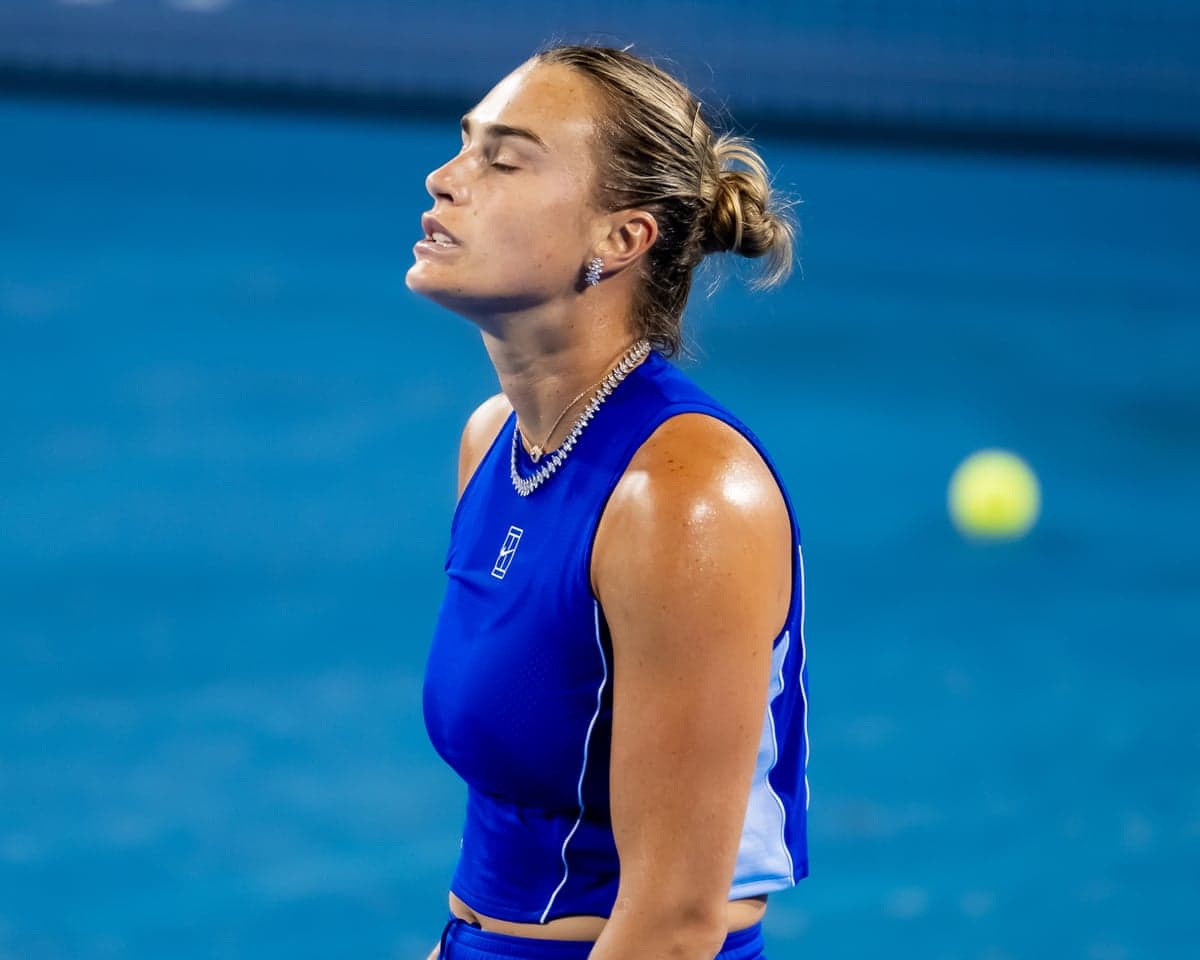
Aryna Sabalenka's grip on the top ranking is slipping. The Belarusian suffered a stunning fourth-round defeat to 20-year-old Czech qualifier Sara Bejlek at the Cincinnati Open, losing 7-6 (7), 6-4 in a match that encapsulated her recent mental struggles. The loss leaves her vulnerable to Elena Rybakina, who has narrowed the points gap to just 434 as the defending Australian Open and WTA Finals champion circles closer to reclaiming the No. 1 spot.
The match itself was a study in unravelling composure. Leading 5-1 in the opening tie-break, Sabalenka surrendered five consecutive points before losing the set. She then built a 4-1 advantage in the second set, only to concede the final five games without resistance. Her groundstrokes were erratic, her movement sluggish, and her mental fortitude absent—a stark contrast to the player who dominated the opening months of 2026.
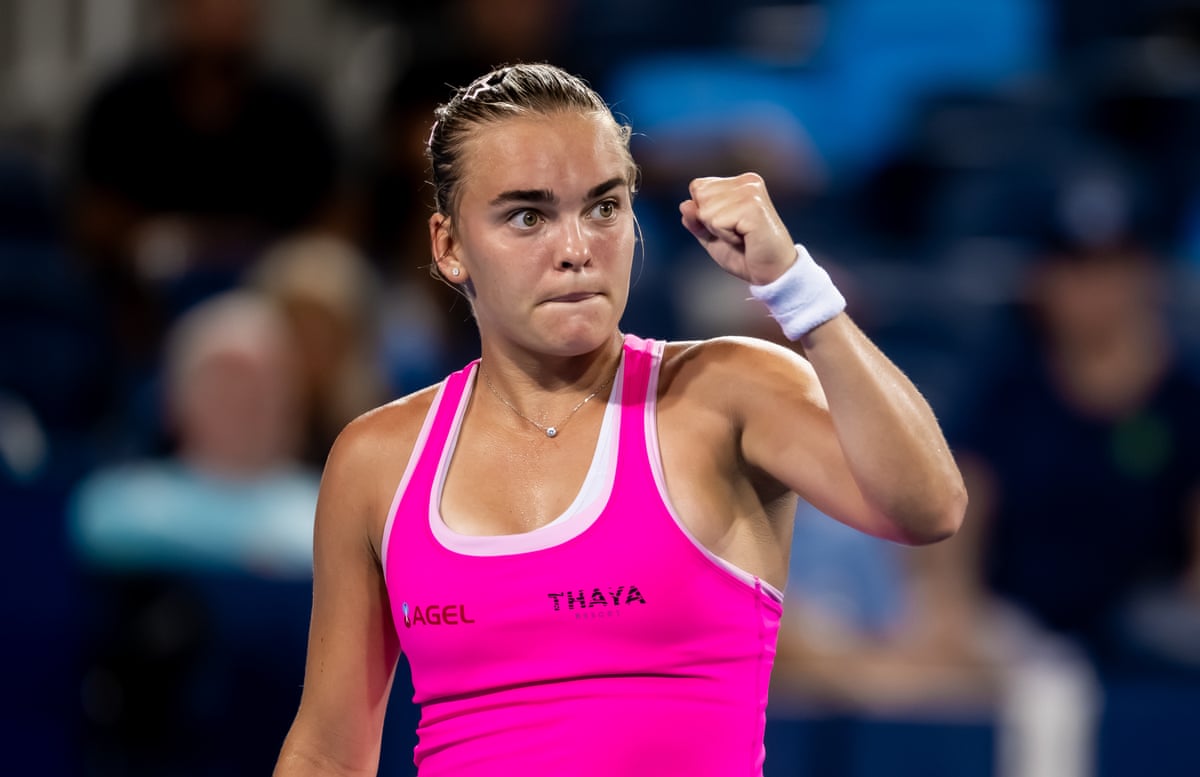
The Cincinnati loss was particularly jarring given Sabalenka's earlier success at the tournament. According to Tennis Majors, she had defeated Xinyu Wang 6-1, 6-3 in the opening round before advancing to face Bejlek. Her victory over Wang marked her 50th WTA 1000 triumph while ranked world No. 1, placing her alongside Serena Williams and Iga Swiatek as the only players to achieve that milestone.
How did Sabalenka's form deteriorate so rapidly?
The collapse began immediately after Miami in March, when Sabalenka won the Sunshine Double by capturing both Indian Wells and Miami titles. Since the start of April, her record stands at 17-7, with only one semi-final appearance and zero finals across her last seven tournaments. The French Open quarter-final loss was particularly damaging: she held a commanding 6-3, 4-1 lead with a double break before losing 12 of the next 13 games to exit the tournament.
Before Cincinnati, Sabalenka had also suffered a setback in Toronto. According to , she reached the fourth round by defeating Zhang Shuai 6-3, 6-4 before falling to Ekaterina Alexandrova in what was viewed as a significant blow to her US Open preparation. The Toronto loss came after she had extended her hard-court winning streak to 13 matches with a victory over Moyuka Uchijima.
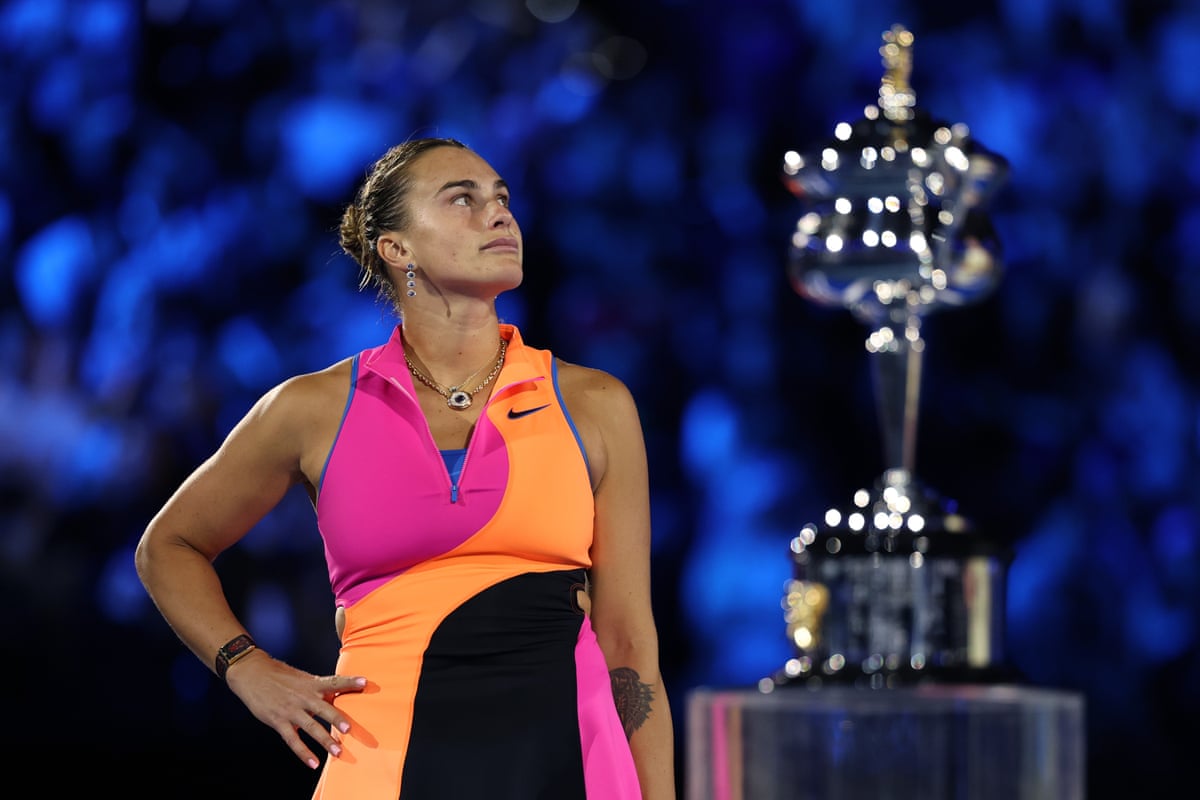
What makes this downturn particularly puzzling is the absence of obvious external factors. Sabalenka has remained healthy throughout 2026 and has not publicly disclosed any significant personal difficulties away from the court. The decline appears rooted entirely in mental resilience and competitive form.
What does this mean for her world ranking?
Sabalenka's fourth-round exit in Cincinnati has brought Rybakina within striking distance of the top ranking. As of Thursday, the gap had narrowed to 434 points, with Rybakina having won the Australian Open and WTA Finals while reaching the Toronto final. The trajectory is clear: if Sabalenka's form does not improve, the ranking will change hands.

However, the US Open presents a critical opportunity. Sabalenka is the defending champion and will have 2,000 ranking points to protect at Flushing Meadows, which begins on August 30. Rybakina, by contrast, reached only the fourth round last year. For Sabalenka to retain her ranking, she would need to win the title while Rybakina experiences significant setbacks—a scenario that remains possible but increasingly uncertain given current form trajectories.
What is Sabalenka's mental state heading into the final stretch?
Before her Cincinnati loss, Sabalenka attempted to project optimism when addressing her recent struggles.
I feel like time flies faster and faster the older I get. It's crazy. I would say that I'm super-happy with the beginning of the season. Then I went a bit down the hill, but I feel like I'm building myself back and I feel like I had a lot of great matches, a lot of great wins, a lot of tough lessons, but it's also my journey and I only get better from that.
Her words suggest awareness of the problem, yet the Cincinnati performance revealed that intellectual recognition of difficulties does not automatically translate into on-court solutions. Throughout her career, Sabalenka has battled mental demons, though historically these struggles have been confined to the highest-pressure environments—grand slam finals and semi-finals. The current phase is different: she is losing composure in regular tour events against players ranked far below her.
Earlier in the summer, Sabalenka discussed her emotional challenges and on-court intensity, addressing the controversies surrounding her conduct and personal growth. That conversation took place before the most recent deterioration, suggesting the issues run deeper than she may have anticipated.
What does this period reveal about sustained dominance in tennis?
Sabalenka's struggles serve as a reminder of how rare sustained excellence truly is in professional tennis. The achievements of all-time greats—Serena Williams, Novak Djokovic, Roger Federer and Rafael Nadal—created an illusion that dominance at the top is sustainable. In reality, these players are historical outliers. Most champions, no matter how talented, eventually encounter periods where mental or physical limits become apparent, and the intensity that once came naturally becomes elusive.
The modern game compounds these challenges. The depth of the WTA tour means that quality opponents are omnipresent, and a vulnerable top player will face relentless pressure from rising competitors. There are few opportunities to regroup during the season; the calendar offers little mercy. When form falters, the machinery of professional tennis continues grinding forward, offering few chances for recovery until the season concludes.
What happens next?
The US Open begins on August 30, and Sabalenka has already begun her preparation. According to reports, she was scheduled to compete in mixed doubles with Novak Djokovic in the week before singles competition commenced. Her performance in New York will largely determine whether she can arrest the slide and retain her ranking, or whether Rybakina will ascend to world No. 1.
How Sabalenka responds to this difficult period will reveal much about her character and resilience. Great players are defined not merely by their peaks but by their ability to navigate valleys. The coming weeks will determine whether she possesses the mental fortitude to rebuild, or whether this represents the beginning of a longer decline.
Key Facts
- Sabalenka lost to Sara Bejlek 7-6 (7), 6-4 in Cincinnati after leading 5-1 in the tie-break and 4-1 in the second set
- Since April, her record is 17-7 with only one semi-final and zero finals in seven tournaments
- Elena Rybakina has closed to within 434 ranking points, with the Australian Open and WTA Finals titles already secured
- Sabalenka is the defending US Open champion and will defend 2,000 ranking points at Flushing Meadows beginning August 30
- She has won 50 WTA 1000 titles while ranked world No. 1, joining only Serena Williams and Iga Swiatek in that achievement