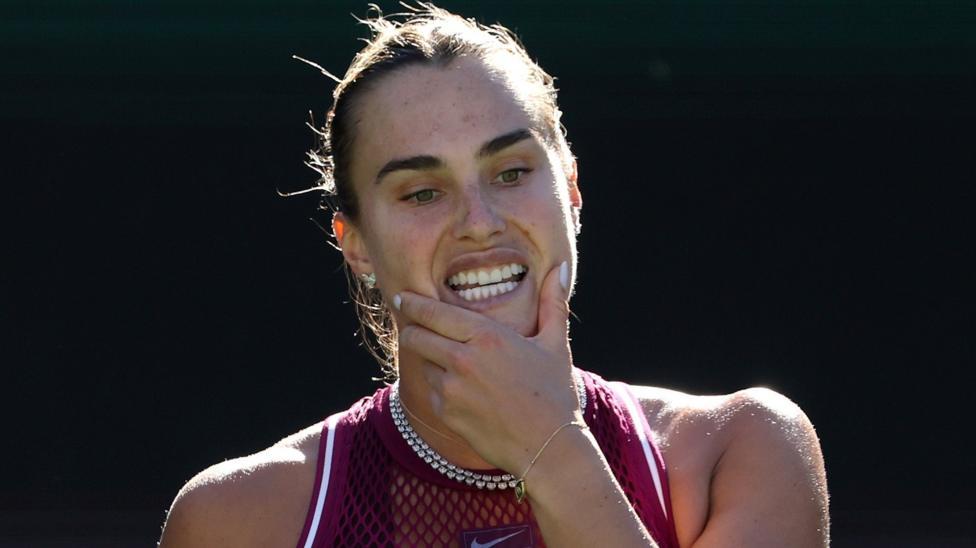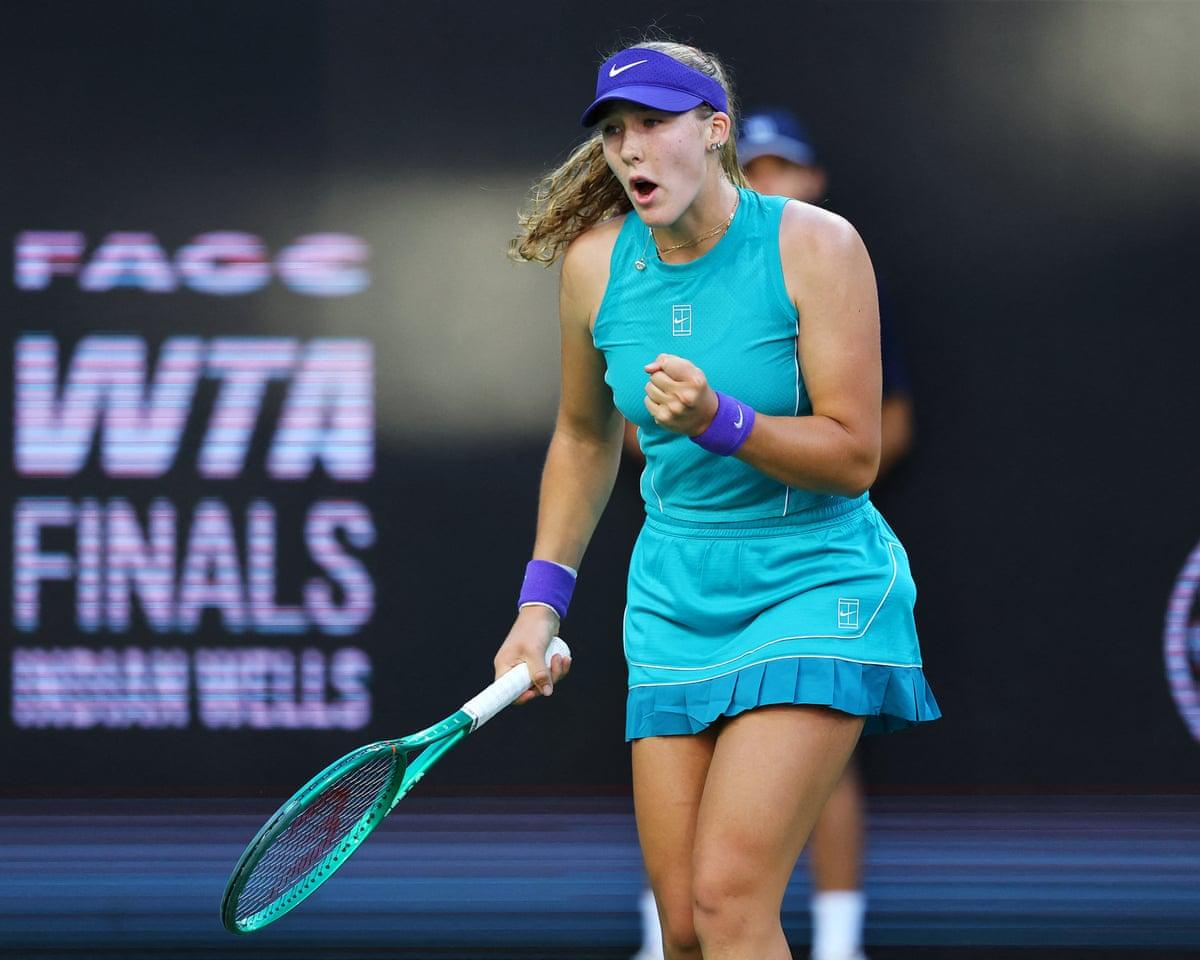
Mirra Andreeva, one of women's tennis's most promising young talents, delivered a commanding performance in her opening match at this year's WTA Finals, defeating Elina Svitolina 6-4, 6-0. Following her dominant 70-minute display, the 19-year-old Russian approached the broadcast cameras for a post-match interview alongside Madison Keys, the 2025 Australian Open champion and guest reporter for Sky Sports. Keys greeted her with a knowing smile: "Hey, diva!" — a playful jab that instantly resonated with tennis fans watching online.
The quip referenced a controversy that had erupted days earlier when Jessica Pegula, typically regarded as one of the tour's most gracious competitors, was captured on a hot microphone delivering blunt criticism of Andreeva during a private coaching conversation. Pegula, fresh from a practice session with an emotionally volatile Andreeva, characterised her rival as a "diva" requiring to be "humbled." The remarks spread rapidly across social media platforms. According to The Guardian, the incident quickly transformed from a potential crisis into a demonstration of women's tennis's capacity for drama and humour. Pegula apologised to Andreeva, and when the Russian later shared a photograph of herself and Pegula from the pre-tournament photoshoot on Instagram, she captioned it with a winking reference: "DIVAS".
Andreeva's victory showcased her technical mastery and mental resilience. According to Tennis Majors, she saved all six break points Svitolina created and won the final seven consecutive games, extending her head-to-head record against the Ukrainian to 2-1. The performance underscored why Andreeva has emerged as one of the sport's most compelling figures despite her youth and occasional on-court intensity.
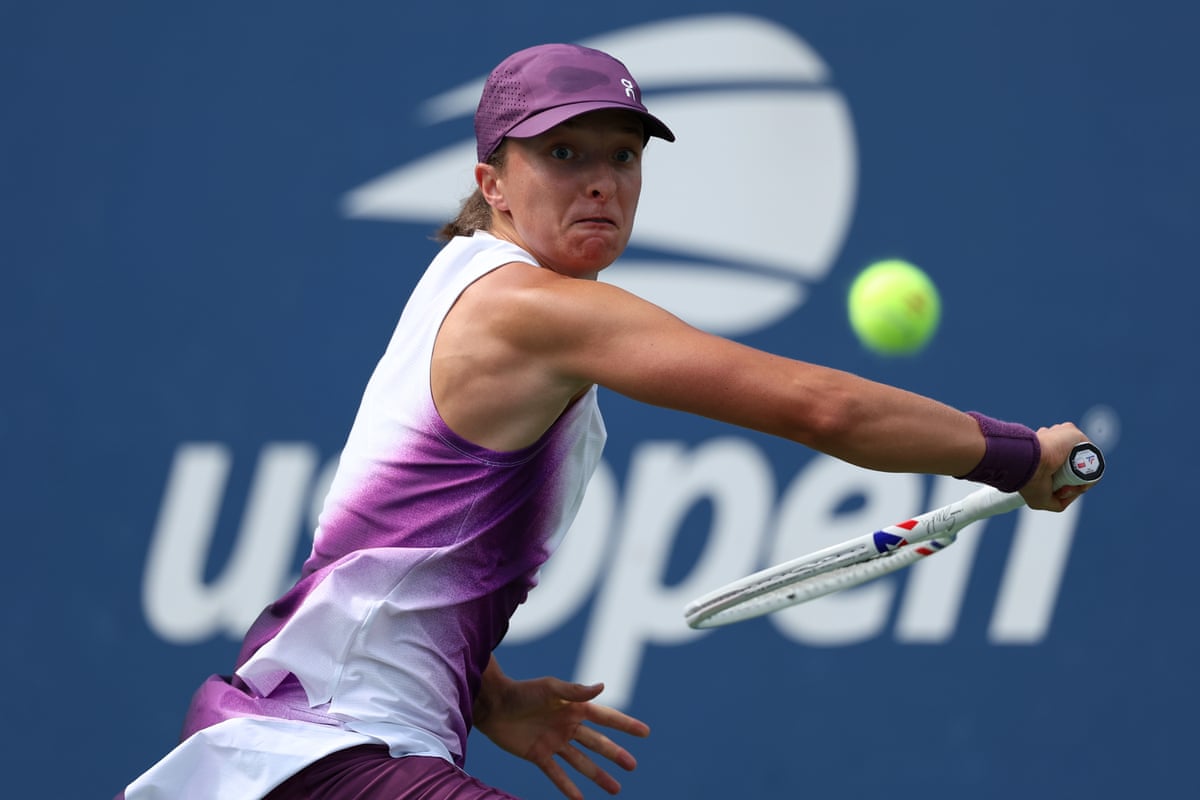
The broader context reveals a sport experiencing one of its strongest periods in recent memory. The depth of talent at the top tier is so pronounced that all ten players currently ranked in the top ten hold either a Grand Slam title or a WTA 1000 crown. This concentration of excellence has created an unusual situation: six-time Grand Slam champion Iga Swiatek, who finished the season ranked No 9, has been excluded from the WTA Finals for the first time since 2019, an event that pits the world's top eight players against each other.
Women's tennis has long distinguished itself through the authenticity of its competitors. Unlike the ATP, the WTA frequently captures the genuine tensions that emerge when elite, single-minded athletes must compete fiercely while sharing training facilities and travelling together globally. The sport encompasses numerous displays of sportsmanship alongside countless on-court confrontations, perfunctory handshakes, and pointed media appearances. Many followers of women's tennis value these rivalries and the compelling narratives they generate, making the WTA particularly well-suited to the social media landscape.
Yet the tour faces a persistent challenge: converting its considerable strengths into sustainable commercial success at a moment when women's sports are experiencing unprecedented growth. The question remains whether the WTA can maintain its position as the world's leading women's sport while building a financially robust business model.
How did financial pressures reshape the Finals?
The WTA's pursuit of lucrative partnerships with authoritarian regimes, particularly in China and Saudi Arabia, yielded disappointing results. When the Finals relocated to Shenzhen under a long-term agreement, the Covid-19 pandemic disrupted operations. Subsequently, allegations of sexual coercion against former Chinese vice-premier Zhang Gaoli by Peng Shuai, then the WTA's top-ranked player, prompted her disappearance from public view. The WTA responded by declaring it would not return to China until it could directly contact Peng and verify her safety. Though the tour eventually resumed events in China, Shenzhen withdrew from hosting the Finals, creating severe financial damage.
This setback forced the WTA into a difficult position. The organisation sold 20 percent of WTA Ventures, its business division, to private equity firm CVC Capital Partners in perpetuity for $150 million (£125 million). The tour now operates at a loss with minimal financial reserves. A three-year agreement with Saudi Arabia beginning in 2024 provided temporary relief, but Saudi organisers declined to extend the arrangement beyond its initial term. With regional conflicts intensifying in 2026, the WTA accelerated its departure from Saudi Arabia by one year and sought alternative venues.
Why is Indian Wells only a temporary home?
The WTA Finals will occupy Indian Wells for a single season before relocating to Charlotte, North Carolina in 2027, marking a strategic pivot under current chair Valerie Camillo. The tour has explicitly committed to rebuilding its flagship event within the United States, where an established tennis audience and substantial financial prospects exist. Critically, the WTA has assumed direct operational control of the Finals rather than outsourcing management to host cities, a structural change designed to ensure consistency and financial accountability.
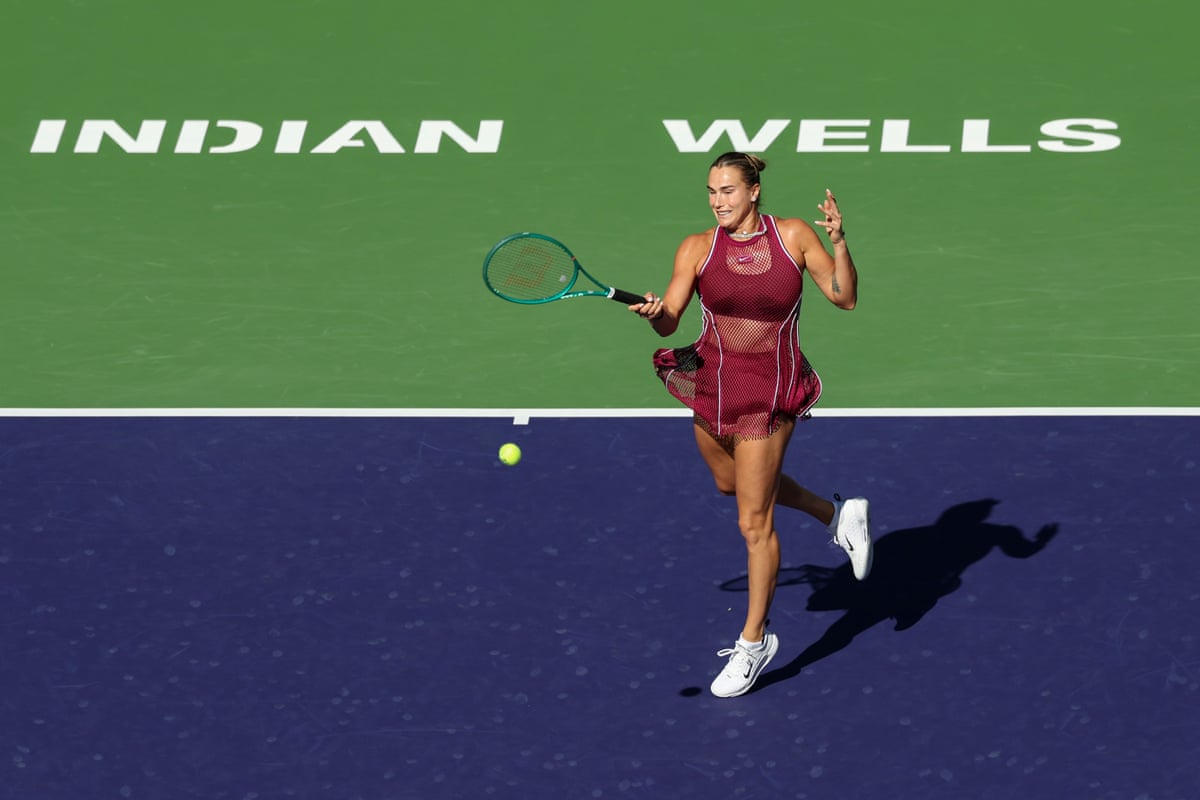
The return to Indian Wells, one of the tour's most impressive venues nestled in California's desert landscape, has proceeded without significant complications thus far. The 8,000-capacity Stadium 2 has attracted robust attendance, with the New York Times reporting that the tournament opened to a sellout crowd. However, the field's competitive depth faces uncertainty. World No 1 and defending champion Elena Rybakina withdrew due to a viral illness, with Marta Kostyuk taking her place in the draw. Many players across both tours appear fatigued at the season's conclusion, which may affect the tournament's intensity as it progresses.
Despite these challenges, the 2026 season has delivered compelling tennis. Three exceptional Grand Slam finals have provided memorable spectacles, and the current Finals represents a worthy culmination to a strong year. The combination of genuine athletic excellence, unfiltered player personalities, and the unexpected drama surrounding Andreeva and Pegula has created an event that captures what makes women's tennis distinctive in the contemporary sports landscape.
What lies ahead in the tournament?
Andreeva will face Aryna Sabalenka in her next group match. According to Sky Sports, Sabalenka opened her campaign with a 7-6 (7-2), 7-5 victory over Karolina Muchova. Andreeva will also compete against Muchova in her remaining group-stage match. Round-robin play continues through November 13, with semifinals scheduled for November 14 and the championship final for November 15.