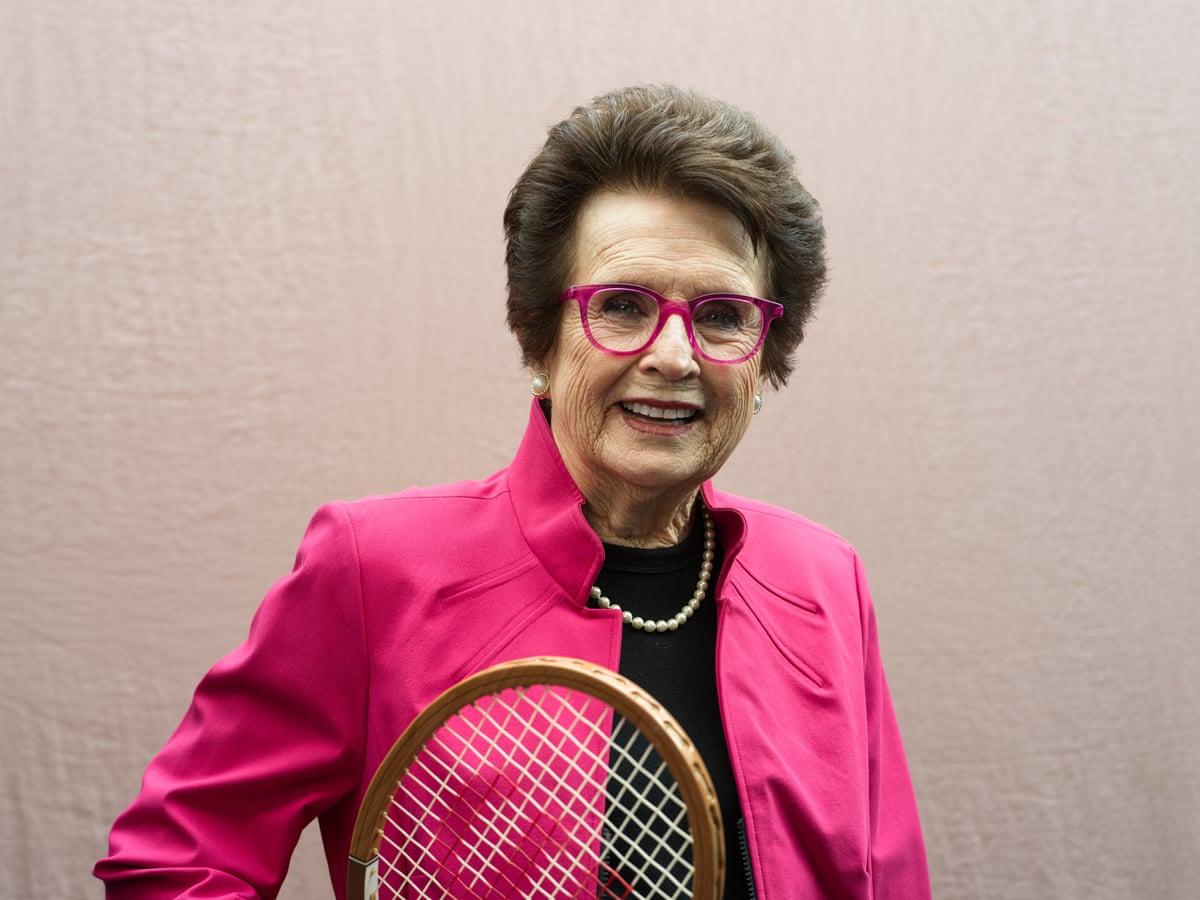
Billie Jean King, the tennis champion who transformed women's sport through her fight for equal prize money, has completed her history degree at 82—more than six decades after she left college to pursue her playing career. According to The Guardian, King discussed her journey to finally graduating, her decision to come out publicly in 1981, and her enduring competitive drive in a recent interview.
King earned her Bachelor of Arts in history from Cal State LA on May 18, 2026, after returning to the university in spring 2025 to complete her remaining credits remotely. She also addressed the graduating class that day. King had initially enrolled at what was then Los Angeles State College in 1961 but departed three years later to focus on her tennis career. When she attempted to return to her studies decades later, she discovered she was only one year short of completing her degree—a fact she had not realised, having mistakenly believed she had finished two years of college.
How did King become the world's top player?
King's introduction to tennis came at age 11 in Long Beach, California, when her fifth-grade classmate Susan Williams posed a simple question: "Do you want to play tennis?" King's response was equally straightforward: "What's tennis?" Williams explained that the sport involved running, jumping and hitting a ball—three activities King loved. Her parents, unusually progressive for the era, encouraged her athletic ambitions as enthusiastically as they supported her brother, who became a major league baseball pitcher.
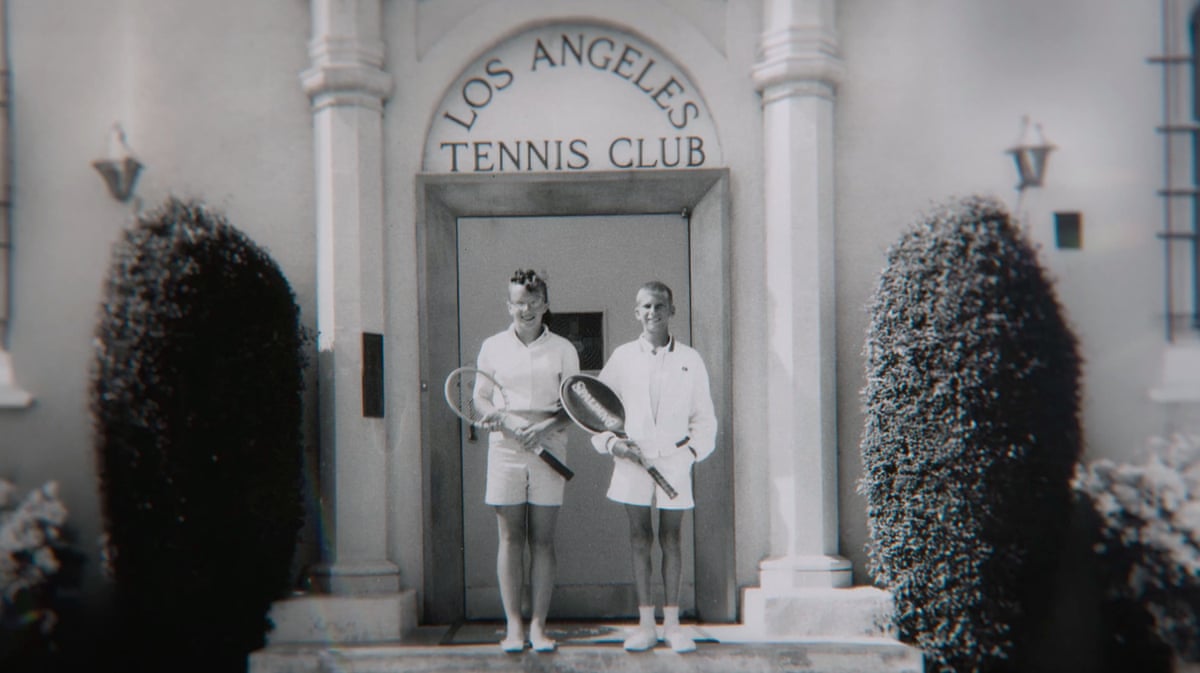
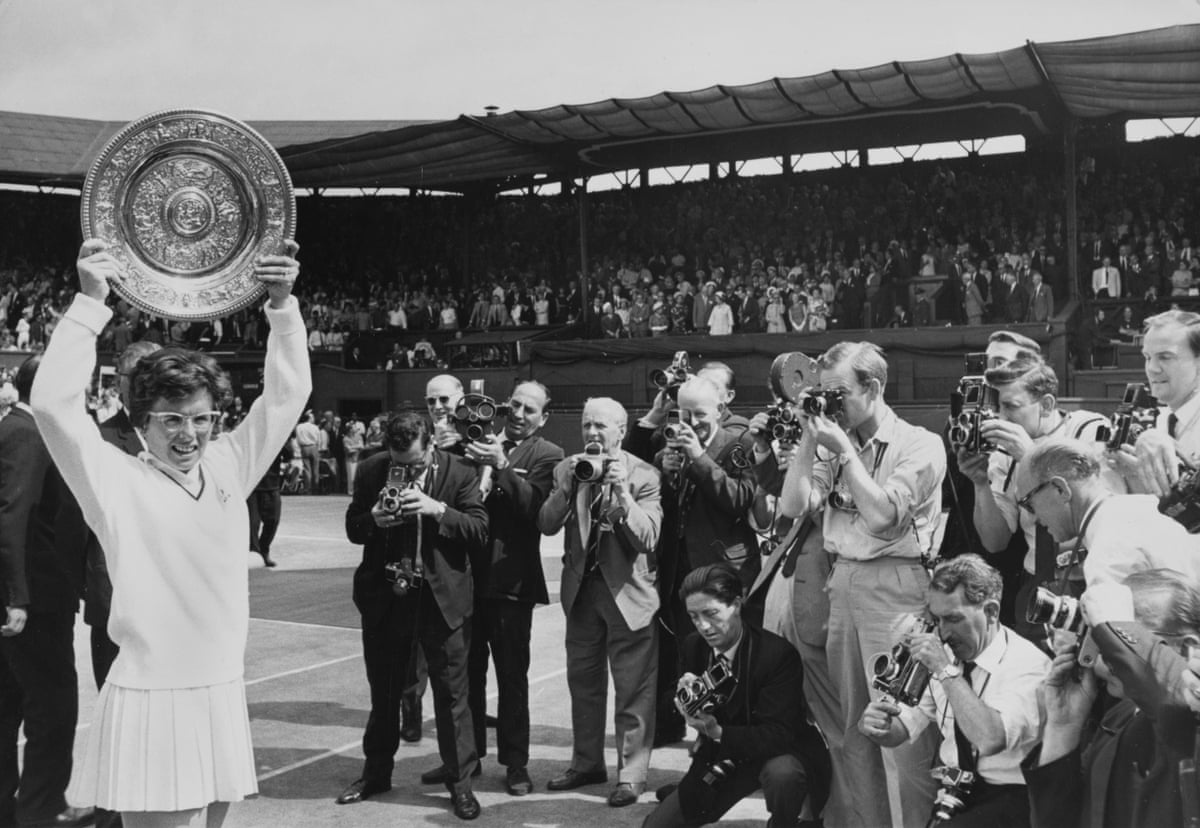
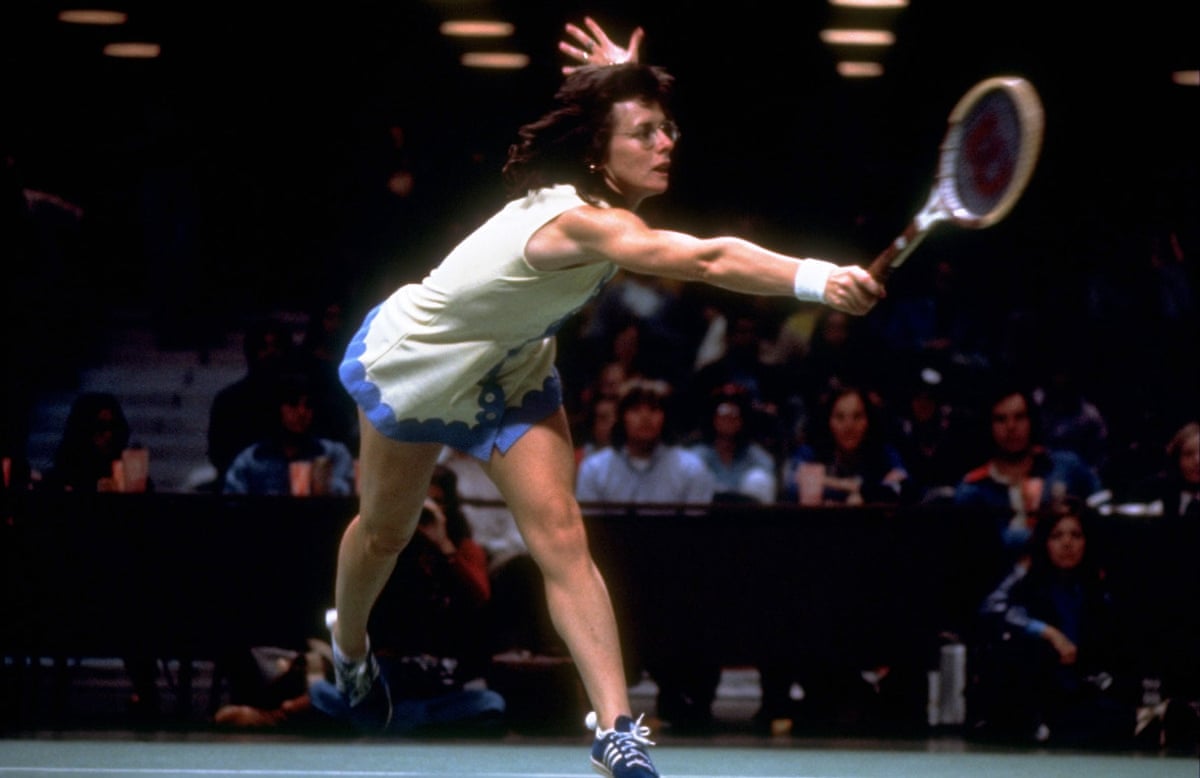
The moment she tried tennis, King was captivated. She soon declared to her parents that she would become the world's No 1 player—a prediction that came true. Across her career, King accumulated 39 grand slam titles: 12 in singles, 16 in doubles and 11 in mixed doubles. She won Wimbledon 20 times, a record matched only by Martina Navratilova. Beyond her on-court achievements, King spearheaded the movement to secure equal prize money for men and women in professional tennis.
What was the "Original 9" and why did it matter?
In 1970, driven largely by King, nine female tennis players founded the first major women's professional tennis tour. They famously signed symbolic $1 contracts with World Tennis publisher Gladys Heldman to protest the stark gender inequality in prize money. This act of defiance launched what became known as the "Original 9" movement, fundamentally reshaping women's professional tennis and opening doors for generations of female athletes.
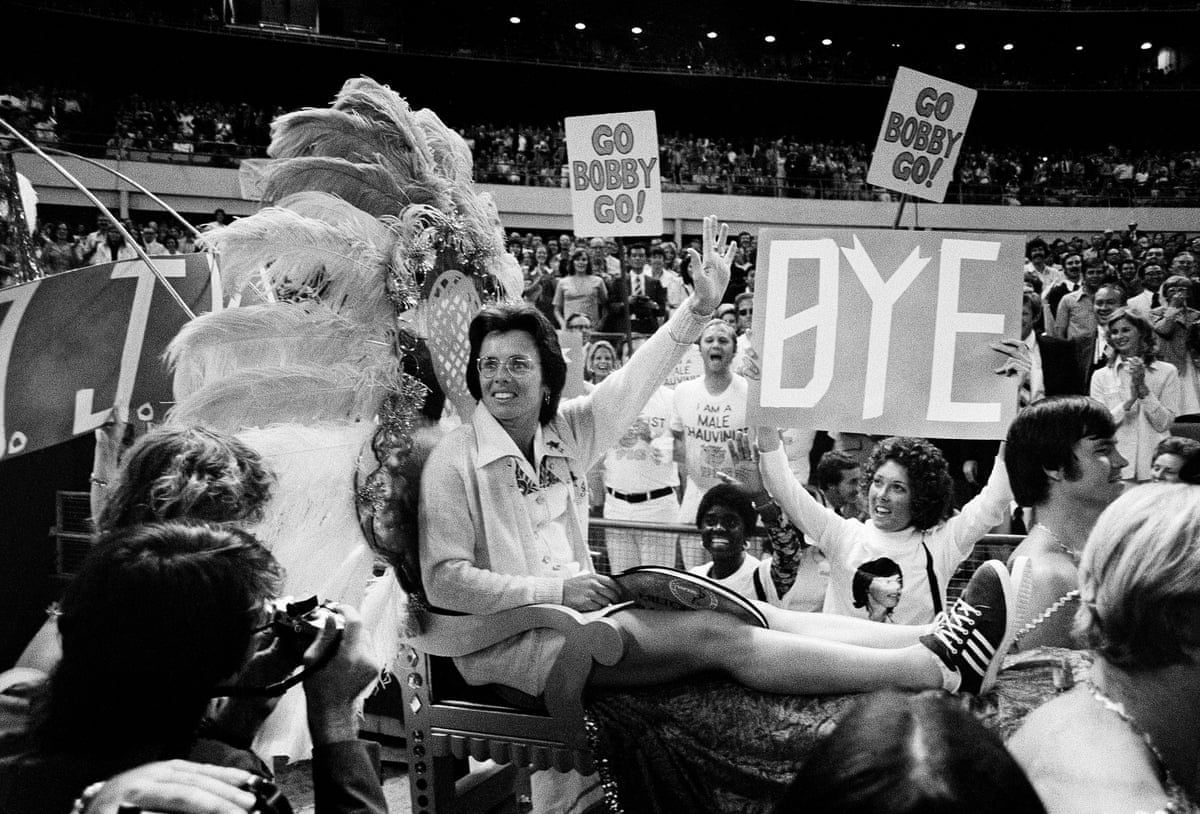
The pivotal moment came in 1973, when King defeated self-identifying "male chauvinist pig" Bobby Riggs in the historic Battle of the Sexes exhibition match. King has described that year as "the pivotal year in women's tennis," though she was emotionally turbulent at the time. Her internal struggle with her sexuality—she now identifies as a lesbian—was intensifying, and her marriage to lawyer and sports promoter Larry King was deteriorating under the strain.
How did King come to terms with her sexuality?
For much of her life, King concealed her attraction to women. Prior to meeting Larry King at university, she had kissed one woman but had not seriously considered the possibility of being attracted to women. She loved Larry deeply, and that affection complicated her self-understanding for decades.
"If I hadn't loved him, it would have been different. But he was so cute, man,"she reflected in her interview.
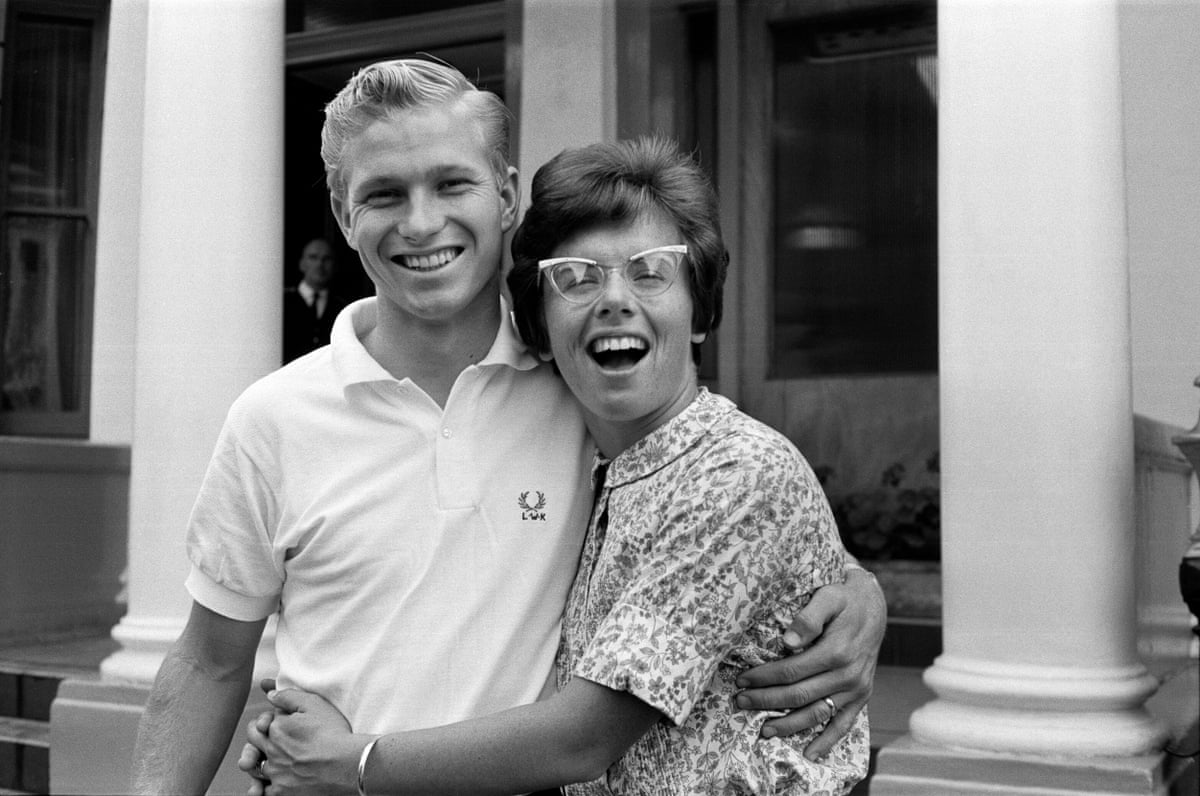
King's public outing came in 1981, after her secret relationship with Los Angeles hairdresser Marilyn Barnett ended. Barnett threatened to make public the love letters King had written to her unless King agreed to share her property and earnings. Barnett and her legal team believed King would pay to keep the relationship hidden, given how damaging such a revelation could be to her career and the fledgling women's tennis tour. King had remained silent about her sexuality partly because she feared that sponsors would withdraw support from women's tennis if it became associated with gay people.
"So what do you think I'm going to do? I'm not going to say anything. I want the tour for everyone. This is when it's not about yourself sometimes – it's about the future of the sport."
When the legal threats escalated, King reached a breaking point.
"This has just gone on too long,"she remembered thinking.
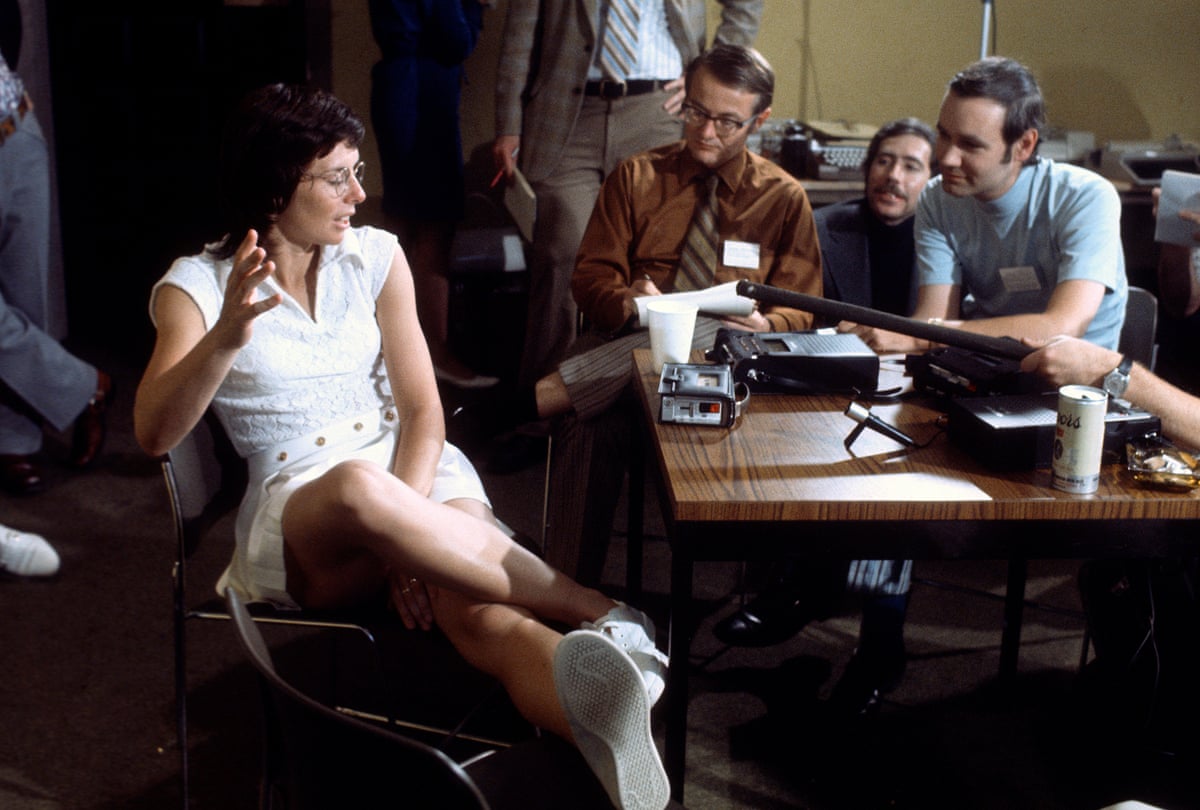
"I'm going to tell the truth. Screw this."After confirming the nature of her relationship with Barnett at a 1981 press conference, she
"lost every endorsement overnight."But the lies were finally over.
What role did her parents play in her courage?
King credits her parents with instilling in her the principle of authenticity, teaching her "to thine own self be true." This is deeply ironic, she acknowledges, given that they were "so homophobic." It took her parents their entire lifetimes to accept their daughter's sexuality. Even at her mother's death in 2014, King suspects her mother believed deep down that she should have remained married to Larry.
King's father was a firefighter and her mother a housewife. King describes herself as "the goody-two-shoes of the family"—an identity she has maintained into adulthood. She dislikes lying, does not drink, and when the first women's tennis tour was sponsored by cigarette brand Virginia Slims, she never smoked. For much of her early life she was a Christian, though she now considers herself spiritual and continues to pray. She has grown to dislike organised religion, believing that in many cases women are still treated "as second-class citizens."
How did King influence the next generation of tennis players?
After retiring from professional singles tennis in 1983, King gave back to the sport by instructing young players. In 1988, she taught at a tennis clinic attended by a young Serena and Venus Williams. Even at age six, Serena's serve impressed King deeply.
"I told her: 'Don't let anyone change a thing.'"
Serena Williams later reflected on the impact of that clinic, appearing in the documentary Give Me the Ball! to discuss how formative the experience was. King had been filmed by a local newspaper at the time but had never seen the footage until the documentary was made. When reviewing the videos, one of her first observations concerned her own weight at that period, which she says had increased due to medication she was taking for heart issues.
How has King addressed her personal health struggles?
King has been open about her struggles with binge-eating disorder, which she believes stemmed from her discomfort with her sexuality. In recent years, she has begun using small doses of a GLP-1 weight loss medication to help manage intrusive thoughts around eating.
"I think it's OK to worry about your health and your body,"King says. However, she is critical of the culture's obsession with body image.
"Women have always been taught we're supposed to look a certain way,"she observes,
"when most of the time we're just great the way we are. Same with the men."
What is King's relationship with Ilana Kloss?
King married Ilana Kloss, a decorated former tennis player, in a low-key ceremony in 2018. The couple had been together for more than four decades before marrying.
"I knew she was my life life life partner,"King said in the documentary. However, King was still married to Larry King at the time she began her relationship with Kloss; she had first asked Larry for a divorce in 1969, but he did not agree until 1987. Larry King apologised before his death earlier in 2026, and King says
"We had good closure."
Though neither King nor Kloss wanted a large wedding—they declined Elton John's offer to perform—King felt it was important to marry. The decision was partly practical, to ensure Kloss would inherit everything after King's death, but also symbolic.
"I also worried that the rights would be taken away, and they still could be,"King says, pointing to the overturning of Roe v Wade in 2022.
"We can lose it overnight."Marriage felt like a way to honour "the people that came before us," who fought to legalise same-sex marriage.
What is King's stance on contemporary social issues?
King has long been vocal in her support for minority groups, from people of colour to the transgender community, whom she says "have it really rough right now." Though she believes that including trans people in elite sports "is not an easy fix," she hopes a workable path forward can be found.
"I want them to be OK, and I want people to just let them be,"she says.
Her support for LGBTQ+ rights has made some fans question her openness to tennis's engagement with Saudi Arabia, a country where same-sex sexual activity is punishable by death. When the Women's Tennis Association hosted its Finals event in Riyadh in 2024, King stated that she believed engagement was necessary for change.
"I don't think you really change unless you engage."However, she now acknowledges the complexity of that position.
"I also think that was a difficult one,"she tells the interviewer.
"I don't know what I would have done if I'd been in charge."
What does King say about her education and future plans?
King's return to education was driven by her appetite for learning. Her coursework included LGBT political history, historiography, and gender and historical research and writing, subjects that aligned with her lifelong commitment to social justice. She thrives under pressure and is determined to continue making her mark on the world.
As she approaches 83, King expresses frustration about time slipping away.
"I'm running out of time, which is really getting me upset. I have so much I want to do before I'm out of here."Her only significant regret, she says, is that she and Ilana did not have children together.
"I wish we did,"but
"it was too tough around the 80s"for two women to have a child together. Instead, the couple has found ways to support the next generation through the nonprofits King has founded—the Women's Sports Foundation and the Billie Jean King Foundation—and through their relationships with nieces, nephews, and Larry's children from his second marriage, whom they serve as godparents.
What advice does King offer to young people?
King's biggest piece of advice for young people figuring out their path in life is straightforward:
"Know what you like,"and then pursue it
"every day for the rest of your life."This philosophy traces back to that pivotal moment in fifth grade when Susan Williams introduced her to tennis. King and Williams remain in touch, and King regularly reminds her friend of the profound impact she made.
"Every time I see her, I go: 'It's all your fault.'"
King's daily practice includes creating a gratitude list in her head, identifying people who have contributed to her fulfilling life. On any given day, that list includes her nephew, her wife Ilana Kloss, and Susan Williams—the woman who asked a curious 11-year-old girl if she wanted to play tennis, setting in motion a legacy that would reshape women's sports forever.
When will the documentary premiere?
Give Me the Ball! is scheduled to premiere on ESPN and the ESPN App on November 22, 2026, at 8:30 p.m. ET, with an awards-qualifying theatrical release also planned for November. The documentary tells the story of the Original 9 and King's transformative impact on women's tennis, drawing on archival footage and contemporary interviews to chronicle her remarkable life both on and off the court.