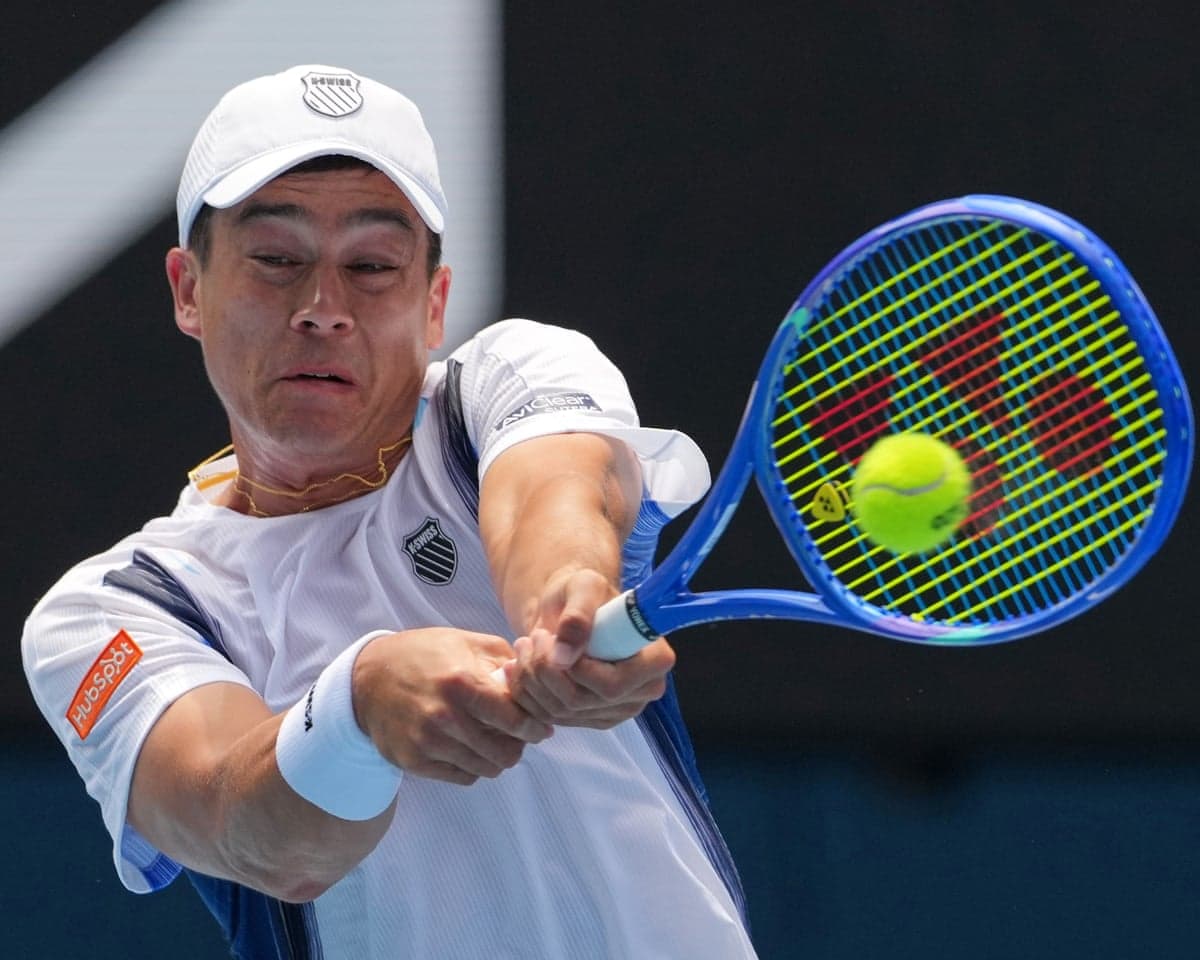
American tennis veteran Mackenzie McDonald argues that the ongoing campaign by players for greater prize money and welfare support from the four grand slam tournaments could determine whether competitors can afford basic living expenses or build genuine financial security.
After spending a decade competing on the ATP Tour, the 31-year-old is not claiming financial hardship himself, but draws on direct experience to illustrate how professional tennis can force athletes into precarious circumstances, where physical and mental wellbeing frequently suffer because players feel compelled to return to competition prematurely.
Speaking at length during the Cincinnati Open, where he exited in the first qualifying round, McDonald repeatedly emphasised that numerous peers preparing for the US Open will take the court while nursing significant injuries, driven solely by the financial necessity of earning a tournament cheque.
With first-round losers in the men's and women's singles now receiving a record $140,000, few would fault their decision, yet in a sport with more equitable financial distribution and robust welfare systems, such sacrifices might prove unnecessary.
Despite generating combined annual revenues exceeding $2 billion, the four grand slams have historically declined to provide formal funding for player welfare or pension schemes. However, the USTA recently signalled potential change by pledging $2 million toward a new player support initiative. According to the US Open's official announcement, this represents the first Grand Slam player support program, with funds held in escrow while final details are completed.
I know a good handful of players right now that are seriously hurt. But I know they're going to show up to the US Open and get on court to make sure they can make some money because they've got bills to pay. They want to get an apartment and they want to pay their team – a coach, physio, trainer.
The grand slams are the engine that enables them to make a living, and they have to capitalise on that. It's the difference between putting food on the table and making a living. That's what's at stake for some people.
Much of the public advocacy for raising grand slam prize allocations to 22 percent of revenues—up from the current approximately 15 percent—has originated from elite players whose prominence attracts media attention. McDonald, however, articulates a more compelling argument rooted in the financial realities facing the broader professional circuit.
Despite career earnings exceeding $7 million, McDonald has faced financial strain at various points, and he underscores that seemingly substantial income figures obscure the reality that all competitors must cover their own travel, coaching fees, and the expenses of their often-extensive support teams.
Things have shifted, but at the lower level the money has always been pretty insignificant. I'd say if you're ranked 250 in the world right now you're making about $200,000. I know for a fact that only 88 players last year made a million dollars. But that's before taxes and all your costs, which are very significant.
Many players go straight from college, where everything is paid for, into professional tennis where you're booking your own flights and often paying for premium flights at the end of the week. I became a master of travel cheat codes, but you also have to pay for your performance team, whether that's a strength and conditioning coach, a physio, psychologist or your main coach. Plus their travel.
As players I think we're an undervalued asset for how much screen time we provide for broadcasters, and how much betting income we generate for gambling operators.
McDonald remains eligible to compete at Flushing Meadows should he advance through qualifying, yet his career has also exposed him to tennis's most punishing realities. Comprehensive medical insurance currently extends only to the world's top 150 players, though the ATP provides more limited coverage to the next 100 ranked competitors.

After breaking into the top 50 for the first time in 2019, McDonald lost most of that season following a serious hamstring injury sustained at the French Open. His recovery was subsequently disrupted by the Covid-19 pandemic the following year.
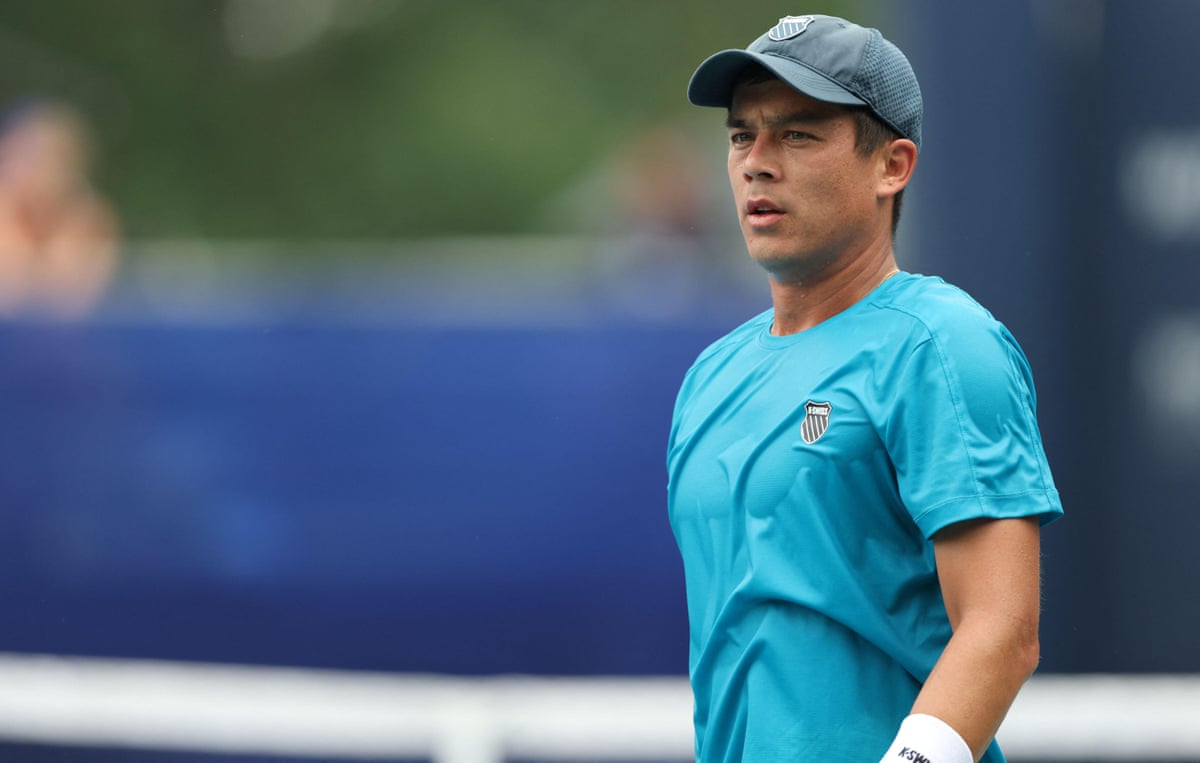
The tough part about tennis is that when you get hurt you're not making any money and your world ranking also goes down, which limits your ability to compete in the future. You can't just get back on the wheel.
I went from being young and hungry to sitting in my apartment not being able to walk, and trying to pick up the pieces to get a pay cheque again. I was lucky that it was 2019 and the medics had the knowledge of how to fix the injury.
I think being able to adapt to how you're doing is a skill in itself. You could have a really good year and make say seven figures, but then you get injured and you're not earning anything.
If you saw the shit we deal with on a daily basis it's pretty comical. This year I've lost my bag multiple times and had to fly around the world with no possessions. If you get off the hamster wheel you're not making money. When you're on the hamster wheel you've got to keep going. It's pretty brutal.
How the dispute has evolved
The dispute over grand slam compensation intensified earlier in 2026 when top players including Novak Djokovic and Aryna Sabalenka criticised French Open prize money, demanding better pay and welfare provisions. In July, the French Open became the first grand slam to offer players a revenue share, intensifying pressure on other tournaments to follow suit.
The USTA's commitment to establishing a player support programme as part of the 2026 tournament's $108 million prize fund represents a watershed moment. According to the US Open's official statement, this constitutes the largest player compensation package in tennis history, with singles champions earning $5.5 million and first-round losers receiving $140,000. This development prompted players to abandon plans to stage protests that had overshadowed the start of the French Open, though the underlying dispute remains unresolved.
Players' representatives continue demanding that all four grand slams implement similar welfare commitments and adopt a fixed revenue-share framework. According to reporting on the negotiations, the players' group has been seeking 22 percent of Grand Slam revenues for prize money by 2030, up from the roughly 13 to 15 percent share they say is currently allocated.
What structural changes are being implemented
Beyond prize money increases, the grand slams have taken a significant step toward institutionalising player input. The four tournaments have announced the formation of a Grand Slam Player Advisory Council, which will provide players with a regular forum to discuss welfare, compensation, and other issues affecting the sport. This council represents an acknowledgment that sustainable solutions require ongoing dialogue rather than ad-hoc negotiations.
The USTA's new support programme is designed to complement existing end-of-career pension funds and will be available to all US Open main-draw singles and doubles competitors. However, the final rules governing the programme remain under development, with the $2 million in funding currently held in escrow pending completion of those details.
I would hope in the future that the money-making engines of tennis would help to contribute to player welfare. I think it's going that direction, but how fast it happens is a different question.
What happens next
The newly announced payouts and support measures will take effect immediately at the 2026 US Open main draw. The Grand Slam Player Advisory Council will continue discussions with each tournament individually on welfare and compensation matters, with the goal of achieving consistency across all four slams.
The Player Support Program's final operational rules are still being finalised, with the funds held in escrow pending completion of those details. Players and tournament organisers will need to reach agreement on eligibility criteria, distribution mechanisms, and how the programme complements existing pension and insurance arrangements.
Key Facts
- The 2026 US Open announced a record $108 million in total player compensation, a 20 percent year-on-year increase, with singles champions earning $5.5 million and first-round losers receiving $140,000.
- Players have been seeking 22 percent of Grand Slam revenues for prize money by 2030, up from the current 13 to 15 percent share.
- Only 88 players earned more than $1 million in the previous year, and players ranked around 250th globally earn approximately $200,000 before taxes and expenses.
- Comprehensive medical insurance currently extends only to the world's top 150 players, leaving lower-ranked competitors vulnerable when injured.
- All four grand slams will establish a joint Player Advisory Council to provide ongoing dialogue on welfare and compensation issues.