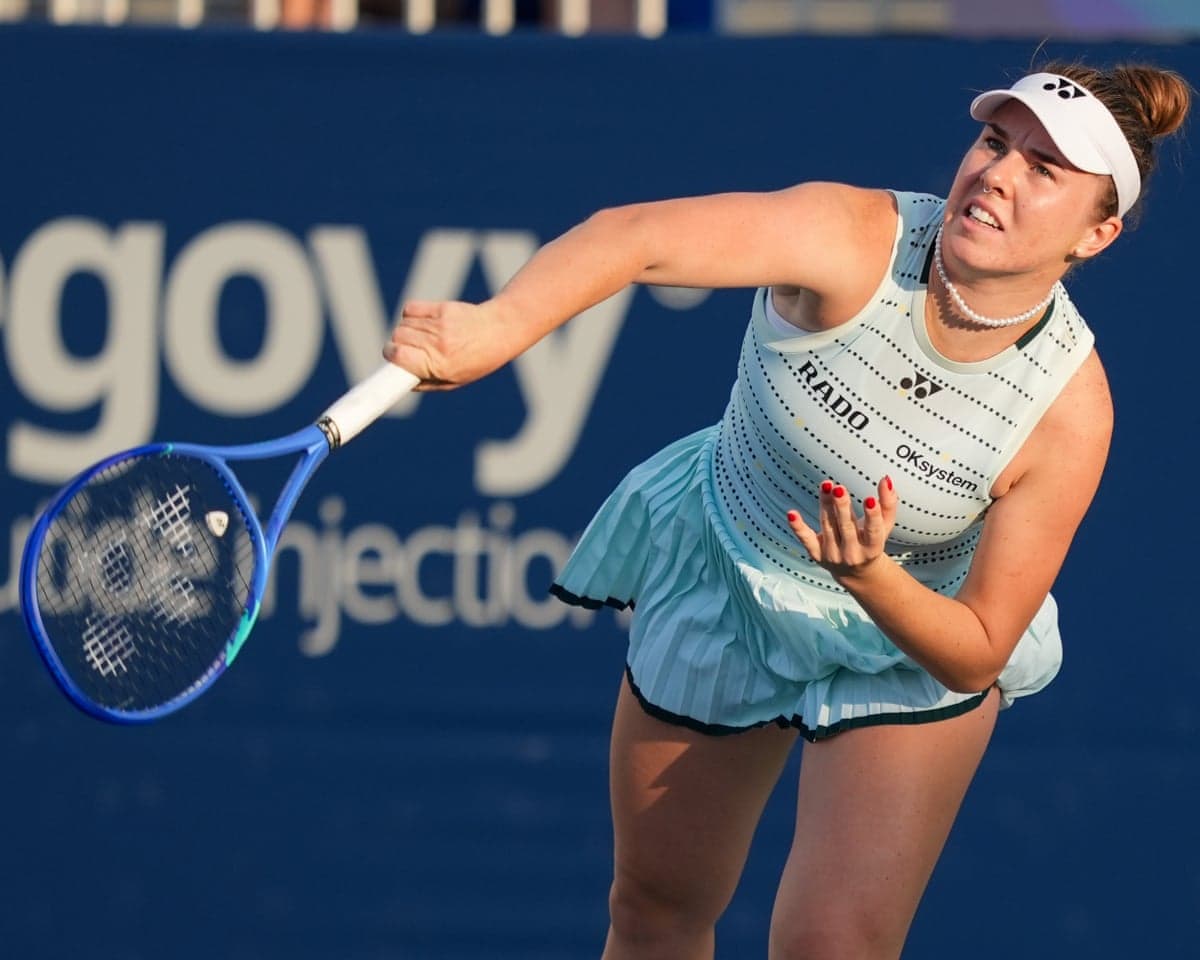
Linda Noskova has devoted nearly her entire existence to perfecting her craft on the tennis court. Before reaching her teenage years, she was already traversing Czechia, Europe and beyond in pursuit of tournament victories. Every major life choice has been subordinated to the demands of competitive tennis.
Those formative years equipped her to handle the pressure of capturing her maiden grand slam title, yet they left her fundamentally unprepared for what came next. The world did not pause when she achieved what she had spent her life pursuing. The relentless cycle of professional sport continued uninterrupted, and she found herself needing to rediscover her purpose within the game.
Once you feel like you have kind of achieved the dream that you have always been thinking about and dreaming about, it's very tough to switch and to act like it never happened basically and go for the same thing all over again, she reflects.
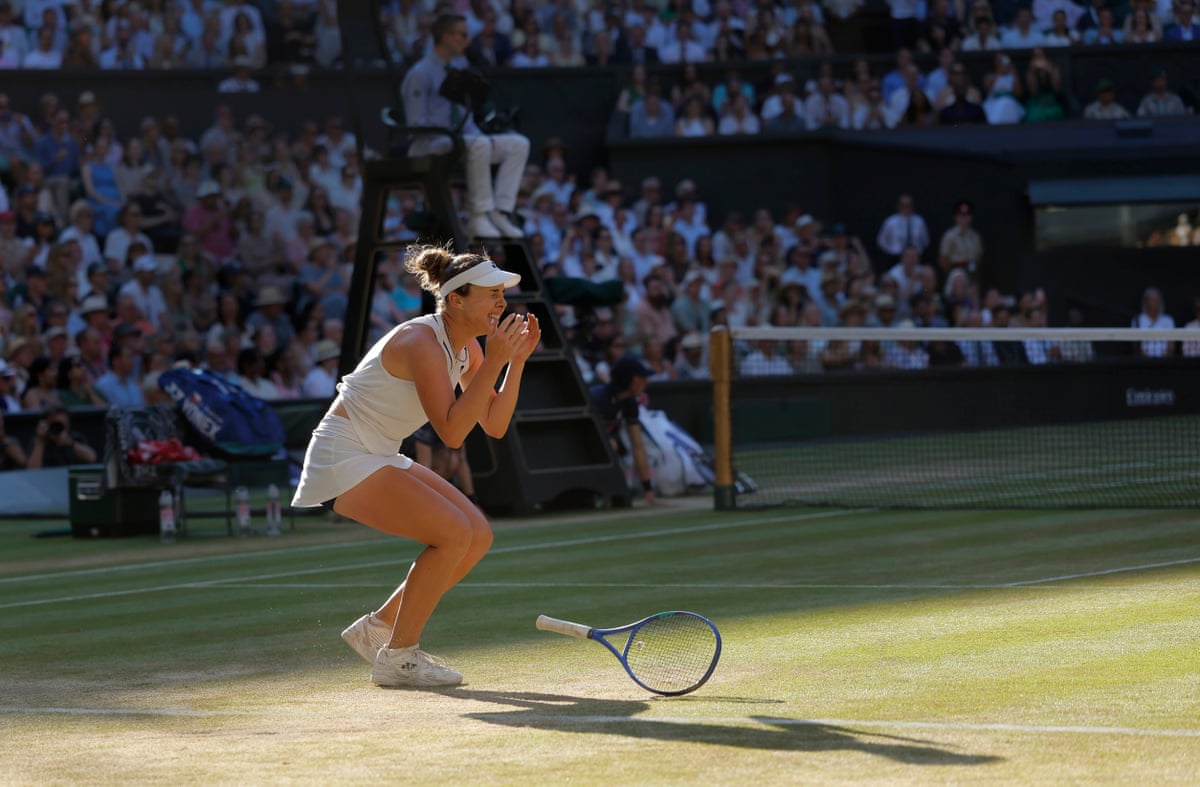
On 11 July 2026, Noskova claimed the Wimbledon women's singles title at just 21 years old in an all-Czech final against her elder compatriot Karolina Muchova, winning 6-2, 5-7, 6-3. According to the WTA, she became the youngest Wimbledon women's champion in 15 years. The victory came after a dramatic second-set collapse in which she squandered five match points before rallying to secure the title in a decisive third set.
Her triumph marked a historic moment for Czech tennis. According to reporting on the final, Noskova became the third Czech woman to win Wimbledon in four years, joining Markéta Vondroušová and Barbora Krejčíková among recent champions from her nation. Her semifinal victory over Marta Kostyuk, 6-4, 6-4, had set up the all-Czech showdown.
Adjusting to Life as a Grand Slam Champion
Six weeks after her triumph, Noskova is still processing the magnitude of what has transpired. Following her initial celebrations and the champions' dinner, she returned to Czechia for a homecoming that proved overwhelming.
You never know what really is waiting for you once you win a grand slam [title], your first one, so everything was new to me, she explains.
I was not prepared for any of those things. So whatever came, that was a big surprise.
The week at home was, in her words,
crazy and chaos. Having spent her formative years largely removed from public scrutiny, her return generated intense media and fan attention as she attempted to capitalise on her newfound prominence.
It was a lot of [different] experiences. All the new people or all the new opportunities that I had and all the new tasks that I had to do so it was a busy week.
After managing a brief respite in Italy, the demands of the professional circuit reasserted themselves. For every other competitor on tour, Wimbledon had already become yesterday's news. According to the WTA, Noskova returned to competition approximately three weeks after her Wimbledon victory, receiving a bye into the second round in Toronto.

Navigating the Post-Championship Slump
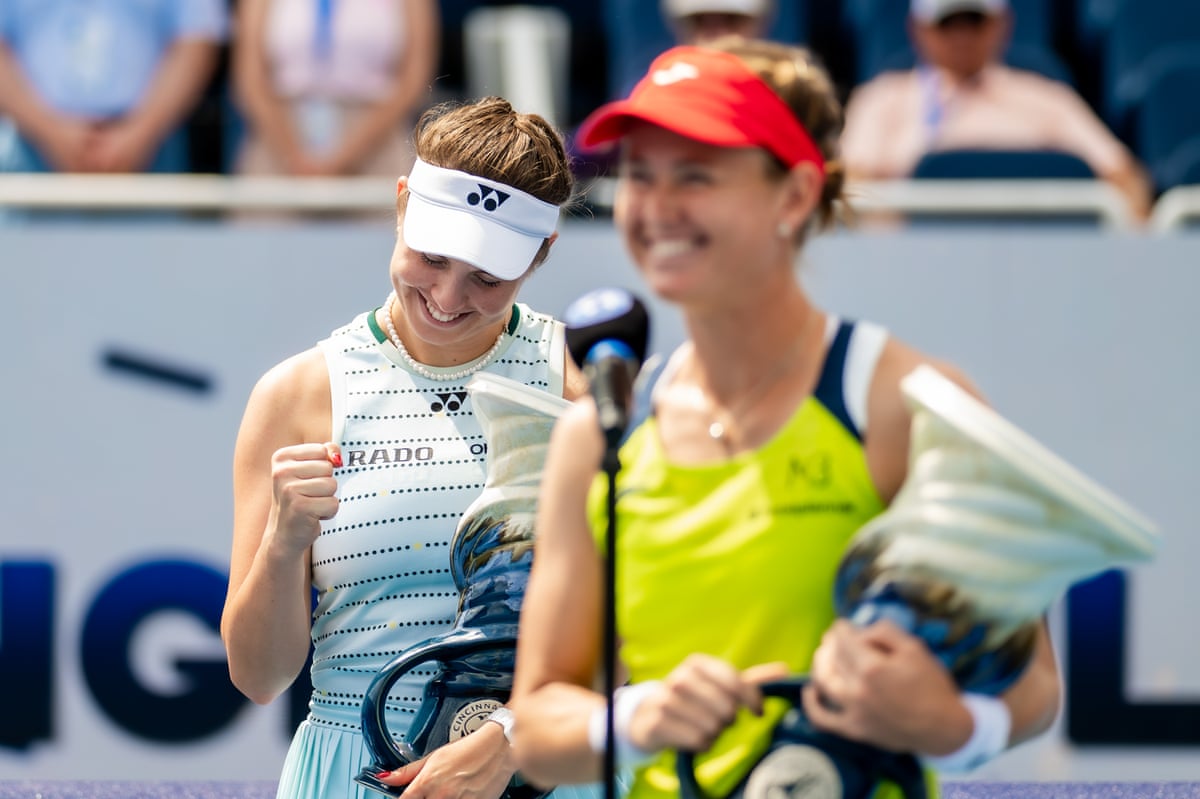
Her immediate return to singles competition proved challenging. She suffered a straight-sets defeat to Caty McNally, then ranked outside the top 70, in Toronto. Her performances improved in Cincinnati, where she advanced two rounds before falling to world No. 10 Amanda Anisimova in the round of 16 on 20 August 2026. However, her doubles play provided encouragement, as she captured the women's doubles title in Cincinnati alongside her Czech teammate Marie Bouzkova, demonstrating that her striking ability remained intact despite the mental adjustment to her new status.
When Does Motivation Return?
Many grand slam champions report that their first major victory intensifies rather than satisfies their hunger for additional titles. Noskova remains uncertain whether she will experience this phenomenon.
I'm still kind of fighting through that. The motivation is not 100% as it was right before the tournament [Wimbledon]. But I know that it's hard. I know a lot of players that have dealt with the same issue. But it's tennis after all. You wake up from what happened and you start all over, so I'm just waiting for that.
From a Village of 1,000 to Tennis's Biggest Stages
Noskova's trajectory from Bystricka, a Czech village with a population of approximately 1,000, to the sport's most prestigious venues represents a remarkable journey. Her commitment to tennis required significant personal sacrifice.
Once I started to take tennis a bit more seriously, I wanted to have better players to play with, better coaches. I had to switch teams, so I did the same thing with school, so we moved to a different city [Prerov]. I could have been around 13, 14. So I guess that might have been the first moment when I was like: 'OK, I have to move because of tennis.'
Her potential became evident throughout her junior career. At 14, she reached the final of the prestigious Les Petites As under-14s tournament, losing to Alexandra Eala. At 16, she captured the 2021 French Open girls' title, a significant achievement that validated her belief that a grand slam title was attainable. Though only a few months younger than two-time grand slam champion Coco Gauff, Noskova was far from the most celebrated prospect of her generation—yet she has since outpaced most of her contemporaries.
Beyond the Tennis Court
Noskova distinguishes herself within professional tennis through her diverse interests outside the sport, a rarity in a field where many athletes focus exclusively on their careers. During her off-season last December, she volunteered at a school in Zanzibar, Tanzania. On her secondary Instagram account, she describes herself as a
big, big environmentalistwith passions spanning LGBTQ rights, human rights, conflict, and gender equality. She envisions a future incorporating volunteer work in environmental sectors during and after her playing career.
I feel I have always been passionate about these kinds of things, of course, she says.
So that's why I would like to use tennis as a platform to get me into these places. But that still has a lot of time. I obviously want to focus on my career first and then since this kind of comes natural to me it's not going to be as hard to [pursue].
I would definitely love to do something with the environment, either with animals or nature after I finish my career. That would be my main goal once I'm done with all of this, but for my career it's going to be another 10 years so I feel like I will definitely do some of those things during the career.
What Comes Next
For now, Noskova's focus remains on navigating uncharted territory and adapting to her new identity as a grand slam champion. At 21, she occupies an enviable position, and with a clearer understanding of her capabilities on court, her next breakthrough performance may arrive sooner than expected. The challenge ahead is not whether she can win again, but whether she can rediscover the hunger that carried her through a dramatic fortnight at the All England Club.