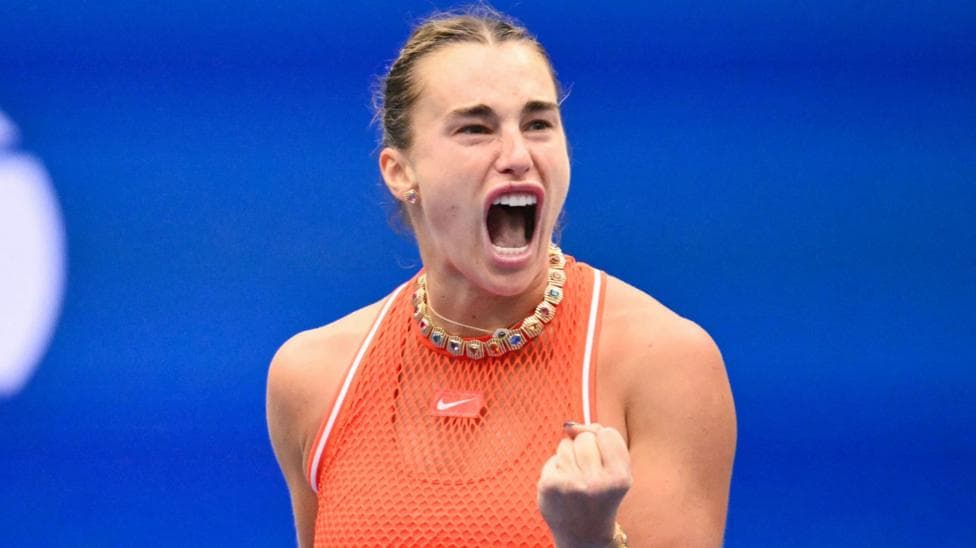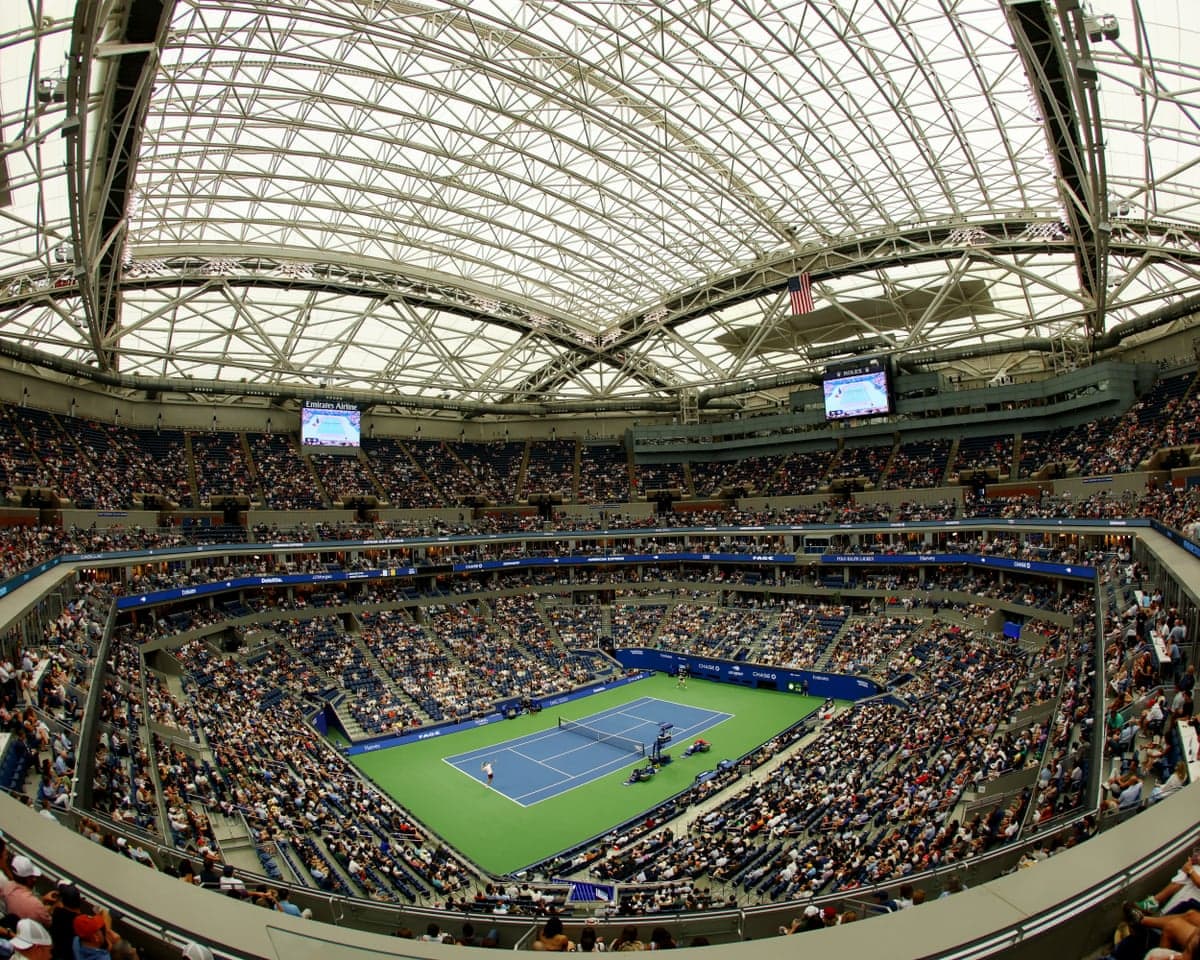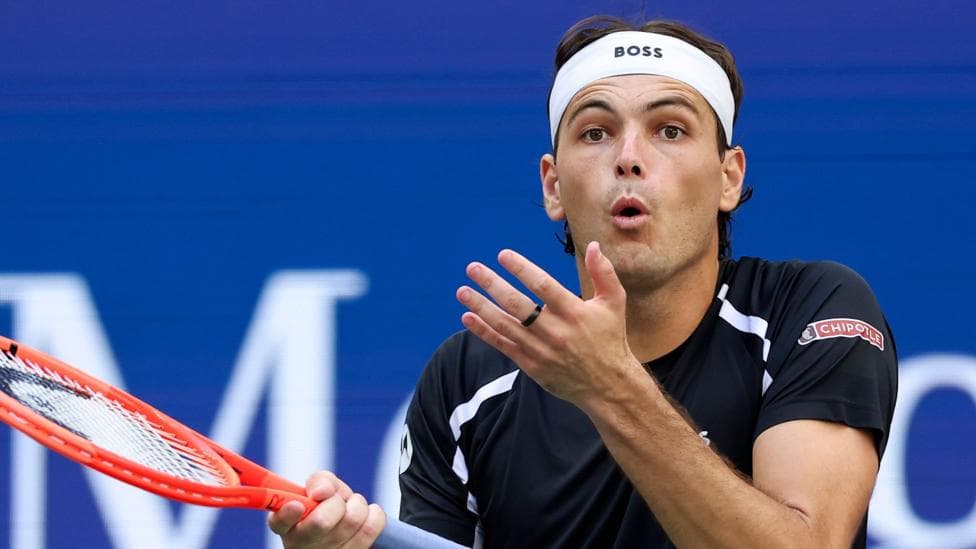
Noise has become the defining challenge at this year's US Open, transforming what was once a celebrated feature of the tournament into a source of genuine friction between players, organizers, and spectators. The problem extends beyond simple volume—it encompasses influencers filming with ring lights during matches, groups of social media creators dancing in the stands, persistent marijuana odors wafting onto courts, and spectators engaged in full conversations about topics entirely unrelated to tennis. Players including Aryna Sabalenka have publicly complained about the distracting smell of cannabis during matches, while others have expressed frustration with ticketholders more focused on recording themselves than watching the sport. The atmosphere has prompted comparisons to a zoo, raising urgent questions about whether the tournament's character has fundamentally shifted.
The Billie Jean King National Tennis Center sits in one of the world's noisiest cities, surrounded by the constant hum of ventilation systems, the clack of the Long Island Rail Road to the north, forklifts unloading refrigerated trucks, and planes descending toward LaGuardia Airport. These ambient sounds have always been part of the US Open experience. In the stadium's upper sections, this exterior noise combines with the incessant chatter of spectators discussing work, family, romance, and dinner plans—conversations that continue uninterrupted throughout entire matches. The lower sections amplify this effect, creating an environment that feels fundamentally different from previous years, even accounting for the tournament's historical reputation for brashness.
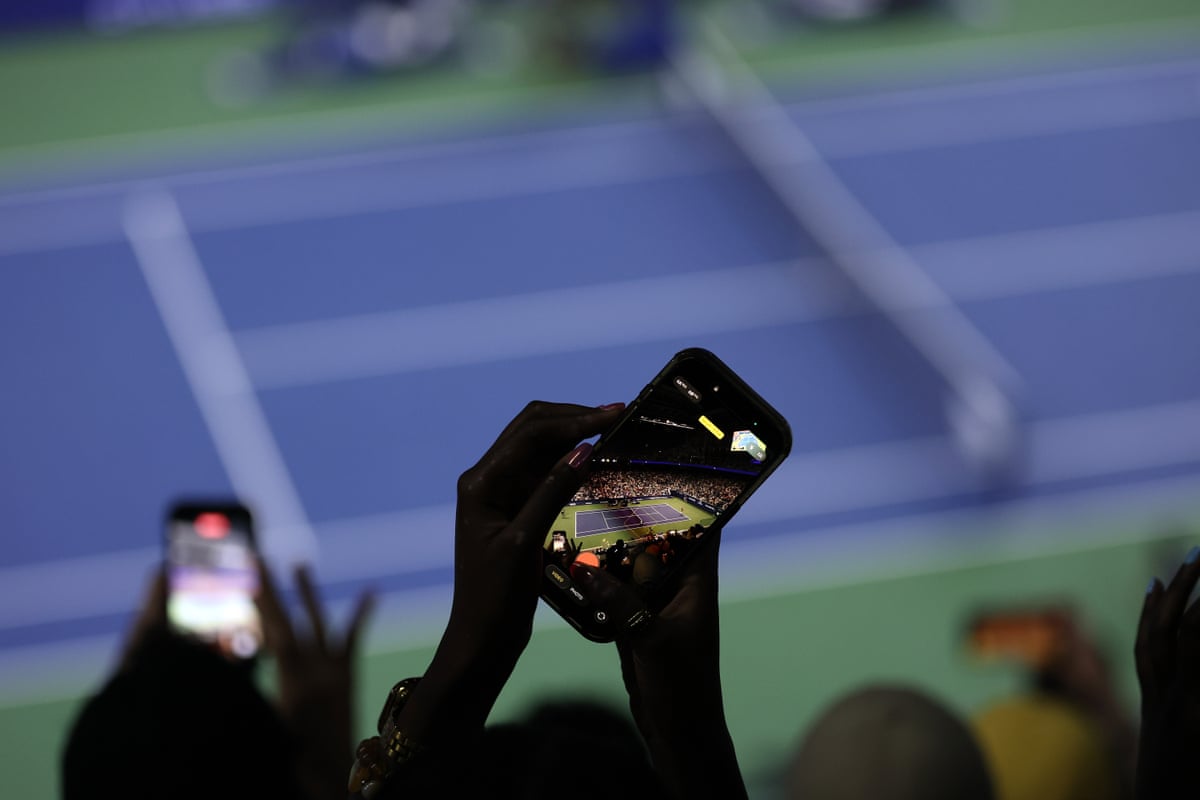
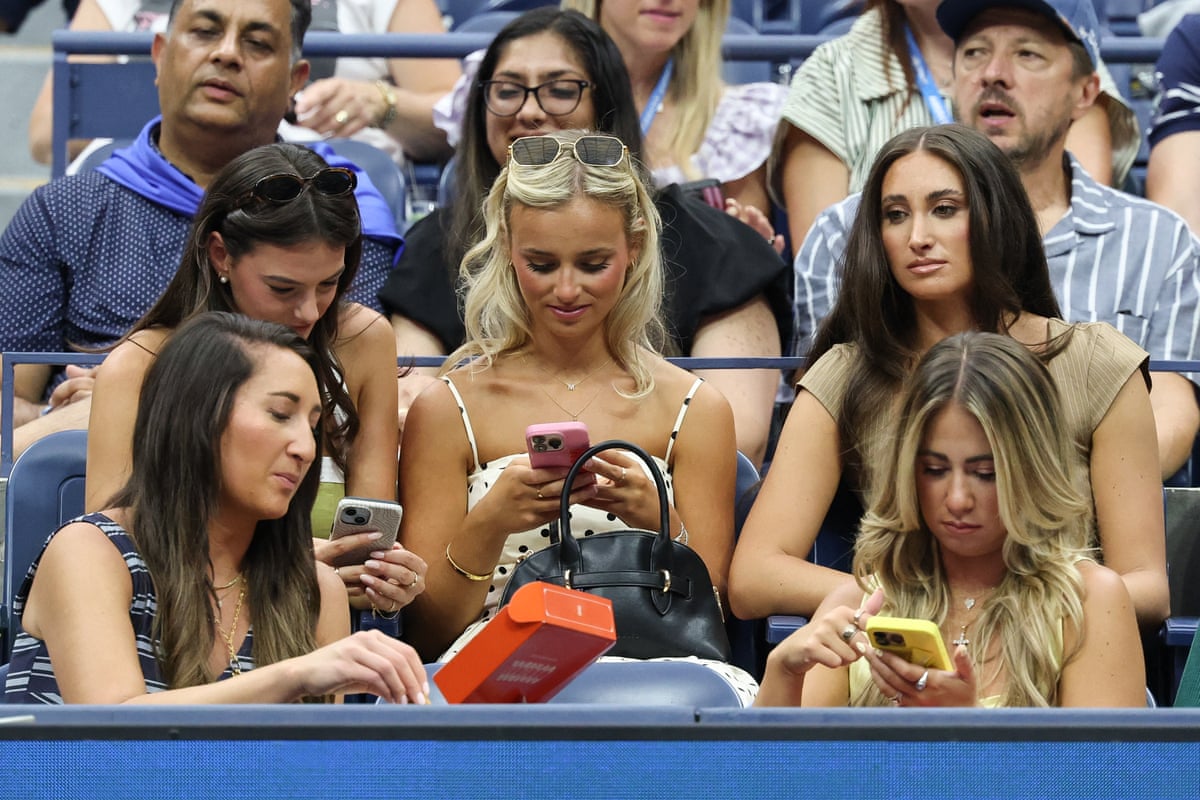
Influencers have become the primary target of criticism. During Naomi Osaka's first-round match, one content creator filmed with a ring light during a stoppage in play. Groups of TikTok dancers went viral after performing in the stands during a recent match. Various players have expressed concern that ticketholders prioritize filming themselves over watching tennis, creating genuine distractions during competition. Beyond influencers, broader behavioral issues have emerged: Jakub Menšik had a drunk spectator ejected during his loss to Learner Tien, and the persistent smell of cannabis has become unavoidable on the outdoor courts. According to earlier reporting, British players including Katie Boulter have specifically complained about marijuana smoke drifting from Corona Park onto practice courts, despite New York's ban on smoking at tournament venues.
Why Is This Year Different?
The US Open has always been loud, and that loudness has historically been its defining characteristic—the brash American grand slam that distinguishes itself from the Australian Open (marketed as the "happy slam"), Wimbledon (with its strawberries, cream, and all-white dress code), and the French Open. Complaints about crowd volume have circulated for decades. Yet something has shifted. The crowds feel more oblivious, more self-absorbed, and less aware of their impact on the sport itself. The constant staring at phones, the universal lack of spatial awareness, the inconsiderate jostling in lines for courts and drinks and $38 French dip sandwiches—these behaviors reflect something broader than simple rudeness. They represent the poisonous effect of technology and commerce on culture at large.
The tournament itself is drenched in commercial influence. More than a series of tennis matches, the US Open functions as a showcase for brands selling everything from yogurt to $100,000 cars. The USTA has no standing to complain about influencers when the organization has so actively courted the commercial dollars that bring those very influencers through the gates. A tournament built on brand activations and promotional partnerships inevitably generates the chaos that now surrounds it. If the USTA were genuinely serious about reducing influencer impact, it would reduce its own dependence on the brands that solicit them—but that will never happen.
Should Tennis Change Its Relationship With Noise?
Tennis and golf stand apart among major professional sports in their insistence on respectful silence during play. Basketball players shoot free throws amid mockery and jeering; football crowds roar throughout action. Yet on the outer courts at Flushing Meadows, doubles teams and lower-ranked singles competitors hit the ball with apparent indifference to the crush of spectators gabbing and milling about nearby. If these players remain unbothered by bickering couples, wayward children, and visor-wearing fathers loudly discussing their retirement accounts, why should the top players on the showcase courts struggle to maintain focus?
The marijuana odor issue deserves particular scrutiny. New York legalized recreational cannabis in 2021, and with legalization comes the reality that the odor will be present in public spaces. The land on which the National Tennis Center now stands has its own rich olfactory history—the ash heaps that once dominated the site, immortalized as the "Valley of Ashes" in F. Scott Fitzgerald's The Great Gatsby, were hardly fragrant. Part of coexisting with other humans involves accepting the externalities they generate: their sounds, their smells, their movements and outbursts. The question is not whether these things should exist, but whether they should disqualify people from attending a sporting event.

The Deeper Contradiction
The US Open reveals a fundamental contradiction in how the sport approaches its audience. Each tournament begins with hand-wringing over ticket prices, hundred-dollar chicken-and-caviar appetizers, and concerns that tennis's flashiest event is becoming exclusive to the super-wealthy. The USTA enters crisis mode, activating messaging about "access" and the democratic benefits of demand-driven dynamic pricing, emphasizing the importance of grassroots development. Then the tournament begins, and the narrative shifts entirely. Tennis purists immediately demand to know: what is this boozy, cannabis-smoking rabble doing at the gates, and why are they making so much noise? Have they no respect for the sport?
A public conversation about accessibility transforms into a policing operation centered on heritage and etiquette. Brands have begun "influencer re-education" efforts. The Tennis Channel has devoted airtime to Wimbledon's new approach—essentially a finishing school for influencers designed to ensure the ring-light crowd behaves properly on the hallowed grounds of SW19. The contradiction is stark: does tennis want to be a sport of the people, or the exclusive entertainment of a well-behaved, wealthy few? If the sport genuinely wants to grow its fanbase, it must accept that not all new fans will be model spectators.
What Players Are Saying
Naomi Osaka offered perhaps the most diplomatic perspective when asked about the influencer controversy:
You want people to continue to grow the sport. I just think it has to be in a way that everyone knows the rules and the etiquette.This represents a sensible middle ground, but it acknowledges a fundamental limitation: etiquette campaigns and re-education efforts can only achieve so much. The sole criterion for entry to the US Open grounds is the ability to pay the price of admission. No authority—not the USTA, not the players, not anyone else—should decide who deserves access based on behavioral predictions.
The Broader Cultural Question
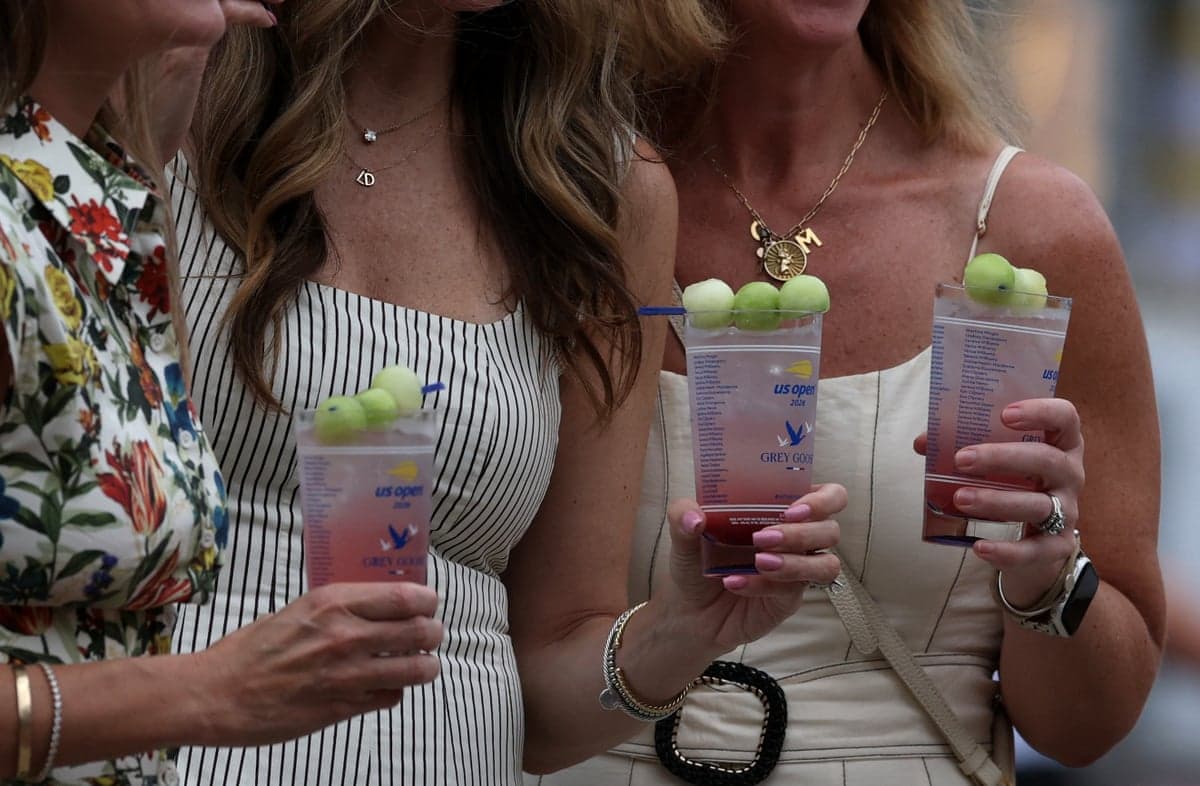
Sporting crowds, even at expensive events like the Open, necessarily reflect society. The society of dancing TikTok creators, Honey Deuce selfie takers, and casual fans using artificial intelligence to explain who is competing in the match they are watching with their own eyes—as hideous as this may seem—is simply the world that exists now. But nothing is inevitable. Tennis, like everything else in sport and culture, can be whatever society chooses it to be.
One instructive walk at the US Open begins once you leave the grounds. Exiting to the south and west, you encounter groups of mostly Hispanic families and friends enjoying themselves on the vast fields of Flushing Meadows Corona Park, playing football and volleyball, grilling, and drinking long into the evening. A giant skewer of chicken giblets from a park vendor, served with roasted potatoes and red onion doused in salsa picante, costs $6—far superior value to anything on the US Open's overpriced menu of "viral" culinary offerings.
Continuing west into Corona, a densely populated working-class neighborhood with significant Mexican and Ecuadorian immigrant populations, the contrast becomes genuinely striking. The streets are clamorous and intense, filled with the elevated 7 train's clatter, food trucks' pop and sizzle, twilight conversations on stoops and sidewalks, and the slap-slap-slap of dominoes games crowding every corner. Yet there are no phone-gazing pedestrians meandering across pavements, no greedy insensitivity among the masses, and few visible devices. These streets are packed with people and thrumming with life, but their vibrancy is neighborly, uplifting, and welcoming—rather than hectoring, selfish, and bland as is the case beyond the National Tennis Center's entrance gates.
What Comes Next
The juxtaposition of these two urban experiences is powerfully informative. Changing the crowds at the US Open would require changing society itself—throwing away phones and chatbots and Bluetooth microphones, rejecting the delusions of the attention economy, and declaring once and for all that no, people will not be permitted to prioritize self-documentation over presence. It would mean embracing community, human contact, and non-screen-mediated concern for one another. Meanwhile, according to recent analysis, betting spectators are increasingly disrupting professional tennis matches through heckling, a problem intensified by the US Open's partnership with betting platform Kalshi, creating additional tension between tournament organizers and players.
Until that distant day when such transformation occurs, the US Open will continue reflecting contemporary culture in all its profoundly complicated dimensions. The tournament will remain loud, crowded, and filled with people behaving in ways that traditionalists find objectionable. The USTA should resist using backlash against influencers, cannabis smokers, mid-point talkers, and various other behavioral deviants as a pretext for restricting access to the sport. If anything, a more affordable and genuinely democratic tournament might dilute the impact of the reel-filming set by distributing tickets more widely across economic classes. The challenge is not to police the crowds into submission, but to accept that growth in any sport inevitably brings diversity—in backgrounds, in values, and in how people choose to experience the event.