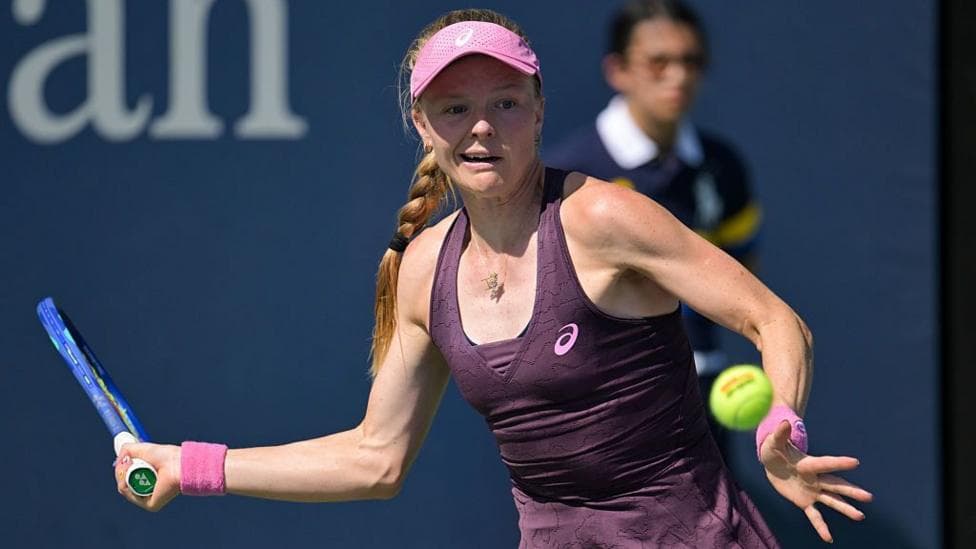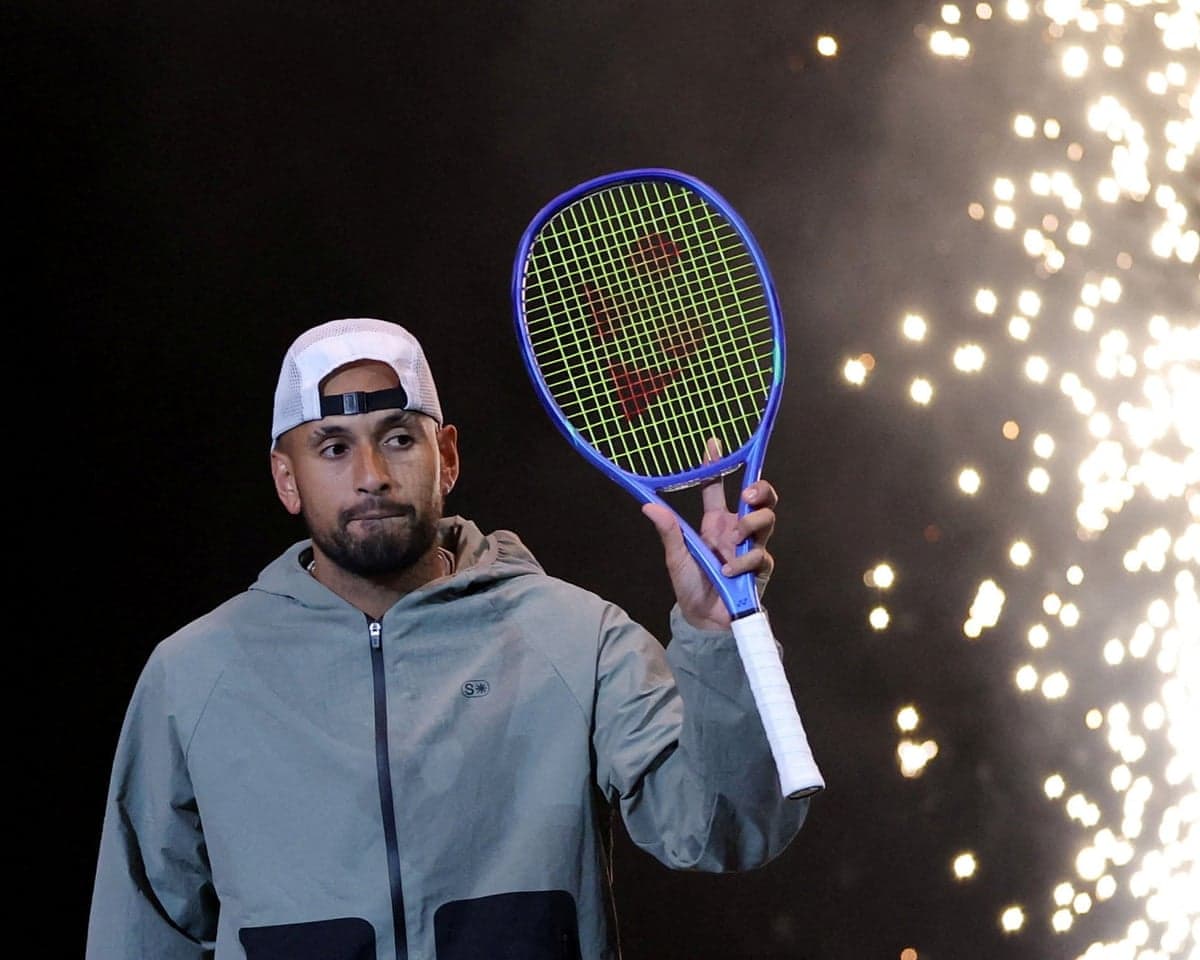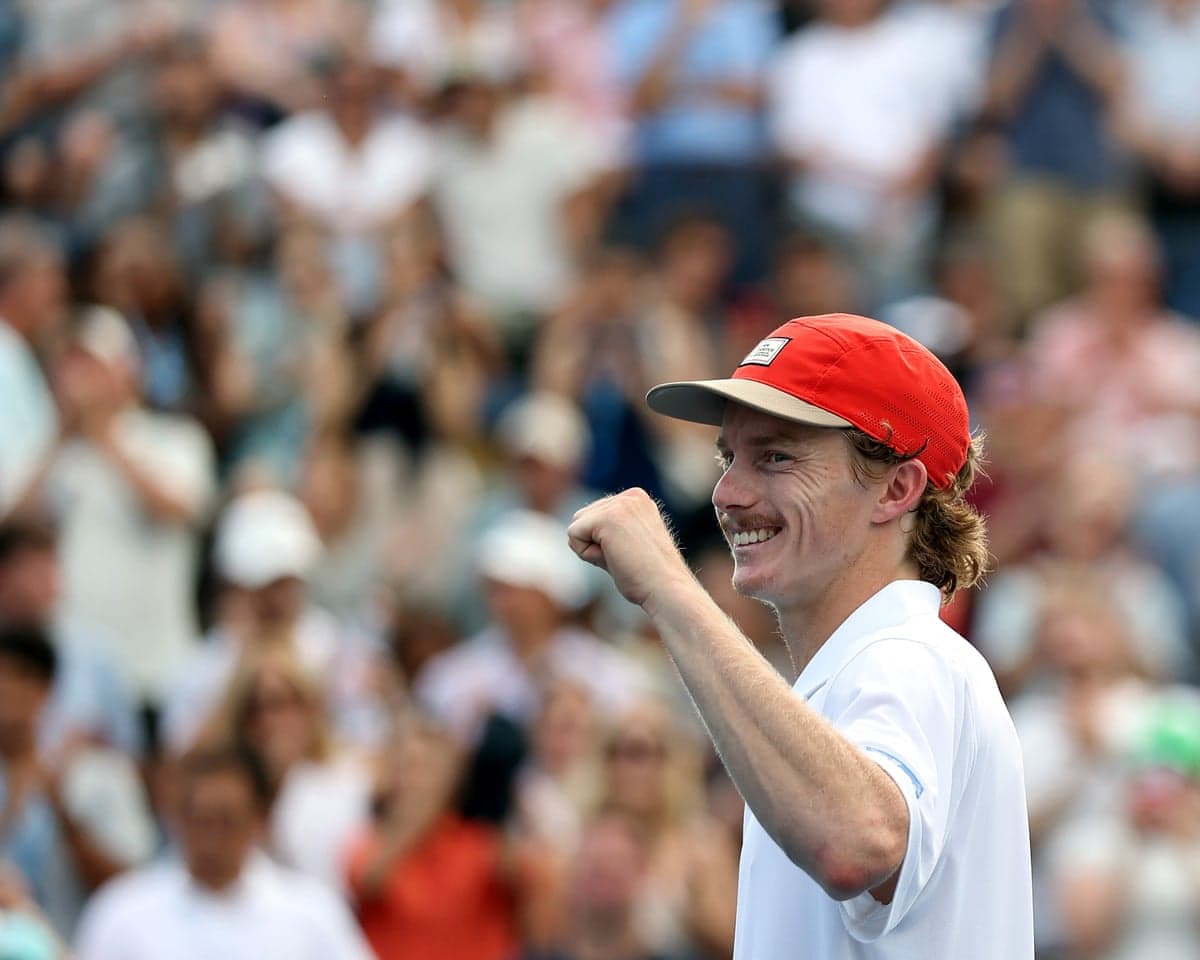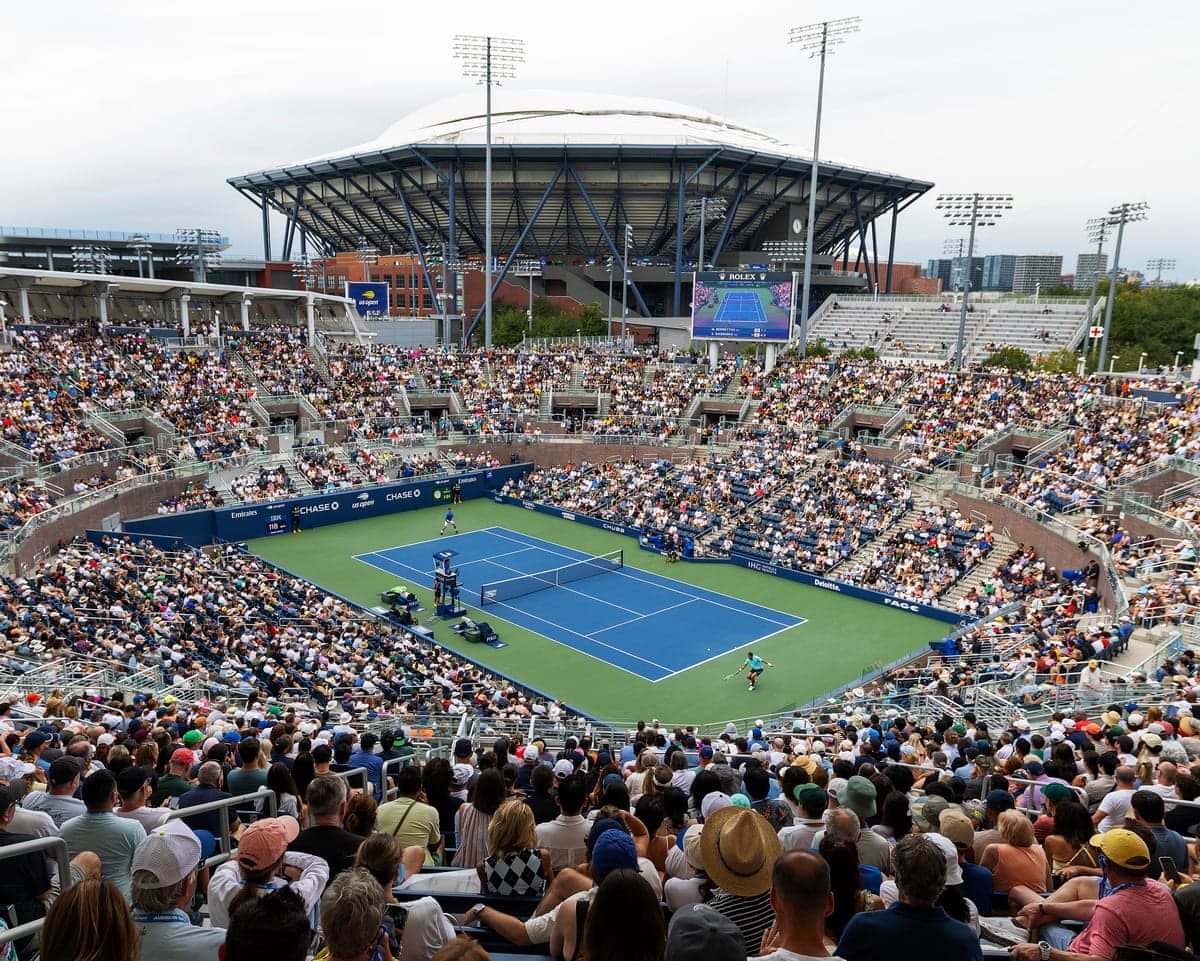
Jeering from the stands has become an unwelcome fixture at professional tennis tournaments, with spectators increasingly attempting to influence match outcomes by heckling players they have wagered against. The phenomenon spans from grand slam events to lower-tier World Tour competitions, creating a persistent distraction that players must manage while competing at the highest levels of the sport.
Czech player Jiri Lehecka experienced this disruption firsthand during the US Open a couple of years ago. A spectator positioned directly behind his bench on court 4 subjected him to relentless taunting throughout the opening three sets.
"There was a guy who sat just behind my bench on a smaller court, court 4, and he was talking to me basically for the first three sets, like nonstop,"Lehecka recalls.
"He was talking to me like: 'You can't do it. You are tired. He's better than you are.'"
Lehecka suspected the spectator's motivation extended beyond supporting a rival player.
"In that moment, I took it as a motivation, but just out of curiosity, I spoke to the chair umpire and I was like: 'Do you think this is normal? Can you do something with that?'"he says.
"The reaction was not very powerful. It was: 'Yeah, I can't do anything as long as he's not insulting you.' It was some person who knew exactly where the line was."Despite the distraction, Lehecka won the match, but the experience left him troubled about the direction of spectator conduct in professional tennis.
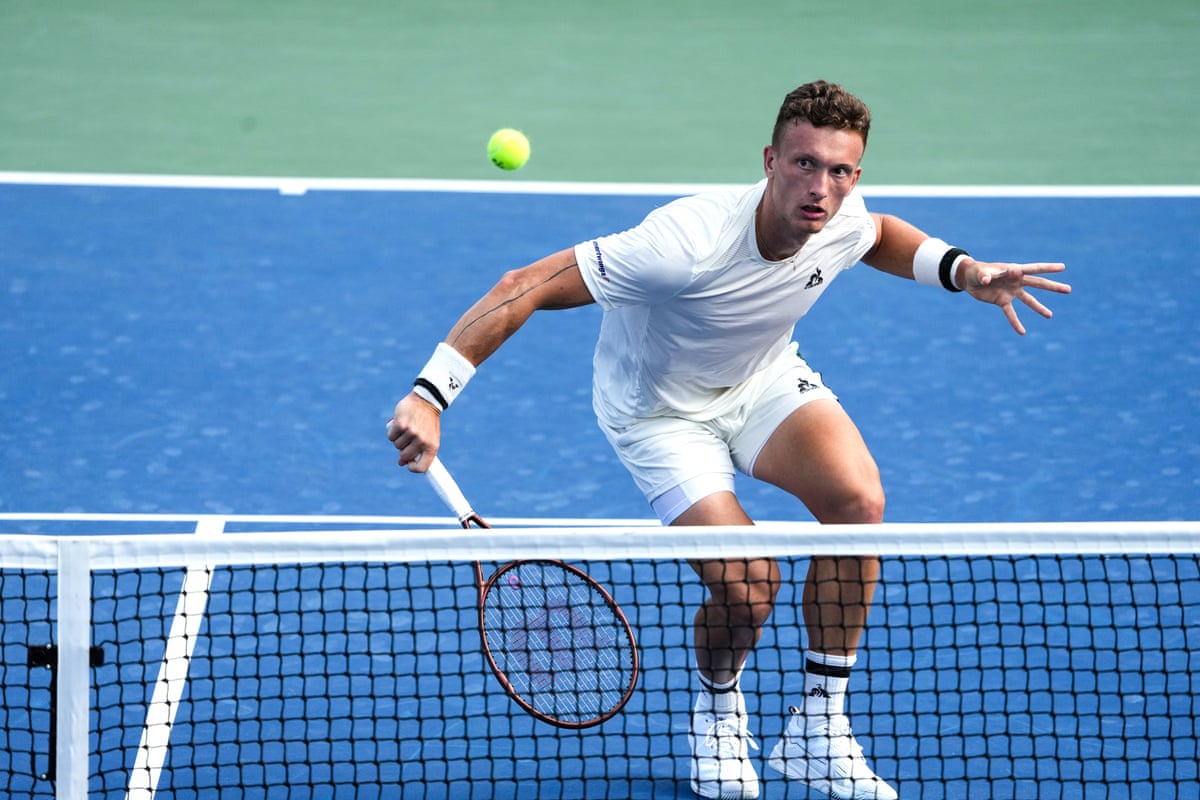
The presence of disruptive bettors has grown noticeably across the professional circuit.
"I think that we can see this, basically, I don't want to say in every tournament, but in many tournaments, especially in Europe,"Lehecka observes. Certain venues have become particularly notorious for such behaviour. The Italian Open has earned a reputation for courtside heckling from spectators attempting to unsettle players from the stands surrounding Pietrangeli stadium. The US Open has similarly witnessed repeated incidents of disruptive betting-motivated spectators.
Lorenzo Musetti, the Italian world No 14, has encountered this problem across multiple continents.
"It happened a lot of times, not just in Italy, but in every part of the world. Unfortunately, there's still this problem that we see sometimes, especially in some matches which is pretty clear that there's some people from the crowd that they bet and that they are cheering for the ones that maybe it's not the home favourite or they disturb the game."
Lower-ranked players assigned to smaller courts face the most acute challenges, as their proximity to spectators makes them more vulnerable to such interference. Last year, Swiss player Leandro Riedi directly confronted a spectator he believed had wagered on his match before reporting the incident to the chair umpire. More recently, at the 2026 Cincinnati Open, a bettor publicly admitted on social media that he had wagered against Arthur Rinderknech's opponent after heckling from courtside, bringing the dispute into the public eye.
How widespread is the betting culture problem?
Gambling's influence permeates professional tennis at every level, extending far beyond courtside disruptions. Players face substantial online abuse connected to betting outcomes. An analysis found that angry gamblers made up 48% of 12,000 abusive social media posts aimed at tennis players in 2024. The WTA and ITF reported in 2025 that 458 players faced more than 8,000 abusive social media comments, with 40% attributed to betting-related anger.
Betting has also been implicated in match-fixing scandals throughout tennis history, with numerous players sanctioned over the years for deliberately losing matches. The sport's governing bodies have struggled to address the intersection of gambling culture and player welfare.

What is the US Open's role in this expansion?
The 2026 US Open intensified the betting environment by announcing a partnership with Kalshi, a sports betting and prediction company offering users a wide variety of wagering options. Kalshi became the first Official Prediction Market Partner of the US Open, beginning with the singles main draw. Almost immediately, the US Open sent push notifications from its app promoting articles sponsored by Kalshi offering match predictions.
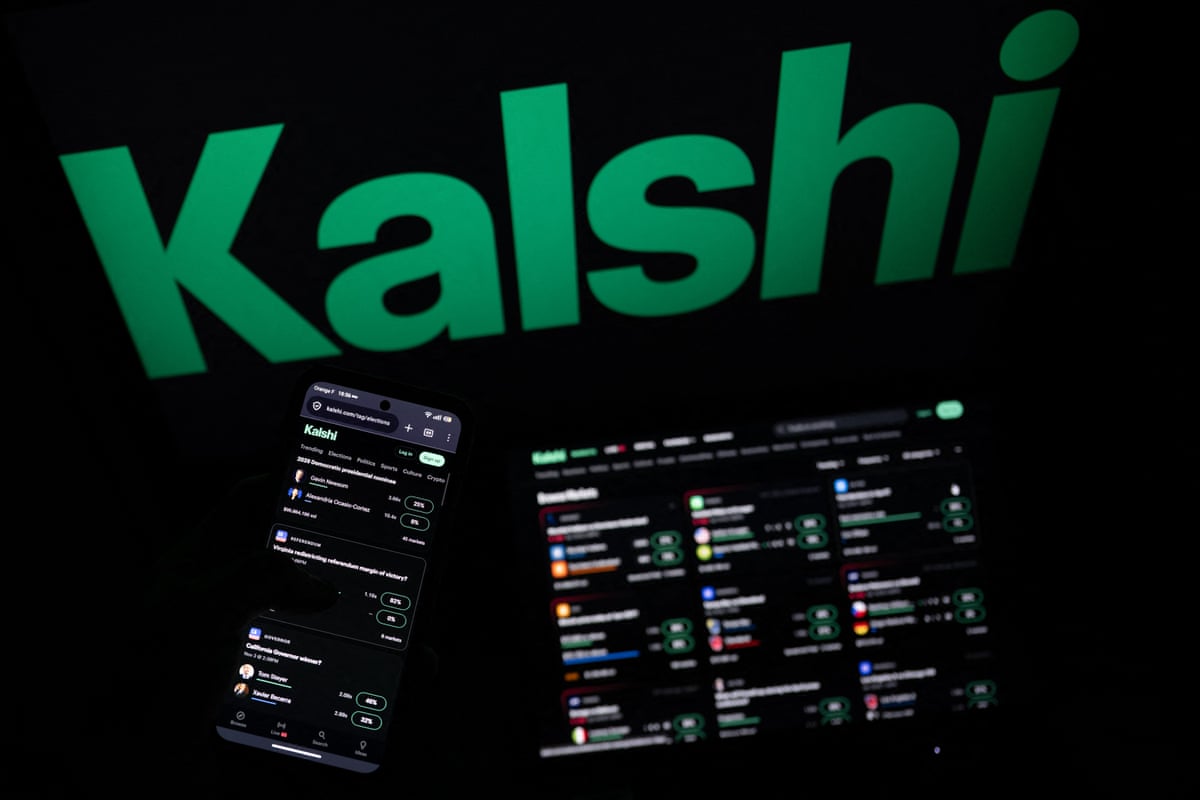
The partnership created a stark contradiction: while players endure the negative consequences of betting culture—abuse, threats, and courtside disruption—the tournament profits directly from the same gambling ecosystem. Jessica Pegula criticised the arrangement on 3 September 2026, noting that players receive substantial hate on social media connected to gambling.
Spectators around the 2026 US Open qualifying rounds were observed constantly wagering on their phones near matches, underscoring how visible in-venue betting has become. With Carlos Alcaraz and Aryna Sabalenka identified as the leading betting favourites in the tournament odds, the financial incentives for bettors to influence outcomes remain substantial throughout the competition.
What rules exist to address disruptive bettors?
Currently, neither the Association of Tennis Professionals, the Women's Tour Association, nor grand slam rulebooks contain specific provisions targeting disruptive bettors. Umpires can only intervene if a spectator becomes abusive, leaving a significant gap in enforcement. This limitation means that bettors who stay within the bounds of non-insulting heckling face no consequences.
Players remain divided on how to address the problem. Musetti advocates for stronger action from governing bodies.
"The only thing that we can do is try to avoid these people … the [tennis governing bodies] have to do something and have some security because we cannot do much on the court,"he argues.
How do players cope with betting-related disruption?
Some players have adopted a pragmatic acceptance of betting culture as an inevitable aspect of professional sport. Jakub Mensik believes players must simply manage these situations as part of their professional reality.
"Sometimes it's so obvious you can see it,"he says.
"It happens to me plenty of times but I know that I cannot do anything because [bettors], those kinds of people, sometimes they don't know what to do with their lives. They're just trying to enjoy it and wishing all the other players the worst so it's part of the game. It's basically already part of us, part of all of the athletes, and we just unfortunately have to manage it. There is no other way."
American world No 21 Tommy Paul similarly views betting-related heckling as a standard feature of professional sport.
"I think it's part of sports,"he says.
"You never react to anything. It's annoying, for sure. Everyone hears it. It's not like what you want to be hearing at the back of the court, but it's kind of what we signed up for."
Other players take a more defiant stance. One player expressed confidence that no disruptive bettor could penetrate her mental focus, stating that while bettors are welcome to attempt rattling her, such efforts would prove futile. Frances Tiafoe responded with humour when asked about his experiences, suggesting that if he encountered such disruption, the resulting headlines would be significant enough to warrant avoiding the topic entirely.
What happens next?
The 2026 US Open singles competition continues under the new Kalshi partnership, with the remainder of the main draw still to unfold. As the tournament progresses, the interaction between the expanded betting infrastructure and courtside conduct will remain under scrutiny. The Italian Open had already moved to confront betting-related disruptions after repeated player complaints, with officials stating the behaviour would not be tolerated at federation events, suggesting that some tournaments are beginning to take action. Whether other major tournaments will follow suit, or whether the sport's governing bodies will establish uniform rules addressing disruptive bettors, remains to be determined.