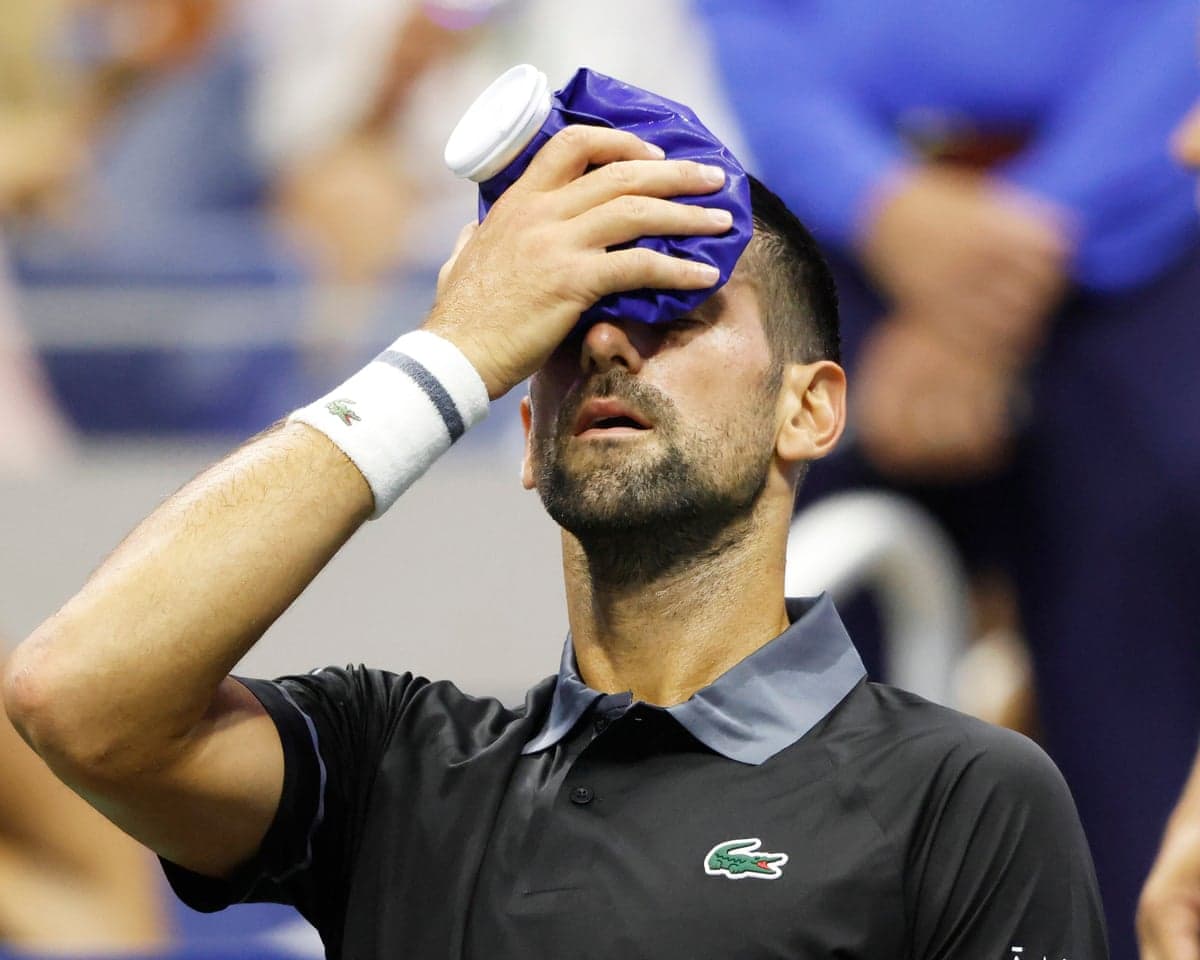
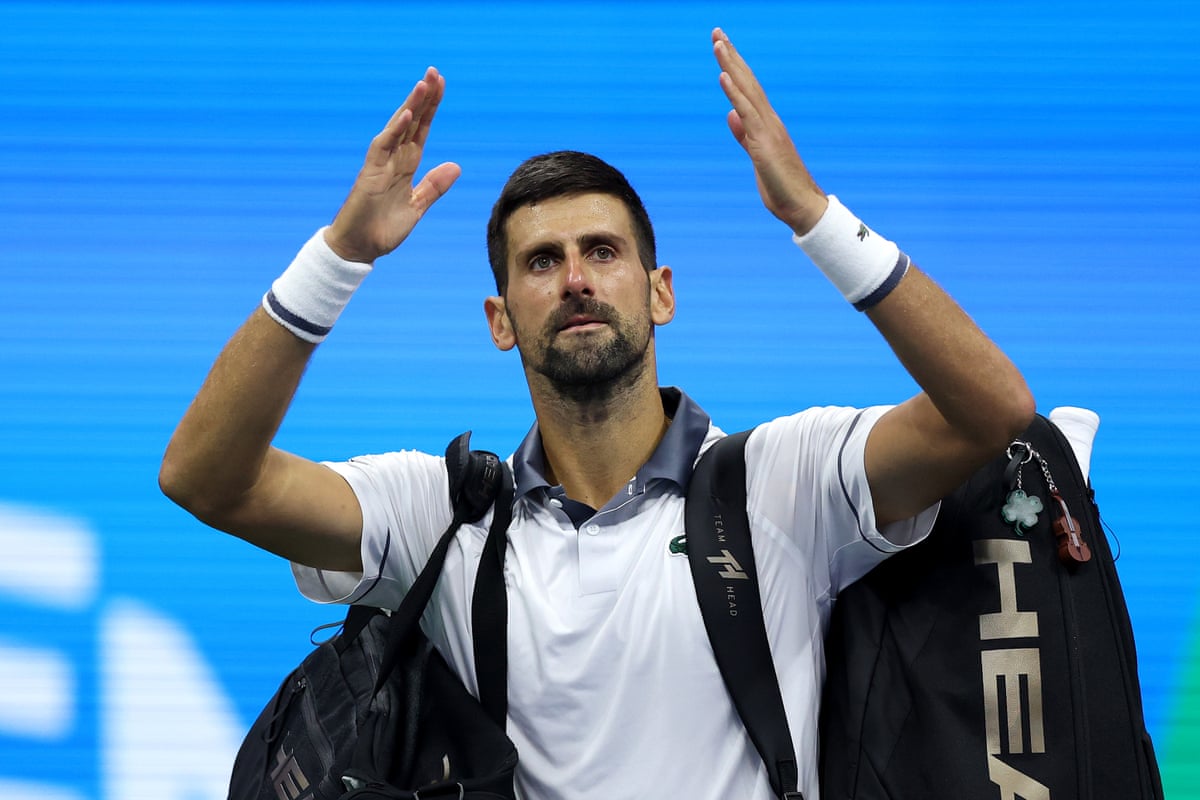
The 39-year-old Serbian champion's first-round defeat to Mariano Navone at the US Open has triggered the most consequential period of self-examination in his career. As the scoreline widened and victory became impossible, thousands of spectators in Arthur Ashe Stadium rose to their feet in the early hours of Monday morning to honour their aging champion. The moment moved Djokovic to tears—a scene that echoed a similar standing ovation five years earlier, though the circumstances could hardly have been more different.
In 2021, Djokovic had stood on the brink of tennis immortality, three sets away from completing the calendar-year grand slam. This time, he was losing to a clay-court specialist ranked outside the top 50, an opponent he would ordinarily dismiss without difficulty. The 4-hour-36-minute marathon represented his earliest grand slam exit in two decades, ending a 77-match streak of first-round victories at major tournaments.
What made this defeat different from previous struggles?
The physical toll was evident from approximately 20 minutes into the contest. Djokovic spent much of the match vomiting and cramping, ultimately losing 7-6 (5), 5-7, 4-6, 6-2, 6-1 to the courageous Argentine. More significantly, according to reports after the match, Djokovic revealed he "didn't enjoy a single moment" and had "even thought about retiring" during the contest. Rather than embracing the competitive battle and solving tactical problems, he spent the entire encounter in survival mode, attempting to endure the pain for as long as possible.
This was his first opening-round defeat at the US Open and his first first-round loss at any grand slam since 2006—a span of two decades that underscores how unprecedented this failure is for a player who has defined himself through consistency and resilience.
How does this fit into Djokovic's broader struggles in 2026?
The New York result did not arrive unexpectedly. His physical decline has been the dominant narrative of his entire season. Earlier in the year, he withdrew from both Miami and Monte Carlo while managing a shoulder injury. At the Australian Open, despite a miraculous run to the final that included a five-set victory over Jannik Sinner, he arrived at the championship match depleted of energy against Carlos Alcaraz, having benefited from a walkover and retirement victory along the way.

The French Open proved equally punishing. Ravaged by injuries in the build-up, he again experienced vomiting and cramping during his five-set third-round defeat to João Fonseca. Wimbledon offered slightly better physical preparation, yet his semi-final against Sinner found his reserves completely exhausted. His collapse in Cincinnati two weeks before New York provided a clear warning. There, he revealed the problem has been troubling him "for the past couple of years" and that humidity and heat make it significantly worse.
What does this mean for his Olympic ambitions?
Djokovic has long identified the Los Angeles 2028 Olympics as his ultimate career target—a chance to defend the gold medal he won at Paris 2024. At 39 years old, nearly two years might seem like sufficient time for recovery and preparation. Yet the evidence from 2026 suggests otherwise. Maintaining his body through another two years of professional tennis, with the physical toll mounting visibly at each major tournament, represents a daunting prospect that even his legendary resilience may struggle to overcome.
The question is no longer whether Djokovic can win more titles. It is whether his deteriorating physical condition will force him to confront a reality he has successfully avoided throughout his unprecedented career: that continuing to compete at the highest level may cause more suffering than satisfaction.
What lies ahead for the champion?
Djokovic's record speaks for itself. He has won more grand slam titles than any other man in tennis history and has achieved feats at an advanced age that seemed impossible when he was younger. His ability to evade the inevitable decline that catches every athlete has been remarkable. Yet the evidence from his performances across 2026 suggests that time, which he has masterfully outrun for so long, is finally catching up.
If his body continues to betray him on court, if the physical discomfort persists in generating misery rather than the competitive fire that once defined him, Djokovic will face a decision that no amount of willpower or mental fortitude can overcome. Whether the US Open defeat represents the moment he chooses to step back remains uncertain—a reflection of his extraordinary career that even at this juncture, the outcome is still genuinely in doubt.
Key Facts
- Djokovic's 4-hour-36-minute loss to Navone was his longest grand slam first-round match ever
- The defeat ended his 77-match streak of first-round victories at grand slams
- He has withdrawn from multiple tournaments in 2026 due to shoulder and other physical injuries
- His stated target of defending his Olympic gold medal in Los Angeles 2028 now appears increasingly uncertain given his deteriorating physical condition