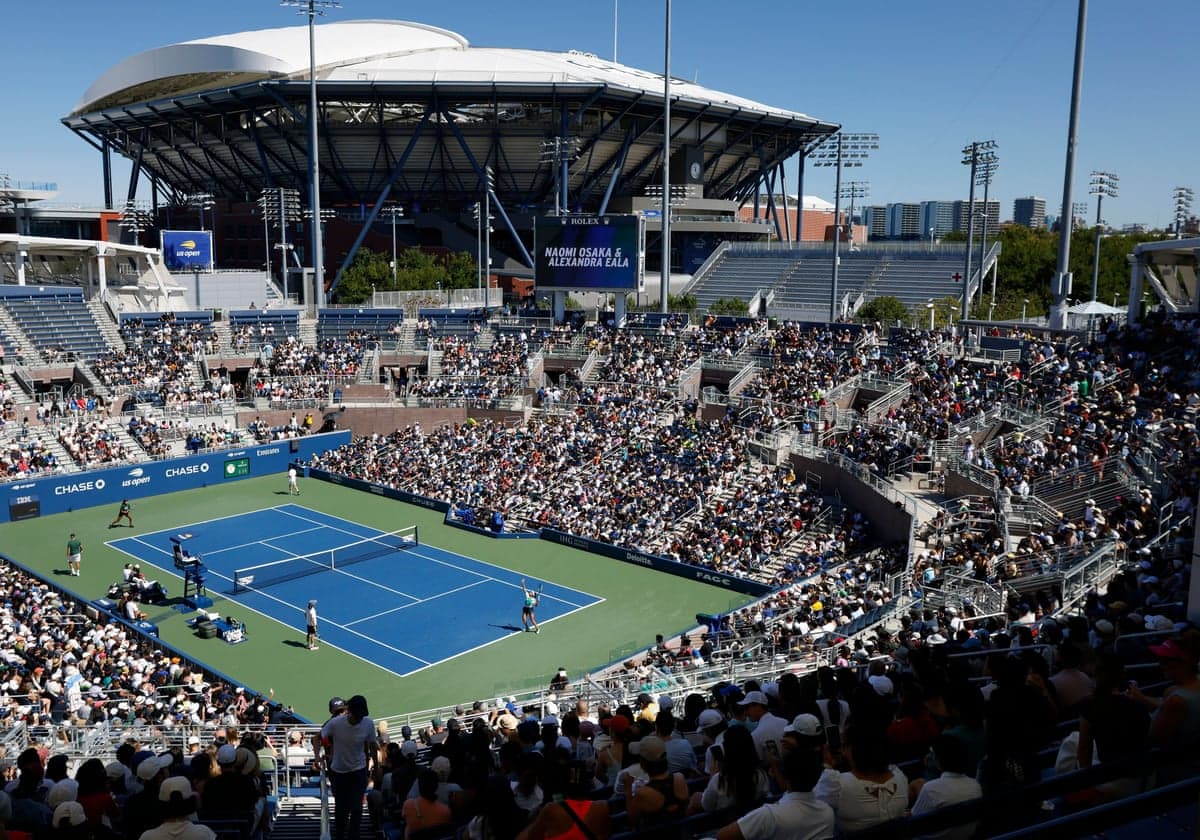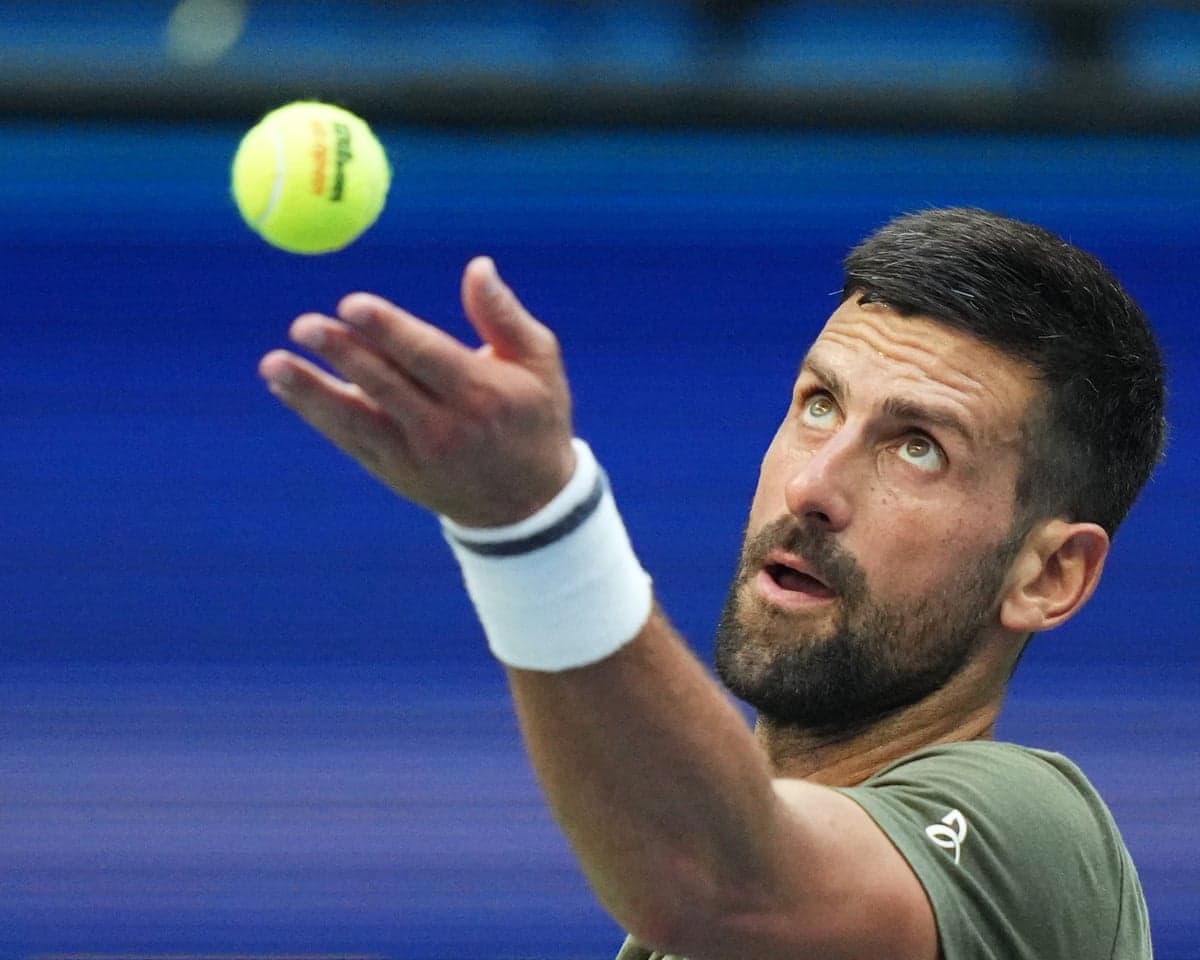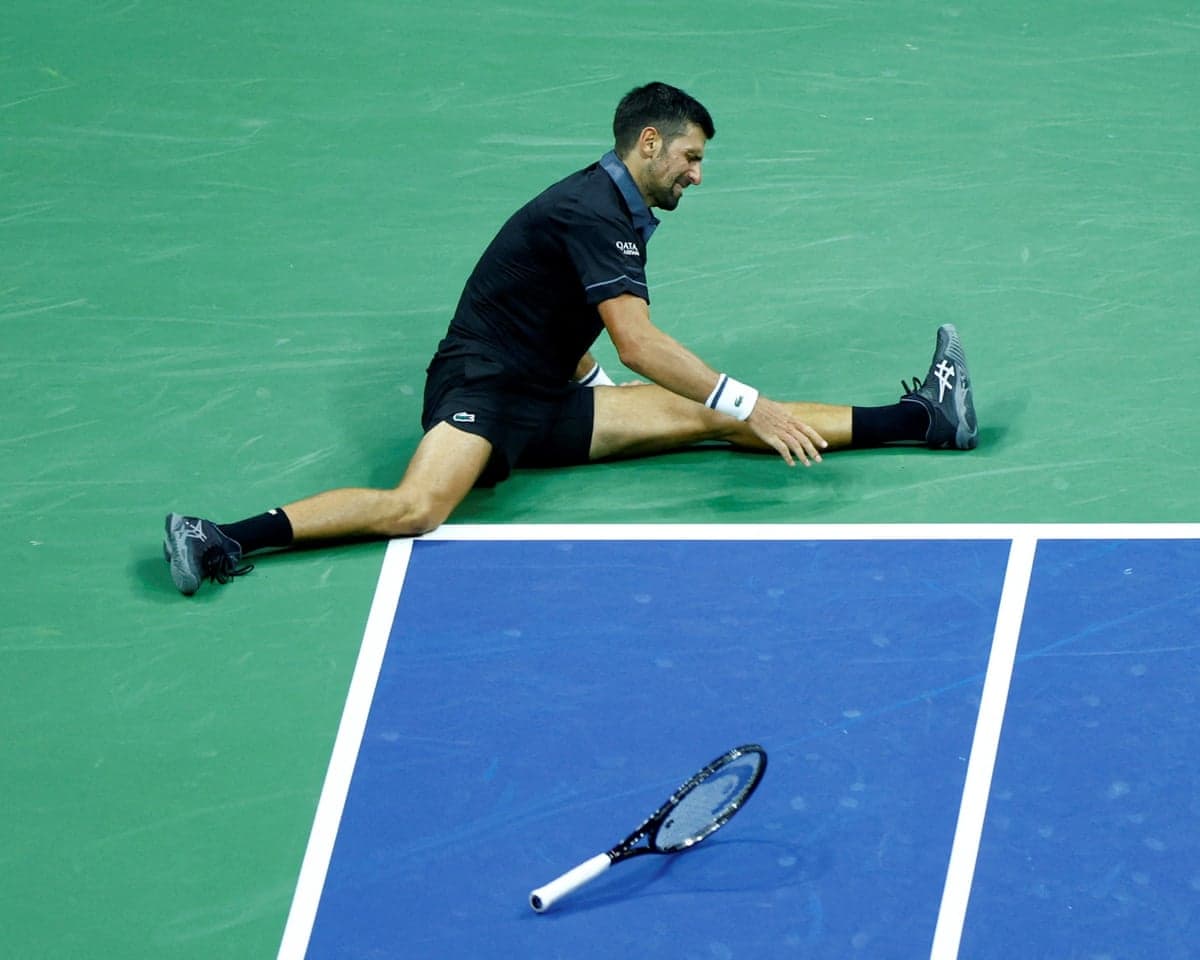
The fourth-seeded Novak Djokovic suffered his earliest elimination from a Grand Slam tournament in two decades when he fell to Argentina's Mariano Navone 7-6 (7-5), 5-7, 4-6, 6-2, 6-1 in the opening round of the US Open on 30 August 2026. The match, which stretched to four hours and 36 minutes on Arthur Ashe Stadium's night session, saw the 39-year-old Serbian champion repeatedly vomit, battle severe cramping and ultimately depart the court in tears around midnight.
This marked a historic reversal for Djokovic. According to a major sports outlet, the defeat snapped his streak of 77 consecutive first-round victories at Grand Slam events. His last first-round loss came at the 2006 Australian Open when he was 18 years old—more than 20 years prior. The result also ended his pursuit of a record-extending 25th major title, according to sports reporting outlets. According to ESPN, the match was the longest opening match of a Grand Slam in Djokovic's career, adding another layer of significance to Navone's achievement.
Djokovic's physical deterioration began almost immediately. Within 15 minutes of the opening set, despite the match being played in the night session, he showed visible signs of distress from the humidity. Before consolidating his initial break at 2-0, the champion was already struggling to maintain his composure on court.
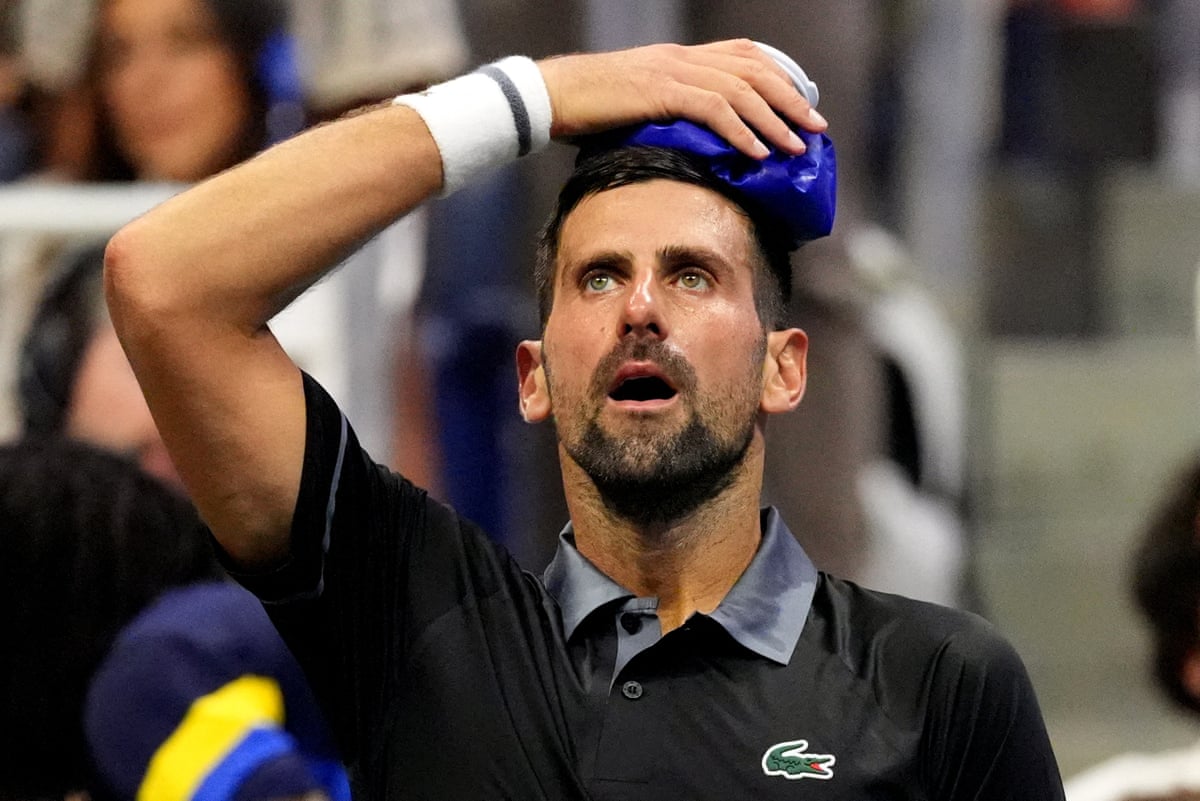
The first visible crisis arrived around the 20-minute mark. Midway through the opening set, Djokovic began coughing and sputtering from behind the baseline, repeatedly bending over in apparent distress. At 4-3, rain prompted tournament officials to close the Arthur Ashe Stadium roof. From that moment onward, the match became an uncomfortable spectacle of physical suffering.
During a changeover in the first set, the tournament doctor provided Djokovic with tablets as he continued to struggle. He applied ice cloths repeatedly to cool himself down, yet the interventions proved insufficient. The most disturbing aspect of his deterioration came when he walked briskly to the corner of the court, bent down and vomited into the towel bin—a scene that would repeat itself multiple times over the next four hours.
Despite these physical challenges, Djokovic's serving remained formidable for much of the encounter, allowing him to remain competitive far longer than his body seemed capable of sustaining. He managed to secure a two-sets-to-one lead by breaking Navone in the fourth set. However, by that stage his legs had grown heavy, his first serve had deteriorated markedly, and cramping had begun to ravage his body. He continued to vomit throughout the match and fought off increasingly severe muscle spasms as the sets progressed.
Djokovic attributed his collapse to an ongoing health condition exacerbated by heat and humidity.
I think it was obvious that an awful feeling on the court for me. It is something that I've been carrying, unfortunately, pretty much every match this year. You know, vomiting, throwing up, serious issue there, and then my whole body starts to collapse, basically cramping and pain, and the back just gave up in the end, and shoulder, and I couldn't close it out, break up in the fourth, but just struggled all the way since the fourth game of the match.He acknowledged Navone's quality while emphasizing his own physical limitations:
And again, don't want to take too much out of his win. Congrats to him; he's a nice guy, fighter, but you know, I didn't enjoy myself.
This was not an isolated incident. Just two weeks earlier at the Cincinnati Open, Djokovic had struggled severely in similar evening humidity against another Argentine opponent, Thiago Agustín Tirante, who showed no signs of distress in the same conditions. Tirante defeated Djokovic in three sets, suggesting a pattern of difficulty for the veteran player in these specific atmospheric circumstances.
How the dramatic night in New York unfolded
Djokovic made a promising start as he broke Navone's serve at the first attempt for a 2-0 lead, only to see that advantage wiped out in the seventh game as he began to struggle in the humid conditions. A lengthy rally appeared to be the catalyst for his troubles, sapping him of energy and leaving him struggling to recover.

A flustered Djokovic seemed to drop speed in both his serve and groundstrokes, calling out the doctor after the ninth game for tablets to help alleviate what was bothering him. He continued to look distressed as the opener moved into the tie-break, wearily bowing his head and bending over double between points, as Navone maintained his focus to strike first after one hour and 13 minutes.
An eerie hush fell around Arthur Ashe Stadium which indicated the crowd's growing concern for the four-time champion. The physical problems did continue to linger, but Djokovic perked up enough—seemingly helped by the cooler conditions under the roof—to create the only break points of the second set. After missing chances in the third and fifth games, he dug deep to strike for a 6-5 lead and served out to love as he levelled the match.
Djokovic became more animated in the early part of the third set, a surefire sign he was starting to feel more like his old self—although not for too long. With the set locked on serve at 3-3, Djokovic looked unsteady on his feet again before pouncing on a poor service game from Navone to break for 5-4 and holding serve to move into the lead. These are the positions from which prime Djokovic would usually go on to win, even when struggling physically. The fact he was unable to do that against Navone, who had never gone past the second round in New York, was another indication of his declining powers.
What had been a tight match quickly ran away from Djokovic and became a difficult watch for the thousands still inside Ashe as local time fast approached midnight. The atmosphere became subdued as it became clear that Djokovic was not going to be able to wriggle out of trouble on this occasion.
Who is Mariano Navone and what does this victory mean?
Navone, 25, has long regarded Djokovic as his idol. When the draw was announced, fans uncovered evidence of his childhood fandom in the form of tweets from 2014, when a 13-year-old Navone had devoted numerous posts on his X account to supporting the Serbian champion. His parents had originally planned to spend the US Open period on a Caribbean holiday but abandoned those plans to fly to New York after learning of the draw.
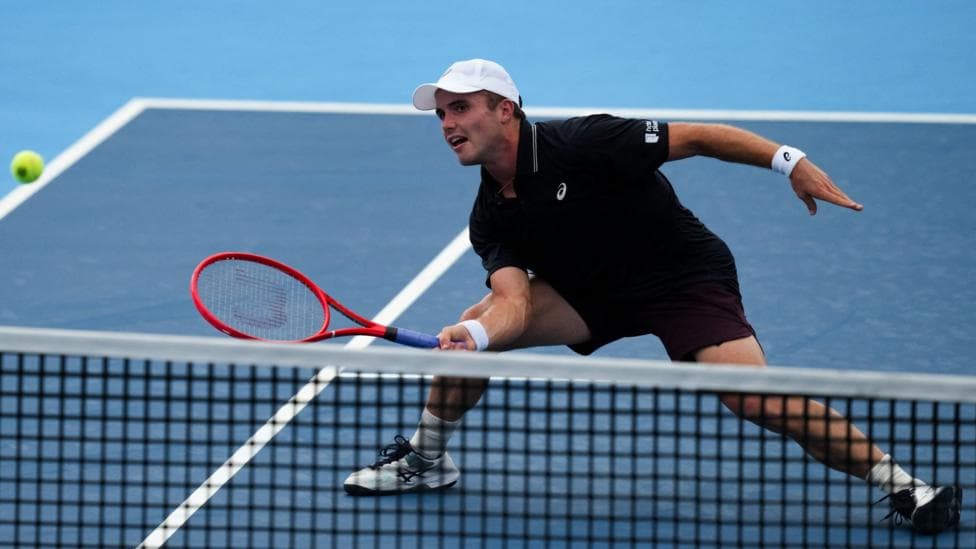
On the biggest occasion of his career, Navone delivered a composed and determined performance. He chased down every ball with relentless energy, maintained immaculate length off both wings and forced Djokovic into extended baseline exchanges that the struggling Serb was in no physical condition to handle. Although Navone has impressively re-established himself inside the top 50 after nearly dropping outside the top 100 the previous year, nearly all his best results had previously come on clay courts. This hard court victory represented a significant breakthrough for the world number 49.
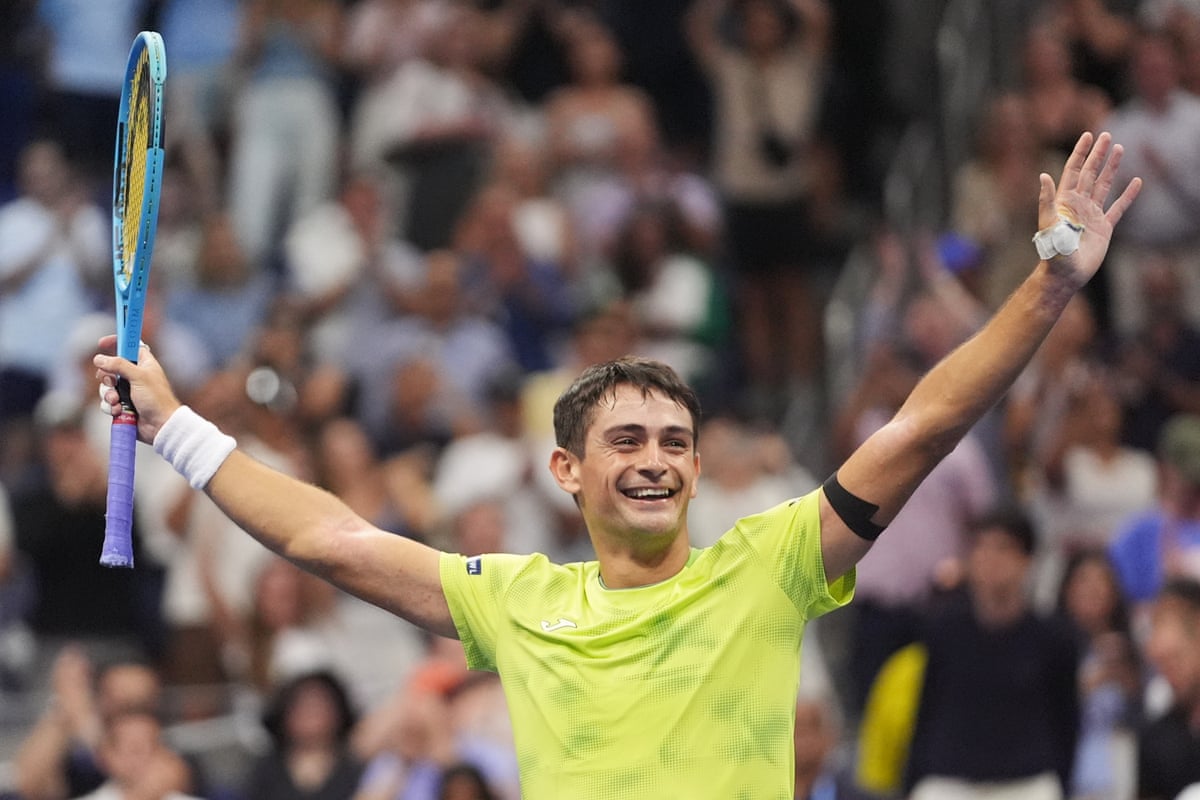
Navone managed to raise a smile as he congratulated Djokovic after the match. But after showing grace and class while congratulating his opponent, a disconsolate Djokovic was unable to keep a brave face for long and appeared close to tears again as he trudged back to the locker room.
What does this defeat mean for Djokovic's future?
The loss represents a stark reminder of the physical challenges facing elite athletes competing at the highest level at an advanced age. Djokovic's record-extending 84th appearance at a Grand Slam tournament produced one of his most abject defeats. His brilliant serving and legendary fighting spirit kept him alive for much of the evening, but ultimately proved insufficient against the combination of his physical ailment and Navone's determined play.
Djokovic had reached at least the semi-finals at six of the previous seven Grand Slams going into the US Open, but the manner in which he struggled in the humid conditions was a worrying sight for his supporters. The defeat ended his latest bid for a standalone record 25th Grand Slam singles title, which would move him clear of Australia's Margaret Court.
When Djokovic finally walked off the court and back to the locker room, tears streamed down his face—a rare display of emotion from a champion accustomed to managing disappointment with stoicism. The match ended around midnight, leaving questions about whether the health condition he has been managing throughout the year will continue to hamper his performances in the tournaments ahead.
Key Facts
- Djokovic's first-round exit snapped a streak of 77 consecutive first-round victories at Grand Slam events
- This is only the third first-round loss in Djokovic's career and his first since the 2006 Australian Open, over 20 years ago
- The four-hour-36-minute marathon was the longest opening match of a Grand Slam in Djokovic's career
- Navone, 25 years old, had previously achieved most of his success on clay courts before this hard court breakthrough
- Djokovic attributed his physical collapse to an ongoing health condition worsened by heat and humidity, a problem he has faced throughout the year
- Djokovic is only the fourth man in history to have played 20 times at the US Open