Opponents of Madrid's newly constructed Formula One circuit have accused regional authorities of prioritising commercial interests over public wellbeing after preliminary track tests revealed noise levels nearly double the legal limit for residential areas. The controversy has intensified opposition to the Madring project, with residents now characterising it as incompatible with urban living and preparing to gather evidence during the race weekend for potential court action.
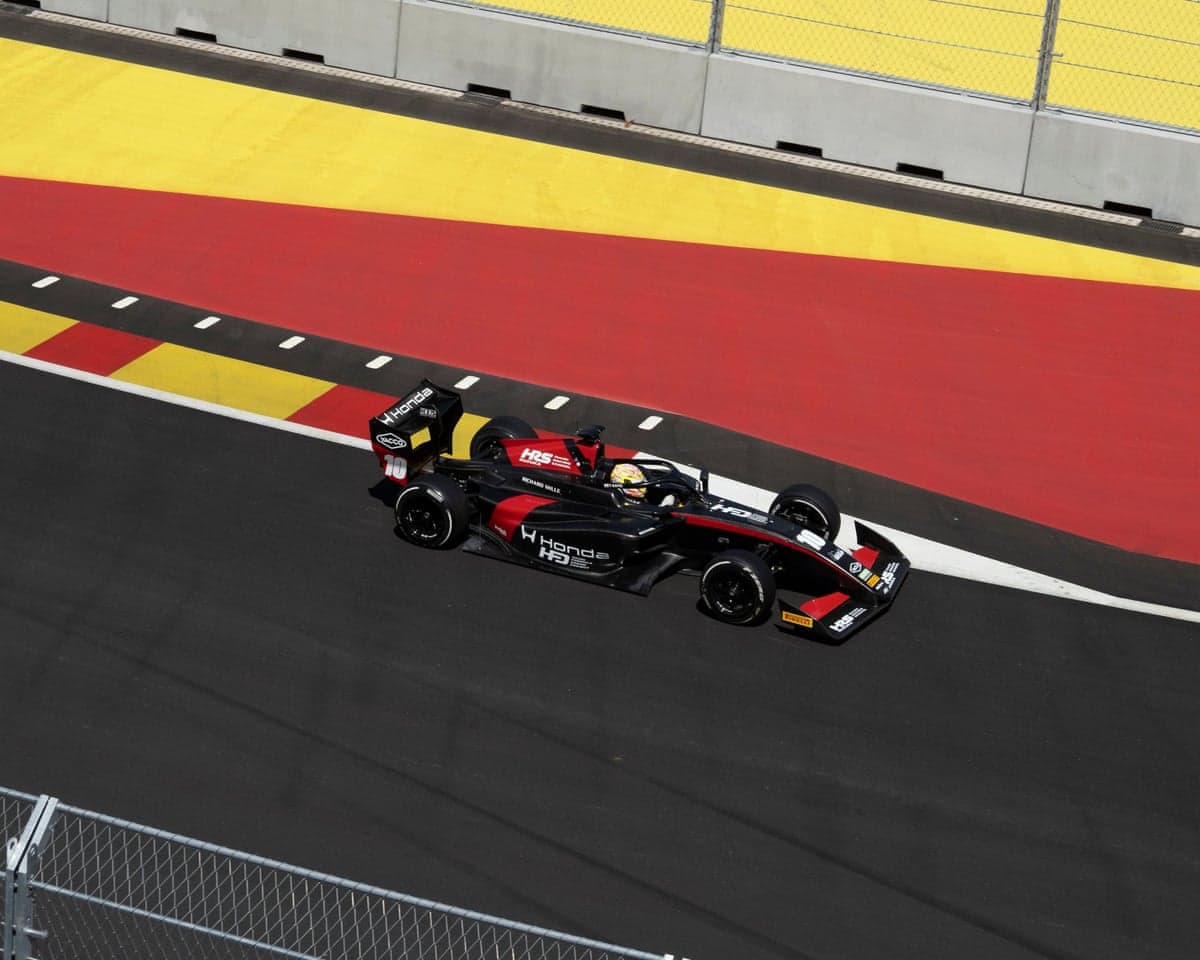
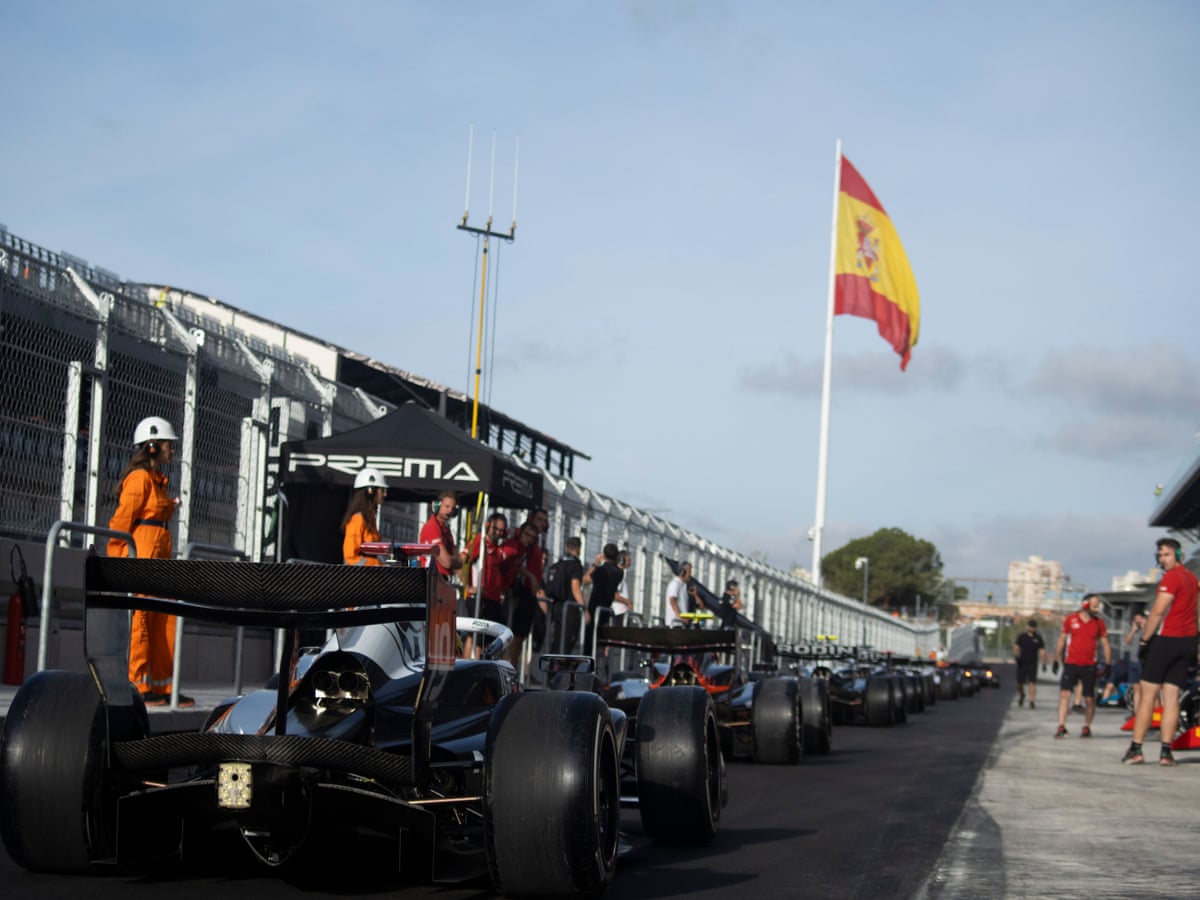
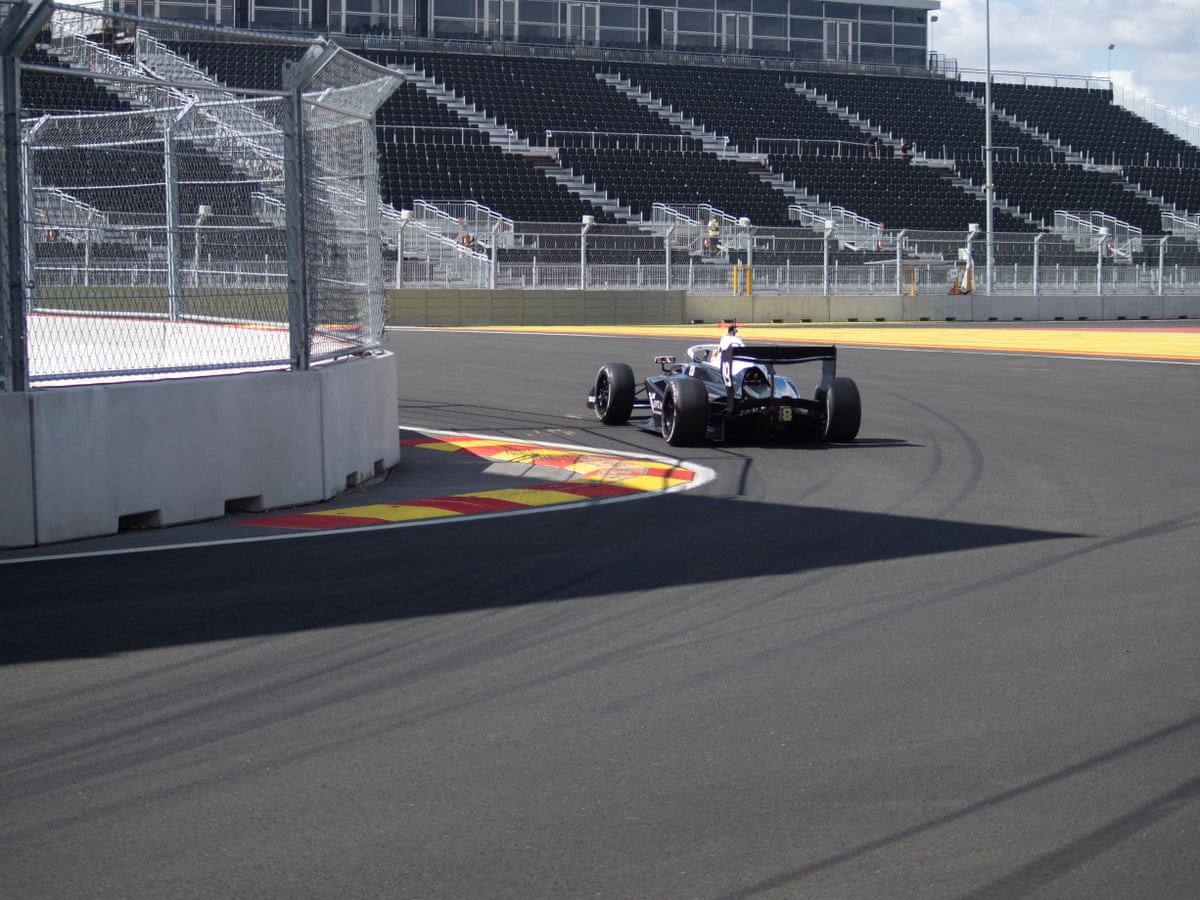
The 5.4-kilometre (3.3-mile) Madring circuit, built in the north-east of the Spanish capital at a cost of €83 million (£71 million), is designed to attract international visitors and establish Madrid as a major motor racing destination. Officials describe it as "a perfectly connected circuit: just 20 minutes from the city centre". However, testing sessions using Formula Three cars have alarmed neighbouring residents, who recorded acoustic measurements far exceeding permitted levels.
During recent tests, the Stop F1 Madrid platform documented average noise readings of 102.7 decibels, with peaks reaching between 107.7 and 109.1 decibels. According to local reporting, some measurements averaged 105 decibels. The maximum permissible noise level in residential zones is 55 decibels, meaning test readings exceeded legal thresholds by nearly 50 decibels or more.
Antonio Ibáñez, a spokesperson for the Stop F1 Madrid campaign group, highlighted the breadth of concerns affecting residents.
It's not just about the dust and the noise,he explained, noting that neighbours had reported difficulty working remotely during testing and that families with children experiencing autism had been forced to leave the area due to distress caused by the noise. The platform, established a year ago, has become the focal point for organised opposition to the project.
Environmental and health concerns extend beyond acoustic pollution. According to Stop F1 Madrid, more than 700 trees were felled or relocated to construct the circuit. María Ángeles Nieto, spokesperson for the Madrid Environmentalist platform, raised additional ecological objections, noting that a seasonal wetland supporting amphibian species was destroyed during construction.
Madrid is a city with significant temperature increases during the summer months – the entire city is a heat island,Nieto stated, warning that the circuit would exacerbate this phenomenon.
We've pointed out that this just exacerbates that heat island effect.
Nieto characterised the project as fundamentally misguided, arguing there was
no justification whatsoeverfor a track that would subject residents to
a living hellduring the grand prix and other scheduled events.
The people in charge of the city are prioritising the economic interests of Formula One over the wellbeing of the citizens in such an absolutely absurd and unnecessary way,she said.
What measures are authorities proposing to reduce noise?
Madrid's city councillor for urban planning, mobility and the environment, Borja Carabante, announced that acoustic panels and other mitigation measures would be deployed during the Spanish Grand Prix, scheduled for 11-13 September. He argued that Formula Three vehicles, used in the preliminary tests, generate more noise than Formula One cars themselves, suggesting that race-day conditions would be quieter than the test sessions that alarmed residents.
Carabante pledged that the city council would work to minimise traffic disruption during the event. He called on Madrid residents to embrace the arrival of Formula One, stating:
We should be congratulating ourselves that Madrid is hosting such an important and significant event that will put us at the epicentre of great sporting events. It's amazing news for all the people of Madrid and it's putting Madrid on the map.
Jorge Rodrigo, the regional minister for housing, transport and infrastructure, framed the event as economically justified despite the disruption.
It's worth a little bit of sacrifice from all of us … given the profitability of this event for the Madrid region and the city of Madrid, and, above all, given how it'll position us internationally.
A Madring spokesperson stated the organisation was taking
all measures within our reach to minimise the disruption caused by the construction work and the event, adding that
protecting the wellbeing of local residents and reducing the environmental impact are a priority for the organisers, and we are therefore working continuously with the relevant authorities and various stakeholders to implement mitigation and improvement measures.
How are residents planning to challenge the project?
Opposition groups are preparing a coordinated legal response to the circuit. According to reporting on the campaign, Stop F1 Madrid intends to deploy certified acoustic measurement equipment during the race weekend itself, with the explicit purpose of gathering evidence for court proceedings. Residents are now describing the Madring project as "illegal" and characterising the race as creating a public-health hazard for nearby neighbourhoods.
The measurement campaign will focus on the race day itself. According to local reporting, campaigners expect the race to produce approximately 95 decibels near the closest residential properties, well above safe exposure levels. The preliminary test data has intensified resolve among residents, with the race weekend on 13 September now viewed as a critical moment for documenting the actual impact of the event.
The circuit's proximity to homes compounds resident concerns. According to reports on neighbourhood opposition, the Madring sits only dozens of metres from some residential buildings, making it fundamentally incompatible with the area's existing use as a residential zone.
What happens next?
The Spanish Grand Prix will take place at the Madring on 11-13 September 2026, with the race itself scheduled for Sunday 13 September. Stop F1 Madrid has indicated it will gather certified acoustic measurements throughout the weekend to support anticipated legal action against the event. The data collected during the race is expected to form the basis of a formal challenge to the circuit's operation and the event's continuation in Madrid.