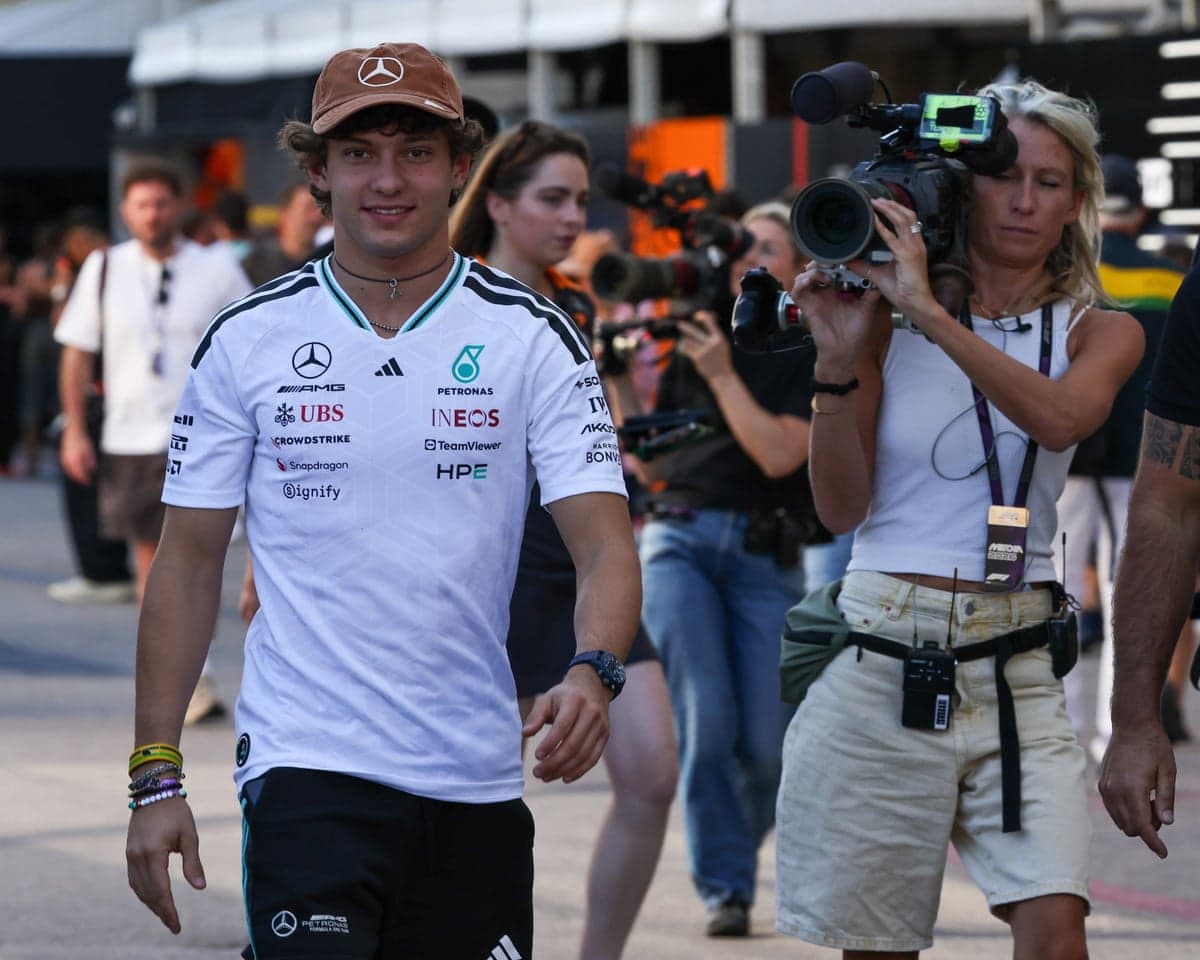
Kimi Antonelli stands on the verge of becoming Formula One's youngest world champion at just 20 years old, with his first drivers' title all but mathematically secured ahead of the US Grand Prix in Austin on Sunday. According to The Guardian, what distinguishes the Italian Mercedes driver is not merely his eight victories this season, but the rare combination of exceptional talent paired with a personable, endearing character that has made him one of the sport's most likeable competitors.
The 20-year-old currently leads the championship standings with 340 points, ahead of George Russell on 238 and Lewis Hamilton on 229, with Max Verstappen on 221, Charles Leclerc on 215 and Lando Norris on 201. Whether he clinches the title at Austin, Mexico City, or beyond remains uncertain, yet his coronation appears inevitable given the substantial margin separating him from his rivals.
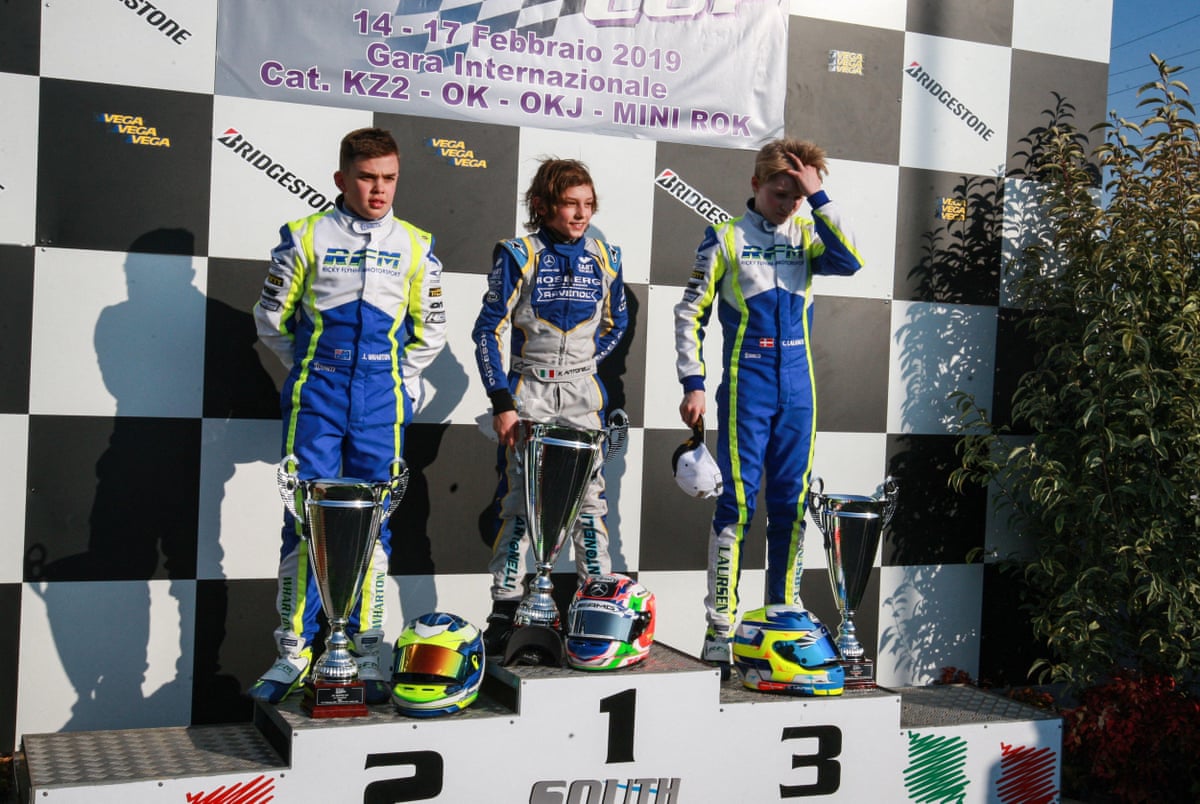
The Child Who Never Lost His Smile
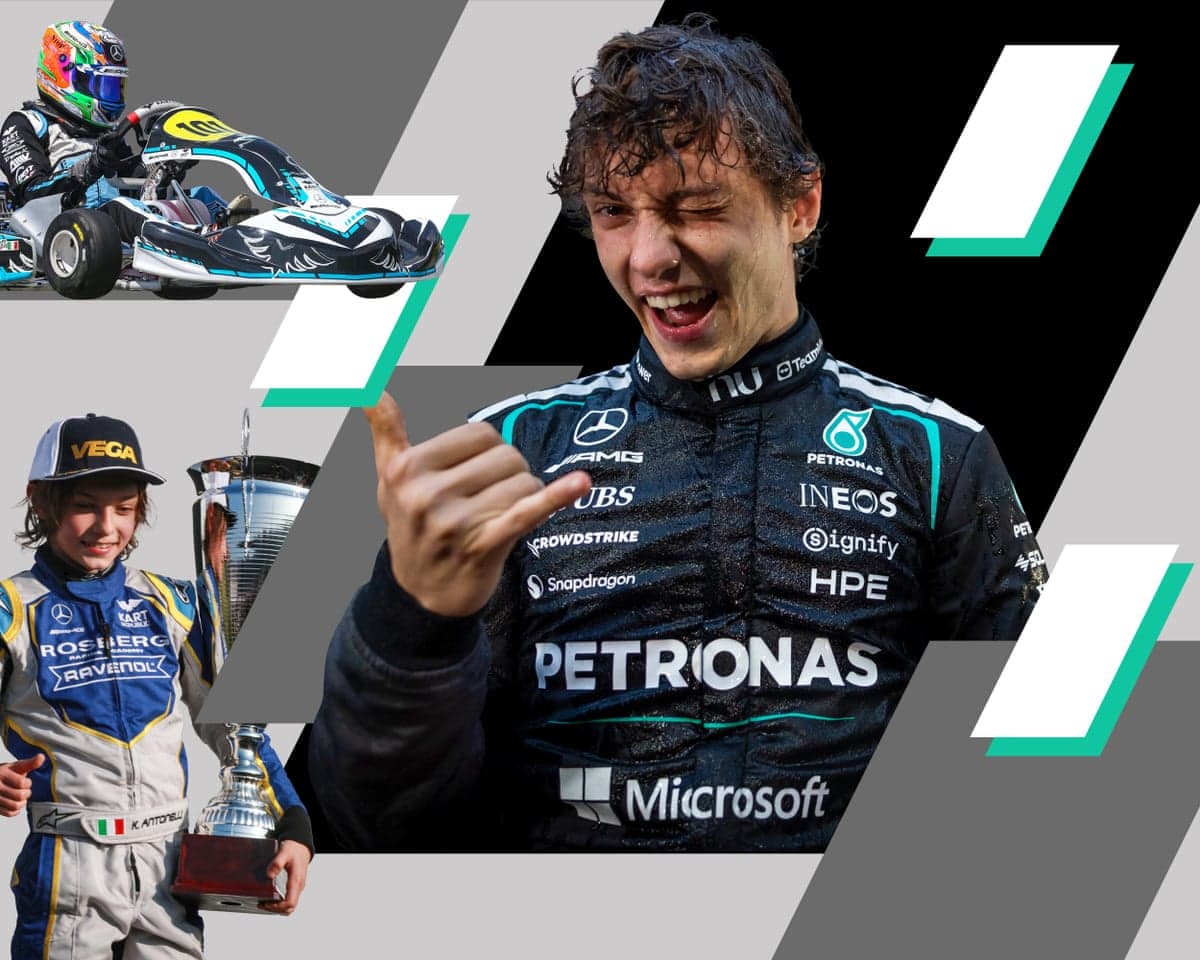
The journey from a three-year-old boy sitting on his father Marco's knee to control a racing simulator to a world champion-elect reveals a consistency of character that has defined Antonelli's entire career. Photographs from his childhood in Bologna show a young driver whose face lights up whenever he grips a steering wheel, a joy that remains evident in every aggressive manoeuvre and calculated pass he executes on track today.
Beginning karting at age five, Antonelli progressed through the junior ranks with remarkable speed. He was recruited as a Mercedes junior driver at 12 and made his Formula One debut for the team in 2025 following a rapid ascent through Formula 4, Formula Regional and Formula 2. The faith Mercedes placed in him—particularly in having him replace seven-time champion Lewis Hamilton—was substantial, yet team principal Toto Wolff harboured no reservations about either his talent or his temperament.
Wolff challenged the prevailing orthodoxy within Formula One during Antonelli's breakthrough season.
In the past, there was the opinion in F1 that in order to be winning, you need to be an asshole, you need to be ruthless and opportunistic. I don't think that Kimi is that. It's just down to driving faster than the others, and being a nice person also.This assessment has been consistently reinforced by those who have worked closely with the Italian throughout his development.
What Made Him Different From the Start?
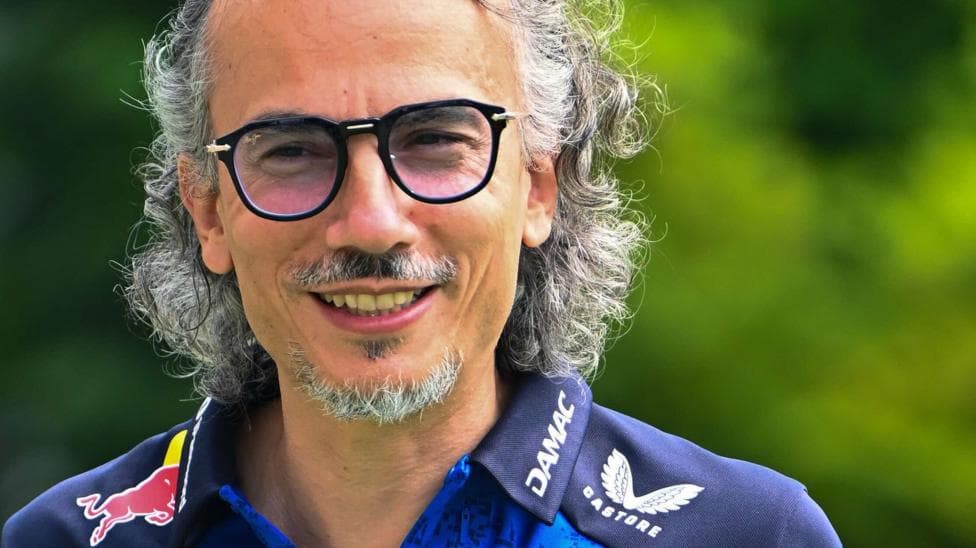
Gwen Lagrue, the talent scout who oversaw Mercedes' junior driver programme, identified something exceptional in Antonelli from their earliest encounters.
With Kimi, I saw almost from day one that I was dealing with a different kid. First, what impressed me, well, amazed me, was his natural presence. He was already having such an impact on everyone in the paddock, you noticed this kid has something different than the others. Everyone liked Kimi, everyone was hugging him. He was like the Kimi you see today when he was 11. He was so passionate about what he was doing, about racing, about F1, everything.
This magnetic quality extended beyond the paddock. Unlike many of his peers who abandoned formal education to pursue racing full-time, Antonelli's family insisted he complete his schooling. He duly finished his maturità exams shortly after securing his first podium finish, a discipline that set him apart from virtually every other driver on the grid.
Wolff underscored the rarity of this achievement with pointed observation:
Which driver has done the A-levels or the baccalaureate? Name me one that has finished school. No one.This grounding in academic life, combined with his racing pursuits, appears to have contributed to the emotional maturity and perspective Antonelli demonstrates both on and off the track.
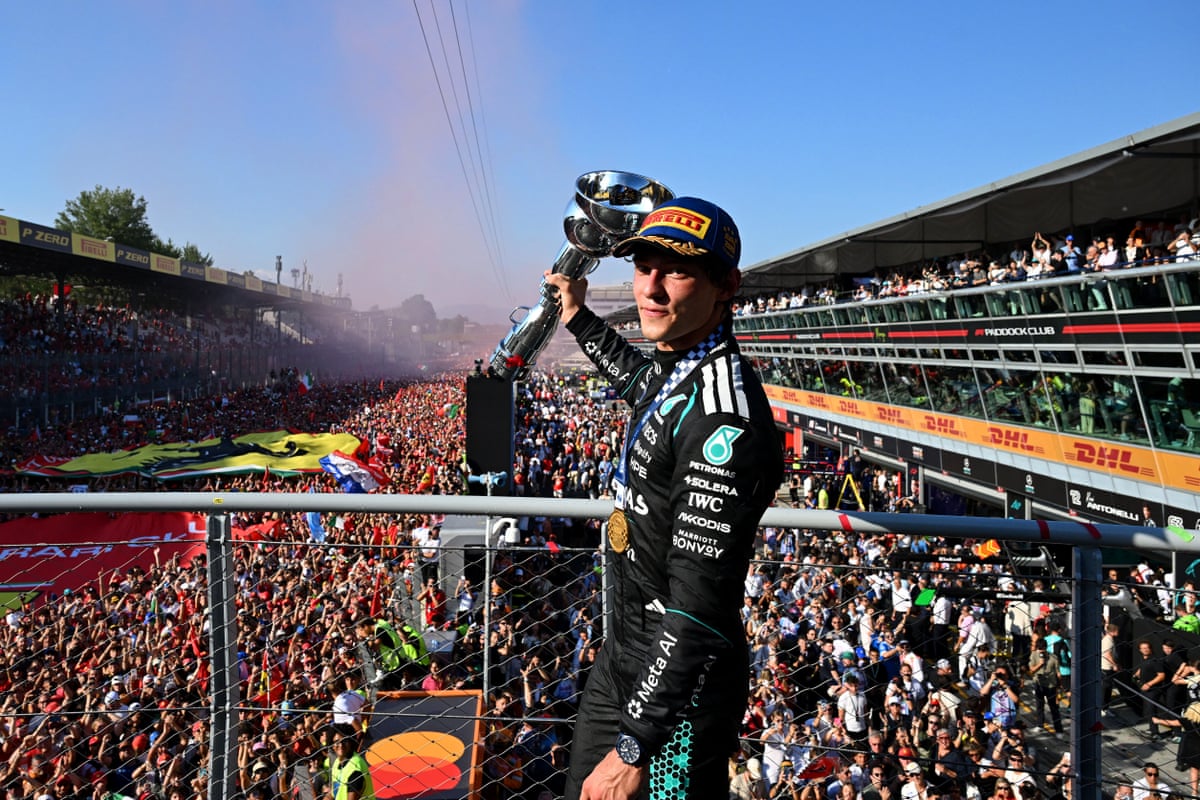
How Has His Family Shaped His Character?
The foundation of Antonelli's balanced approach to racing and life lies in his family relationships. His father Marco serves as guide, mentor and, by both their admissions, stern taskmaster when necessary—a role Antonelli has described as his
rock. Yet equally important are his relationships with his mother Veronica and younger sister Maggie, bonds he has made clear are non-negotiable to his wellbeing.
My dad is always going to give me his point of view, he's going to give me advice and then if I decide to listen, good, but if I don't decide to listen, it's OK as well. We always have a strong relationship but this is the same with my mum and my sister. The way I am I don't think I could cope with having a bad relationship with my family member, it's something that I would really struggle to cope with, that's why I couldn't see myself, you know, just taking distance from them.
Intriguingly, Marco had initially resisted his son's pursuit of motorsport. A capable sportscar driver himself who came close to securing works contracts with two German touring car manufacturers, Marco feared his son might endure the same disappointments.
I was scared that my son [would] relive the same situation. At the beginning, I was very stressed about the passion my son had for motorsport.However, once he permitted Antonelli to chase his dream, Marco became his constant presence at the track, mirroring the relationship Lewis Hamilton shared with his father Anthony during his formative years.
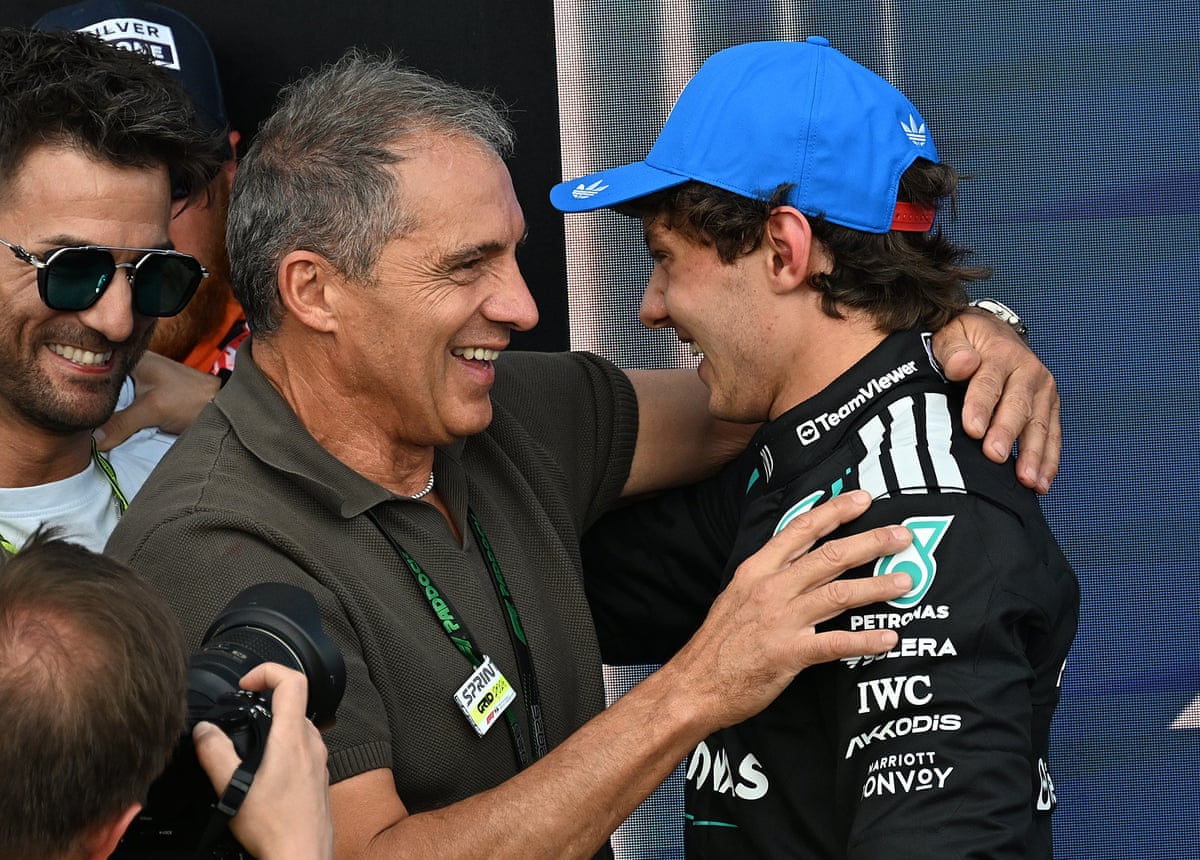
The pair share an easy rapport evident in their trackside interactions. After a brilliant victory in Belgium followed by a near-penalty for exceeding track limits in Hungary, Antonelli recalled his father's characteristically blunt response with laughter:
He said: 'Congrats, but …' Always a but … 'If I see you doing another track limit for nothing, I'm gonna stretch your neck like a chicken.'
What Separates His Driving Style From His Personality?
Antonelli possesses a remarkable ability to shift into what Wolff terms
race mode—a zone of complete focus where he adopts a daring, aggressive driving style that pushes the machinery to and occasionally beyond its limits. Yet this intensity coexists with boyish honesty and a willingness to learn from mistakes, traits Wolff prefers to nurture rather than suppress.
Lagrue noted that early in his development, Antonelli required guidance to moderate his approach.
We had to teach him instead of always being at 110%, just be at 100%.This capacity for refinement, combined with his natural aggression, has allowed him to extract maximum performance from the fiendishly complex modern Formula One machinery while maintaining consistency across a full season.
Alongside this competitive verve, Antonelli has demonstrated a maturity that belies his age and cheerful demeanor outside the cockpit. He has displayed the judgment of a seasoned veteran while managing the endless micro-adjustments required to balance contemporary cars, a skill that, like many of the sport's greats, he makes appear effortless. His father captured this duality in remarks to La Gazzetta dello Sport shortly after Antonelli's 20th birthday:
I hope he remains who he is, sweet and generous, and continues to do what he loves for as long as possible.
What Record Could He Break at Austin?
Should Antonelli secure the championship at the US Grand Prix, he would shatter Sebastian Vettel's record as Formula One's youngest champion. Vettel claimed that distinction in 2010 at 23 years and 134 days old; Antonelli, who turned 20 in August, would become champion at an age nearly three years younger than his predecessor.
Peer recognition of his achievement has been widespread. Lando Norris described Antonelli as having done an "incredible job" and performed "two levels above" teammate George Russell this season. This assessment from a rival driver underscores the magnitude of Antonelli's breakthrough campaign.
What Challenges Await at Circuit of the Americas?
The Austin venue presents its own complications beyond the championship battle. Drivers have condemned the Circuit of the Americas' surface condition as dangerous, with Max Verstappen calling the bumps "unacceptable" and citing severe physical toll. Despite these concerns, the race is scheduled to proceed as planned.
Antonelli himself has adopted a measured approach to the championship opportunity. He stated he would focus on a "perfect weekend" rather than the title itself, describing a championship win as dependent on a "catastrophic" collapse by rivals. Before his appearance on the grid at the Italian Grand Prix, he expressed his desire to win the championship while remaining true to himself, a commitment he has admirably fulfilled throughout this extraordinary season.
What Happens Next?
The US Grand Prix weekend will unfold across three days, with final practice and qualifying scheduled for Saturday, 24 October, followed by the race on Sunday, 25 October at 3 p.m. local time. Beyond Austin, the season's calendar includes scheduled races in Mexico City and potentially Qatar and Abu Dhabi, though uncertainty persists regarding whether the Middle East events will proceed given ongoing regional tensions.
Whether Antonelli clinches his historic title at Circuit of the Americas or must wait for subsequent rounds, his emergence as a world champion represents a watershed moment for Formula One. A driver who has maintained his warmth, humility and infectious passion for racing while ascending to the sport's pinnacle offers a refreshing counterpoint to decades of championship narratives built around ruthlessness and emotional distance. His achievement, when it comes, will belong not only to a supremely talented racing driver, but to a young man who has refused to compromise the essential character that made him remarkable from the moment he first gripped a steering wheel.