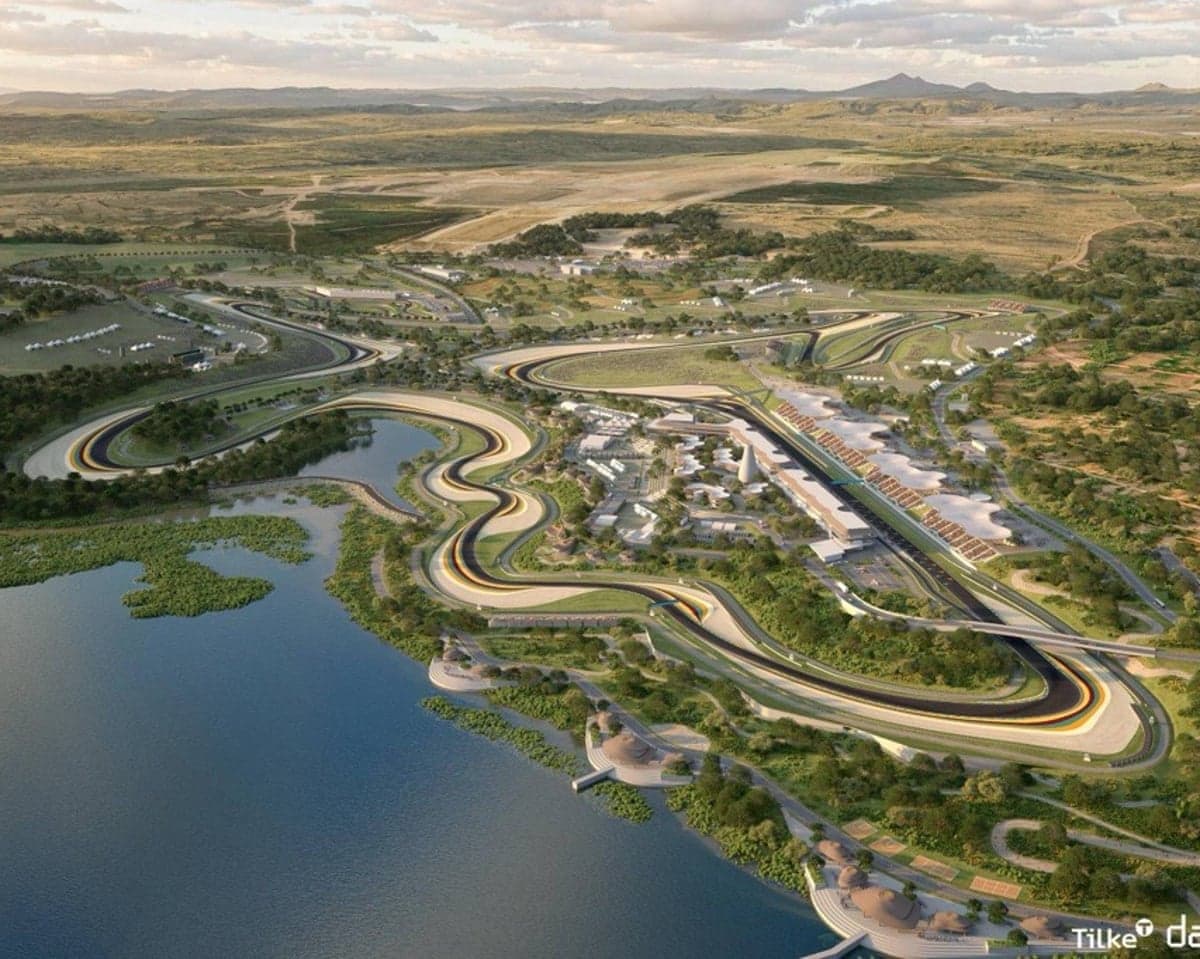
Formula One will race on the African continent for the first time in more than three decades after the sport's leadership confirmed a landmark 10-year agreement with Rwanda. The African Grand Prix, to be presented by Visit Rwanda, will take place at a newly constructed circuit in Bugesera, approximately 25 miles south of the nation's capital Kigali, with racing set to commence in the early 2030s.
The announcement represents a significant response to years of advocacy by seven-time world champion Lewis Hamilton, who has repeatedly urged F1 to establish a presence on the continent. The last Grand Prix held in Africa occurred in 1993 at South Africa's Kyalami circuit, nearly four decades ago.
F1's Chief Executive Stefano Domenicali described the development as transformative for the sport.
Today is a landmark moment for Formula One. With Rwanda joining the calendar from the next decade, our sport will race in every inhabited continent, bringing the world championship closer than ever to fans around the globe. Africa has always been part of Formula One's future, and from the beginning we were determined to return in the right way, with the right partner, a long-term commitment and a clear vision for creating meaningful impact.
Why Rwanda and why now?
The Rwandan government views the Grand Prix as a catalyst for broader economic development beyond the single race weekend. According to ESPN's reporting on the agreement, President Paul Kagame has framed the project as an opportunity to generate employment, develop workforce skills, attract tourism, and stimulate new business ventures across the nation. Rwanda formally presented its F1 candidacy in December 2024 during an FIA gathering held in Kigali, signalling the country's serious commitment to hosting the sport's premier racing series.
The selection of Rwanda follows the collapse of South Africa's efforts to revive its own Grand Prix. Negotiations between F1 and local promoters at the historic Kyalami circuit broke down, leaving the door open for an alternative African venue.
What will the circuit look like?
The Bugesera track is being engineered by WurzDesign, the firm founded by former F1 driver Alexander Wurz, alongside the Tilke engineering group. F1 has committed to designing the circuit to harmonise with the natural environment, leveraging the region's topographical features to deliver a distinctive and demanding racing challenge. The drivers on the grid will have input into the track's final design specifications.
The circuit will be positioned adjacent to the new Kigali International Airport and must satisfy FIA Grade 1 standards, the highest classification for international motorsport venues. Beyond hosting the annual Grand Prix, the facility is planned to accommodate other international motorsport competitions outside the Grand Prix weekend, maximising its utility throughout the year.
What does this mean for African fans?
Domenicali emphasised the continental significance of the decision, noting that the sport's expansion into Africa addresses a long-standing gap in its global footprint.
For our fans, this is an especially exciting moment. Africa is home to more than 100 million Formula One fans, and that number continues to grow rapidly. We are bringing the excitement, energy and drama of Formula One closer to millions of people who have waited a long time to see our sport return to the continent, and we look forward to writing an exciting new chapter together.
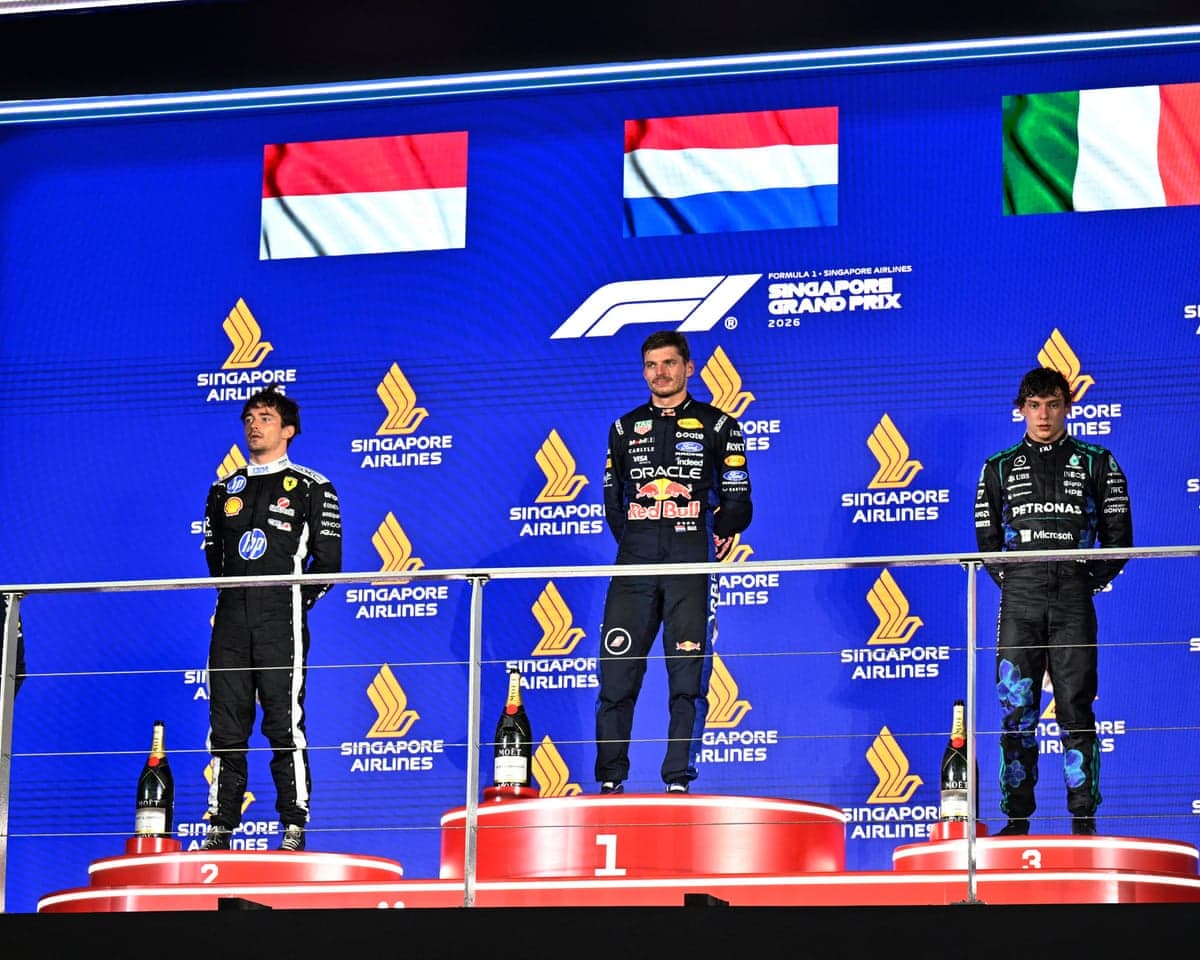
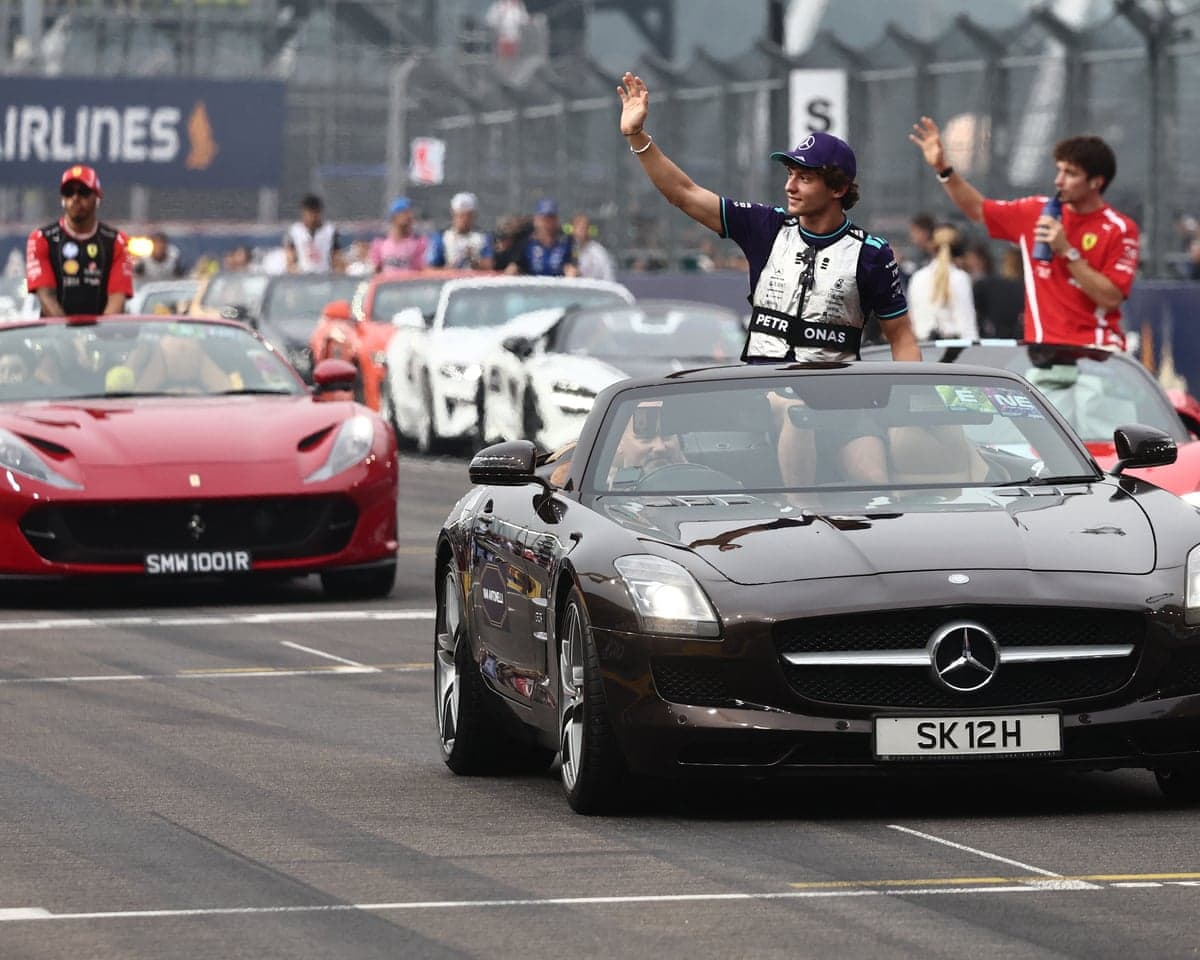
Hamilton, now 41 years old, has been instrumental in pushing for African representation on the F1 calendar. Speaking at the Singapore Grand Prix, he reiterated his conviction about the continent's importance to the sport.
I've always said that we need to have a Grand Prix in Africa. For me, it's the most important continent and the most beautiful continent. We're on all the other continents but that one, and there should be no reason for it. It's something I've been pushing for in the background and Stefano's been amazing.
What happens next?
F1 has indicated that further details will emerge in due course, including the specific year of the inaugural race, key milestones in circuit development, and comprehensive plans for the race weekend itself. The confirmation of an exact start date remains pending, though the early 2030s window has been established as the target timeframe for the African Grand Prix to debut on the world championship calendar.