Christian Horner, the 52-year-old former team principal of Red Bull Racing, has opened up about the pain of his sudden departure from the team in July 2025 after two decades building it into a Formula 1 powerhouse. Speaking at his home in Highgate, London, Horner reflected on losing his identity, dealing with panic attacks, and watching Red Bull's engine achieve victory without him at the helm.
Horner arrived at Red Bull in 2005 as the youngest team principal in F1 history and oversaw its transformation from a startup of fewer than 400 staff to an organisation of 2,200 employees by the time he left. During his tenure, he secured 124 wins and 14 championships—six constructors' titles and eight drivers' titles—winning one race in every four he competed in across 405 races that yielded 287 podiums.
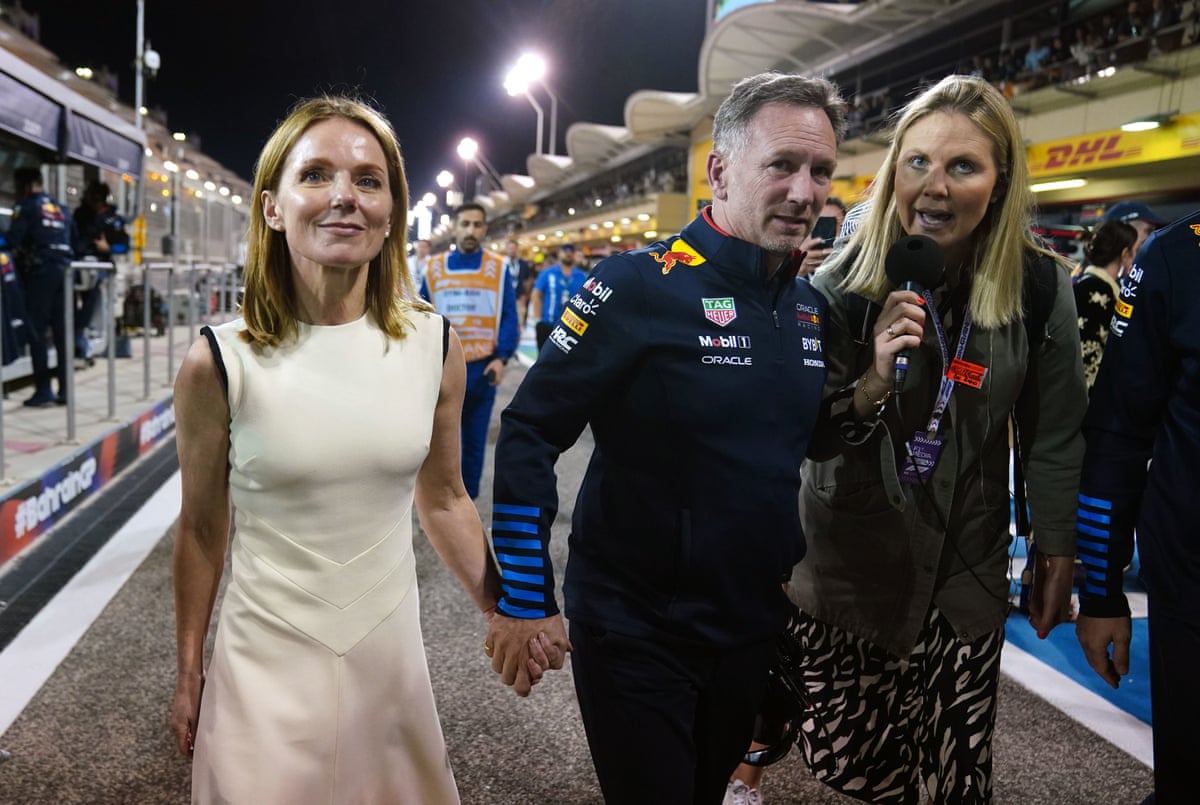
The shock of dismissal and its aftermath
Horner described the moment of his removal as deeply traumatic.
It felt particularly brutal and sad to finish in that manner,he said, adding that the experience was compounded by personal tragedy. His former partner Beverley Allen, mother of his 11-year-old daughter Olivia, died from eye cancer in the week before his sacking, leaving him grieving and supporting a bereaved child through an exceptionally difficult period.
The dismissal came despite Horner having six years remaining on his Red Bull contract. According to financial records from Red Bull Technology's 2025 report, Horner received compensation for loss of office exceeding £67 million, alongside £9.029 million in remuneration and £10,000 in pension contributions.
Horner explained that he did not immediately process the full weight of his departure.
It was painful. Very painful. I didn't really process it till a month later because, in the immediate aftermath, I focused on supporting my daughter through a hideous period.He acknowledged the existential crisis that followed, describing how losing his role stripped away the identity many middle-aged men derive from their work.
The identity of many middle-aged guys is through their work. Suddenly you have that stripped and taken from you. Who are you? What are you? What is your purpose? You either curl up into a ball or brush yourself down and get up.
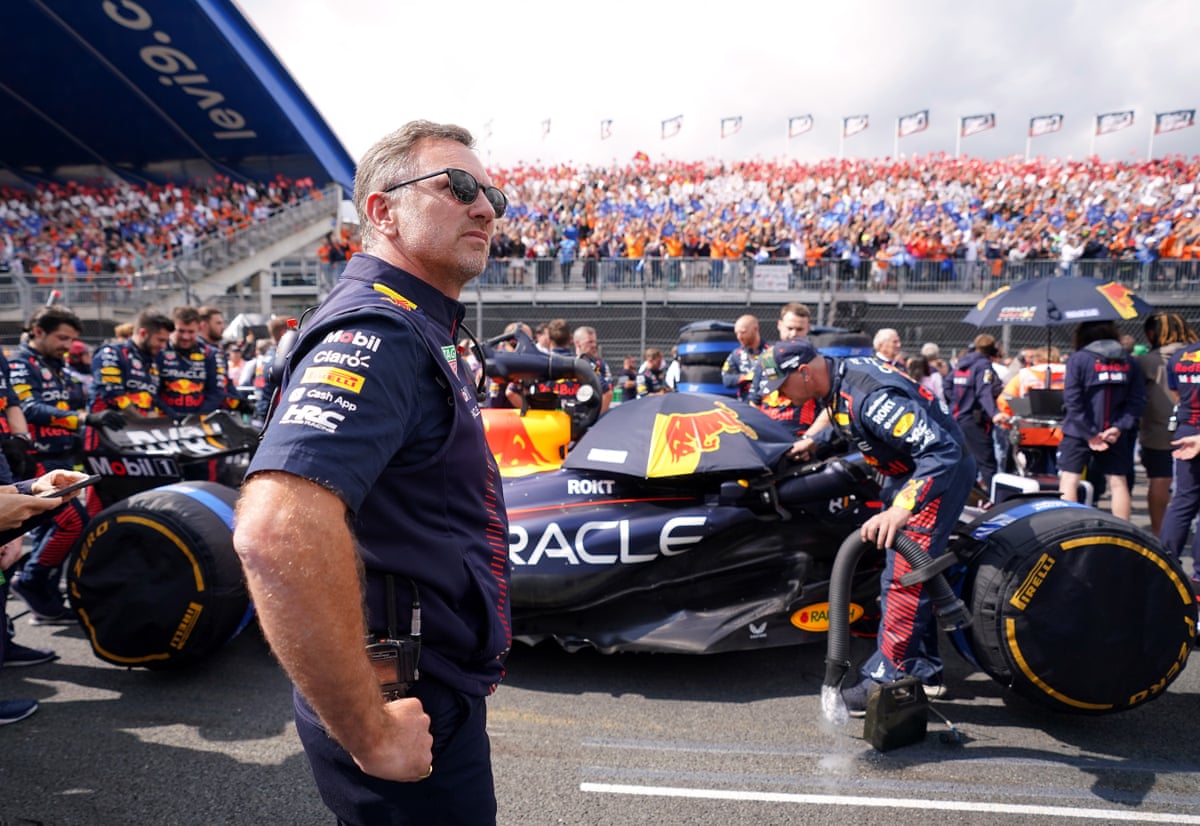
What triggered the dismissal?
The reasons for Horner's removal remain opaque. Horner has stated he was never given a clear explanation beyond Red Bull's view that team performance had slipped and that it wanted a different direction. He suggested the dismissal centred on concerns about the concentration of power in his hands rather than any single incident.
A 2024 investigation into allegations made by a female employee was completed and dismissed; a separate independent review rejected the complainant's appeal. Horner denied wrongdoing throughout. When asked whether those allegations contributed to his July 2025 departure, he responded:
I'd come through that, dismissed them. So this was more focused on performance and the future.
Horner firmly rejected suggestions that Max Verstappen or his father Jos played a role in his removal.
No, it was a Red Bull decision. After Dietrich died, things changed in the leadership.He was referring to Dietrich Mateschitz, Red Bull's billionaire founder who had consistently backed him. The power vacuum following Mateschitz's death created a shift in the company's direction and priorities.
The pain of missing a milestone
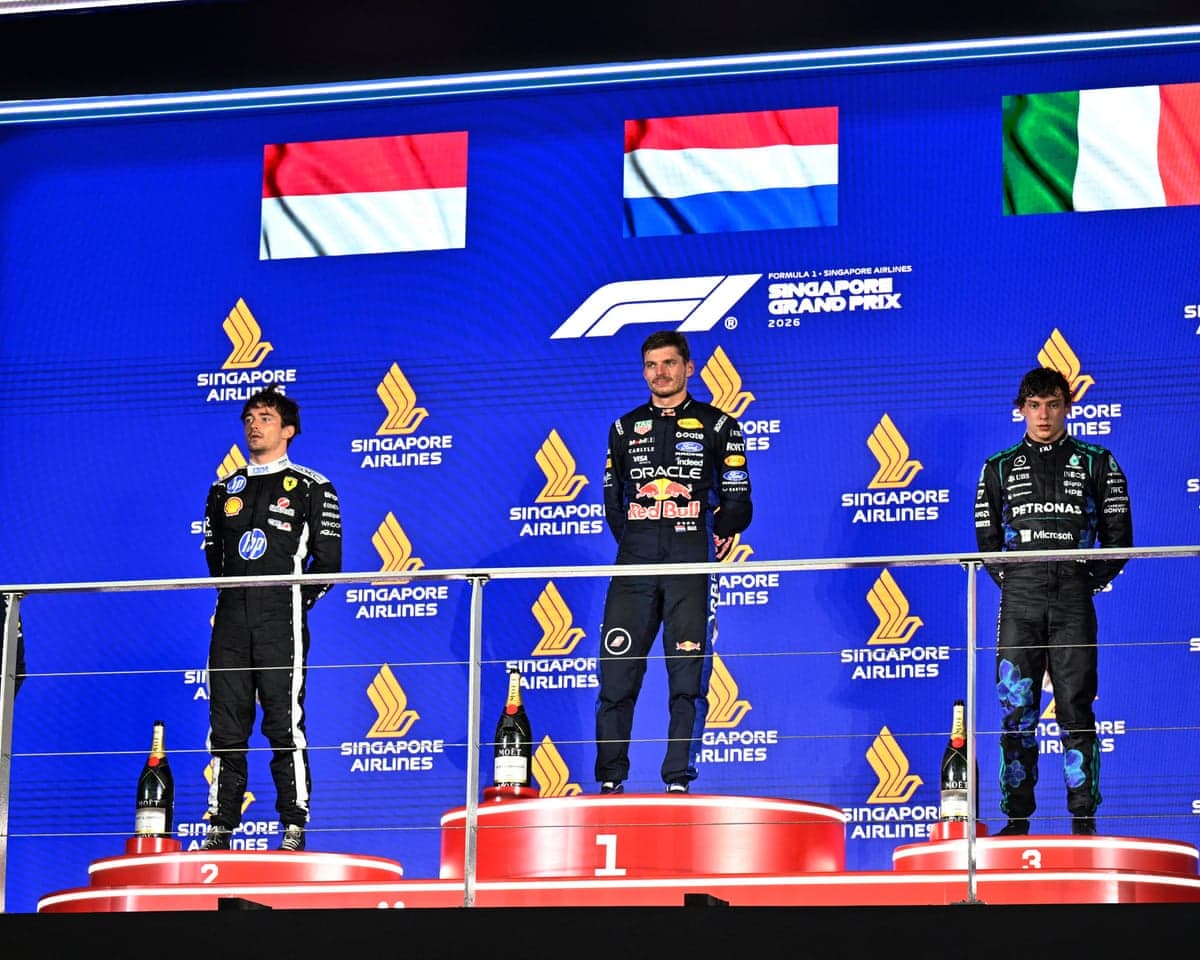
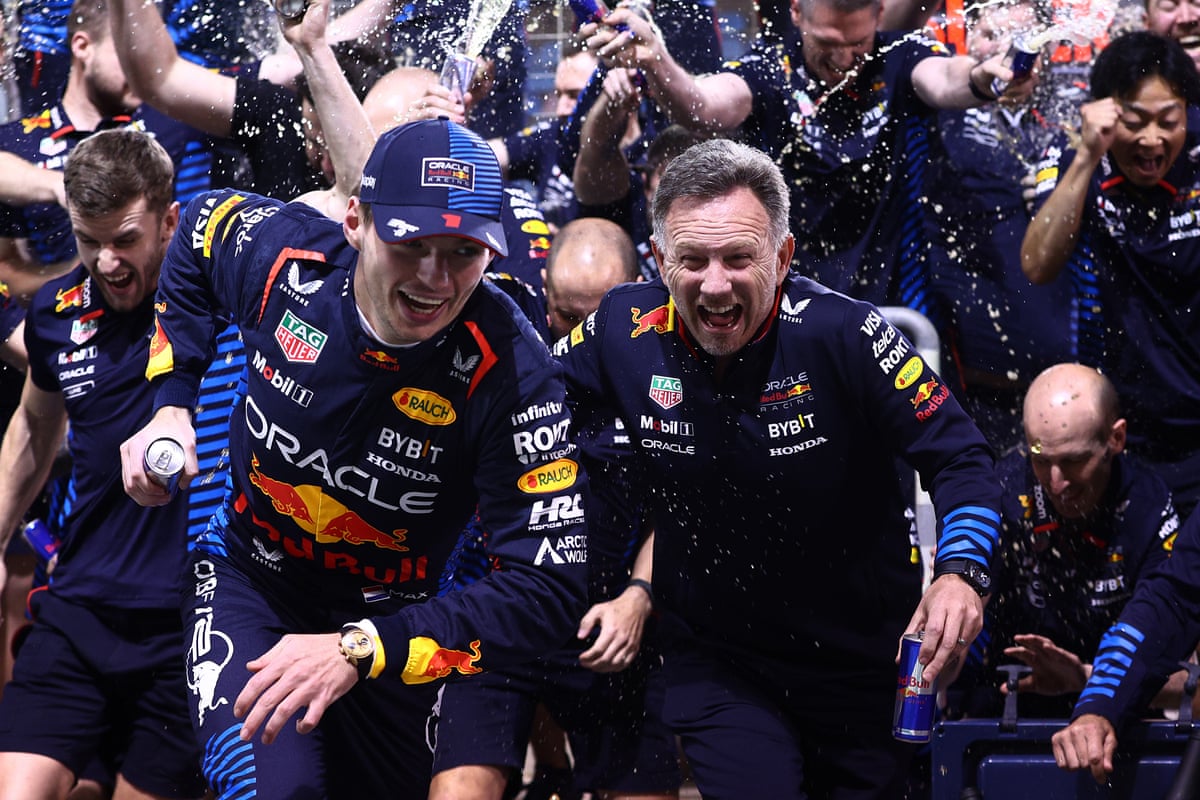
Among Horner's deepest regrets is not witnessing Red Bull's newly manufactured engine compete. The Powertrains engine project, which he had conceived and initiated near the end of his tenure, made its race debut at the Bahrain Grand Prix nine days before this interview. Max Verstappen won that race, marking Red Bull's first victory with an engine built entirely by the team.
I felt very proud seeing what it meant to everybody and that they sent the Powertrains representative on to the podium. I had messages throughout the team and I texted Max after the race. He was very magnanimous and it was a landmark moment to see that engine win. It reinforced to me that, if you assemble the right people with the right culture and the necessary tools, anything is possible.
Horner expressed particular sadness at missing this achievement.
Nobody could take away the 124 wins and 14 championships. But I felt particularly hurt and robbed I didn't have the opportunity to see that engine win.He also noted his relief at leaving, given the mounting pressures of the previous two years combined with the bereavement affecting his family.
Has Red Bull lost its edge?
Despite acknowledging Red Bull's recent struggles, Horner believes the team has fundamentally changed since his departure.
Red Bull has been the maverick team. It's pushed the boundaries. Only Red Bull would do something crazy enough to build a new engine as a subsidiary of a fizzy drinks manufacturer. Its mantra was to be nonconformist, to be a disruptor. It's a little different now.
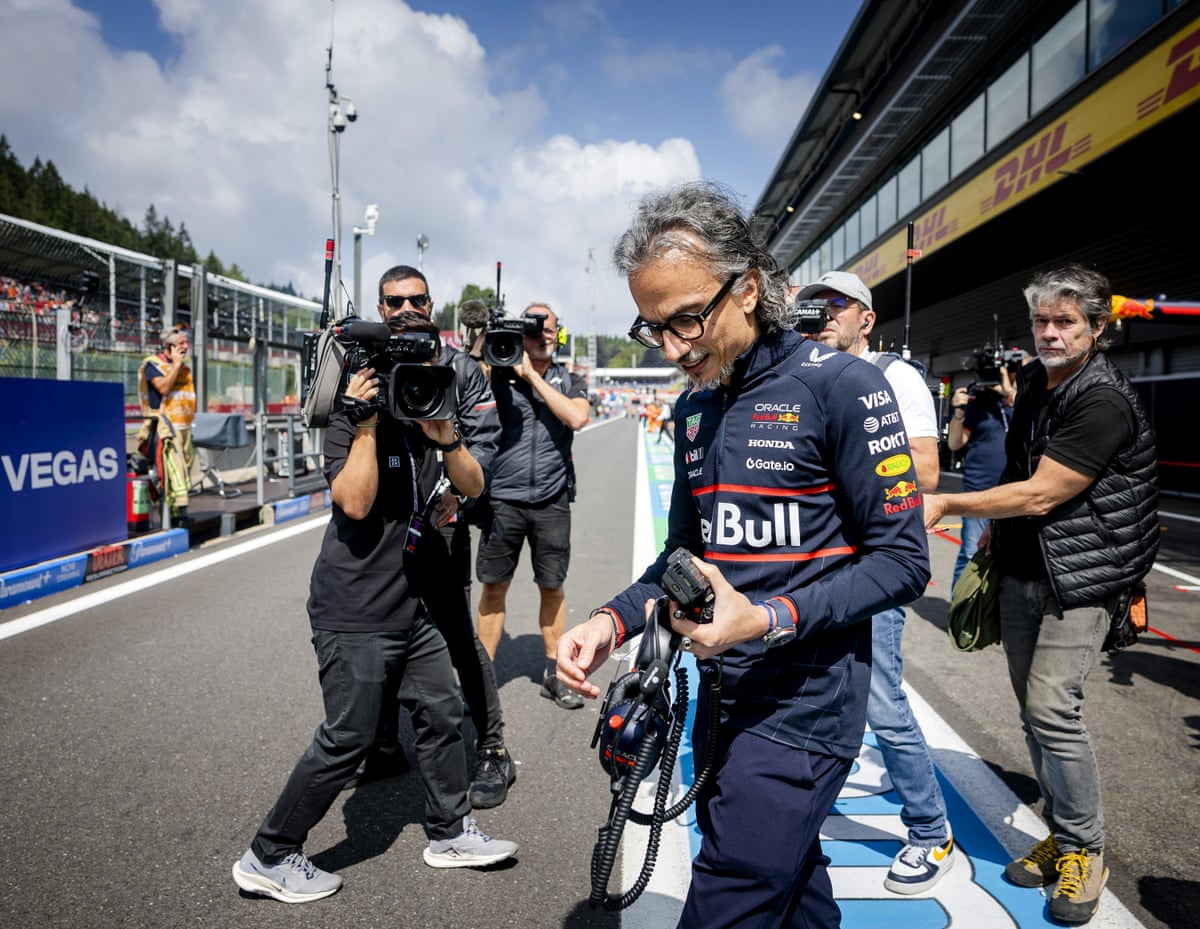
He declined to comment directly on the leadership structure under his successor Laurent Mekies, saying only that Oliver Mintzlaff, the CEO of corporate projects, holds the most senior position, with Max Verstappen representing a major asset to the team. However, he noted a shift in the organisation's culture and approach.
The brutality of Formula 1
Horner drew a parallel between his own departure and the day he replaced Tony Purnell as team principal in 2005. In his forthcoming book, he describes witnessing Purnell and the managing director Dave Pitchforth leaving with cardboard boxes of personal belongings, their expressions downcast.
Formula One is ruthless,he reflected at the time.
Now, looking back, Horner observed:
History repeats itself. Not all teams act in that way. A lot of teams haven't delivered over the years but you don't see the same brutality as when I left. We had pole position at the previous race.He was referencing the circumstances surrounding his removal, which came despite Red Bull's competitive standing.
The emotional toll of his departure extended to the team itself. When he said goodbye to staff he had built relationships with over two decades, he witnessed grown men in tears.
That group became your extended family. So the tears on grown men's faces was deeply moving.
Mental health and the cost of competition
Horner has also opened up about suffering panic attacks, a condition he initially did not recognise.
I didn't know what it was. You suddenly feel dizzy and conscious of your breathing and you think there's something strange going on. I put it down to having had too much coffee on an oppressive, muggy, thundery day. Then it happened again. I got checked out and there was nothing physically the matter. They said: 'We think you have anxiety. Your breathing's very shallow.' It was my body telling me you're pushing pretty hard here. I'm able to recognise the symptoms now and let it go, and breathe.
He credited Mercedes team principal Toto Wolff with raising awareness of mental health issues affecting people in their age group.
Toto was very brave to talk openly about such a factor for people our age. I hadn't experienced those issues but I had an appreciation during this period of how people could [suffer].
The rivalry that defined an era
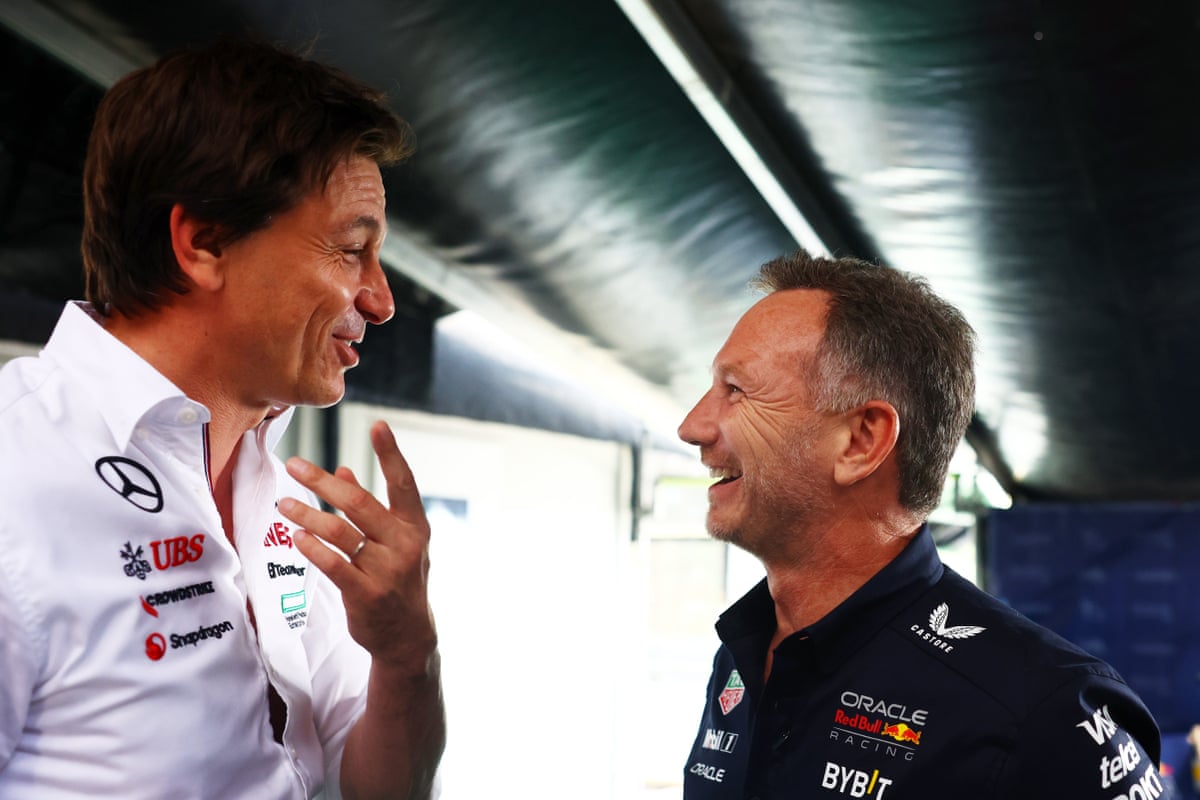
Horner's relationship with Wolff has been defined by intense professional rivalry. When asked about Wolff's recent comment that Horner had
broken too much glassto return to Formula 1, Horner responded with characteristic sharpness. He noted that Wolff had also predicted Red Bull's engine project would be
completely shit and a disaster—a prediction that proved spectacularly wrong.
Horner argued that sport requires rivalry to thrive.
All sport needs rivalry, whether it's Ferguson and Wenger, Mourinho and Guardiola. It percolates and polarises. I used that to galvanise good people to take on Mercedes.He suggested that Wolff's current position is easier because McLaren team principal Zak Brown, who uses Mercedes engines, is constrained from challenging him openly.
What comes next?
Horner has not ruled out a return to Formula 1, but only under the right circumstances.
Absolutely. But if I don't go back I had a hell of a run. I won one in every four races I competed in. I had 287 podiums out of 405 races.He has expressed interest in Ferrari, describing it as
a dream job, though he clarified those comments applied more broadly to the sport than to his own ambitions.
His preference is to return with a team where he holds an ownership stake—something Ferrari cannot offer.
I've accumulated some phenomenal capital behind me, to look at the next move I potentially make in the sport. That would be with ownership attached to it and Ferrari aren't going to sell shares. So I'm happy to sit outside the sport and see what opportunities present themselves over the coming months or years. It's not a prerequisite that I go back. I would only return for the right opportunity with like-minded people that want to win. I would never go back just to take part.
For now, Horner is finding unexpected pleasure in stepping back from the relentless demands of Formula 1. On the day of this interview, he chose to celebrate his daughter's 13th birthday rather than travel to Singapore for the grand prix—a race he would have attended for the previous 21 years.
For the last 21 years I would have been sitting in Singapore right now. But it's my daughter's 13th birthday today and I'm taking her to see Hamilton at the theatre tonight.
When asked what he misses most about the sport, Horner replied:
The people, the team, the competition. I still love the sport but I don't miss the travel and politics.Looking further ahead, he acknowledged uncertainty about his future.
I'm looking forward to finding out. It could be at a racetrack, it could be sitting on a tractor.
Yet beneath the humour lies genuine conviction about where his talents lie.
I know my strength is getting a group of people across different skill sets to work as a team. That's possibly applicable to other things but, at the moment, the only thing that really motivates and excites me is Formula One.
Verstappen's perspective on the paddock shift
Since Horner's departure, the atmosphere within Red Bull and the wider paddock has reportedly changed. Max Verstappen said the paddock is "less stressful" since Horner's departure, adding that "it is not nice when you constantly have tension between people." This assessment suggests that while Horner's competitive drive and strategic vision were instrumental in Red Bull's success, his exit has altered the team's internal dynamics.
Key facts
- Horner spent 20 years at Red Bull Racing, winning 124 races and 14 championships before his dismissal in July 2025.
- He received compensation for loss of office exceeding £67 million, with six years remaining on his contract at the time of dismissal.
- Red Bull's newly manufactured Powertrains engine achieved victory at the Bahrain Grand Prix, a project Horner had initiated but did not see completed.
- Horner has not ruled out a return to Formula 1 but would only accept a role with ownership involvement and like-minded colleagues committed to winning.
- The next Formula 1 race is the United States Grand Prix in Austin, scheduled for October 23–25, 2026.
Drive by Christian Horner is published by Bantam on 22 October.