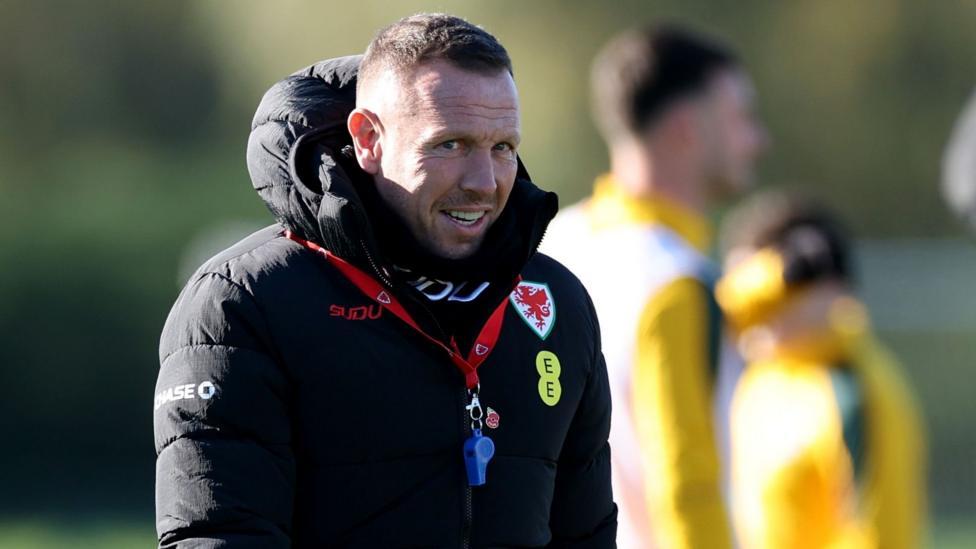
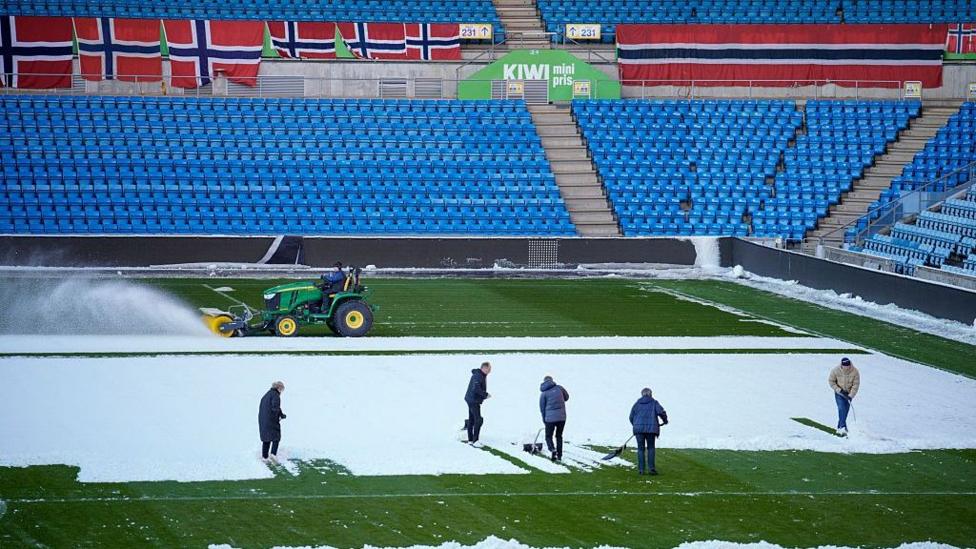
As the first snow of the season blankets Oslo, groundstaff at Norway's home stadium are working to prepare the pitch for Saturday's Nations League encounter. Tractors operate across the field while Norwegian Football Federation personnel assist with clearing operations, a scene that has become familiar given the venue's historical drainage challenges. Even Erling Haaland had publicly questioned the pitch condition in March before improvements were made during the summer months.
According to BBC Sport, Wales travel to Ullevaal Stadion on Saturday, 14 November at 17:00 GMT seeking to inflict further damage on a Norway side in crisis by their recent standards. The hosts have suffered three consecutive defeats for the first time in a decade, a dramatic reversal for a team that entered 2025 unbeaten and reached the World Cup quarter-finals.
Norway's struggles stand in sharp contrast to their emergence as a genuine force in international football. Their victories over Italy in World Cup qualifying—securing qualification to their first major tournament since 1998—and a stunning last-16 win against Brazil in New Jersey demonstrated their credentials. Yet under coach Ståle Solbakken, they now occupy the bottom of Group A4 with a single win from four matches, level on three points with Wales but behind them on head-to-head record.
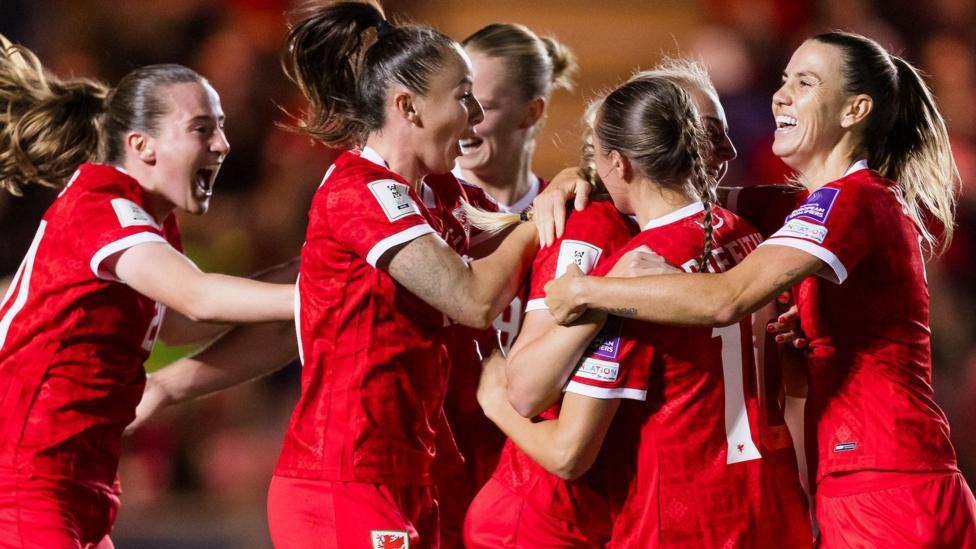
Wales' sole victory in this campaign came against Norway in Cardiff a month ago, and they are attempting to join Portugal and world champions Spain as the only teams to secure competitive wins in Oslo over the past three years. According to BBC Sport, Solbakken described that Cardiff performance as Norway's worst in two years, citing a lack of intensity and poor possession-based play.
What is at stake for both nations?
Both teams face the dual challenge of avoiding relegation from the top tier while positioning themselves for Euro 2028 qualifying. Finishing third or higher guarantees top seeding in the qualifying draw, a significant advantage that allows teams to avoid being grouped with Europe's strongest nations. The bottom two fourth-placed teams face automatic relegation, while other fourth-placed finishers enter League B/A play-offs.
Wales head coach Craig Bellamy, who took over the role in July 2024, has emphasised the importance of the fixture.
The way we look at it is this is the type of game we want to be playing in. I see a collective team that you have to like but, individually, very much so as well. So that's a good challenge.He added:
It'll go a long way to us having an opportunity of being seeded one, which is huge for us, but it isn't going to be given to us. We have to go out there tomorrow and try and take it. So, for me, it's fight fire with fire. I'm expecting them to really come with big intensity and it's up to us to match it.
Bellamy acknowledged Norway's threat despite their recent form.
We've all been aware of their threat. The World Cup proved that. And I just don't see them going anywhere for the next five, 10 years either.
The parallel golden generations
Norway's current predicament echoes Wales' own experience following their golden era. Wales had been absent from major tournaments for 58 years before a team featuring Gareth Bale and Aaron Ramsey reached the Euro 2016 semi-finals in France. That tournament transformed Welsh football, opening the door to subsequent qualifications at Euro 2020 and the 2022 World Cup.
Solbakken drew parallels between the two nations' trajectories.
I think that we are both small countries, so I can agree on that. Everyone will remember that summer of 2026 in Norway, as Wales did 10 years ago.
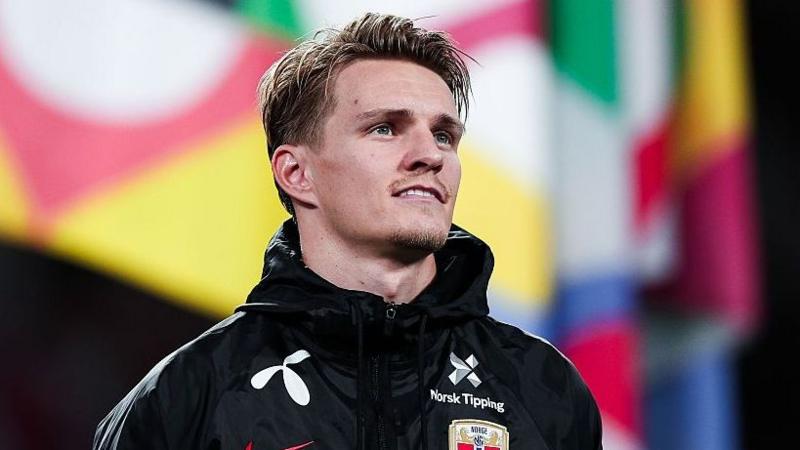
The comparison extends to the personnel driving each team's success. Both squads have been built around the talents of elite forwards—Bale for Wales and Haaland for Norway—and creative midfielders from Arsenal, with Aaron Ramsey playing that role for Wales and Martin Odegaard now doing so for Norway. Few members of that Welsh vintage remain, though captain Ben Davies of Tottenham Hotspur is a notable exception.
Davies played a crucial role in Wales' victory over Norway last month, anchoring a defence that successfully contained Haaland. The 33-year-old has previous experience neutralising the Norwegian striker, having been part of a Spurs backline that kept him goalless in a 4-0 win at Manchester City two years ago.
They've got players now performing at the highest level in world football and starring in that as well. Great for Norwegian football, a challenge for us, but one we're looking forward to.
On Haaland's recent form, Davies remained measured.
He's a world-class player. Maybe he had an off-night [in Cardiff] but we worked hard, stuck to our job and we defended really well. Hopefully we'll do that again.
Team news and squad changes
According to ESPN, Norway will be without striker Jørgen Strand Larsen due to injury, while Wales face the absence of defenders Ben Cabango and winger Sorba Thomas through suspension. In terms of individual performance, Haaland has contributed three goals across four group matches, while Odegaard has provided four assists. Norway's group record shows six goals scored and eight conceded.
What happens next
Following Saturday's encounter, Wales are scheduled to face Portugal on 17 November, while Norway will host Denmark on the same date. These fixtures will likely determine the final standings in Group A4 and each team's fate in the Nations League structure.