

Gianni Infantino closed out the World Cup with celebratory social media posts, only to spend the following fortnight fighting to save his presidency after a secret plan to sell stakes in the tournament to private investors triggered a global backlash from football's governing bodies, politicians and even his predecessor. What began as a defensive swipe at journalists on 27 July 2026 spiralled into a full-blown crisis, with Uefa threatening a boycott, national federations withdrawing support, and rivals emerging to challenge him for the top job.
How did the crisis begin?
On Monday 27 July 2026, Infantino marked the tournament's conclusion with an Instagram post accusing the media of trying to tarnish a month he described as full of "joy and happiness". He suggested that critics writing "behind their pens and papers, behind their screens, spreading hate and false rumours" about greed and his closeness to Donald Trump had only diminished themselves, while Fifa staff were "on the frontlines, working hard". He urged detractors to instead "take a moment to reflect, meditate, pray or watch a match".
According to a national broadcaster's report, Infantino had attended 24 matches across North America in just over two weeks during the tournament, and Fifa itself had promoted the event as a 48-team World Cup with opening ceremonies staged in all three host nations, expecting more than six million attendees and six billion global viewers, according to Fifa's own promotional material.
What was the investment plan that sparked outrage?
Hours after Infantino's post, a report exposed his confidential £3.1bn scheme to sell stakes in the World Cup to private investors — a deal that could have earned him tens of millions of pounds personally and involved Josh Kushner, brother of Trump's son-in-law Jared Kushner. The revelation drew immediate condemnation from politicians and football figures, including a rare public rebuke from former Fifa president Sepp Blatter, who tweeted his unease that "the financial dimension is deeply damaging football".
By Wednesday 29 July, as anger mounted, Infantino sought to defuse the situation, confirming the scheme existed but insisting it was merely a "proposal, an offer … part of a democratic process, a consultation". It then emerged that Fifa had set its 211 member associations a deadline of 19 September 2026 to endorse the plan or forfeit a £15m payout. Concacaf said it had learned of the matter "only made aware of this matter through media reports", while Uefa accused Fifa officials of "using our sport to enrich themselves and their friends".
Separately, later reporting indicated the announcement of Joshua Kushner's involvement had been pushed back past the World Cup final weekend, and that Infantino had been discussing the venture with wealthy associates around the time of the final, according to a sports investigative outlet.
How did football's governing bodies respond?
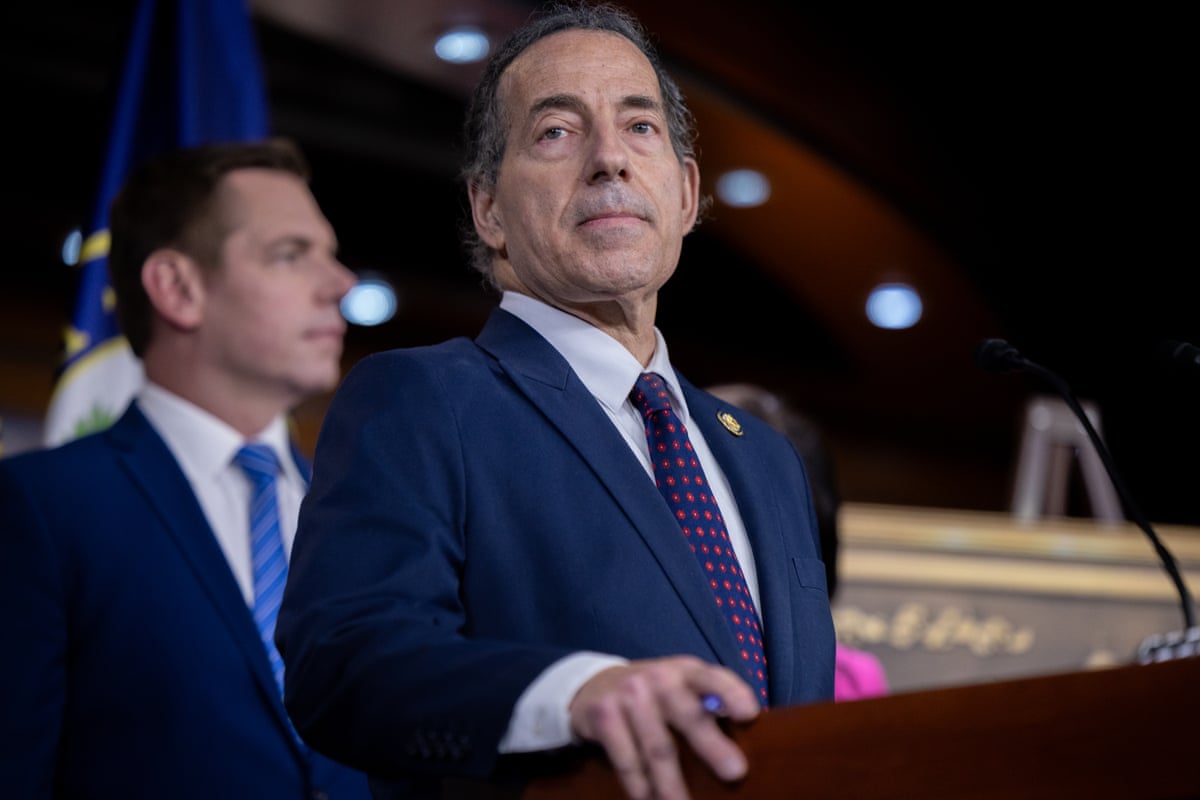
On Thursday 30 July, after further reporting revealed a document jointly prepared by Fifa and the bank JP Morgan describing Fifa as "undermonetized", Uefa convened an emergency meeting. All 55 of its members agreed to boycott Fifa competitions should the investment plan proceed. Other confederations joined the pushback, and in Washington, senior Democrat Jamie Raskin warned that Fifa could face a sweeping US congressional investigation, branding the scheme "a smash-and-grab scam of colossal proportions".
The pressure intensified further on Friday 31 July, when Fifa's own chief operating officer, Kevin Lamour, publicly criticised the plan, according to earlier coverage of the internal dissent. That same day, Manchester mayor Andy Burnham became the first head of a major nation to call for Infantino's resignation. Trump distanced himself from the affair, stating: "I never spoke to him." Fifa, meanwhile, criticised journalists for disrupting its process, saying: "Our planned consultation process was disrupted by incorrect media reports. We will proceed with this consultation."
Why did Fifa abandon the plan?
Despite that pledge, the consultation never went ahead. On Saturday 1 August, Infantino issued a fresh statement withdrawing the proposal, later explaining, according to an international news outlet, that the project had created divisions "no longer in the interest" of Fifa's objectives. Uefa nonetheless kept up its pressure, declaring that Fifa's leadership had "lost our confidence … We must identify those responsible and hold them to account … No option should be off the table." One rare note of support came from Qatar's football association, which said it "fully supports president Infantino's efforts to continue growing and strengthening the game".

This episode came amid growing scrutiny of Infantino's decade-long presidency, which has been marked by expanded tournaments and closer ties to Trump, alongside persistent controversy over governance and commercial decisions.
How did support for Infantino unravel?
On Sunday 2 August, cracks widened within Fifa's own council, while several European federations discussed rescinding long-standing letters backing Infantino's re-election bid. The New York Post reported that Infantino had "repeatedly tried" to reach Trump for support but received no response. Blatter added another critical post: "Money matters, but it must never become everything. #GianniInfantino"
The coordinated withdrawal of backing accelerated on Monday 3 August, when England, Wales and Serbia joined Finland and Sweden in demanding leadership change. Uefa's lawyers ordered Infantino and his staff to preserve all documents relating to the collapsed scheme, warning of possible "legal, and/or regulatory complaints". Concacaf president Victor Montagliani emerged as a leading contender to challenge for the presidency, a development consistent with earlier reporting on potential successors.
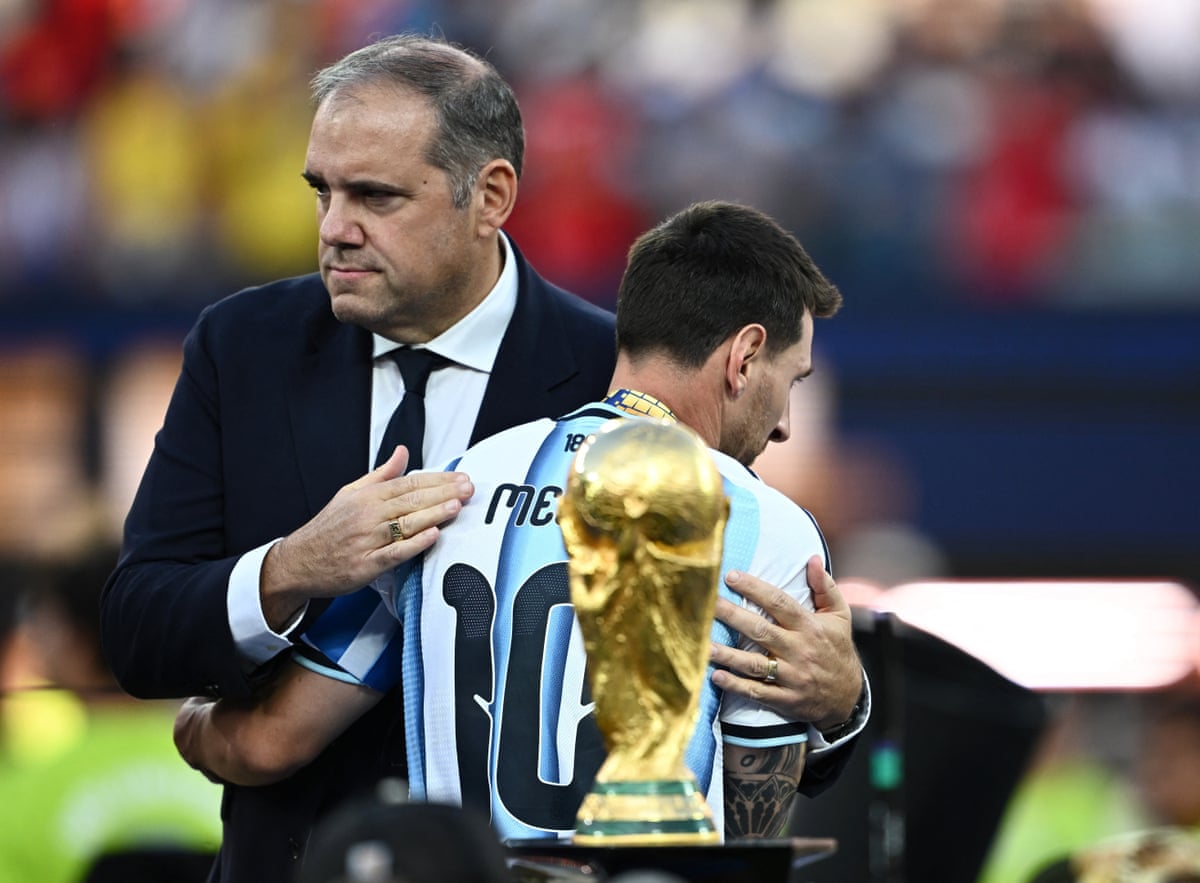
By Tuesday 4 August, more allies had distanced themselves, including Infantino's deputy, Mattias Grafström, who in a leaked staff email called the episode a "sad and reproachable series of events". Greece withdrew its support, and Jordan's Prince Ali bin al-Hussein alleged that Fifa had threatened to withhold financial assistance from his federation unless it backed Infantino's re-election.
How has Infantino tried to fight back?
Infantino responded by convening a Fifa staff crisis meeting in Morocco on Wednesday 5 August, later saying employees had given him unanimous backing while warning critics that "Fifa will no longer tolerate any attacks on its integrity." Former Portugal international Luís Figo wrote in the Daily Mail that "Infantino has lied, deceived and tried to feather his own nest … It is too late to save his dignity but it is not too late to save football. He should go. Now."
Uefa was unmoved. On Thursday 6 August, it doubled down on its boycott threat, dismissing the staff meeting by noting that "some people employed by the Fifa president (and whose careers depend on his favour) agree with him changes nothing." Global players' union Fifpro echoed the sentiment, stressing that although the investment scheme itself had been dropped, "reforms, not a cover-up, are urgently needed."
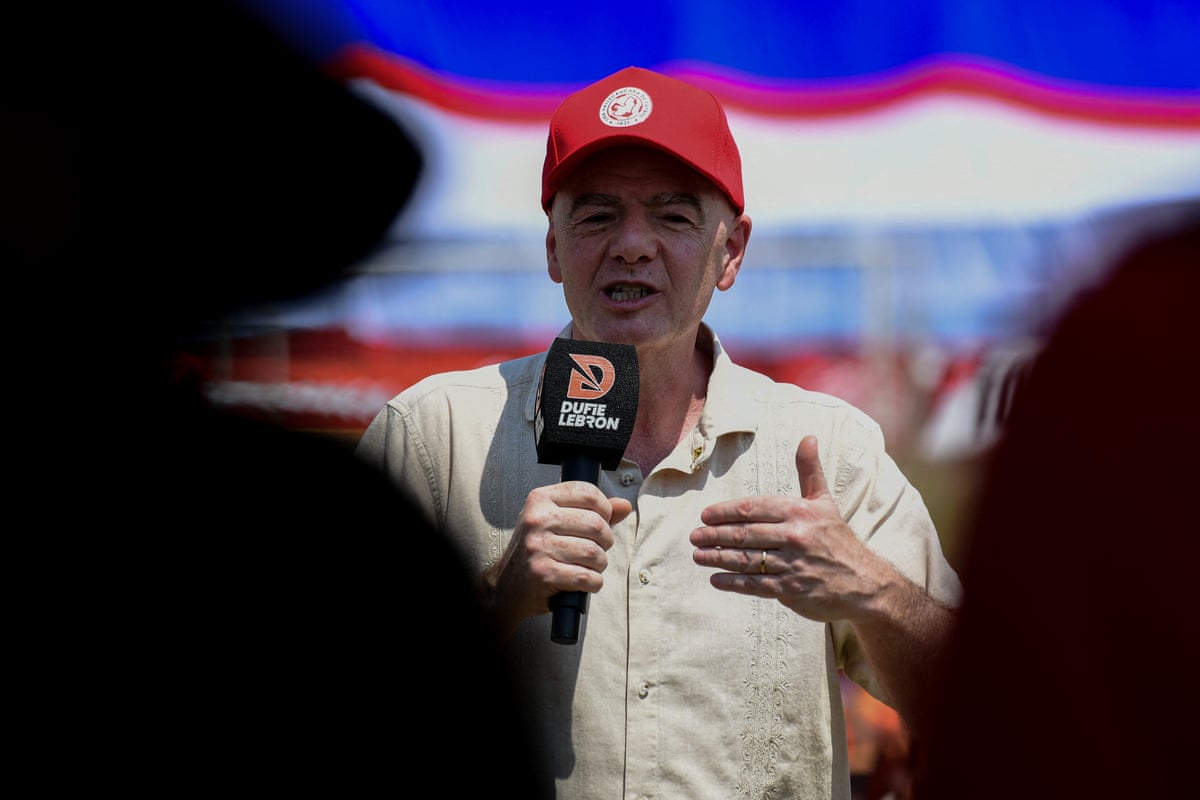
On Friday 7 August, the picture became more mixed: Mexico and Argentina joined Africa's governing body in rallying behind Infantino, while Norway's football association issued a new ethics complaint against him covering multiple alleged breaches, including violations of Fifa's political neutrality rules. Infantino nonetheless travelled to Colombia for the inauguration of hard-right president Abelardo de la Espriella, a close Trump ally, telling the audience there: "It is a joy to be here today. Football is joy, football is happiness, football is unity."
What happens next?
Fifa's member associations face a decision point after the original 19 September 2026 deadline that had been set for backing the now-abandoned investment plan, a date that remains significant given the ongoing dispute over accountability. Uefa has indicated it wants those responsible identified and held to account, and has explicitly said "no option should be off the table", leaving open the possibility of further escalation, including a formal boycott of Fifa competitions or a leadership challenge involving figures such as Victor Montagliani.
Key Facts
- Infantino's secret plan would have sold stakes in the World Cup to private investors for £3.1bn, potentially benefiting him financially.
- The deal involved Josh Kushner, brother of Jared Kushner, Donald Trump's son-in-law.
- All 55 Uefa members agreed to boycott Fifa competitions if the plan proceeded.
- Fifa had given its 211 member associations until 19 September 2026 to back the plan or lose a £15m payout.
- England, Wales, Serbia, Finland, Sweden, Greece and Norway all withdrew or challenged their support for Infantino.
- Andy Burnham became the first head of a major nation to publicly call for Infantino's resignation.


