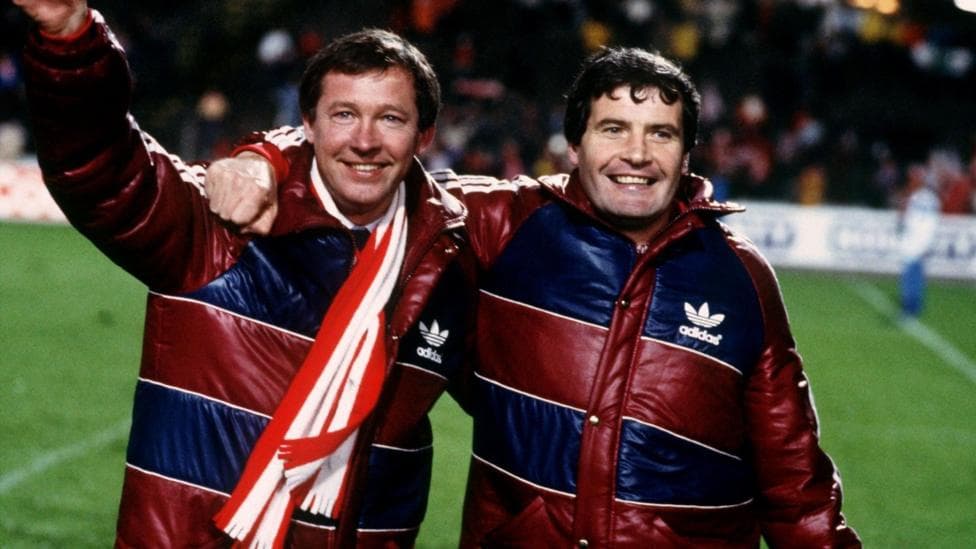
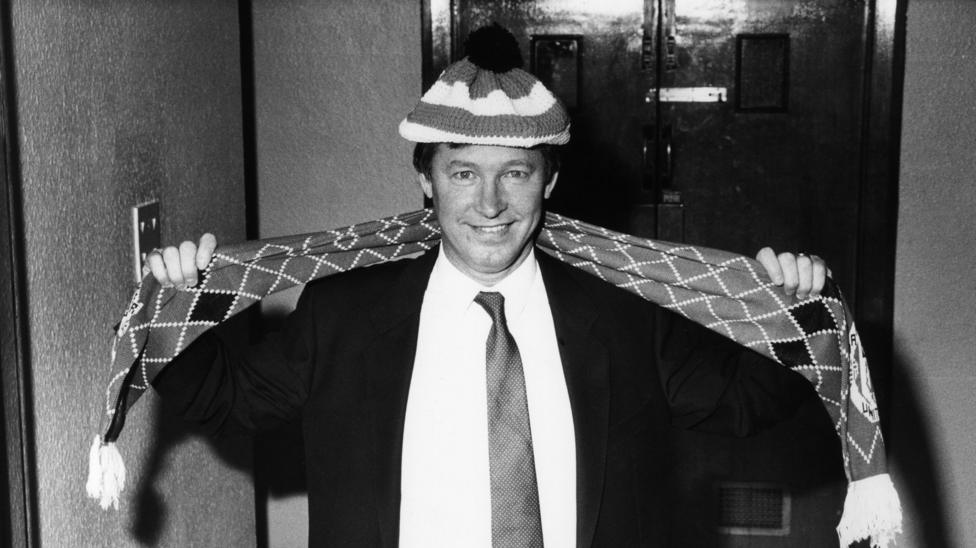
When Alex Ferguson announced his departure from Aberdeen to join Manchester United after eight trophy-laden years, shock rippled through the club's fanbase. According to BBC News, Ferguson had guided the Dons to three league titles, four Scottish Cups, the Cup Winners' Cup and the UEFA Super Cup during his tenure. One supporter's reaction at the time captured the sentiment of many: a belief that the manager was making a grave mistake.
This story was first reported by BBC News.
Ferguson's move to the English First Division on 6 November 1986 proved to be one of football's most consequential decisions. Over 26 years at Old Trafford, he would accumulate 38 trophies and establish himself as one of the sport's greatest managers. Yet on that November day four decades ago, few could have predicted such a trajectory. The announcement came as a shock to players, staff and supporters who had grown accustomed to sustained success under his leadership.
The story of Ferguson's departure broke when BBC Scotland football broadcaster Roddy Forsyth was dispatched to Aberdeen to investigate rumours of talks between the Dons manager and Manchester United. The flight from Glasgow carried numerous journalists, though most were heading north to cover the Chinook helicopter disaster in Shetland that claimed 43 lives. Forsyth's assignment would prove far more significant than a routine investigation.
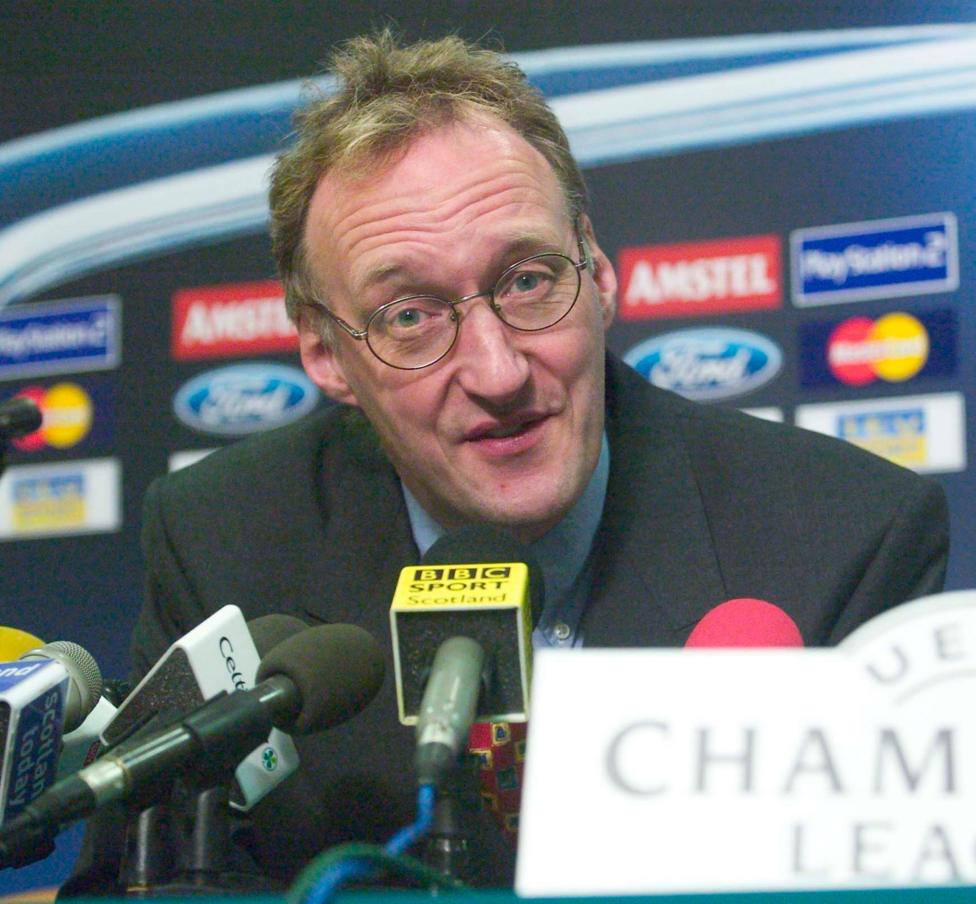
Once in Aberdeen, Forsyth tracked Ferguson and Manchester United chairman Martin Edwards to an airport hotel. By chance, he called the reception desk asking to speak with a guest from Manchester. The receptionist directed him to the restaurant area, where Forsyth found the two men together. When he asked Ferguson directly if he was Manchester United's new manager, Ferguson confirmed it. The pair were celebrating with champagne, and Ferguson poured Forsyth a glass in a wine glass before toasting him as the new boss.
After confirming the story with his newsroom, Forsyth's report became the lead item in BBC Reporting Scotland's sports coverage that evening. The Sumburgh disaster dominated the main news bulletin, but Ferguson's appointment commanded significant attention in the sporting segment. Forsyth later reflected on the day as utterly memorable, a career-defining moment that combined major news and sporting developments.
What did Aberdeen fans think at the time?
The reaction from supporters at Pittodrie was mixed, ranging from anger to resignation. One fan broadcast on BBC Reporting Scotland that day expressed certainty Ferguson would regret the move. "It is a sad case for Aberdeen, and I think he is making a wrong move," the supporter said. "I think he will regret it in years." Another voiced frustration at what he perceived as hypocrisy, noting that Ferguson had preached loyalty to his players while condemning those who left the club. "In other words, he was condemning his players for leaving Aberdeen, he has set a perfect example he has just walked out," the fan said.
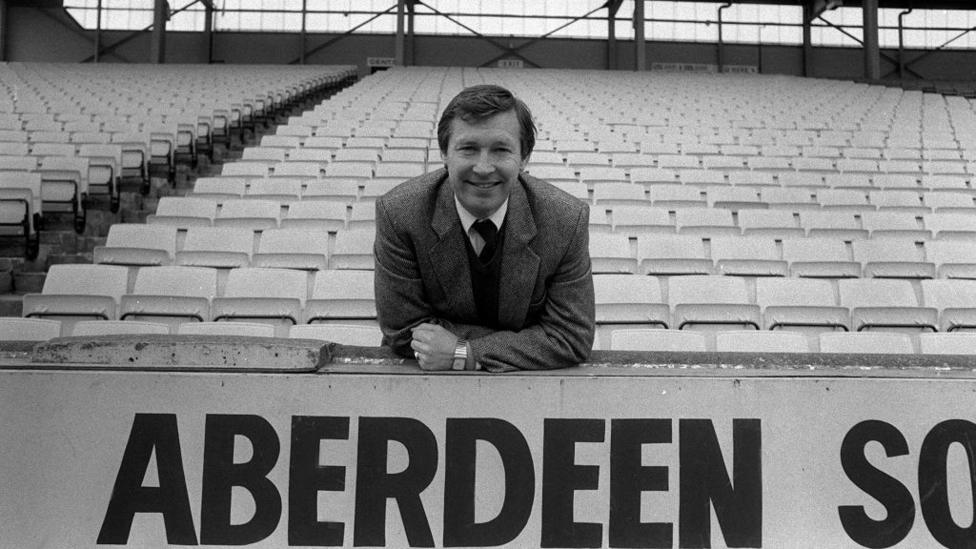
The departure was equally difficult for the club's leadership. Ian Donald, the club's vice-chairman at the time, described it as a "shattering blow" that happened almost overnight. "From yesterday morning perhaps having the best management team in Britain we are losing them both," Donald said in 1986, referring to Ferguson and his assistant Archie Knox departing together.
For the players, Ferguson's exit created a period of profound uncertainty. Captain Willie Miller, who led the team during Ferguson's tenure, reflected on the emotional toll. Despite acknowledging Ferguson's famous temper and the demanding standards he imposed—including incidents of cups being thrown around dressing rooms—Miller recognised that modern players would never tolerate such behaviour. Yet he valued Ferguson's philosophy of winning with style. "He did not just want to win things, he wanted to win them with style. And it was OK with me," Miller said. "I was disappointed to see him go, I must admit, I think everybody was of the same opinion."
How did Aberdeen's success compare to Manchester United's challenge?
Ferguson had left what he described as "probably the most secure job in British football with a life contract at Aberdeen." In his first press conference as Manchester United manager, he explained his reasoning: "There's only one club that could possibly tempt me away from that and it is the only club I ever wanted to go to way from Aberdeen." Yet the early years at Old Trafford proved difficult, with Ferguson enduring a sticky start before establishing the dynasty that would define his legacy.
According to UEFA's historical records, Ferguson was 44 when appointed to Manchester United and had also been sounded out by Rangers, Arsenal and Tottenham while managing Aberdeen. The decision to appoint Ferguson over Terry Venables came after club legend Bobby Charlton argued strongly in his favour, according to the same source. This backing proved instrumental in securing one of football's greatest managerial appointments.
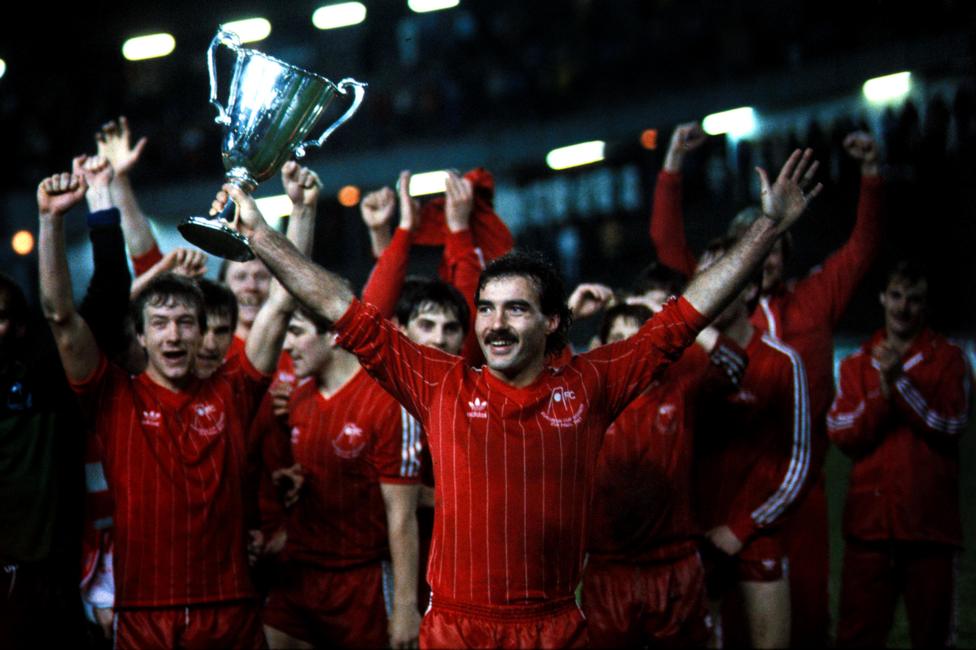
Ferguson's achievements at Aberdeen had been substantial. The club's 1983 European Cup Winners' Cup triumph, which he led alongside Archie Knox, included a quarter-final victory over Bayern Munich before defeating Real Madrid in the final. This success had established Aberdeen as a genuine European force and cemented Ferguson's reputation as a manager capable of winning at the highest level.
How did perspectives change over 40 years?
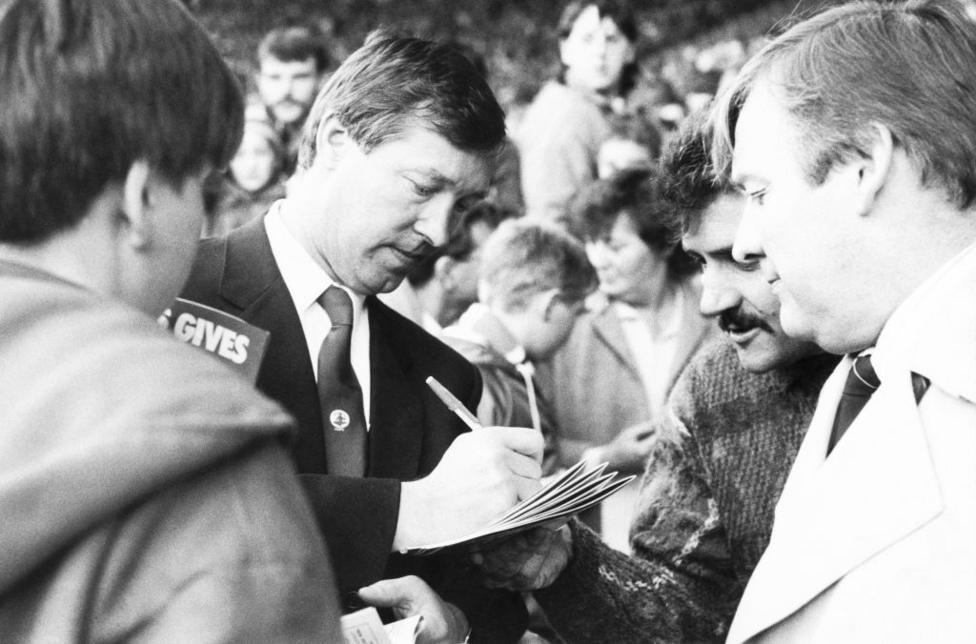
By the 40th anniversary of Ferguson's departure, supporters had adopted a more measured view of his decision. Sandy Smith, 72, who had supported Aberdeen throughout Ferguson's tenure, acknowledged the initial devastation. "It was totally gutting," Smith said. "To be fair Man United and Aberdeen - there is no comparison. After all he did for the club, I was gutted. He had sticky first couple of seasons down there, but he got there in the end."
According to Press and Journal reporting, Alex McLeish, who played under Ferguson at Aberdeen, said the players knew his departure was coming, describing 6 November as a turning point for both clubs. This perspective suggested that while the announcement shocked the wider fanbase, those closest to Ferguson had sensed the inevitable.
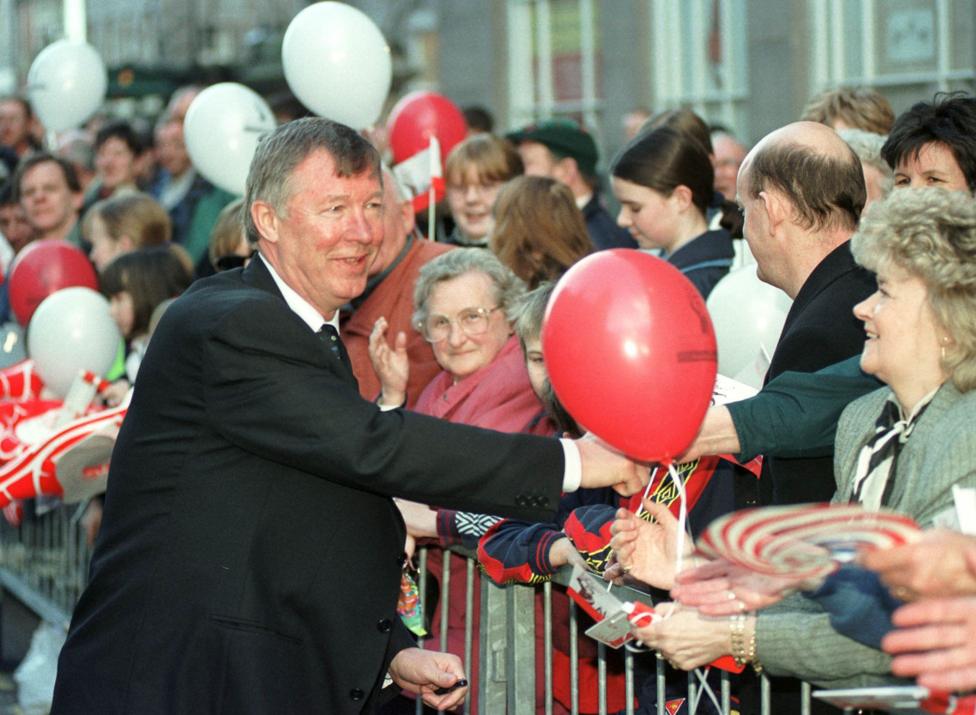
Ferguson's legacy at Aberdeen was eventually honoured when he was granted the freedom of the city in 1999, a recognition that the initial hurt had given way to pride in what he had achieved. His 26-year tenure at Manchester United yielded thirteen Premier League titles, two Champions League victories, five FA Cups and four League Cups—a haul that vindicated his decision to leave Aberdeen, even if few could have predicted such dominance at the time.
What happens next?
Manchester United is scheduled to host a special dinner at Old Trafford on Saturday, 7 November 2026, marking the 40th anniversary of Ferguson's appointment as manager. The event will bring together club figures and former players to reflect on the transformative impact of his arrival and the dynasty he built over the following quarter-century.