When difficulties emerge in Scottish football, supporters often joke about the predictable response: another advisory body, another gathering, another ambitious blueprint.
The scepticism has merit. For over 15 years, the Scottish game has been wrestling openly with its shortcomings, particularly around developing elite talent and enabling the national team to not merely reach major competitions but perform credibly in them.
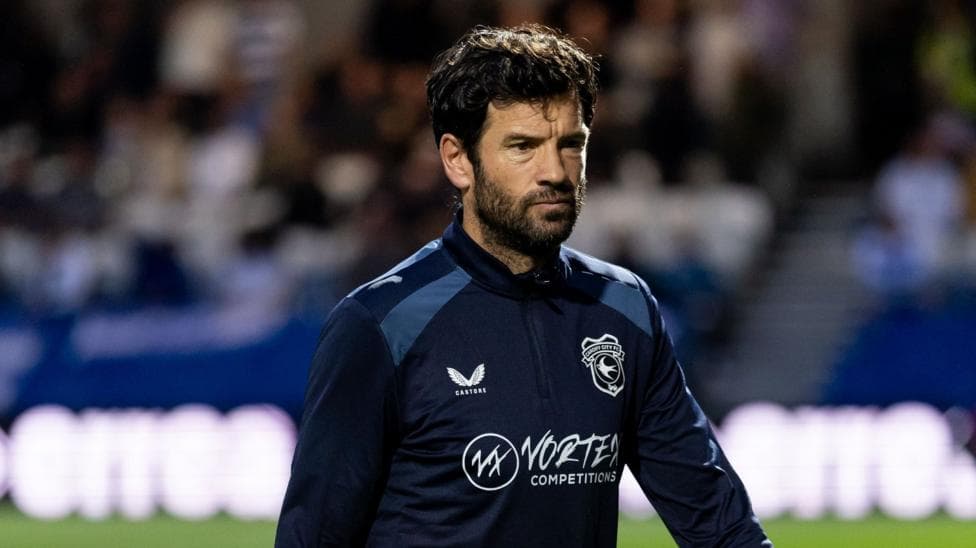
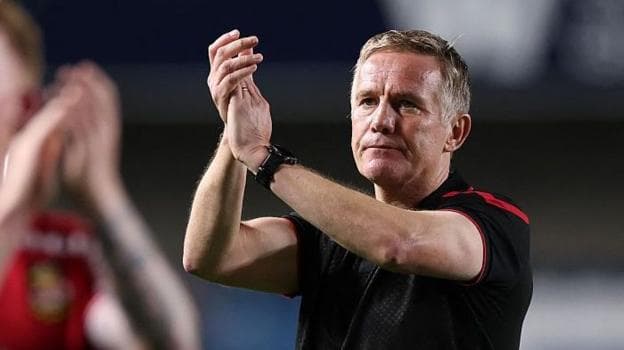
A fresh initiative is now underway. On 4 September, all 42 SPFL clubs will convene in St Andrews for what the Scottish FA terms a "critically important" discussion on Scottish football's trajectory. Leading the forum will be Craig Mulholland, the governing body's chief football officer, tasked with formulating and executing a comprehensive long-term development strategy. According to the Scottish FA's announcement, the gathering will focus on the "current reality" of Scottish football, including homegrown talent and club revenue streams.
Mulholland, who joined the Scottish FA in May 2026 after leaving a development role at Nottingham Forest, brings prior experience as a football development officer and senior youth development officer at the governing body more than two decades earlier.
Talent development sits at the heart of the agenda, and few within the sport dispute that a genuine problem exists. Young Scottish players are failing to establish themselves at elite level domestically. Many encounter obstacles in reaching first-team opportunities, and growing numbers are departing the country entirely. These difficulties are not novel—the same concerns have surfaced across four major reviews and numerous proposals since 2010. The real obstacle lies in reaching consensus on remedies.
Why are fewer Scottish players getting Premiership opportunities?
A critical issue is the scarcity of openings for young Scottish players in the top division. During the 2016-17 season's opening round, roughly 53% of Premiership starters were Scottish-born. By the current campaign's start, this had contracted to 28%. This represents a dramatic shift in the composition of Scottish football's elite tier.
Norway presents a striking contrast. Home-grown players represented approximately 73% of opening-day starters in 2016 and maintained roughly 72% at the start of the current season, demonstrating that other nations have sustained pathways for domestic talent.
The interpretation of Scotland's decline remains contested. Either Scottish football is producing fewer players capable of competing at Premiership level, or clubs have grown reluctant to provide opportunities to academy graduates. Lloyd Gaffney, a former youth coach who spent a decade in academy roles at Dundee and Dundee United before departing the game due to frustrations, believes the latter explanation carries substantial weight.
There is a fear because clubs can't afford to get beat. Managers don't want to lose their jobs and boards get nervous because if the team's not doing well, there are fewer bums on seats.
If clubs refuse to establish a transparent pathway to senior football, Gaffney questions the rationale for maintaining academies at all.
That's exactly what I've been asking for years because there are hundreds and hundreds of kids and hundreds of parents buying into the dream. Players might train with the first team when they're 18 or 19 and then that's it.
Are Scotland's best young players leaving?
An increasing number of Scotland's most promising prospects are choosing not to wait for domestic opportunities. This summer alone, Scotland under-16 internationals Kai Hutchison, Keir McMeekin and Boyd Fraser departed Dundee United and Hearts for Everton, Manchester City and Nottingham Forest respectively. Two of Celtic's highest-regarded academy prospects, Erskine Rennie and Dara Jakiemi, have also relocated south, joining Fulham and Liverpool.
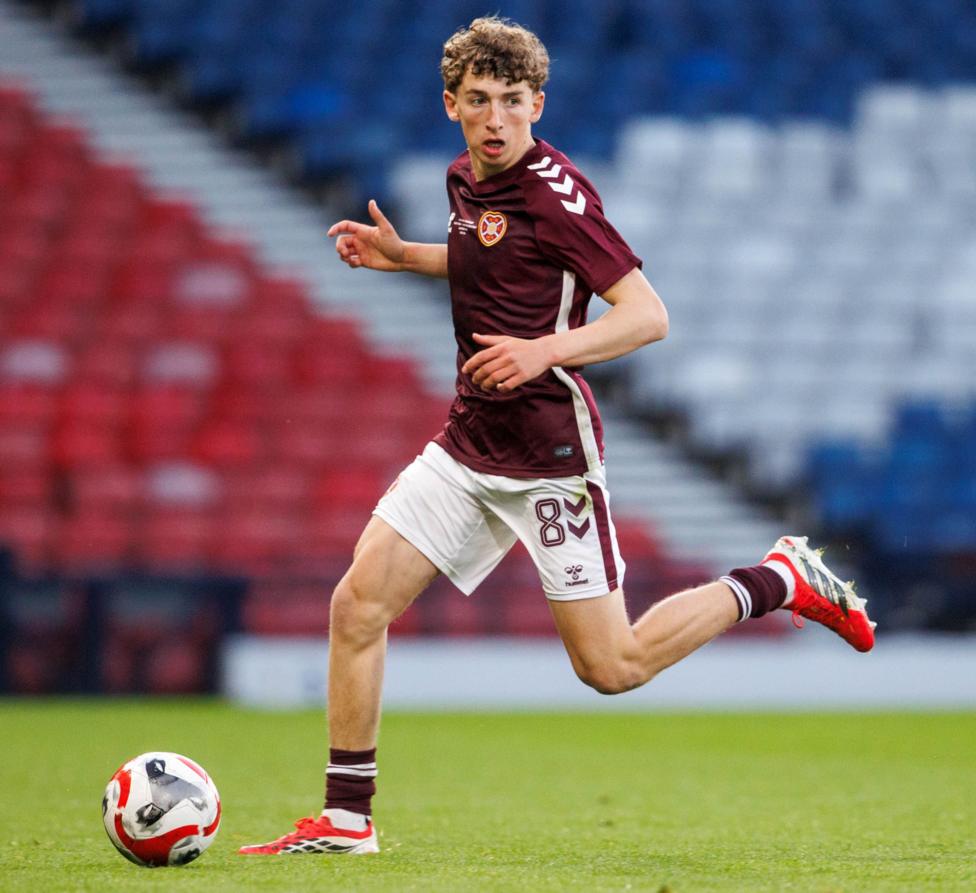
The scale of this exodus has accelerated markedly. A recent report identified that teenage players moving from Scotland to England increased from 35 between 2012 and 2020 to 66 between 2020 and 2026. Before the United Kingdom's departure from the European Union, English clubs could freely recruit under-18 players across Europe. With that avenue largely closed, many have redirected their recruitment focus toward Scotland.
Former Celtic captain Scott Brown recognises the appeal English clubs hold.
It's hard because agents sign them up young, promise them the world and some of them will treble their money. As a 16-year-old at a Liverpool or a Manchester City, you could be on money that almost sets you up for life.
Financial incentives represent only part of the equation. One agent disclosed to a national broadcaster that English clubs frequently provide superior football education through enhanced facilities, coaching standards, sports science support and nutritional programmes. Former Rangers, Hearts, Motherwell and Livingston midfielder Andy Halliday contends that Scottish clubs must intensify efforts to retain players.
If these players see a pathway to the first team, it'll make their decision to leave so much more difficult.Halliday points to England's requirement that clubs provide eight homegrown players when submitting a 25-man squad as a potential model worth examining.

Do young players regret leaving Scotland?
Those who have already departed express few misgivings, driven largely by conviction that England represents their optimal pathway to realising career ambitions. Seventeen-year-old Cole Hay, who joined Hamilton Academical at age seven before transferring to Sheffield United's academy, articulated this motivation clearly.
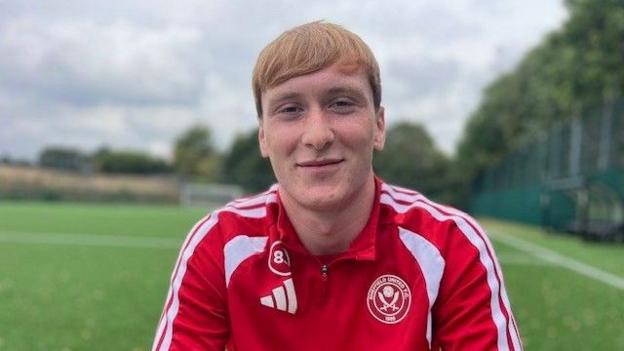
Ever since I was seven or eight, I wanted to play in England. I just think there's such an attraction in playing against some of the biggest clubs and travelling all over the country. The facilities are incredible, so coming down just made sense. Ultimately I want to play in the Premier League, play Champions League football and play for my country.
Hay's perspective resonates across many who have crossed the border. The question becomes what Scotland can offer those inclined to remain.
What can Scotland learn from Belgium's approach?
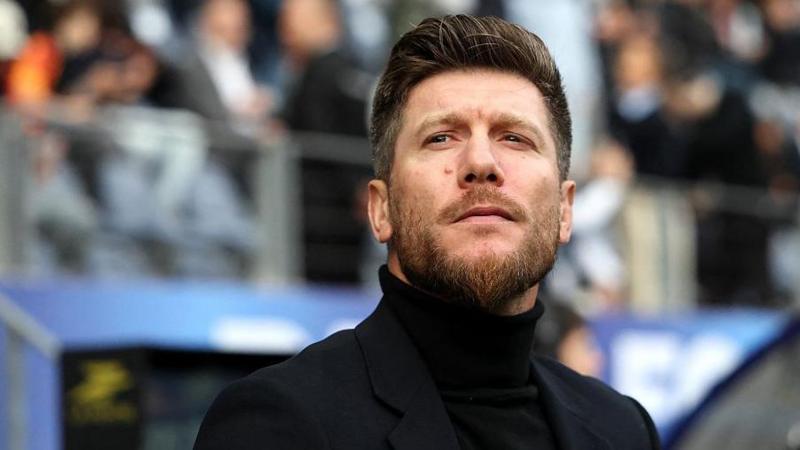
The Scottish FA's recruitment of former Belgian international Sebastien Pocognoli as national team head coach signals openness to external perspectives. Some within the sport believe Belgium's youth development framework merits investigation.
The Belgian model emphasises technical development, small-sided competition and individual decision-making at younger ages, with coaches adopting a guiding rather than instructional role. Importantly, Belgian clubs demonstrate greater tolerance toward so-called "late developers", acknowledging that talented players progress at varying rates. Crucially, Belgian clubs maintain transparent pathways into senior football. Under-23 sides compete within the professional league structure, effectively bridging the gap between academy and first-team environments.
Scott Coyne of the Belgian Football Podcast contends that this system provides young players greater incentive to remain, though it demands "patience and a unified coaching philosophy across the game".
Clubs have to treat academies as part of the core business, not side projects.
What other solutions have been proposed?
Alternative approaches have emerged from various quarters. Football analyst John Walker has advocated a financial incentive scheme designed to encourage clubs to field young players. Under his model, clubs would receive payments ranging from hundreds of pounds per Premiership appearance down to smaller sums further down the pyramid. Walker argues this capital could be reinvested in coaching, infrastructure and experienced players while simultaneously creating opportunities for emerging talent.
Former Hearts midfielder Ryan Stevenson advocates a more substantial restructuring. He proposes reintroducing reserve league football to address what many identify as a critical development gap between youth and senior competition. Currently, Scotland lacks a dedicated elite age-group competition for players aged 19 to 21. Stevenson maintains that consistent matches against experienced professionals, fringe first-team players and those recovering from injury would better equip young players for senior football's demands.
Recent initiatives have attempted to narrow this gap. Premiership clubs have established B teams in competitions, formalised co-operation agreements and expanded loan arrangements. Data indicates these measures have contributed to increased playing time for under-21 players below Premiership level.
One club chief executive has proposed requiring agents to register with the Scottish FA before operating in Scotland, enabling enhanced scrutiny of approaches to players under 16. Others advocate that the governing body petition FIFA for modifications to the international compensation framework.
The Ben Doak case exemplifies the market imbalance troubling many clubs. Celtic received a modest development fee when the teenager joined Liverpool following minimal first-team exposure. Years later, Liverpool reportedly sold him for approximately £25 million. For numerous clubs, this illustrates the widening disparity in young talent valuation.
What does the Scottish FA's recent review propose?
The Scottish FA's youth development review has already advanced concrete proposals. According to the official Scottish FA review of youth development in men's football, the governing body has floated a national full-residential option and regional elite centres for island-born players. The review proposes modifications to the pathway for ages 12 to 16, encompassing regional projects and enhanced support for late-maturing players, recognising that development trajectories vary significantly across the player population.
What happens at the St Andrews summit?
The 4 September gathering will convene all 42 clubs to discuss pathways forward. According to the Scottish FA's announcement, the summit will hear from clubs that have "optimised their elite talent development model", suggesting a focus on identifying and sharing best practice. Scottish FA chief executive Ian Maxwell and Mulholland will host the forum.
Some club leaders have already signalled their positions. Inverness Caledonian Thistle's Charlie Christie has publicly urged a quota for homegrown youngsters in matchday squads ahead of the summit, indicating that specific proposals may emerge from the discussion.
Whether the St Andrews gathering produces consensus remains uncertain. Solutions under consideration span quotas, financial incentives, reserve football, coaching reform, agent regulation and compensation rule modifications. Scottish football is unlikely to depart united on every proposal. However, growing agreement exists on one fundamental point: if Scotland is to sustain qualification for major tournaments and progress beyond group stages, the next generation and this summit's outcomes matter significantly.