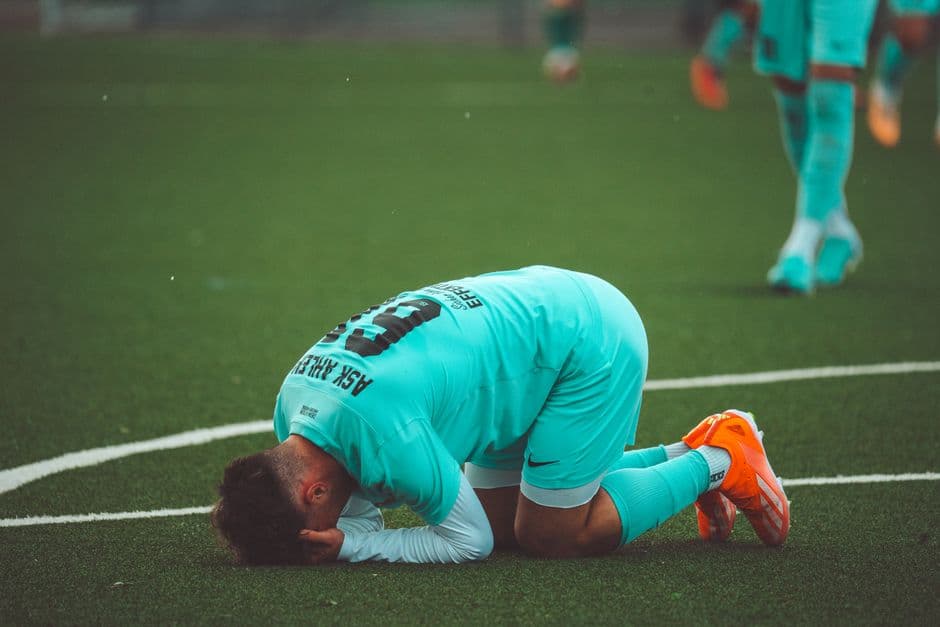
Scotland captain Andy Robertson said his team were "outfought" and "not good enough" after surrendering a lead to lose 2-1 to Slovenia in a Nations League match at Hampden Park on 12 November. The defeat came just three days after a convincing victory in North Macedonia, making the performance all the more disappointing for manager Sebastien Pocognoli's side. The result marked Slovenia's first-ever victory over Scotland.
Ryan Christie gave Scotland an encouraging start with a close-range backheel goal in the 31st minute, but the hosts' defensive vulnerabilities proved fatal. Aljosa Matko equalised in the 56th minute before Danijel Sturm scored the decisive goal in the 71st. The manner of the defeat—limp and lifeless for long periods—proved as damaging as the result itself, with Slovenia repeatedly exploiting gaps in Scotland's high defensive line and exposing fundamental weaknesses in Pocognoli's preferred back-three formation.
Speaking after the match, Robertson expressed frustration at the manner of the defeat.
"Not good enough. The whole team. We didn't do the good things we did on Saturday, I don't know what that's down to. They caused us a lot of problems and we have to find the reasons why."
The captain acknowledged that Scotland had entered the fixture with momentum following their North Macedonia win, but failed to build on that platform.
"We wanted to kick on from Saturday because we had a really positive feeling about what we were doing and where we were going. We didn't do that."
Robertson suggested fatigue may have played a role, though he was careful not to use it as an excuse.
"It's been a long camp, I don't know if it was down to tiredness, but Slovenia have played the same amount of games as us. They looked a lot fresher, more hungry. As Scotland, we might lack quality or make mistakes, but I don't think people accept being outfought. I think that's what happened tonight."
What did Pocognoli say about the performance?
Manager Sebastien Pocognoli shared Robertson's assessment that Scotland fell well short of the required standard.
"We didn't deserve to get the win, that's the reality. On the ball we were not clever enough. We were far from strong enough in the duels."
Pocognoli struck a more philosophical tone when reflecting on the broader implications of the result.
"The reality is each game teaches us some information. We will try to go through the process we want and learn from this one and do better in the next one."
The manager's response suggested he recognised the scale of the setback. By the end of the match, facing a 2-1 deficit, Pocognoli abandoned his tactical principles in desperation, switching formation and personnel repeatedly in an attempt to salvage a point. He introduced strikers and wingers in quick succession, but the changes came too late and lacked coherence, reflecting the disorganisation that had characterised Scotland's display throughout.
Is Pocognoli's honeymoon period already over?
The Belgian manager arrived in August with a clear mandate to reshape Scotland's approach, promising a more aggressive and attacking style of play. He introduced several new faces during this international window, with Josh McPake making his debut against Slovenia, following Stephen Welsh, Robbie Ure, Luis Binks and Luke Graham in previous matches.
Pocognoli's opening fixture ended in a goalless draw against Slovenia, before Scotland suffered a 3-0 home defeat by Switzerland—a match complicated by Jack Hendry's early red card. The North Macedonia victory had suggested a turning point, but the Slovenia loss has shifted the narrative significantly.
Former Rangers midfielder Andy Halliday suggested that Pocognoli's initial period of goodwill with supporters may have already expired.
"I thought coming into this camp, Pocognoli would probably need a period of grace. I think that period of grace is now over. That was as poor a Scotland performance as I can remember for a while against an opposition you are expecting us to go and beat."
The reaction of the Hampden crowd at the final whistle underscored the shift in sentiment. What had been positivity around Scotland's energy and attacking style—a marked departure from the previous regime—was badly undermined by the manner of this defeat. The air of dejection from Pocognoli and Robertson at the end was unmissable, echoing some of the darker days under previous management.
Will Pocognoli abandon his preferred system?
Scotland's defensive frailties were particularly evident as Slovenia repeatedly exploited gaps in the high defensive line. Former national team captain Willie Miller questioned whether Pocognoli would persist with his favoured back-three formation, which has been a cornerstone of his tactical approach.
"This is Pocognoli's preferred system and he's had time to work with the system, it was just all over the place. Time and time again there were huge gaps appearing and Slovenia were taking advantage."
Miller outlined the dilemma facing the new manager.
"Our situation is we've got a new manager in, he's got a preferred system, what does he do? Does he just bin it? Are we back to a back four? His preferred system is a back three, but it was unbelievably poor."
The back three, which had looked impressive in earlier matches, was hassled to distraction against Slovenia. Calm was replaced with confusion, and Scotland's go-to leaders failed to lead. Ben Gannon-Doak, who had played well as a wing-back against North Macedonia, was targeted and exposed in a position he was not familiar with, while the midfield looked overrun from the opening minutes of the second half. The system, which Pocognoli had championed, was ripped to pieces by a Slovenia side that proved both clever and creative.
What is Scotland's current position in the group?
The defeat has left Scotland's Nations League campaign in precarious territory. Scotland now sit third in Group B1 with two matches remaining, while Slovenia moved three points ahead of the Scots. This represents a significant swing in the group dynamic, particularly given that the two nations had drawn 0-0 in their previous meeting earlier in the campaign.
The ramifications of this defeat could stretch beyond the disappointment of a single match. Scotland's bid for second place in their Nations League group—a position that would give them a favourable pot two seeding for December's Euros draw—now looks in jeopardy. The margin for error has been drastically reduced, and Pocognoli's side must recover quickly to salvage their campaign.
What happens next for Scotland?
Scotland face a critical pair of fixtures to salvage their Nations League campaign. The team will host North Macedonia at home on 13 November before travelling to Switzerland on 16 November for their final group matches. Both results will be essential if Pocognoli's side are to recover from this setback and improve their standing in the group. Pocognoli will need to nurse his wounds after this defeat and make significant tactical and personnel decisions before these crucial matches. He will have learned much about his players and has much thinking to do.