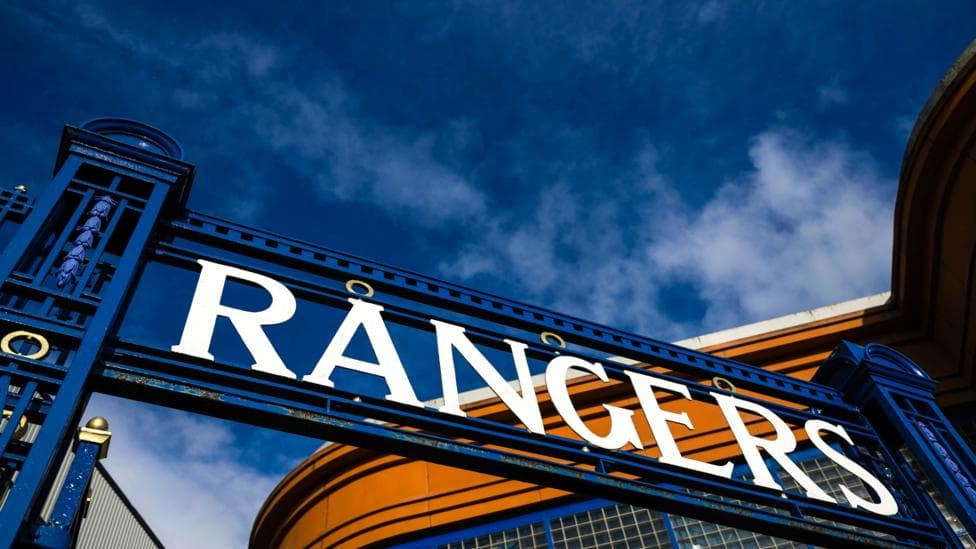
Rangers have confirmed a reduced away allocation of 300 tickets for Celtic ahead of their League Cup quarter-final meeting on 13 September at Ibrox. The decision reflects heightened safety concerns following disorder at their previous encounter at the same venue.
The clubs last met in a Scottish Cup quarter-final on 8 March, an occasion marked by significant fan disorder that prompted an independent investigation. That match saw approximately 8,000 Celtic supporters attend, while recent league meetings between the Glasgow rivals have drawn away support in the low thousands.
On 28 August, the Scottish FA announced that both Rangers and Celtic would be required to play their next home Scottish Cup matches behind closed doors, alongside £100,000 fines to each club. According to an independent review of the 8 March incident, the disorder was classified as a "near miss" that came within a narrow margin of escalating into a violent mass confrontation.
What informed Rangers' ticket decision?
Rangers stated that the reduced allocation reflects their assessment of current risk and is designed to enhance matchday safety. The club cited the Blackbourne Report—the independent review commissioned by the Scottish FA—and the sanctions issued as key factors in their planning for the 13 September fixture.
In their statement, Rangers explained that
a reduced allocation allows greater individual ticket-holder accountability, stronger ingress controls, enhanced segregation and additional safeguards appropriate to the risk identified for this fixture.The club also noted that
matchday safety remains our top priority.
Rangers highlighted further pitch invasions involving Celtic supporters since 8 March. The Blackbourne Report demonstrated how quickly an initial pitch incursion can escalate into wider disorder involving both sets of supporters, prompting Rangers to prioritise preventing another such incident as part of their risk reduction strategy.
How did the clubs communicate over ticketing?
Rangers stated they had engaged in discussions with Celtic following the League Cup draw. The Ibrox club said they approached Celtic with proposals aimed at establishing a sustainable approach to away allocations. However, Rangers expressed concern that
Celtic responded eight days later and that response did not address our concerns around accountability and deterrence.

Rangers added that they had not received from Celtic
the clear acknowledgement, condemnation or deterrent messaging we believe should follow events of that seriousness.The club stated they remain concerned about
whether enough has been done since then to demonstrate accountability and reduce the likelihood of the same behaviour being repeated.
Rangers indicated they would continue to work with stakeholders and authorities on matchday safety but emphasised that
the risks currently identified will only be reduced through greater accountability, effective deterrence and constructive joint working.
What does the Blackbourne Report say about future risk?
According to reporting on the Scottish FA's independent review, the report recommended that future high-risk Glasgow derby cup ties be treated as events of national significance with enhanced planning. The review reportedly identified several moments during and after the 8 March match that could have led to fatalities had circumstances developed only slightly differently.
The review found failures across several bodies, including Rangers, Celtic, Police Scotland, security contractors and football authorities. Both clubs were issued identical notices of complaint for breaching rule 37 over good order and security.
What are the broader consequences for both clubs?
The behind-closed-doors sanctions apply to the next home Scottish Cup match for each club, expected to occur in mid-January 2027. A further escalation remains possible: a second stadium closure would be triggered if there is any further unrest at a Scottish Cup fixture before the end of the 2027-28 season.
Rangers stated they had previously raised concerns where risks identified by the club were not given sufficient weight, including in relation to the increased away allocation for the 8 March fixture. The club concluded that
Rangers will not be deterred from taking decisions it believes are necessary to protect our club, our stadium and our fans.
What happens next for the Old Firm?
Rangers will travel to Celtic Park for a Scottish Premiership fixture on 20 September, with ticketing arrangements for that match still to be confirmed. The League Cup quarter-final on 13 September will be the first competitive meeting between the clubs since the disorder that prompted the independent review and subsequent sanctions.
Away fans returned to league Old Firm games in 2025 after a period during which no travelling support was permitted. The 300-ticket allocation for the League Cup tie represents a significant reduction from the approximately 8,000 Celtic supporters who attended the 8 March Scottish Cup match.
Key Facts
- Rangers have allocated 300 tickets to Celtic for the League Cup quarter-final on 13 September at Ibrox
- The decision follows disorder at the clubs' previous meeting on 8 March and an independent review that classified the incident as a "near miss" for violent mass confrontation
- Both clubs face behind-closed-doors sanctions for their next home Scottish Cup matches and £100,000 fines, with further escalation possible if disorder recurs before the end of the 2027-28 season
- Rangers stated that Celtic's response to their ticketing proposals did not adequately address concerns around accountability and deterrence
- The Blackbourne Report recommended treating future high-risk Glasgow derby cup ties as events of national significance with enhanced planning