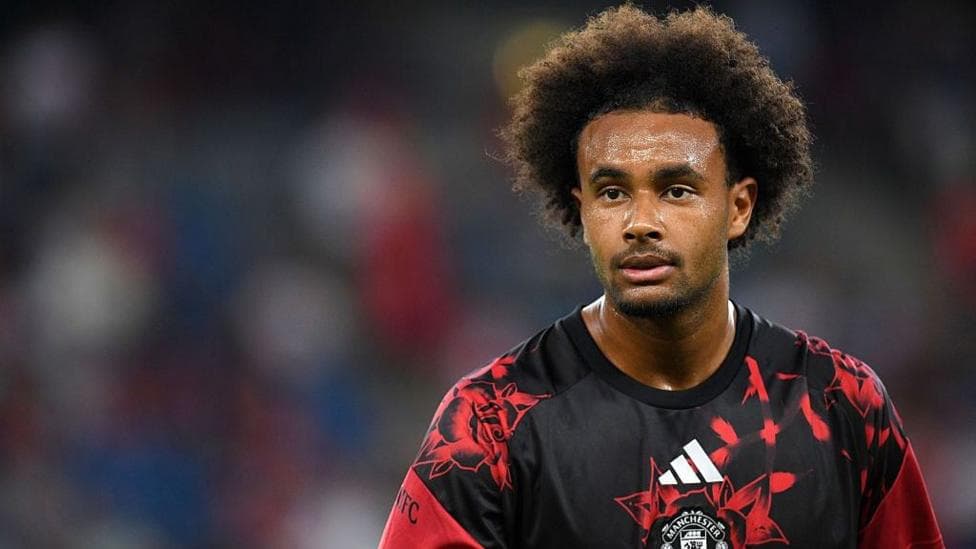
The Fantasy Premier League season is only one week old, yet surprise results have already tested the resolve of many managers. Manchester United and Liverpool have both disappointed in their opening fixtures, prompting widespread debate about whether to abandon key assets or hold firm. As the second gameweek approaches, FPL strategists face critical decisions about transfers, captain picks and squad construction.
An FPL expert has offered clear guidance for managers navigating these early-season dilemmas: the smartest approach is restraint.
"One blank does not make a player finished, and one haul does not make him essential,"the analyst explained.
"Every gameweek adds information. Use it, do not chase it."This philosophy underpins the case for measured decision-making rather than reactive transfers.
The Gameweek 2 deadline arrives at 18:30 BST on Friday 28 August, with the round running from that evening through to Monday 31 August. The schedule opens with Crystal Palace hosting Manchester City on Friday and closes with Manchester United facing Ipswich Town on Sunday 30 August.
Should Manchester United assets be sold immediately?
The 2-0 defeat at Hull City was jarring, leaving many managers holding two or three United players. However, abandoning these assets after a single poor result may prove premature. Ipswich Town visit Old Trafford in Gameweek 2, representing a significantly more favourable fixture than the trip to Hull. This presents both Bruno Fernandes and Bryan Mbeumo with a genuine opportunity to respond.
If either player fails to deliver against Ipswich, the exit routes are straightforward. Fernandes (£12m) could move to Cole Palmer (£9.5m) or Antoine Semenyo (£8.5m), while Mbeumo (£8m) could transfer to Morgan Rogers (£7.5m) or Phil Foden (£7m). The key recommendation is to grant these players one more fixture before making any transfer decision. One difficult away match does not constitute sufficient evidence for a permanent exit.
When is the right moment to acquire Sangare?
Brentford midfielder Mamadou Sangare has emerged as an intriguing prospect following his two-assist performance against Tottenham. His ability to accumulate defensive contribution points while participating in attacking play makes him a compelling option. However, his price has already risen to £5.6m and he ranks among the most-transferred-in players for Gameweek 2, suggesting some overreaction to his strong debut.
Sangare remains fundamentally a defensive midfielder, a position that typically generates points gradually rather than explosively. Rather than forcing him into your squad immediately, a more prudent strategy involves waiting for a natural entry point—such as when deploying a wildcard chip—to acquire him at a more stable price. The community enthusiasm, while understandable, does not justify rushing to bring him in this gameweek.

How many Chelsea players warrant selection?
The answer depends entirely on your squad structure and transfer budget. Joao Pedro commands such widespread ownership that any manager seeking additional attacking threat from Chelsea must look beyond him to Cole Palmer or Morgan Rogers. Both represent quality options, yet the optimal entry point is Gameweek 4 rather than Gameweek 2.
Palmer sustained a minor issue late in Chelsea's match against Fulham, and the Blues face Arsenal in Gameweek 3—a fixture unlikely to yield attacking returns. Unless a major injury crisis strikes elsewhere in your team, holding off this week is the sensible course. Eventually, owning two or three players from the Pedro-Palmer-Rogers trio becomes a viable long-term tactic, but premature entry risks wasting a transfer.
Is Alexander Isak worth keeping?
Newcastle away represented a difficult opening assignment for Alexander Isak (£9m), particularly given his history with that club. Selling him after one challenging fixture would be hasty. The real examination comes this week when Liverpool host Nottingham Forest on Saturday 29 August—a home match that should suit the striker considerably better.
Liverpool are likely to strengthen their attacking options in the transfer market, with reports linking them to players such as Bradley Barcola from Paris St-Germain. Such additions would enhance the creative supply to Isak. Furthermore, the fixture list improves markedly after Nottingham Forest, with Ipswich and Fulham arriving in Gameweeks 3 and 4. A single difficult away fixture provides insufficient grounds for selling. Patience remains the appropriate response.
Who deserves the captaincy: Haaland or Fernandes?
The most significant decision facing managers this week concerns the captaincy. Erling Haaland of Manchester City travels to Crystal Palace, while Bruno Fernandes remains at home to face Ipswich Town. Despite Gameweek 1's disappointment, Fernandes merits the armband.
The home fixture against Ipswich is considerably more favourable than City's away trip to Palace. Manchester United require a reaction performance, and Fernandes, as a midfielder, benefits from multiple scoring routes—goals, clean sheets and defensive contributions all yield points. Without Jeremy Doku, Manchester City have appeared less incisive in attack, further tilting the balance toward the United midfielder. The variety of ways Fernandes can accumulate points makes him the superior captaincy choice.
Key transfer principles for Gameweek 2
The overarching lesson for this gameweek is that one result does not define a player's season. Early-season transfers driven by panic often squander valuable chips and leave managers short of flexibility later. Official FPL market data shows most-transferred-in players for Gameweek 2 already include Maxim De Cuyper, Mamadou Sangare, Joao Pedro, Calafiori and Kayode, reflecting the widespread reactive movement across the community.
Instead, managers should allow the fixture schedule to guide their decisions. Give underperforming assets one more opportunity against favourable opponents. Monitor injury updates—Liverpool continue to manage absences including Chiesa, while Hugo Ekitike, Conor Bradley, Giovanni Leoni and Joe Gomez remain unavailable—and use this information to inform decisions rather than chase points. The managers who succeed in Fantasy Premier League are typically those who resist the urge to overreact and instead build their strategies on information that accumulates across multiple gameweeks.