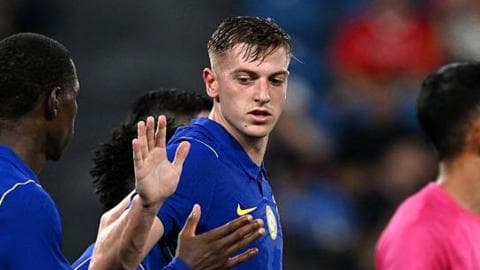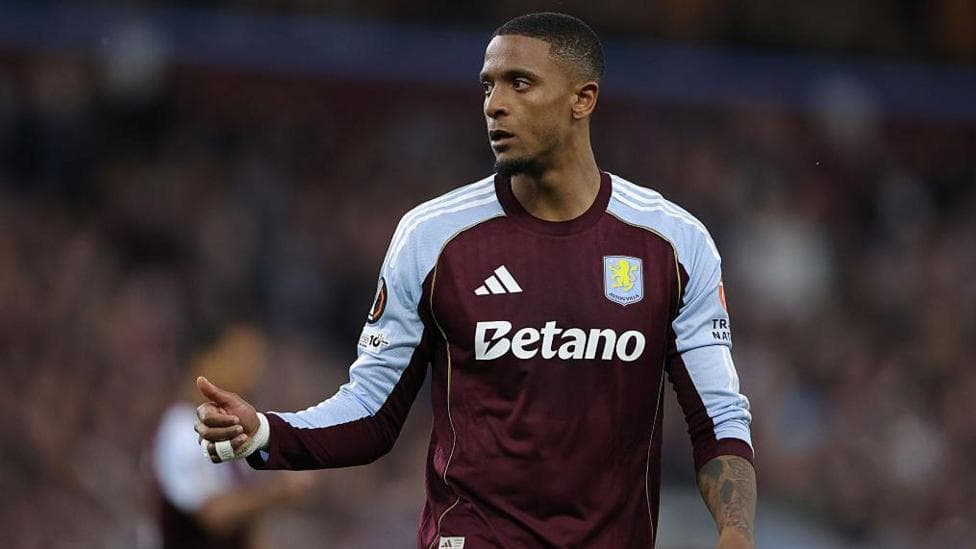
Ezri Konsa has joined Arsenal from Aston Villa in a £51m transfer, with the deal potentially rising to £55m through performance-related add-ons. The 28-year-old England defender signed a four-year contract with an option to extend for a fifth year, completing the move on 21 August 2026 after weeks of negotiation between the two Premier League clubs.
Konsa expressed his enthusiasm about the switch, saying he is eager to contribute to Arsenal's title ambitions.
It's a privilege to be here and can't wait to get started. I want to keep winning, I'm hungry to win and that's what I'm here for. It's a proud moment for me and my family to play for one of the best teams in the world.
The transfer negotiations proved protracted, with Villa initially seeking £60m while Arsenal's opening offer stood around £30m, before the clubs reached a compromise. Konsa has now passed his medical and completed the paperwork, clearing the way for him to integrate into Mikel Arteta's squad.
The defender arrives at the Emirates having established himself as one of the Premier League's most reliable performers. During his time at Villa, Konsa made 286 appearances after joining from Brentford in July 2019. He featured prominently in the club's Europa League triumph in May, ending a 41-year wait for major European silverware, and contributed two goals and one assist across 48 appearances last season as Villa secured fourth place and Champions League qualification.
At international level, Konsa played in every match for England under Thomas Tuchel at the World Cup, helping the team reach the semi-finals before losing to Argentina and subsequently winning the bronze medal by defeating France.
Why Arsenal moved for Konsa
Arsenal's pursuit of Konsa reflects the club's defensive injury crisis heading into the new season. The Gunners have already invested heavily in their squad this summer, spending over £100m to bring in midfielder Bruno Guimaraes from Newcastle for £75m and winger Christos Tzolis from Club Brugge for £34m.
Last season, Arsenal's meticulously structured defence—anchored by the partnership of William Saliba and Gabriel Magalhaes—proved instrumental in securing the club's first league title in 22 years, conceding just 27 goals across the campaign. However, that defensive foundation has been severely compromised by injury.

William Saliba has been ruled out for an extended period with a chronic back issue that he had been managing throughout the previous season and which forced him to withdraw from France's World Cup campaign early. Jurrien Timber, Arsenal's primary right-back, is also unavailable for the opening weeks due to a groin injury that led to his withdrawal from the Netherlands' World Cup squad.
This has left Ben White as Arsenal's sole fit right-back, despite his own history of fitness concerns, and 21-year-old Cristhian Mosquera as the only right-sided centre-back option to partner Gabriel. Arsenal also made defender Piero Hincapie's loan deal permanent this summer, yet Arteta appears reluctant to deploy two left-footed centre-backs simultaneously—a scenario that would arise if White sustained an injury and Mosquera had to shift to right-back.
Riccardo Calafiori is Arteta's preferred left-back due to the attacking unpredictability he provides, while Hincapie also operates from the left. Academy prospect Marli Salmon, aged 16, remains on the books but is expected to feature only sparingly in cup competitions as he develops.
Villa's summer exodus and financial pressures
Konsa's departure marks another significant loss for Aston Villa as the club undergoes substantial squad restructuring under Unai Emery. The departure follows a summer of high-profile exits that reflects Villa's position as a selling club, driven largely by financial necessity.
Villa must adhere to Uefa's squad cost ratio regulations, which cap spending on player wages, transfer fees and agent fees at 70 per cent of football-related revenue. The club has already incurred two Uefa fines for breaches: a £9.5m sanction last year and a £19.4m fine in June, though £12.9m of the latter was suspended following a settlement agreement. The Premier League's Profit and Sustainability Rules also restrict financial losses to a maximum of £105m over any rolling three-year period.
Villa's financial position remains challenging despite recent profitability. The club posted a post-tax profit of £17m in their latest accounts covering the year ending 30 June 2025, but the two preceding years showed losses of £119.6m in 2023 and £85.4m in 2024. These constraints have severely limited the club's flexibility in the transfer market.
Youri Tielemans and Morgan Rogers, both goalscorers in Villa's Europa League triumph in Istanbul, departed last month. Rogers' £117m transfer to Chelsea set a new record fee for an English player. Left-back Lucas Digne was also sold to Paris St-Germain, while the club continues to manage the situation surrounding goalkeeper Emi Martinez following his failed move to Juventus and the subsequent signing of Japan's Zion Suzuki as his replacement.
Al-Hilal may yet test Villa's resolve before the 1 September transfer deadline regarding striker Ollie Watkins, with the Premier League club reportedly offering him a new contract to secure his future. Should Watkins depart, only Matty Cash, Pau Torres, Victor Lindelof, John McGinn and Emi Buendia would remain from the starting eleven that lifted the Europa League trophy in Istanbul.
Key Facts
- Konsa signed a four-year contract with an option for a fifth year, with the deal potentially worth £55m including add-ons
- The defender made 286 appearances for Villa since July 2019 and helped the club win the Europa League in May 2026
- Arsenal's defensive crisis prompted the signing, with William Saliba and Jurrien Timber both sidelined by injury
- Villa's financial constraints under Uefa and Premier League regulations have forced the club to sell key players throughout the summer
- Konsa played in every England match at the World Cup as Thomas Tuchel's side reached the semi-finals