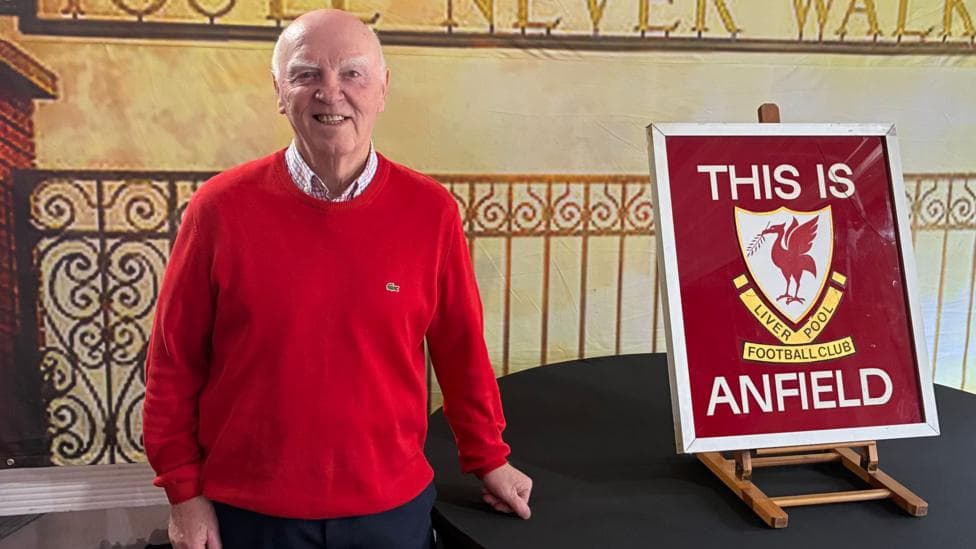
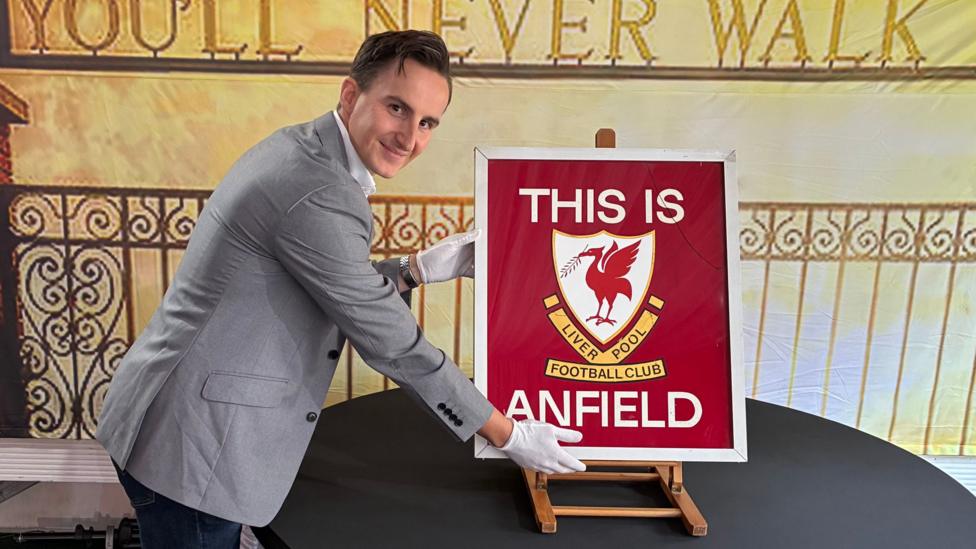
The original "This Is Anfield" sign from Liverpool's stadium tunnel has sold for £115,000 on 9 September 2026, far exceeding expectations. According to specialist reporting on the sale, the final total including fees and VAT reached more than £138,000. The sign sold as lot 506 in Budds' two-day "Game On" live auction, one of more than 700 lots offered across the event.
The iconic sign, measuring 58 x 54 cm, fetched almost eight times its estimated guide price of £15,000. Budds confirmed it was a record price for any UK sports stadium interior sign. The auctioneer noted that the sale and the artefact itself "made for a very memorable auction" due to the cultural significance attached to the piece.
Why Shankly created the sign
Manager Bill Shankly introduced the sign in March 1972 after rejecting an initial proposal of "Welcome To Anfield" as insufficiently imposing. According to historical records of the sign's origins, a groundsman first proposed the idea to club secretary Peter Robinson before Shankly suggested the amendment to "This Is Anfield". The legendary manager intended the words to serve two purposes: reminding Liverpool players of the club they represented while simultaneously intimidating visiting teams as they walked out into the ground.
Former Reds player George Scott explained Shankly's philosophy behind the sign, saying the manager wanted any opposition player passing beneath it to understand they were
"going into a cauldron and they weren't going to come out with a win".

The sign's journey through Liverpool history
The feature remained at Anfield during Liverpool's first two European Cup victories, in 1977 and 1978. Famous players including Alan Hansen, Kenny Dalglish and Frank McGarvey were pictured with the sign after joining the club between 1977 and 1979. Reds players traditionally touch the sign before matches as they pass through the tunnel, a superstition that has endured for decades.
The original sign was removed in the 1970s and given to Ronald Wilson, a former member of the club's boys' team. His family displayed it in the Rutland Hotel in Douglas, Isle of Man, from 1979 until 2000. The sign then passed to Wilson's children and was later displayed in his son's office until his retirement in early 2026, when it entered the auction market.
What made this sale exceptional
David Convery, head of sporting memorabilia at Budds, reflected on the auction's significance, stating that while all sports memorabilia carries "some of the magic of the game and its players," the Anfield sign possessed something unique. He observed that
"the Anfield sign and the superstition surrounding it added something that went beyond the exceptional".
According to coverage of the auction event, the two-day "Game On" sale was expected to surpass £500,000 overall across all lots. The sign's performance significantly contributed to that target. Former player Roy Evans, who managed the club between 1994 and 1998, had given the sign to Wilson decades earlier, connecting the artefact to multiple eras of the club's history.
Liverpool has since had three distinct "This Is Anfield" tunnel signs throughout its history, but the original remains the most historically significant. The identity of the new owner remains unknown, though the sale ensures the iconic piece will be preserved as a treasured piece of football heritage.
Key Facts
- The original sign sold for £115,000 on 9 September 2026, with the final total exceeding £138,000 including commission and VAT
- The sale price was nearly eight times the £15,000 guide price and set a record for any UK sports stadium interior sign
- Bill Shankly installed the sign in March 1972 as a psychological tool to intimidate opposing teams while motivating Liverpool players
- The sign remained at Anfield during the club's European Cup victories in 1977 and 1978 before being removed and given to Ronald Wilson
- The artefact was displayed in an Isle of Man hotel for over 20 years before being offered at auction as part of Budds' 700-lot "Game On" sale