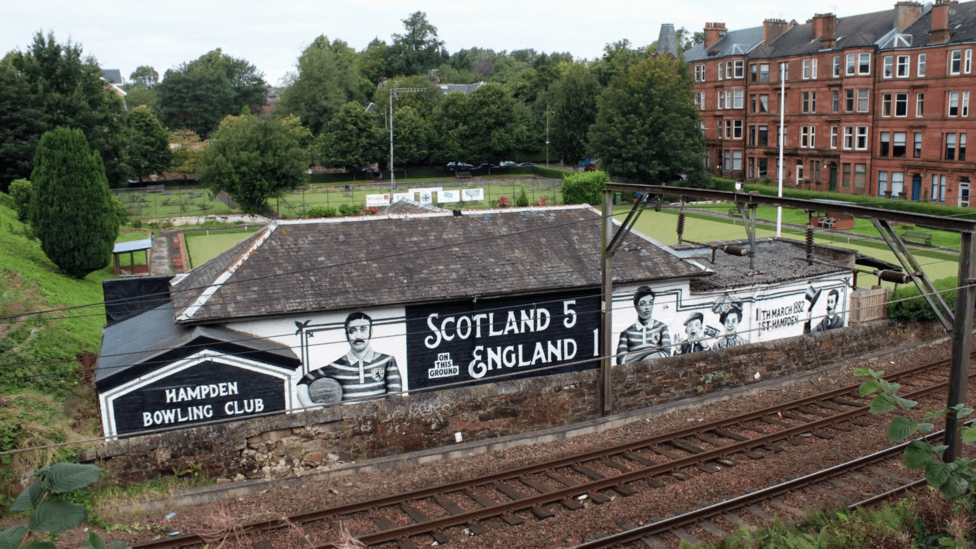
The location of the original Hampden Park, recognised as the world's first purpose-built international football stadium, has been placed on the market for lease. Glasgow City Council's property arm, City Property Glasgow, is now inviting offers for the site, which currently houses a bowling green and clubhouse.
The listing describes the premises as an "exciting leisure opportunity". According to City Property Glasgow,
offers will be assessed on their individual merits including but not limited to community benefits, heritage consideration, deliverability and financial value. However, the council's property body has stated it wants to test the market and has no intention of selling the site for redevelopment.
The prospect of the site being leased has prompted urgent action from First Hampden, a preservation group established in January 2026 to safeguard the location. The organisation is developing a community-led proposal to bring the site into local ownership and operation.
We're working to keep it in local hands, as a community hub and heritage site, open to all, the group said in a statement.
Why is this site historically significant?
The original Hampden Park holds exceptional importance in football history. Early international matches were often staged on cricket grounds, such as Hamilton Crescent in Partick, which hosted the first international football match in 1872 between Scotland and England, ending in a 0-0 draw. Hampden Park, named after the terrace running alongside it, was opened in 1873 as a ground for Queen's Park Football Club and became the first purpose-built stadium to host an international football match when Scotland played England there in 1878.
Queen's Park vacated the site in 1883 when the Cathcart railway line was constructed across part of the pitch. The club relocated to what is now Cathkin Park for nearly three decades before moving to the third and current Hampden site in Mount Florida in 1903.
What is on the site today?
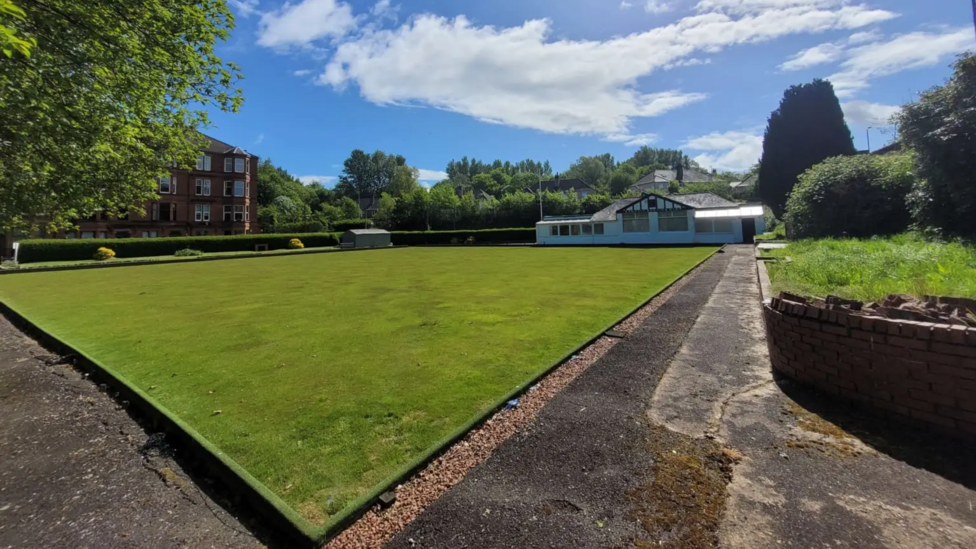
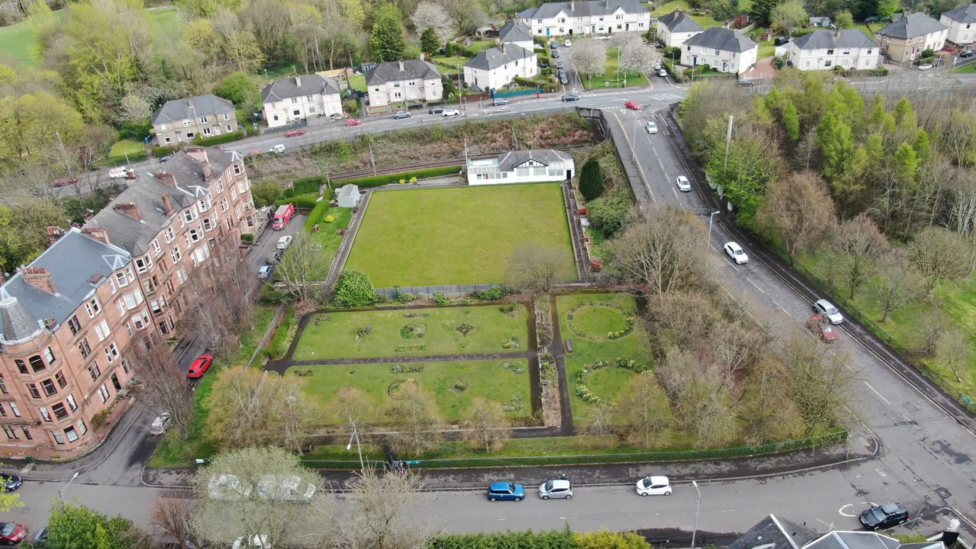
The original Hampden location now comprises the railway line, Kingsley Gardens, and a bowling green with clubhouse. The clubhouse, which has been occupied by Hampden Bowling Club since 1905, includes a bar area, kitchen, toilets, and small outbuildings alongside the former bowling green. The club voted to dissolve in February 2026, creating uncertainty about the site's future. The club's lease had been on a rolling monthly basis, which prevented it from securing longer-term funding arrangements.
What protection does the site have?
Historic Environment Scotland has designated the remains of the original Hampden pavilion as a scheduled monument, affording it protection against redevelopment or unauthorised works. However, this protection applies only to the area within Kingsley Gardens, not the former bowling club premises that have been advertised for lease. This distinction has raised concerns among preservation advocates about the vulnerability of the broader site.
What is the community group proposing?
First Hampden is working to establish a community hub that would combine heritage displays with recreational facilities and an affordable events venue accessible to the public. The group is collaborating with David Cook of Glasgow Building Preservation Trust on a feasibility study, which will produce a detailed, costed plan for upgrading the site under community ownership. The group says it would prefer a long lease to support a modern, inclusive community space.
First Hampden's request for the site to be transferred into community ownership was rejected by City Property Glasgow. The council's property body cited the site's income-generating potential as the reason for declining the community asset transfer request. The group has now secured funding to complete its feasibility study, which it hopes will strengthen its position in any future assessment by City Property Glasgow.
Support for preservation has grown significantly. More than 700 local residents have backed calls to preserve the site, and Football's Square Mile has formally supported a community-led venture. John Grady, Scottish Labour MP for Glasgow East, has written to City Property Glasgow requesting a six-month extension before bids close, allowing time for the feasibility study to be completed and enabling a robust community-led proposal to be submitted for assessment.
What happens next?
First Hampden is developing its community-led option while the site remains on the open market. City Property Glasgow is inviting interested organisations and groups to submit offers for assessment. No closing date has been set for offers, and a decision could be made at any point.
Key Facts
- The original Hampden Park was the world's first purpose-built international football stadium, hosting Scotland versus England in 1878
- The site now contains a bowling green and clubhouse, along with a railway line and gardens
- First Hampden CIC is developing a community hub proposal combining heritage displays, recreation, and an affordable events venue
- More than 700 residents have supported preservation efforts, and the feasibility study is underway with support from Glasgow Building Preservation Trust
- The pavilion remains protected as a scheduled monument, though only the area within Kingsley Gardens is covered by this designation