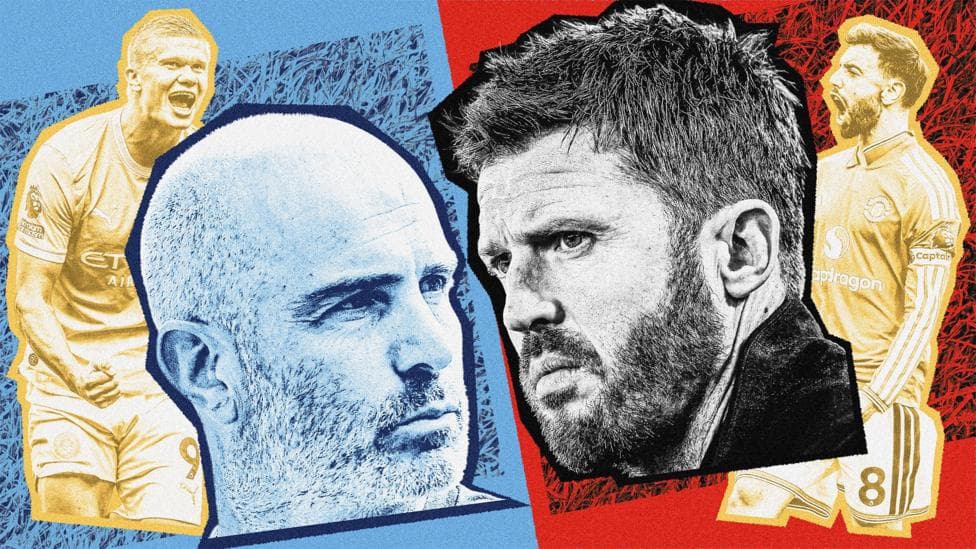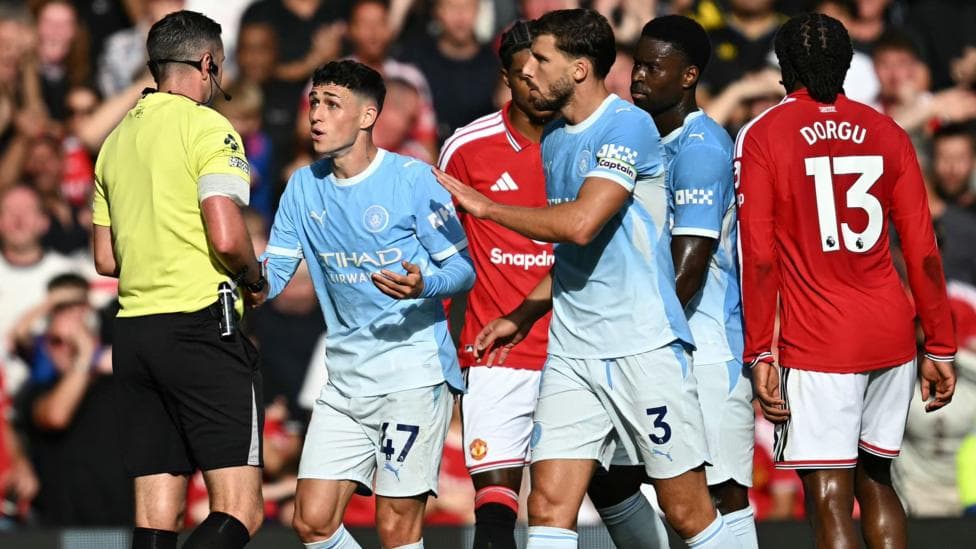
Phil Foden was sent off for violent conduct during the Manchester derby at Old Trafford after an altercation with Bruno Fernandes in the 23rd minute. The Manchester City midfielder's dismissal proved particularly contentious because replays suggested Fernandes had initiated contact by kicking Foden first, yet the Portuguese player escaped without even a caution. According to Sky Sports, the incident ultimately proved decisive as Erling Haaland's goal secured a victory for 10-man City, leaving Manchester United supporters and analysts questioning the consistency of the officiating.
Foden becomes only the second Manchester City player to receive a red card in a Premier League Manchester derby, following Bernardo Corradi's dismissal in December 2006. The decision by referee Michael Oliver, which was reviewed and upheld by the video assistant referee, has divided opinion among pundits and supporters about whether the punishment fitted the offence.
How did the incident unfold?
The controversy began when Foden collected the ball on the right wing in his own half and found himself pressed by Fernandes. The United midfielder brought Foden down with a trip, but as the City player lay on the ground, he kicked out at Fernandes's body. Oliver immediately produced a straight red card.
Television replays revealed that Fernandes had made contact with Foden first, striking him in the back before the City midfielder retaliated. The Premier League Match Centre classified the dismissal as violent conduct, and the VAR confirmed Oliver's decision without intervention. Remarkably, Fernandes faced no disciplinary action for his part in the exchange.
What did the pundits make of it?
Analysis of the incident revealed sharp disagreement among former players and experts. Wayne Rooney argued the dismissal was unjustified, describing Foden's action as
more of a flick or a gesture, than a kick out. Danny Murphy acknowledged that while Fernandes kicked Foden first, the City player's upward kick made a red card inevitable under current rules.
Gary Neville expressed sympathy for Foden's predicament, noting that
I'm surprised Fernandes didn't get a yellow for the kick on the floor, he's certainly pulled a reaction out of Foden which will help his team-mates. Paul Robinson took a harsher view, calling Foden's response
petulant, that was stupid and he could have cost his side.
Roy Keane offered perhaps the most critical assessment of Fernandes's conduct, stating that
Fernandes catches him and gives him a little kick. I guess it's classed as violent. But Fernandes is the one who is violent here, I don't think Foden should have a red card.

Dale Johnson, a specialist in refereeing matters, explained the technical reasoning behind the decision. He noted that
The referee and VAR would have to deem it violent conduct rather than just petulance from Fernandes. Johnson pointed out that guidance changes over the years mean that
David Beckham's kick on Diego Simeone in the 1998 World Cup would not result in a sending off today. He assessed Fernandes's contact as having
little to no contact from Fernandes, and if there was it was limited force and wasn't followed through, concluding that
Bruno's act would be seen as a yellow card offence, which the VAR obviously can't get involved in.
How did supporters react?
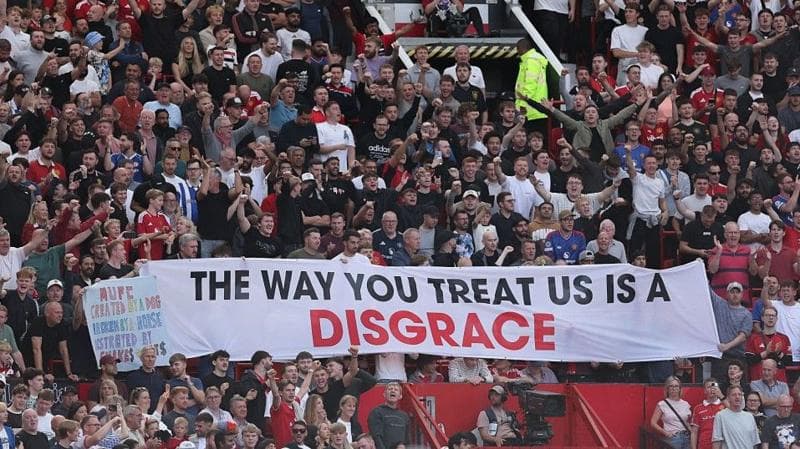
Fans expressed widespread frustration with the decision across social media and message boards. A supporter from Croydon described it as
one of those decisions that pundits will insist is correct, but people in pubs up and down the country know is bonkers. A Manchester United fan from Brighton argued that
that's never a red! Why didn't VAR overturn? Yellow all day long for Foden and Fernandes.
A Surrey-based commenter stated
Never a red, if it is then Bruno should get red for kicking him on the floor. Absolute joke officials. However, not all supporters sided with Foden. A London resident suggested
You have to send them both off. Fernandes has clearly kicked a man on the floor. That is frankly disgraceful from the pair of them. Both should be seeing a long ban. Others defended the referee's decision, with one supporter from Glossop calling it a
Nailed on red card.
Why was Fernandes not punished?
The decision to leave Fernandes without a booking proved as controversial as Foden's dismissal. Pundits were divided on whether the City midfielder bore sole responsibility for the escalation. The distinction between violent conduct and petulance proved crucial to the outcome.
According to ESPN's VAR review, the on-field decision was checked and confirmed as correct for violent conduct. However, the same threshold did not apply to Fernandes's initial contact. The guidance that now governs such incidents means that an act must be deemed violent conduct rather than mere petulance to warrant a sending-off, a standard that appeared to work in Fernandes's favour despite his role in provoking the situation.
What are the consequences for Foden?
The dismissal carries significant consequences for Manchester City's squad depth. According to reports on Foden's suspension, the midfielder faces a three-match domestic ban. The first game he will miss is the EFL Cup third-round tie against Norwich City, followed by two additional fixtures in domestic competitions.
This suspension removes one of Manchester City's most influential attacking players from the squad at a critical point in the season, potentially affecting the team's ability to compete across multiple fronts. The length of the ban underscores the seriousness with which the authorities treat violent conduct, regardless of the circumstances that provoked it.