In south-west Germany, near the French border, the municipality of Elversberg has achieved what many thought impossible. With a population of just 13,000 and no railway station, the town's football club has climbed from Germany's regional leagues to the Bundesliga in just five years. On 29 August 2026, Elversberg faced Bayer Leverkusen in their maiden top-flight match, marking a watershed moment for the smallest town ever promoted to the German elite division.
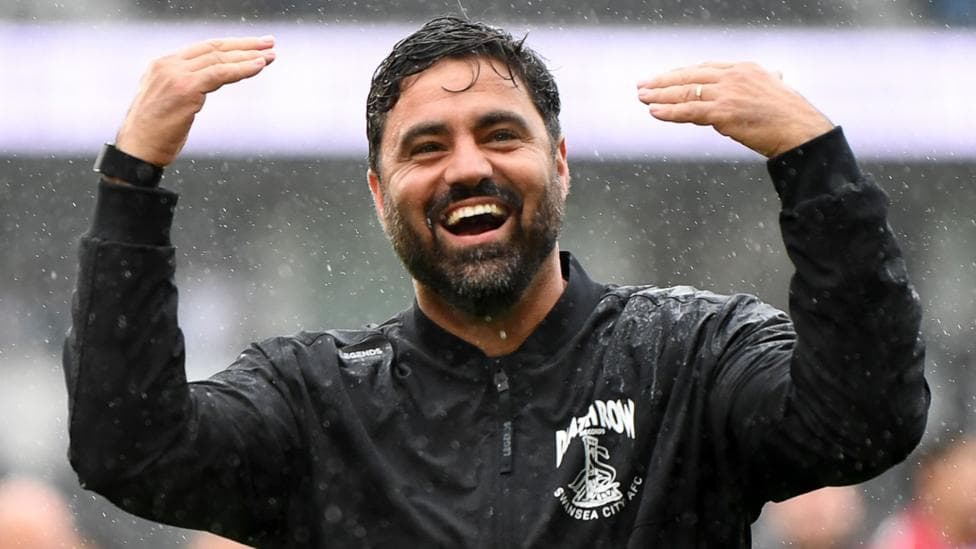
The club's ascent has been built on a philosophy of identifying young talent, developing players systematically, and maintaining a clear identity at each stage of their rise. Coach Vincent Wagner has acknowledged the scale of the challenge ahead, yet expressed confidence in his squad's readiness.
For the team to avoid relegation in the top flight would be like a journey to Mars,he said, before adding that
if you set aside the infrastructure and the money and just focus on playing football, we can somehow already keep up with the pace.
According to Bundesliga.com's season preview, Elversberg finished second in the second tier in 2025-26 and have prepared extensively for their debut campaign, including a 5-2 pre-season victory over Racing Strasbourg and a 9-0 win over Auersmacher. The squad features players including Fisnik Asllani, Younes Ebnoutalib, Lukas Petkov and Elias Baum, all identified as key figures for the season ahead.
How did Elversberg rise so quickly?
The club's rapid ascent through the divisions—three promotions in five years—was engineered largely through the work of Ole Book, a former lower-league footballer who joined Elversberg as a scout in 2017. Within a year, Book was promoted to sporting director and proved instrumental in identifying emerging talent and creating pathways for young players to develop at the club.
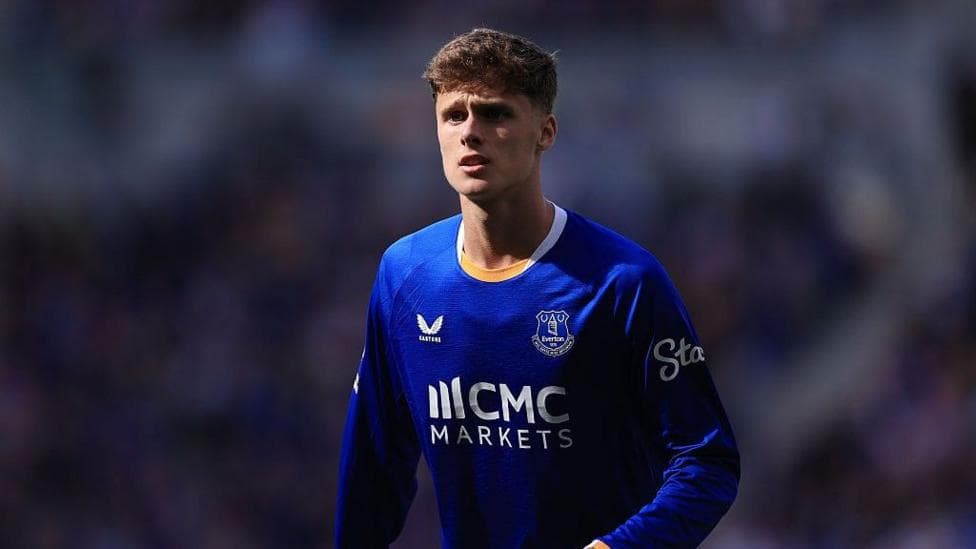
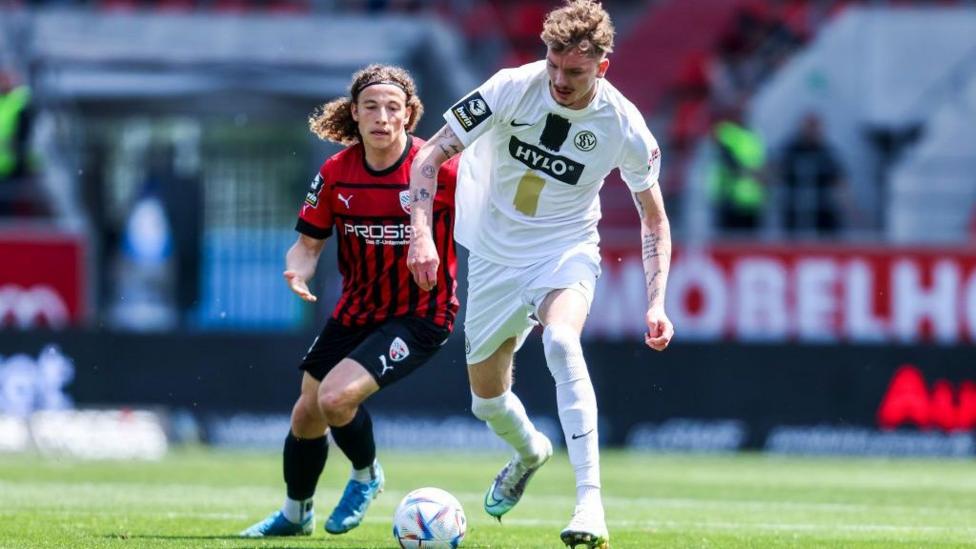
One of Book's most notable discoveries was Nick Woltemade, brought in on loan from Werder Bremen II in 2022. Woltemade scored 10 goals that season before moving to Stuttgart and subsequently securing a £69 million transfer to Newcastle last year, demonstrating the calibre of player Elversberg could attract and develop.
Book's success at Elversberg attracted the attention of Borussia Dortmund, who appointed him as sporting director in April. The club specifically highlighted his ability to identify and develop young players while
creating value for the squad.Despite his departure, Elversberg's technical director Josef Welzmuller has confirmed the club will maintain its core approach.
We won't do anything different. The identity stays the same and it is built on three core pillars. The first is to be brave, the second is to be intense and the third is to be clever.
Welzmuller elaborated on the club's philosophy, explaining that
it might sound like the rise has been a rush but at every stage the floor was solid before the next one was built. We did it step by step and it didn't feel like a fairytale for the people here because they are so strong in their decision-making and very clear in how they want to play and we want to act as a club. This is the whole magic to be honest, and a lot of very, very hard work.
What sets Elversberg apart from other rapid risers?
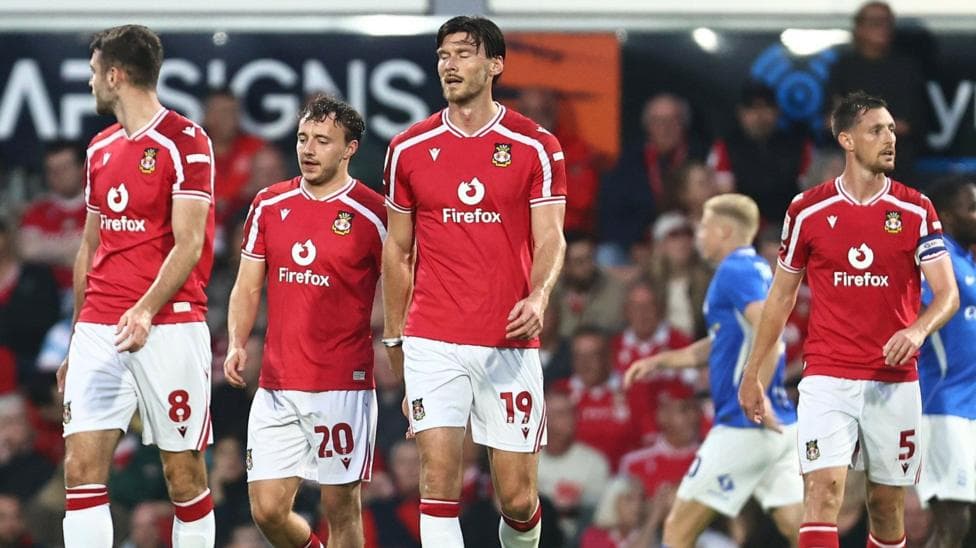
While other small clubs have experienced sudden ascents—Wrexham's rise from non-league football to the Championship being the most prominent example—Elversberg achieved their promotion without the backing of wealthy owners. Instead, the club relied on shrewd recruitment, player development, and a consistent tactical identity to climb the divisions.

This contrasts sharply with the financial resources available to other ambitious clubs. Elversberg's model demonstrates that systematic planning and clear strategic direction can compete with financial advantage, at least in the lower tiers of professional football.
How are the town and fans responding?
The impact of Elversberg's success extends far beyond the football pitch. Welzmuller observed that
what happened in the last few years was exceptional for the town. When you walk or drive through the town at the moment you see Elversberg flags all around and you see people walking around with the team's merchandise like a hat or jersey, which makes us all feel very proud. I feel like the club is part of the life of the people here.
The club's presence permeates daily life in Elversberg, with supporters and residents embracing the team's historic achievement. This grassroots enthusiasm provides an intangible advantage as the club prepares for the rigours of top-flight football.
What infrastructure changes are underway?
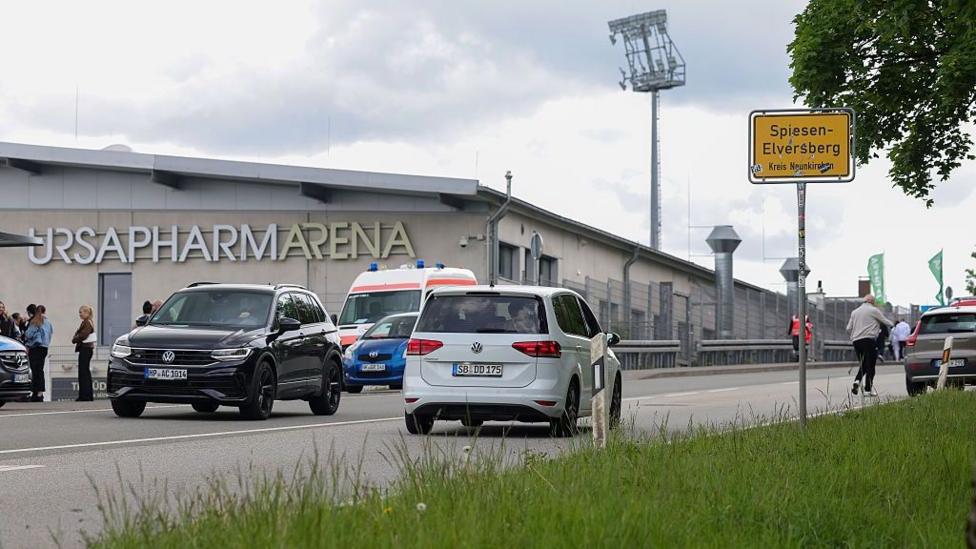
To accommodate their new status, Elversberg's stadium is undergoing development to increase capacity to 15,000—a figure that exceeds the town's population by 2,000. This expansion reflects the club's ambitions and the need to meet Bundesliga standards for venue facilities.
What challenges lie ahead?
Elversberg's inaugural Bundesliga season presents formidable obstacles. The club must compete against established powerhouses including Harry Kane's Bayern Munich, Bayer Leverkusen, and Borussia Dortmund. Their opening fixture against Leverkusen is particularly demanding, as the visitors won the Bundesliga title unbeaten just two years earlier.
Wagner has prepared his squad intensively for the challenge ahead.
We've had a long and intensive pre-season, strengthened the team as much as we could, and managed to keep most of the players we wanted to keep. The team is ready for the Bundesliga.According to live coverage of the opening match, Elversberg demonstrated competitive spirit from the outset against their illustrious opponents.
What is the realistic objective for the season?
While Wagner's comparison of survival to
a journey to Marsunderscores the difficulty, he has also expressed belief that his team can perform at the required level. The club's philosophy of maintaining intensity, bravery, and tactical intelligence will be tested across a 34-match campaign running from 29 August 2026 to 22 May 2027.
Elversberg's next fixture after the Leverkusen opener is an away match against Borussia Mönchengladbach on 5 September 2026, according to the official Bundesliga fixture schedule. Each match will provide further evidence of whether the club's model can sustain them at the elite level.
Key Facts
- Elversberg, with a population of 13,000, is the smallest town ever promoted to the Bundesliga
- The club rose from regional leagues to the top flight in five years through three consecutive promotions
- Nick Woltemade, developed during a loan spell at Elversberg, later transferred to Newcastle for £69 million
- The club's success was built without wealthy ownership, relying instead on talent identification and systematic player development
- Elversberg's stadium capacity is being expanded to 15,000 to meet Bundesliga requirements