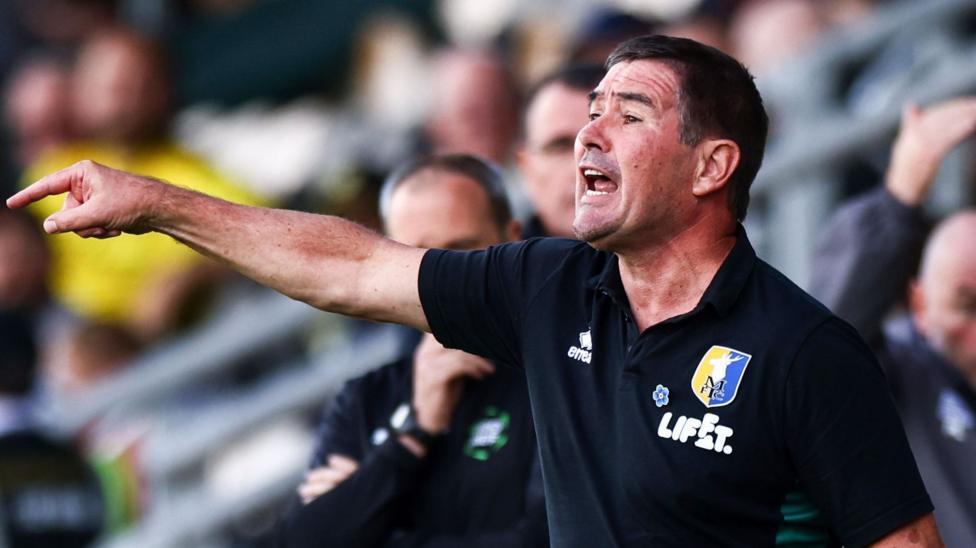
Nigel Clough is on the verge of becoming the longest-serving manager at Mansfield Town this weekend, surpassing club legend Ian Greaves in terms of active years and league matches in charge. According to BBC Sport, the 60-year-old has been at the helm since November 2020 and has overseen 329 matches across all competitions. Yet Clough himself resists framing his longevity as a personal triumph, instead viewing it as a reflection of broader instability in modern football management.
I don't think it's particularly an achievement; I think it's more an indictment of football that nobody else has lasted that long, Clough told BBC Sport. His perspective underscores a striking paradox: while his staying power at Mansfield is remarkable, it also highlights how rare managerial continuity has become across England's professional leagues.
Clough's record of sustained employment extends well beyond Mansfield. His 16 years at Burton Albion, spanning two separate periods and encompassing approximately 900 matches across more than two decades, established him as the longest-serving manager in that club's history. Combined with his tenure at Mansfield, Clough has now spent more than a quarter-century at just two clubs, a feat that stands as virtually unparalleled in modern football. He is currently the second longest-serving manager across England's top four divisions, behind only Mikel Arteta at Arsenal.
The Broader Context of Managerial Turnover
Data from the League Managers' Association reveals the scale of the problem Clough identifies. Managers across England's top four divisions are now staying in their positions for less than a year on average, a dramatic shift from the era when figures like his late father Brian Clough, Sir Alex Ferguson, and Arsène Wenger could build dynasties through sustained tenure. Clough's own assessment of this trend is blunt:
I just think it's sad the way football is going at the moment. The first bad period that people have, a month, two months or something like that, and the manager is the one that goes.
The timing of Clough's milestone underscores his point. In the same week he was set to break the Mansfield record, Manchester United sacked Michael Carrick after just 10 months in the role, and Crystal Palace relieved Pierre Sage of his position following only 16 games. These decisions illustrate the impatience that now characterises boardroom thinking across the professional game.
Navigating Crisis and Building Stability
Clough's tenure at Mansfield has not been without turbulence. When asked whether his job felt under threat during difficult periods, he responded with a candid
of course. The most significant test came during his first full campaign in charge in 2021-22, when Mansfield occupied the relegation zone and endured a 12-match winless streak. Rather than being removed, Clough was afforded the time to turn the situation around. The club subsequently recorded 11 consecutive home wins and reached the League Two play-off final at Wembley that same season.
His philosophy on weathering such storms reflects both experience and temperament.
You've got to go through that period and you've got to get through it, he explained.
And I think as you get a little bit older, you know more that it's going to change. You get a result out of adversity as much as anything. If you're winning, it doesn't keep going, and if you're losing it's the same thing if you've got a reasonable team and you're doing the right things.
Mansfield's Transformation Under Clough
The tangible results of Clough's sustained presence at Mansfield have been substantial. After missing promotion via the League Two play-off final in 2022, the club secured automatic promotion two years later by finishing third in the table, ending a 21-year absence from the third tier. When Clough kept them up in their first season back in League One, he accomplished something no manager had achieved for 35 years. Last season, Mansfield finished 10th, the club's highest league placing since 1987 when Greaves guided them to the same position.
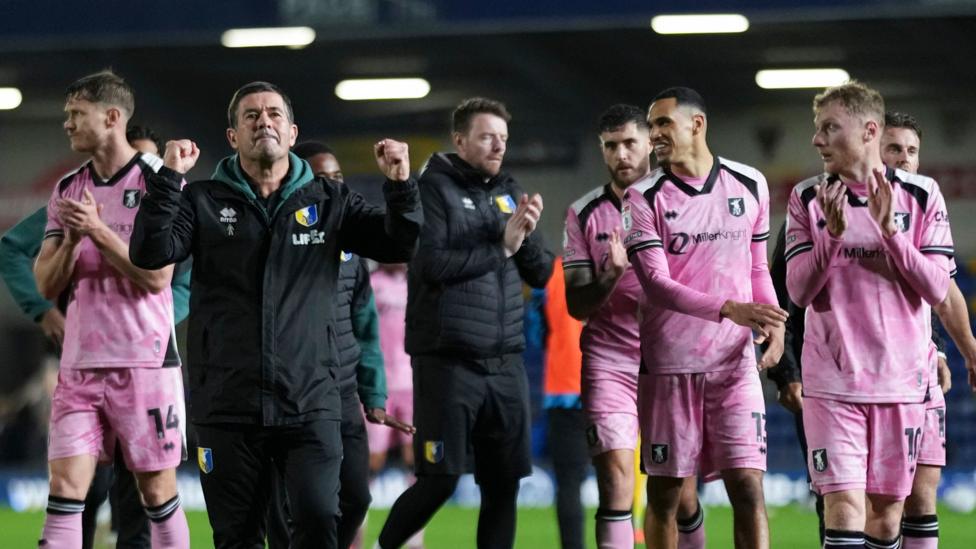
Recent results have demonstrated the team's continued competitive standing. According to ESPN, Mansfield defeated Macclesfield 3–0 in the FA Cup on 7 November, though they subsequently lost 5–3 to Chesterfield in the EFL Trophy on 10 November. The Macclesfield tie was particularly notable given that the opposition sat third in the National League North, 63 places below Mansfield in the pyramid, yet had beaten FA Cup holders Crystal Palace the previous season.
Looking ahead, Mansfield are scheduled to visit Stevenage on 14 November, host MK Dons on 21 November and visit Leicester City on 28 November in League One. Before the Macclesfield cup tie, striker Tyler Roberts was recovering from a rib problem and Tottenham loanee George Abbott from a hip injury, factors that shaped team selection during this period.
Why Players and Supporters Value Clough's Leadership
The appreciation for Clough extends beyond statistical achievement. Mansfield supporter Dean Foulkes describes the journey since Clough's appointment in November 2020 as
an incredible journey. His reputation has proven instrumental in attracting talent to the club. Prolific veteran forward David McGoldrick moved to Mansfield in the summer specifically to play under Clough, while the club has also secured former Leeds United forward Tyler Roberts and ex-Preston forward Michael Smith. Tottenham midfielder George Abbott arrived on loan, a signing that reflects Clough's standing in the game.
Midfielder Ryan Sweeney cited the opportunity to play for Clough as
the main reasonhe decided to return to the club last summer. Former Nottingham Forest and Southend striker Stephen McLaughlin, who has worked under numerous managers, offers insight into what distinguishes Clough's approach:
He manages differently to any other manager I've worked with. He doesn't treat you as a number, he treats you as a person and you want to run through bricks walls for him.
McLaughlin elaborates on the practical dimensions of this philosophy:
It's hard to explain what he does for you on and off the pitch as well. You are not on the grass too long in training because he trusts you to get your work in and to be ready for Saturday. He doesn't give too much tactical information to people because the message is 'just do your job and work hard'.
Defender Jordan Bowery, who has been transformed from a striker into a versatile defender under Clough's tutelage, emphasises the manager's loyalty and trust.
He is incredibly loyal and trusts me in those positions. A lot of managers wouldn't do that, but he's had my back and I appreciate that. He can get onto you, but that is like most managers. He expects and demands the best out of every single one of you each day. He has obviously been around the game a long time, played at the highest level - he knows the game and he knows the players.
The Influence of Family Legacy
Clough's approach to management has been fundamentally shaped by his upbringing and playing career. As a player, he scored 131 goals for Nottingham Forest over 113 years of the club's history, a record that remains unmatched. He thrived under his father Brian, who guided Forest to the First Division title in 1978 and subsequently won back-to-back European Cups. Clough also played in the top flight for Liverpool and Manchester City, experiences that inform his understanding of elite performance.
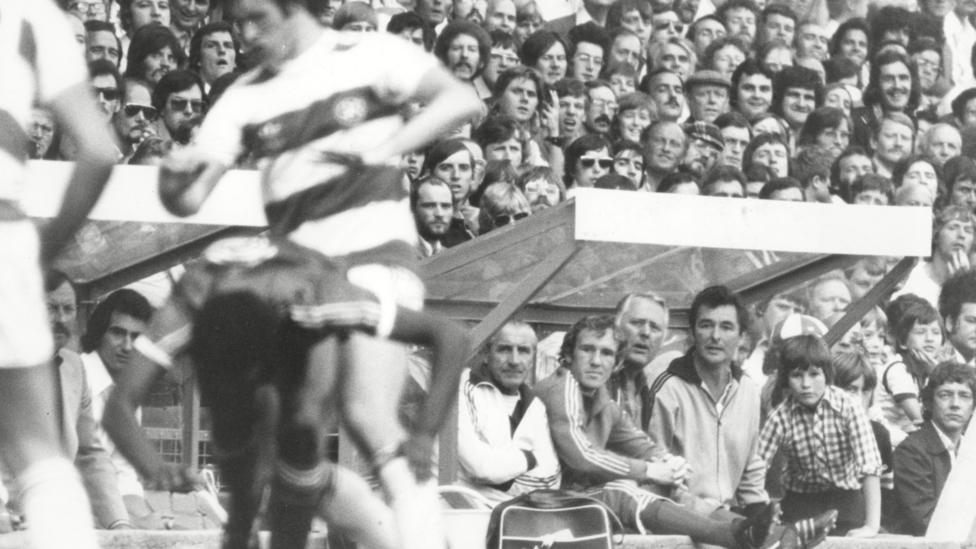
Reflecting on how his background has shaped his managerial philosophy, Clough observed:
When you're brought up in the household that we were brought up in and the environment we were brought up in, then we have a certain insight into what it takes to have a chance of being successful and what you expect of the team and everything. And the empathy, I don't think you should ever forget that if you've been a player as well, how that feels when you have a rough time and so on.
In 28 years of management, Clough has worked at just four clubs: Mansfield, Burton, Derby County, and Sheffield United. Since moving from non-league football—where he spent his first 10 years managing Burton—to take charge of Derby in the Championship in 2009, no manager has overseen more matches than Clough's 893 across England's top four divisions. At Sheffield United, his shortest managerial stint, he guided the club to the FA Cup semi-final when they were a League One side in 2014. At Burton, he transformed the Brewers from non-league status to the Championship, establishing himself as a club legend.
The Philosophy Behind Sustained Success
When discussing the mechanics of his longevity, Clough emphasises the importance of careful player recruitment and financial stewardship.
We don't like wasting the owners' money. Whether it was at Burton when we were in the Dr Martens South or whether it's here at Mansfield Town, we try and look after it as best we can. And we have a responsibility to do that.
His recruitment process prioritises character above all else.
We do as much in-depth research as we can on players. Character is the main feature of what we look at. We can see all the stuff on the videos of what they can do, then we watch them live and everything, but you have to delve really into the character and get a lot of references from players, coaches, managers. We take that very seriously. Each season we set out to just try and get a few better players in the squad.
This approach reflects a broader philosophy of incremental improvement and stakeholder management.
It's keeping the ball rolling, keeping the owners happy, keeping the supporters happy.According to reporting on Clough's tenure, the manager's sustained position has been supported by the club's board, a factor that distinguishes Mansfield's approach from the boardroom impatience evident elsewhere in professional football.
What Lies Ahead
As Clough approaches his milestone, the question of whether his record represents an achievement or an indictment remains unresolved. What is clear is that his longevity stands as a counterpoint to the prevailing trend of managerial churn. In an era when a month or two of poor results can trigger dismissal, Clough's six years at Mansfield—and his willingness to endure difficult periods in pursuit of sustained improvement—represents a fundamentally different approach to football management. Whether other clubs will learn from his example, or whether the industry will continue its current trajectory of rapid turnover, remains to be seen.