Chelsea's entertaining 2-2 draw with Hull City on Saturday extended a troubling pattern of defensive vulnerability that has plagued the club since manager Xabi Alonso's appointment. The Blues have now scored 10 goals across their opening four Premier League matches but have conceded two or more in each fixture—a record that marks their worst defensive start in 11 years.
The 2-2 result at Stamford Bridge on 12 September 2026 leaves Chelsea with only two victories from their first four league games. More concerning is their inability to keep a clean sheet: the club has now gone 20 consecutive league matches without one, stretching back to January—their longest such run in 65 years. Only Crystal Palace and Ipswich Town have conceded more than Chelsea's nine goals in the top flight so far this season.
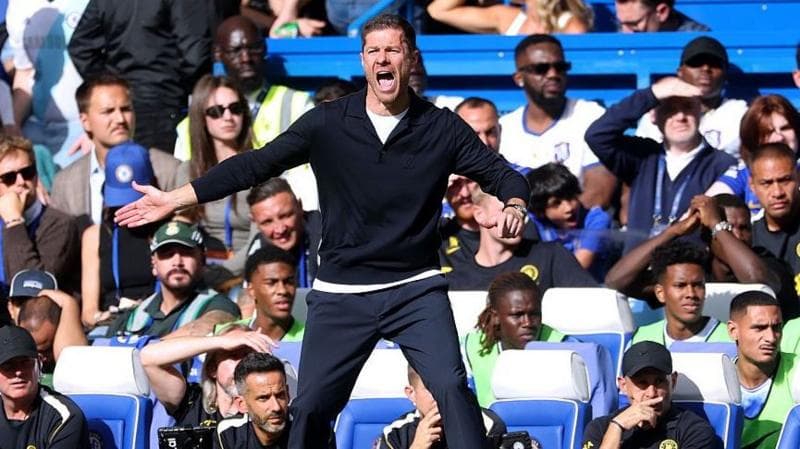
Alonso acknowledged the shortcomings after the match, stating that his team needed to be
competing betterand avoid being
softin duels. The manager's frustration was evident as he reflected on a performance that saw Hull create the better chances despite falling behind twice.
How did the match unfold?
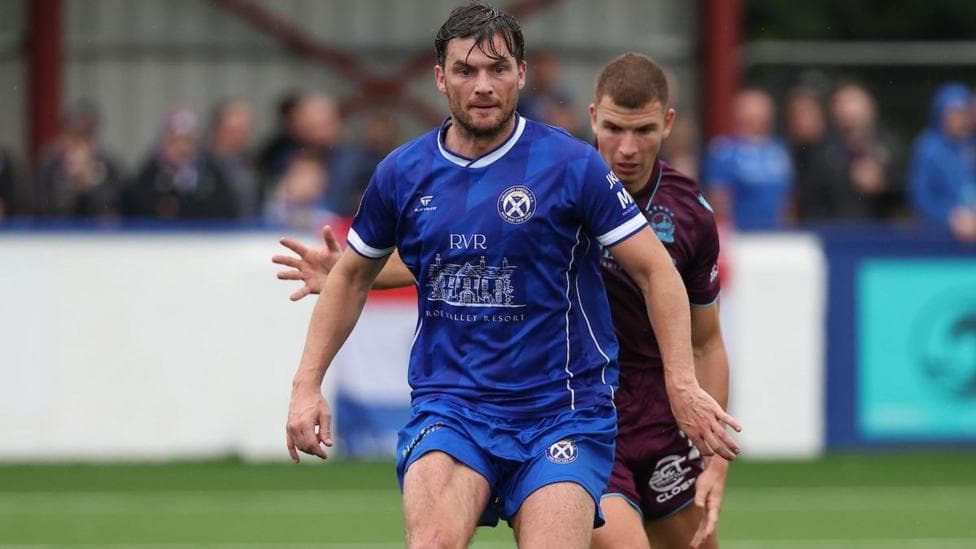
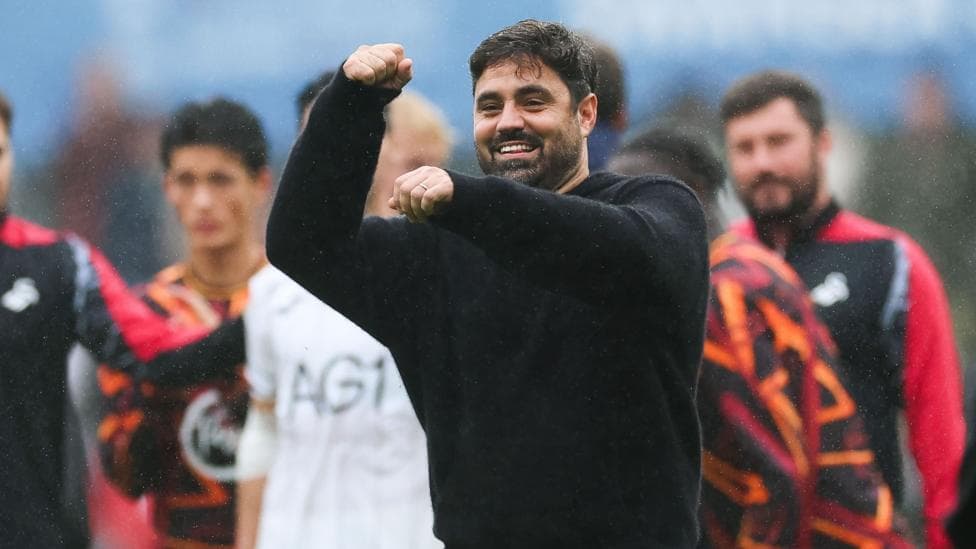
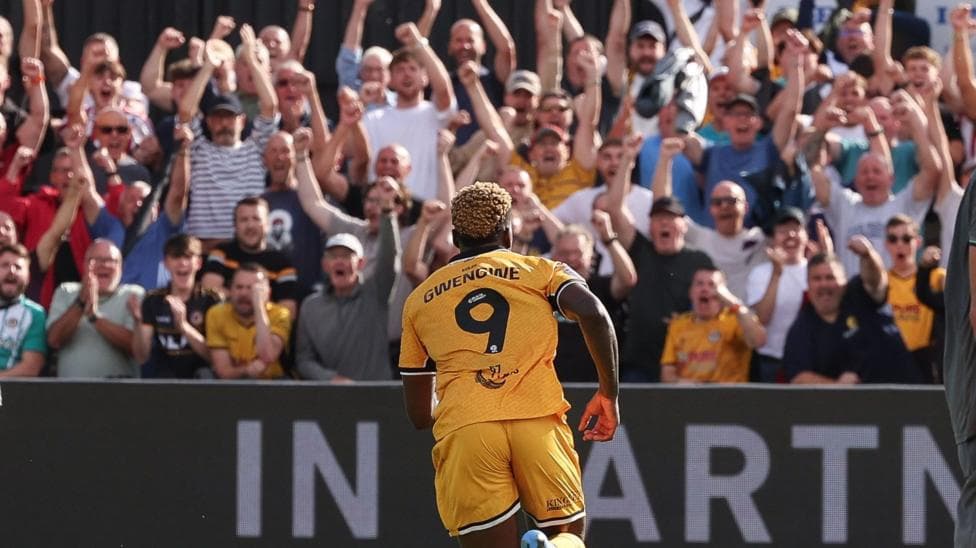
Morgan Rogers gave Chelsea an early lead, with Cole Palmer involved in the opening goal. Jorrel Hato's misjudgement of a cross allowed Hull to equalise, before Mohamed Belloumi restored Chelsea's advantage. However, Chelsea's failure to clear a corner led to Belloumi's second goal, and Joao Pedro's second-half strike only salvaged a draw. Hull goalkeeper Emiliano Martinez made several crucial saves to deny Oli McBurnie, Mohamed-Ali Cho and Lucas Herrington, with Hull boss Sergej Jakirovic naming the Argentine as man of the match.
The performance highlighted individual errors alongside systemic defensive problems. Former defender and pundit Ashley Williams identified the core issue:
Chelsea are all over the place in transitions. When they lose the ball, they are wide open. The goals they conceded are just basic errors. Both individually and as a defensive unit, they are so far off it and are shipping goals. They are not going to achieve what they want this season defending like that.
Why is Alonso changing tactics so frequently?
Alonso has altered his formation in three successive matches—from the defeat at Arsenal to the 6-3 Carabao Cup victory over Leeds in midweek and again against Hull. However, the manager insisted that switching to a back four was not a defensive solution, instead emphasising the importance of player selection and positioning.
It's about the profile of the players. You can say it was back three or four, so it's about the choice of the players, their qualities, where they play better.
Alonso's tactical experimentation reflects his ongoing process of building a cohesive unit. The manager used Chelsea's extensive pre-season tour across Australia and Asia to introduce his tactical ideas and establish a new culture, but the early league results suggest that work remains incomplete.
We had one or two good chances to get the winner, but you're still open. Not happy. We can do better. We got what we deserved.
What are the specific defensive vulnerabilities?
Chelsea's problems extend beyond set-pieces, though those remain a concern ahead of the trip to Brentford on 18 September 2026. The majority of goals have come from open play, indicating a deeper issue with transition defending and positioning. Alonso acknowledged this breadth of concern:
Overall, I think that we are attacking better than defending in every part. We know that it's a big topic and a big theme for us. For sure it's just four games, but the dynamic in terms of conceding, I don't like it and we need to do much better. Open play, set-pieces, long balls, this toughness, this competitive sense, we can do better.

The manager made a tactical substitution at half-time, removing Hato, though some defensive options have underperformed this season. Maxence Lacroix, a key defensive signing, was left on the bench against Hull, while Malo Gusto's performance drew criticism from supporters—his substitution was celebrated by Chelsea fans inside the stadium.
How have injuries and transfers affected the squad?
Chelsea's midfield has been weakened by the absence of Moises Caicedo through injury, leaving the team short of quality and numbers in that area. Jordan Henderson and Marco Palestra were also unavailable through injury before the Hull match, further limiting Alonso's options.
The club's transfer strategy has also created problems. Monaco blocked Chelsea's £47 million move for midfielder Lamine Camara on deadline day, forcing the club to abandon attempts to sign Roma's Manu Kone and Fulham's Sander Berge as alternatives. With no further transfer opportunities until January, Alonso must work with the existing squad to address defensive deficiencies on the training pitch.
Despite these constraints, Chelsea's attacking players—Rogers, Palmer and Joao Pedro—have remained in excellent form, suggesting the problem is not a lack of talent but rather a failure to balance attacking ambition with defensive solidity.
What does Alonso say about the path forward?
Alonso expressed hope that Chelsea's defensive issues will improve with time and experience.
We need to be more solid and be more controlled. [We have] new players and new staff. This is the process. In a few months I'm sure we'll be able to control better.He also highlighted the importance of maintaining concentration and tempo, noting that Chelsea need good tempo and concentration to address their current form.
The manager acknowledged that entertaining football is not enough if it comes at the cost of defensive stability.
It's all maybe entertaining, but I hope that one day you say it was a boring game and we win and we don't give these entertaining moments. But for sure it kind of repeats some patterns that we are making. It will take time or it will take moments to fix them when we get the lead and you still need to be competing and not to give the chance so easily for them to come back.
What comes next for Chelsea?
Chelsea's next Premier League fixture is an away trip to Brentford on 18 September 2026, the final match before the three-week international break. The Bees are known to be dangerous at set-pieces, presenting another test of Chelsea's defensive organisation. Tottenham will then visit Stamford Bridge on 24 October 2026 as part of a demanding fixture list ahead.
Alonso's ability to resolve these defensive issues in the coming weeks will be crucial to Chelsea's season. The club possesses attacking talent capable of scoring goals regularly, but without defensive stability, that attacking prowess will continue to be undermined by preventable errors and poor positioning.