Martin O'Neill's capacity to navigate Celtic through their current difficulties is increasingly being questioned by supporters, even as doubt itself may feel like heresy to the club's faithful. The manager's ability to restore order and confidence—qualities that have slipped away in recent weeks—will be tested severely in the coming days.
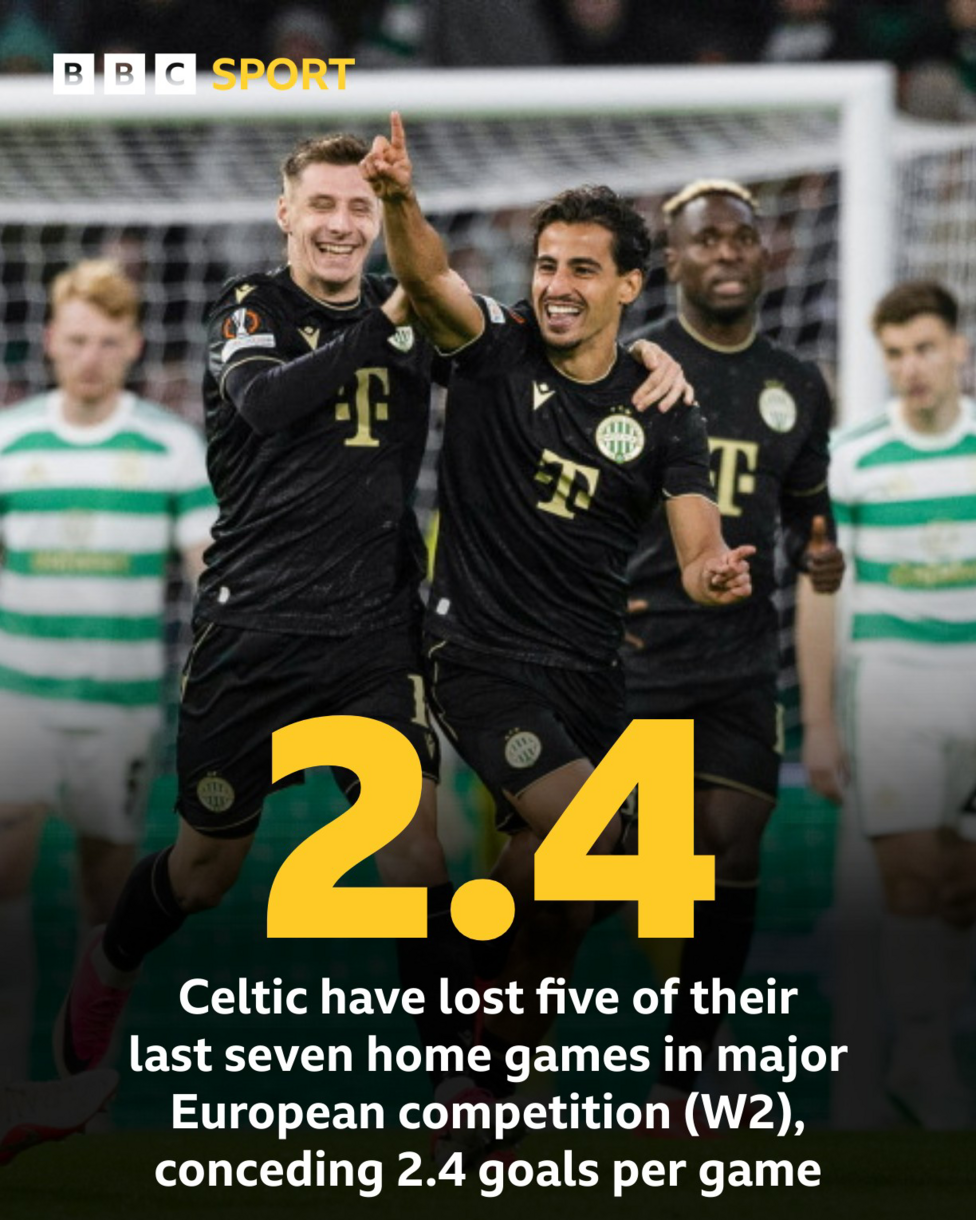
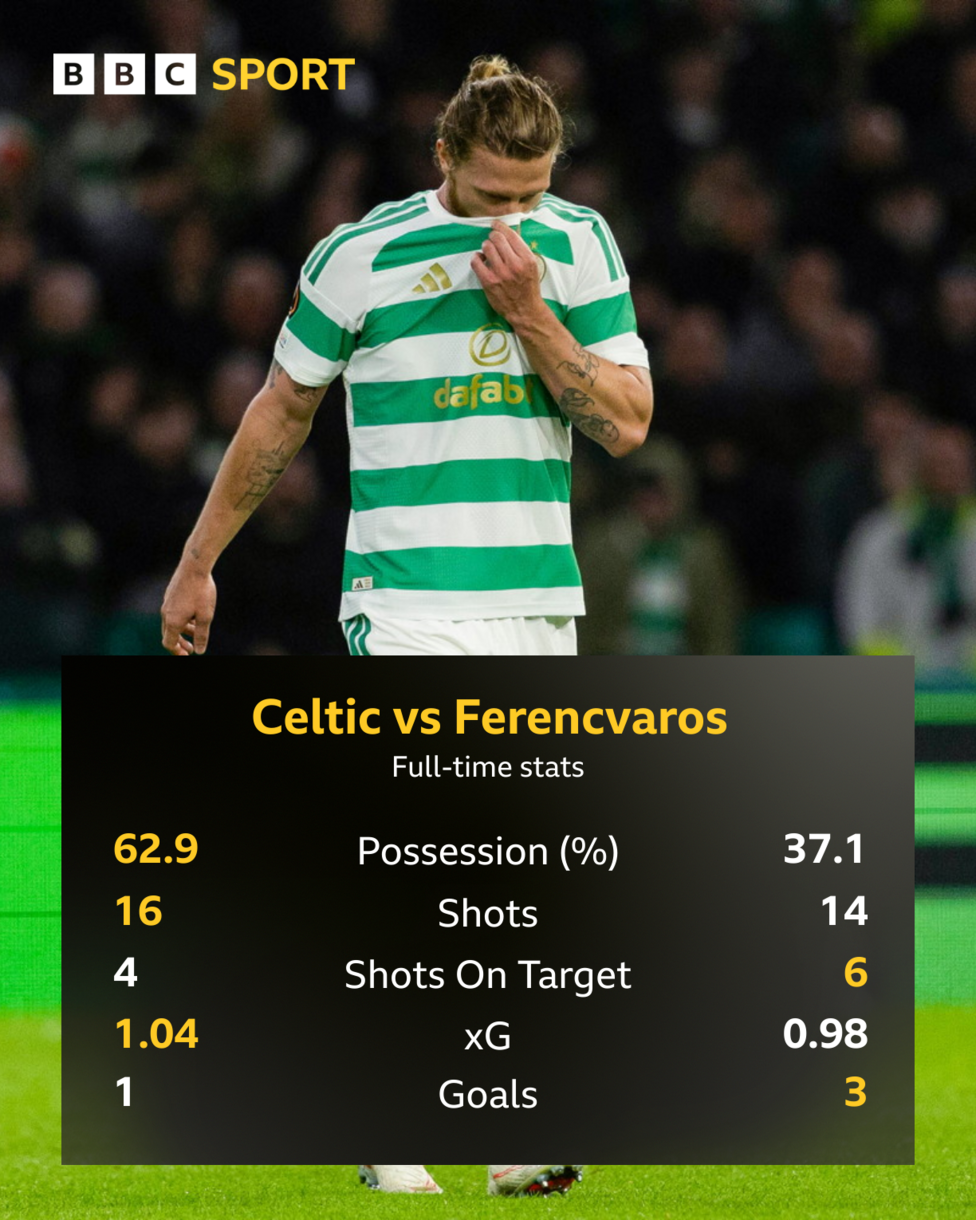
Following a heavy defeat at Ibrox on Sunday, Celtic's performance against Ferencvaros in the Europa League on Thursday 17 September 2026 delivered another sobering result. The Hungarian side won 3-1, with Celtic conceding three goals and displaying the kind of disorganised defending and midfield passivity that has become a recurring theme. According to reporting on the match, the defeat left Celtic facing back-to-back losses ahead of their Premiership clash with Rangers on Sunday 20 September 2026 at Celtic Park.
The performance was marked by absent-minded play in midfield, loose defending, negativity in possession and a fundamental lack of intensity. Celtic showed no grasp of basic passing patterns and movement, and their attempts to stage a comeback from 3-1 down consisted of hopeful long-range efforts rather than anything built on coherent pressing, speed or structure. At their best under Ange Postecoglou, Celtic had been defined by aggression, ingenuity, dynamism and risk-taking—qualities that pulled defenders out of position and created space. None of that was evident on Thursday evening.
How did the match unfold?
Celtic began reasonably against Ferencvaros but conceded a soft opening goal that set the tone for what followed. They equalised briefly through Mika Baur, offering a glimpse of quality, but then reverted to destructive patterns of play characterised by safe passes, minimal urgency and little emotional investment. The goal conceded just before half-time was symptomatic of a struggling side: hesitancy in competing for a loose ball, weakness in preventing a cross, and then defensive disorganisation in the final moment. Liam Scales scored an own goal, Kristoffer Zachariassen restored Ferencvaros' lead, and Daniel Arzani added a third to complete the scoring.
Despite controlling 62.5% of possession in the opening half, Celtic trailed 2-1. Camilo Duran, deployed through the middle ahead of Kasper Hogh, managed only eight touches of the ball. Playing in his favoured position, Duran offered little impact—a stark contrast to the energy and enthusiasm he displayed only weeks earlier upon arriving in Glasgow. Hogh, signed for £11 million and a player who had scored against elite opposition including Manchester City (twice), Atlético Madrid, Inter Milan, Sporting, Porto and Olympiacos (three times) while at Bodø/Glimt, has become an awkward-looking centre-forward with a poor first touch and insufficient service. He has now scored in just one of his eight appearances for Celtic.
The most damaging moment came when Daniel Arzani, Celtic's former player, exploited the team's defensive fragility with a magnificent counter-attacking goal. Colby Donovan over-committed to attack and was caught out of position as Arzani found acres of space on the left wing. The former Celtic player showed composure and precision, whipping his shot into the top corner with ease—a finish that exposed the defensive chaos Celtic had created.

What is O'Neill's assessment?
In his post-match comments, O'Neill spoke of frustration, failure and psychological damage, acknowledging how deeply such defeats affect a squad's resolve. He promised to
get ourselves togetherfor the Rangers fixture, but his tone was notably flat and weary. While he outlined some of the ways Celtic had been deficient, he did not speak with the conviction of a manager who possessed clear answers. His post-match demeanour—leaden, stale and disheartening—mirrored his team's performance on the pitch.
O'Neill has a track record of fixing problems, both during his first trophy-laden spell at Celtic and during his return to manage the club through chaos last season. He restored order and confidence when both had been lost, and the force of his personality gave the team fighting spirit. They were not always aesthetically pleasing to watch, but they were ferociously difficult to beat. Nobody managed it during the title run-in. That resilience feels like yesterday in some respects, yet in others it seems an awfully long time ago.
According to O'Neill's comments after the Rangers defeat, he described that result as an
eye-openerfor some recent signings and said the loss
should hurt. The manager faces a demanding schedule, with Celtic playing seven games in 22 days, and he may need to rotate his squad to manage the physical and mental demands of facing Rangers twice around the Europa League campaign.
What are the key problems?
Callum McGregor, Celtic's great totem and leader, is looking lost. The midfielder who has been central to the club's recent success appears diminished. O'Neill possesses all the tactical knowledge required to arrest this decline, but he needs to act quickly. The concern is that he does not currently look or sound entirely convincing in his ability to do so.
Celtic are lacking ideas, conviction, composure, physical and psychological resilience, creativity, ruthlessness and stomach for a fight. The manager himself appears to be lacking inspiration. While he has bounced back from challenging situations throughout his career, and supporters have become accustomed to him doing so again, the scale of what needs fixing is substantial. McGregor has acknowledged that the team is
a little bit broken at the moment.
Rangers will be watching these developments with interest. A wounded animal can be dangerous, and there is always the possibility of a backlash, but the Glasgow rivals have an opportunity to land another significant blow when the teams meet at Celtic Park on Sunday 20 September 2026.
What happens next?
The Premiership fixture between Celtic and Rangers on Sunday will be revealing. It will tell much about the trajectory of both clubs and the state of the Old Firm rivalry. Celtic's response to consecutive heavy defeats will either signal the beginning of a recovery or suggest that deeper problems persist. O'Neill must find solutions in the coming days, and the manager's ability to inspire his squad—both tactically and psychologically—will be tested as never before in this second spell at the club.