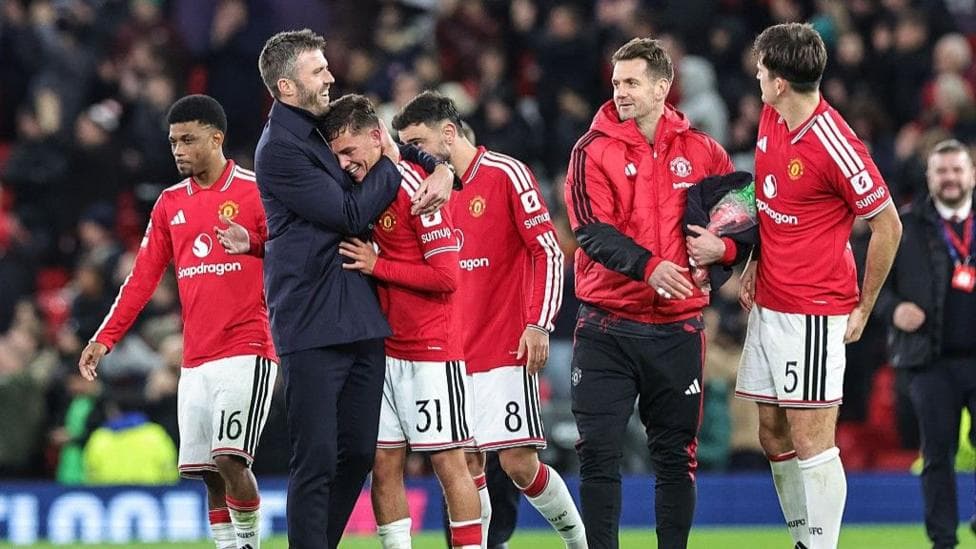
Manchester United's 3-2 Champions League comeback victory against Roma on 3 November 2026 transformed Old Trafford from a stadium consumed by anger and distrust into one erupting with celebration. The turnaround, which ended a nine-game winless run stretching back 54 days, carried unmistakable echoes of two previous moments when Manchester United managers had engineered late victories under intense pressure—only to face vastly different outcomes in the weeks that followed.
According to BBC Sport, interim manager Michael Carrick struck a cautious tone after the match.
It's one win, so we're not getting too carried away with things, but it was an important win.The victory bought Carrick breathing room, though given United's precarious league position, the durability of that reprieve remains uncertain. The club had backed Carrick to turn the situation around following the 3-0 home defeat by Bournemouth on 25 October, but without specifying a timescale for improvement.
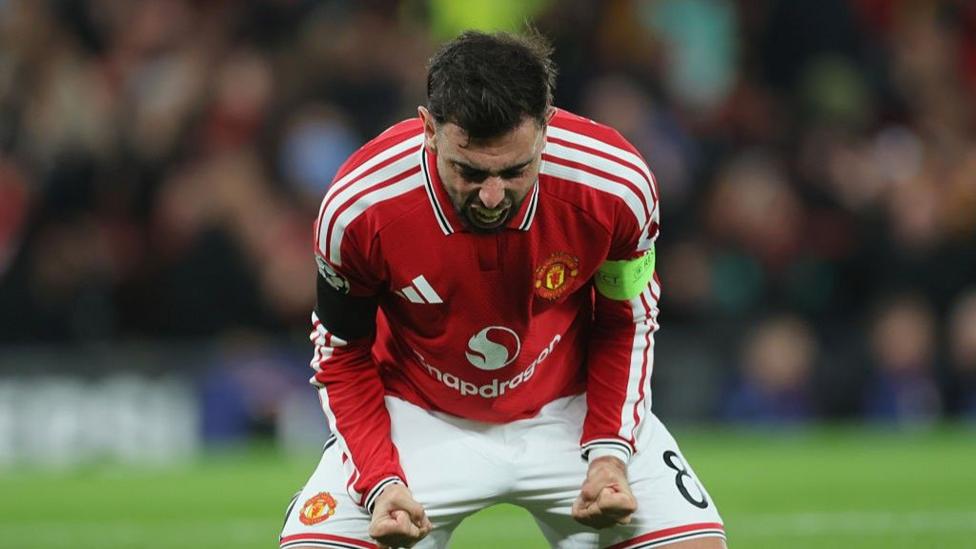
The Roma match unfolded with striking parallels to previous managerial crises. Matias Soule and Donyell Malen's penalty gave Roma a commanding 2-0 lead by half-time, and supporters threw tennis balls onto the pitch during protests as the team trailed. The atmosphere shifted dramatically when Bruno Fernandes converted a retaken penalty in the 58th minute. Matheus Cunha then scored twice in the 83rd and 86th minutes, with Shea Lacey assisting the winner, completing an improbable turnaround that saw Cunha sent off in stoppage time.
How does this compare to Mourinho's final days?
Jose Mourinho faced a strikingly similar situation in December 2018. The Mirror had reported that Mourinho was set to be sacked regardless of Manchester United's result against Newcastle, but the prediction proved premature. Although club officials downplayed the crisis at the time, sources later confirmed the intention was to dismiss Mourinho after United's worst start to a season in 29 years. A defeat to Newcastle would have made his departure inevitable.
Much like the Roma encounter, Newcastle raced into a two-goal lead and the stadium's mood turned hostile, with criticism directed at the director's box rather than solely at Mourinho. The manager replaced Eric Bailly with Juan Mata after 19 minutes, and Mata's 70th-minute goal sparked the comeback, which Alexis Sanchez completed in the final minute for another 3-2 victory. After the match, Mourinho described the pressure surrounding him as a
manhunt, reflecting the toxic atmosphere that had developed since the previous summer when his demand to sell Anthony Martial was rejected and record signing Paul Pogba became a persistent problem.
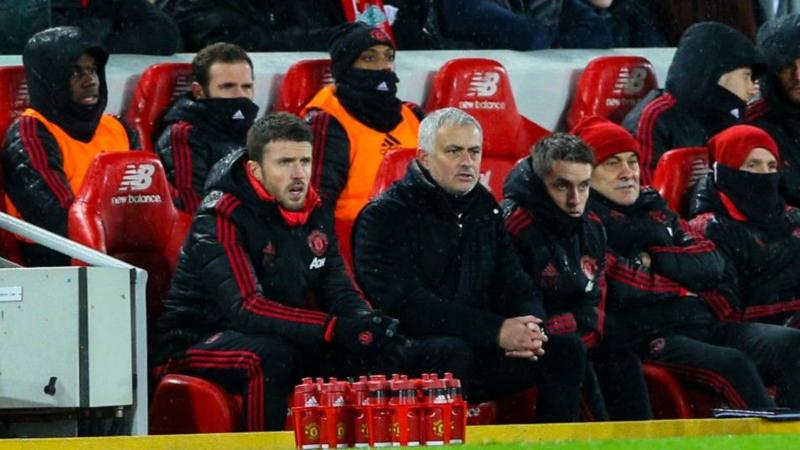
The Newcastle win did generate a temporary improvement in form, but a run of two victories in eight games followed, culminating in a 3-1 defeat at Liverpool that sealed Mourinho's dismissal 10 weeks after his rescue act against Newcastle.
What happened after Solskjaer's 3-2 win?
Ole Gunnar Solskjaer encountered comparable circumstances on 20 October 2021 when Manchester United faced Atalanta in the Champions League. Carrick was part of Solskjaer's coaching group at that time, and United had gone top of the Premier League after beating Newcastle just over a month earlier. However, two wins in seven games suggested instability.
Atalanta's coach Gian Piero Gasperini saw his team establish a two-goal lead by half-time before collapsing entirely. Cristiano Ronaldo scored the decisive goal nine minutes from time, delivering another 3-2 victory. Even defeat that evening would likely not have threatened Solskjaer's position, but what followed immediately afterwards proved catastrophic. Liverpool visited Old Trafford and established a four-goal first-half lead, winning 5-0—their biggest ever away victory over their rivals. Many United supporters believed Solskjaer should depart that night, though his actual dismissal came three weeks later following a 4-1 defeat at Watford.
Why is the Villa match so critical?
The Premier League table illustrates why Carrick's caution is justified. If results go against Manchester United, they could occupy the bottom position by the time they face Aston Villa on 8 November 2026. Neither Mourinho nor Solskjaer managed to build on their 3-2 comebacks with sustained improvement. Mourinho's United drew at Chelsea and then lost at home to Juventus. Solskjaer's team were humiliated by Liverpool. Both managers squandered the momentum their epic victories had generated.
United have now gone seven Premier League games without a win. Under Ruben Amorim at the end of the 2024-25 campaign, they endured eight games without victory, but those were interspersed with wins en route to the Europa League final, reducing the psychological impact. The current run feels more damaging.
The club does possess an exceptional home record against Villa. They have won their past six encounters in all competitions and lost only two league matches against the Midlands side at Old Trafford since 1983. Victory on 8 November would lift United to within two points of Unai Emery's side before a challenging run of fixtures following the international break, including visits to Liverpool on 22 November, Newcastle, and Arsenal in December. Given that Carrick beat Manchester City and Arsenal in his first two games as interim boss, the tactical foundation exists for a positive sequence.
Defeat is likely to drop United into the relegation zone for at least a fortnight and would set up a daunting trip to Anfield on 22 November. The Villa fixture carries particular weight because it represents the first opportunity to demonstrate that the Roma victory was the beginning of a recovery rather than an isolated moment of redemption.
United will be without £70 million signing Carlos Baleba due to injury, further complicating Carrick's task. The manager has repeatedly stated
It's not about mewhen assessing the fallout from poor results, but the Roma outcome proved far more positive in tone. There is no indication that Carrick's future has been formally decided, but what unfolds at Old Trafford this weekend appears pivotal to determining whether his tenure extends beyond the international break or whether the club hierarchy opts for a change in direction.
Bruno Fernandes, United's captain, offered a perspective that extended beyond the immediate result. Fernandes claimed the players did not need to save Carrick's job and reaffirmed his belief in the manager and staff, suggesting internal confidence that extends beyond the manager's own measured public statements.
What lies ahead?
Manchester United are scheduled to host Aston Villa in the Premier League on 8 November 2026, followed by a Champions League fixture against Sporting CP on 25 November 2026. The international break will provide the club hierarchy with time to assess whether Carrick's tenure should continue or whether a managerial change is warranted. The Roma comeback has provided temporary relief, but sustained improvement remains the only guarantee of job security in the current climate.