Following the departure of David Gray, Hibernian's board faces a pivotal decision about the club's future direction. Will they pursue a manager from abroad in the mould of Wouter Vrancken at Hearts, or opt for a familiar domestic name?
On 16 September 2026, Hibernian sacked Gray following a defeat to Kilmarnock, leaving the club ninth in the Scottish Premiership after just six league matches. Executive chairman Ian Gordon stated the board did not take the decision lightly, citing a recent downturn in results and performances. The club had endured six consecutive home league defeats for the first time since 1920, a run that made Gray's position untenable.
John Potter will manage the team in its next fixture at home to Aberdeen on Saturday 19 September 2026, with a lengthy international break to follow. The question now centres on who will be in permanent charge when Hibernian travel to face Dundee United on 10 October 2026.
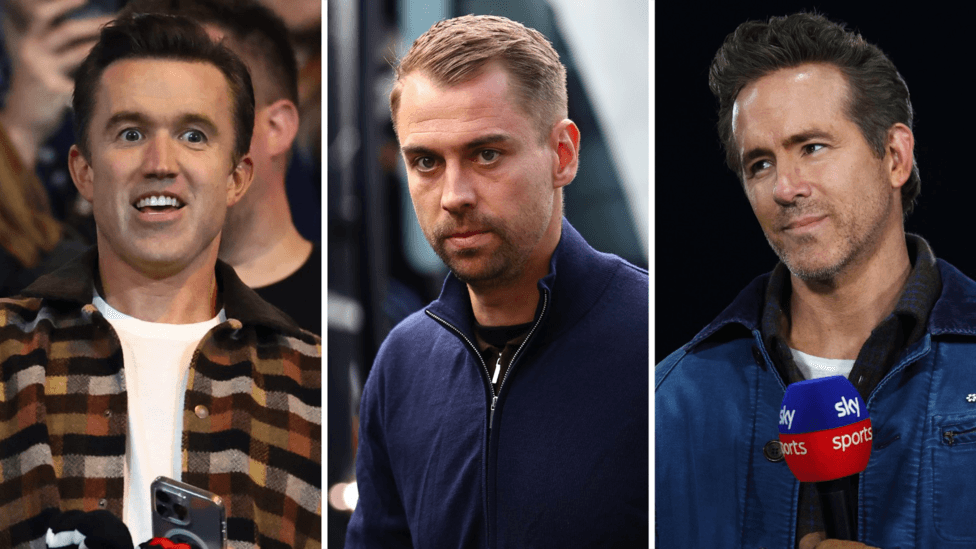
Sporting director Malky Mackay, chairman Ian Gordon and chief executive Dan Barnett must decide whether to appoint an established figure within Scottish football or follow the path taken by city rivals Hearts and Motherwell by recruiting a manager from overseas. The Easter Road faithful appear to favour the latter approach, though former Hibs midfielder Scott Allan emphasises that
it has to be right.
How have Hibs' rivals navigated managerial transitions?
Motherwell have demonstrated a seamless approach to succession planning. The club first identified Jens Berthel Askou, then replaced him almost without disruption by appointing Alfred Johansson after a season of success. Askou's side pipped Hibs to fourth place on the final day of the previous campaign, though most supporters in green and white were more preoccupied with events at Celtic Park, where Hearts fell short in their title pursuit.
Hearts' transition to Vrancken's methods has proven particularly instructive. The Belgian manager has brought consistency and attacking intent to Tynecastle, establishing a clear identity that contrasts sharply with the uncertainty that has surrounded Easter Road. Allan observed that
how Hearts have transitioned to Vrancken's style, they've been really consistent and look to be going in the right direction. He noted that
with Jamestown, you always knew after Derek McInnes' it'd be that type of manager - and attacking, aggressive style of play - given what they done at Union Saint-Gilloise and Brighton.
The comparison is instructive. Both Motherwell and Hearts have made deliberate choices aligned with their footballing philosophy.
Similiar to Motherwell, their last two decisions have been spot on given how they want to play, Allan said. By contrast,
from a Hibs perspective, they're a bit different. They've kind of looked like they're standing still, with Gray coming under pressure for how the team are performing.

What structural challenges does Hibernian face?
Former striker Cillian Sheridan raised a fundamental question about whether Hibernian possesses the infrastructure to execute a strategy similar to Motherwell's or Hearts'. Speaking on a national broadcaster's podcast, Sheridan suggested that
Motherwell have the structure in place to have everything. The manager isn't the main focus, he's a head coach brought in to improve players and play a system.
Sheridan questioned whether Hibs have established the same clarity of purpose.
I'm not quite sure if Hibs have that structure in place at the minute or if they know what their remit is or style of the club is, he said.
If you're going down that route, someone else probably needs to be appointed above a manager before that happens.
The distinction matters. A club pursuing the Motherwell or Hearts model requires more than a new manager; it demands a coherent identity that extends across recruitment, player development and tactical direction. Without that foundation, appointing a foreign coach risks repeating the cycle of instability that has characterised Hibernian's recent history.
What questions must the board answer?
Sheridan articulated the strategic choices facing Hibernian's leadership.
It depends what they want. Do they want someone who's just known for winning or being successful? Or do they want someone to come in and develop players with a style of play?he asked.
Are Hibs happy to finish in the same position Gray finished but with football where they might win every second and third game, but they'll win it convincingly and in style? There's are lot of questions.
Gray's tenure had steadied the club after a period of managerial turbulence. Following the departures of Jack Ross, Shaun Maloney and Lee Johnson, Gray had taken interim charge on each occasion. When Nick Montgomery's spell ended, Gray again stepped in and remained for two years. The Scottish Cup final hero had guided Hibernian to back-to-back top-five finishes and European football in consecutive seasons, yet the manner of their performances had increasingly drawn criticism.
Allan stressed that
there has to be accountability upstairs, suggesting that responsibility for the club's malaise extended beyond the manager. The board's next appointment will reveal whether they have learned that lesson and are prepared to build a sustainable structure rather than simply replacing one individual with another.
What happens next for Hibernian?
Potter takes charge for the immediate fixture against Aberdeen, with the international break providing the board time to conduct their search. The appointment of a permanent head coach is expected to be announced before the Dundee United match on 10 October 2026. Whether that individual arrives from within Scottish football or from abroad will signal the direction Hibernian intends to travel.