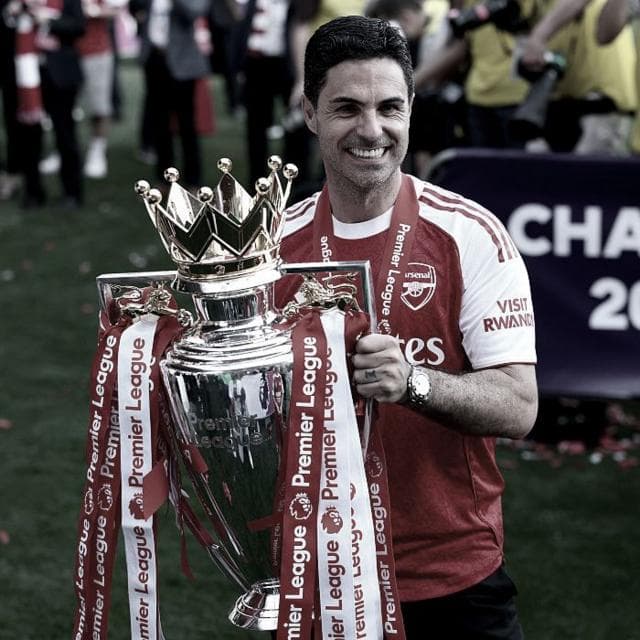
Arsenal entered the summer transfer window as defending Premier League champions with an opportunity to strengthen their squad while rivals faced managerial uncertainty. The club compiled an extensive shortlist exceeding 20 targets, many drawn from elite European clubs including Real Madrid, Atlético Madrid, Chelsea and Tottenham. Yet as the window closed on 1 September 2026, the outcome proved uneven—marked by significant acquisitions in midfield and defence but conspicuous failure to land a marquee attacker.
Sporting director Andrea Berta, working alongside manager Mikel Arteta and ownership at Kroenke Sports Entertainment, oversaw a complex summer that delivered proven talent in some areas while leaving supporters questioning whether the club had done enough to maintain their title challenge. The club's early-season form, with two wins already secured as of 1 September 2026, would provide the first test of whether the transfer strategy had succeeded.
Why Guimaraes emerged as the midfield solution
Bruno Guimaraes's arrival from Newcastle United for £75m represented Arsenal's marquee signing of the window. The Brazil midfielder, who completed his move on 8 August 2026 on a four-year contract with an option of a further 12 months, had not initially been the club's primary focus. Arsenal had monitored his situation at Newcastle but considered other options a higher priority.
Elliot Anderson attracted significant interest, though the England international ultimately joined Manchester City. Sandro Tonali, formerly Guimaraes's teammate at Newcastle, and Bournemouth's Alex Scott were also explored as alternatives. At 26 and 23 respectively, both were younger than Guimaraes, who turns 29 in November. However, availability and pricing proved prohibitive—Tonali's move to Tottenham required a minimum £92m investment. Aston Villa's Amadou Onana was considered until a serious knee injury sustained at the World Cup ruled him out.
By mid-June, Guimaraes had emerged as Arsenal's primary target. Berta maintained strong relationships with the player's representatives, and Arteta had made clear his desire for proven talent capable of elevating the starting XI rather than the broader squad. Berta leveraged these connections to facilitate negotiations, with Newcastle claiming they received no direct contact from Arsenal until days before the deal's completion.
The sporting director's reliance on intermediaries has produced mixed results. Arsenal actively pursued Leicester City teenagers Jeremy Monga and Louis Page over the summer, but the absence of direct club-to-club discussions meant both ultimately moved elsewhere—Monga eventually signed for Manchester City after appearing close to joining the Gunners. Berta's pivot to Guimaraes when other targets proved unviable was well received internally, demonstrating adaptability when circumstances shifted.
Konsa's versatility solved defensive complexity
Ezri Konsa's signing proved equally intricate. Arteta identified the Aston Villa defender as his first-choice defensive option, valuing his experience in Premier League football and his ability to operate at right-back—a versatility the club deemed crucial. Arsenal had considered signing an orthodox right-back, with Ivan Fresneda among the options, but Konsa's flexibility made him preferable.
Berta initially appeared reluctant to meet Villa's asking price. A week before the deal's confirmation, Arsenal submitted a £40m offer, which Villa rejected. Sources indicate the transfer was ultimately sealed through intervention by ownership at both clubs, with the fee agreed at £51m plus £4m in add-ons. Had Konsa proved unavailable, Tottenham's Cristian Romero and Micky van der Ven were identified as alternatives, though Arsenal's north London rivals refused to negotiate with them.
Como centre-back Jacobo Ramon remained under observation, though contractual clauses complicated any potential deal. Tarik Muharemovic, who joined Leeds United, was another considered option. The combined £126m outlay for Guimaraes and Konsa raised eyebrows given both players would reach 30 by the end of the following season, prompting questions about their longevity and the squad's natural evolution. Nevertheless, both additions brought elite quality and experience, with the club believing they had paid the market rate to secure these signings.
Tzolis emerges as an unexpected discovery
In attack, Christos Tzolis has already justified his £35m arrival from Club Brugge. The Greece international was initially introduced to the club through an intermediary connected to a senior coaching staff member. Berta's number two, Maurizio Micheli, watched Tzolis perform for his country against Sweden in June and was sufficiently impressed to recommend pursuit. The 24-year-old winger has been heralded as one of the window's discoveries.
Arsenal also completed the permanent signing of Piero Hincapié and acquired goalkeeper Illan Meslier on a free transfer. Additionally, the club signed France defender De Almeida from PSG, further strengthening the defensive ranks. These signings complemented the Konsa and Guimaraes acquisitions, though they could not offset the disappointment in the attacking department.
Rogers pursuit and the attacker drought
While Berta delivered proven talent in defence and midfield, his mandate to add an elite attacker ended in failure. Morgan Rogers was the club's primary forward target heading into the window, with early indications suggesting the Aston Villa forward wanted to join. Arsenal's initial understanding placed Villa's valuation at £100m, with the Gunners valuing him at £80m. Berta expressed confidence in negotiating the price downward to a level acceptable to both parties.
In the interim, Berta explored alternatives including Bradley Barcola, Kenan Yildiz, Yan Diomande and Nico Paz. Anthony Gordon had been a long-term target until he agreed to join Barcelona before the World Cup. Yildiz and Paz would remain realistic targets for future windows, while Eli Junior Kroupi from Bournemouth would be monitored once he returned from injury.

The landscape shifted dramatically when Elliot Anderson's move from Nottingham Forest to Manchester City for £116m altered Villa's perspective on Rogers's future. Villa increased their valuation to £120m, and Chelsea ultimately secured the attacker for £117m. Arsenal received the opportunity to match Chelsea's offer but declined, maintaining their £80m valuation was fair. The decision raised questions about whether earlier action by Berta might have secured Rogers before Chelsea intervened.
The failure to land Rogers proved the first of several attacking disappointments. Arsenal genuinely believed they possessed a realistic opportunity to sign Vinicius Jr before the Brazilian superstar opted to extend his Real Madrid contract. Berta and Arteta were fully committed to the pursuit, and the club had prepared financing for what would likely have been a British transfer record and one of the Premier League's most lucrative remuneration packages. The commercial value of the Brazil icon made the investment strategically sound from Arsenal's perspective.
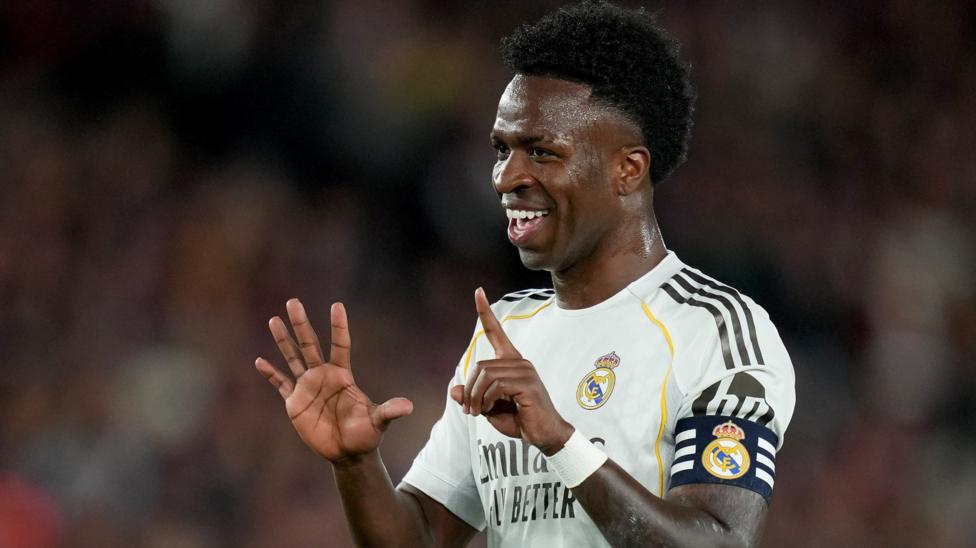
Well-placed sources indicated to journalists over the summer that Vinicius harboured no desire to leave Real Madrid, while others suspected Arsenal were being leveraged to strengthen his contract negotiations at the Bernabéu. Those concerns materialised when Vinicius signed a new six-year deal at Real Madrid in August, delivering another blow to Arsenal's attacking ambitions.
Similar reservations surrounded Arsenal's well-documented pursuit of Julián Álvarez. The Atlético Madrid forward demonstrated minimal willingness to join Arsenal, with his preference for Barcelona representing one of the window's worst-kept secrets. Atlético's categorical refusal to sell to Barcelona provided Berta and Arteta reason to persist, hoping Álvarez might reconsider. The forward ultimately chose to remain at Atlético despite his relationship with the club reaching an all-time low.
Whether Arsenal wasted resources pursuing Vinicius and Álvarez remains contested depending on whom one consults. When Álvarez's unavailability became apparent, Berta explored further options. Intriguingly, Arsenal had admired Chelsea striker João Félix, though he was deemed unavailable over the summer, and concerns existed regarding his fit within Arteta's system.
Berta's approach to recruitment relies significantly on his extensive network of agent connections rather than acting primarily on the club's existing scouting infrastructure. Last summer, when scouting information pointed toward Benjamin Sesko, Berta's arrival prompted a pivot to Viktor Gyökeres, currently the second-choice striker. This summer, the club's late interest in Lyon winger Malick Fofana exemplified this pattern, with management agency Roc Nation offering Arsenal an opportunity to sign the Belgium international. Berta's relationship with Roc Nation proved particularly influential given Arsenal's pursuit of Vinicius and the sale of Gabriel Martinelli, both clients of the agency.
Player trading becomes financial imperative
Arsenal entered the window with a clear directive to enhance sustainability and develop proficiency in player trading. This strategy ensures compliance with domestic and European financial regulations. Depending on the source, the scale of potential deals for Vinicius or Álvarez would have raised concerns about Arsenal's ability to remain within regulatory constraints.
Maximising player trading benefits will increasingly define Arsenal's financial operations. Evidence emerged through Gabriel Martinelli's £60m sale to Al-Hilal, the club's record departure, which included a sell-on clause. The exits of Martinelli, Leandro Trossard, Gabriel Jesus, Christian Nørgaard, Jakub Kiwior, Fabio Vieira and Karl Hein generated approximately £114m in revenue.
Through intermediaries, Arsenal explored a potential exit for Myles Lewis-Skelly, with a fee around £80m reportedly discussed. Manchester United, attracted to the midfielder's left-back versatility, expressed interest but ultimately deemed the valuation excessive. The prospect of Lewis-Skelly's departure provoked significant supporter uproar. As previously reported, Arsenal resisted selling academy graduate Ethan Nwaneri permanently, instead securing a season-long loan to Borussia Dortmund that includes a January recall option.
The minimum £15m fee secured in Trossard's transfer to Besiktas was viewed favourably internally, given the Belgian turns 32 in December. Having invested nearly £450m over 12 months, Berta's market work contributed to Arsenal's first league title in 22 years. Yet despite this expenditure, clear squad deficiencies remain—particularly in attack. Arsenal finished the window with fewer attackers than they started with after departures of Gabriel Martinelli, Gabriel Jesus and Leandro Trossard, leaving many supporters questioning Berta's overall body of work.
With the squad's average age increasing following Konsa and Guimaraes's arrivals, uncertainty persists about whether current options can establish sustained success before the club requires another significant investment in squad regeneration.
What happens next
Arsenal face Chelsea at Emirates Stadium on 6 September 2026, providing an early opportunity to assess whether the summer's recruitment strategy has positioned the club to defend their title. The fixture will offer the first substantial test of whether the midfield and defensive reinforcements can compensate for the attacking department's relative weakness.
Key Facts
- Bruno Guimaraes joined Arsenal for £75m on 8 August 2026, completing a four-year contract with a 12-month option
- Ezri Konsa arrived for £51m plus £4m in add-ons, providing defensive depth and right-back versatility
- Arsenal failed to secure a marquee attacker despite pursuing Morgan Rogers, Vinicius Jr and Julián Álvarez
- Player sales including Gabriel Martinelli (£60m to Al-Hilal) generated approximately £114m in revenue
- The squad's average age increased despite the club's stated ambition to balance experience with youth development