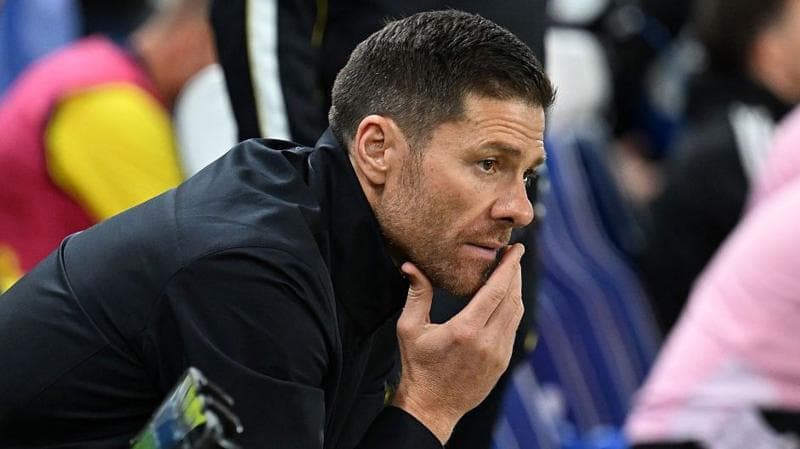
Chelsea progressed to the Carabao Cup fourth round on Wednesday, 9 September 2026 after a dramatic comeback at Stamford Bridge, defeating Leeds United 6-3 despite trailing 2-0 at half-time. Manager Xabi Alonso acknowledged responsibility for a first-half performance so poor that supporters booed the team from the pitch, but credited his substitutes with transforming the contest through a devastating second-half display.
The turnaround was remarkable. After a disjointed opening 45 minutes in which Chelsea made nine changes to their starting XI, Alonso withdrew four players at the interval and introduced Cole Palmer, Morgan Rogers, Pedro Neto and Reece James. The impact was immediate and overwhelming. Palmer scored twice, Neto added another, and Rogers created four goals from open play as Chelsea overwhelmed their opponents.
Defender Tarik Muharemovic had given Leeds the lead before Brenden Aaronson doubled their advantage shortly after the restart, leaving Chelsea facing elimination. Yet the introduction of the club's established talents shifted the momentum entirely, and by the final whistle Chelsea had secured a commanding victory.
What went wrong in the first half?
Alonso's team struggled to find rhythm during the opening period, with Leeds, who also made eight changes under manager Daniel Farke, taking control of the match. The visitors threatened to advance into the next round as Chelsea's makeshift line-up repeatedly lost possession and failed to impose themselves on the game.
Before the match, Alonso had indicated that midfielders Moises Caicedo and Marco Palestra remained unavailable through injury, while defender Levi Colwill was fit to play. The absence of key personnel, combined with the wholesale changes Alonso made to his team selection, contributed to a disjointed display that left supporters frustrated.
Speaking after the match, Alonso took personal responsibility for the poor start.
I need to take my own blame and my own responsibility on the things that happen. I need to be able to help them better so they are not responsible, and after you need to react and think what's better for the team.He characterised the half-time substitutions as a necessary tactical adjustment rather than an admission of defeat, adding that such changes should be viewed as
part of the game.
How did the substitutes change the contest?
The introduction of Palmer, Rogers, Neto and James at half-time proved decisive. Palmer's two goals and Rogers' creative contribution—four assists from open play—demonstrated the gulf in quality between Chelsea's established players and the fringe options Alonso had fielded in the opening period. Neto's goal added further gloss to the comeback.
The sight of Palmer and Rogers warming up had lifted the mood among supporters, transforming jeers into cheers and signalling that reinforcements were on the way. By the end of the evening, the narrative had shifted entirely from a potential cup exit to a stunning recovery that kept Chelsea's hopes of silverware alive.

What does this mean for fringe players?
For Premier League clubs competing in domestic cup competitions, opportunities to develop younger players and give fringe options meaningful minutes are typically valuable. However, the performance of Chelsea's backup selections on Wednesday raised questions about their readiness for regular involvement.
Only 35-year-old striker Danny Welbeck, who scored twice, emerged from the starting XI with a genuine case for increased opportunities. Young attackers Estevao Willian and Jamie Gittens were withdrawn at half-time after struggling to make an impact, while £40 million signing Geovany Quenda, recruited from Sporting, remained unused on the bench and has made only a single substitute appearance for the club since his arrival.
Midfielder Reggie Watson, making his debut at the age of 16, was also substituted at the break after receiving a booking. Defender Valentin Barco, despite scoring Chelsea's fifth goal, was partly culpable for Leeds' second and surrendered possession repeatedly during a difficult opening half.
Alonso resisted taking what he termed a
cynicalview of the disparity in performance between his established stars and the backup options, instead suggesting he would analyse the match to improve his decision-making.
I know that probably I have to take the right decisions for them to show their best level, so it's something that I will analyse and learn from today.
Why does cup progression matter for Chelsea?
Reaching the fourth round holds significance beyond the immediate pursuit of a trophy. Chelsea are operating without European football this season, making domestic competitions essential for maintaining competitive momentum and providing fixtures for a large squad.
The club operates a 27-man roster supported by a strong academy pipeline, and regular matches are vital for keeping such a large group engaged throughout the campaign. The Carabao Cup provides opportunities for players to gain experience and remain sharp during periods when Premier League fixtures alone would leave many sidelined.
There is an irony in the outcome: Palmer, Rogers and Chelsea's other senior players, through their second-half heroics, may have secured future opportunities for the very fringe players whose first-half struggles had jeopardised the club's cup campaign. By demonstrating their value and securing progression, the established stars have ensured that more matches lie ahead—matches in which younger and backup options will have chances to develop.
Alonso's appointment represents a significant moment for Chelsea. He joined the club after leaving Real Madrid by mutual consent, tasked with reshaping the squad through senior signings and a focus on building a new culture. During pre-season, he used Chelsea's marathon tour of Australia and Asia to introduce tactical ideas and build cohesion ahead of the campaign.
What comes next for Chelsea?
Chelsea's next fixture is a Premier League match away to Brentford on Saturday, 13 September 2026, offering Alonso an opportunity to build on the momentum generated by the Leeds comeback. The manager will hope to demonstrate that the second-half performance against Leeds represents the standard his team can maintain, rather than a one-off display of quality.