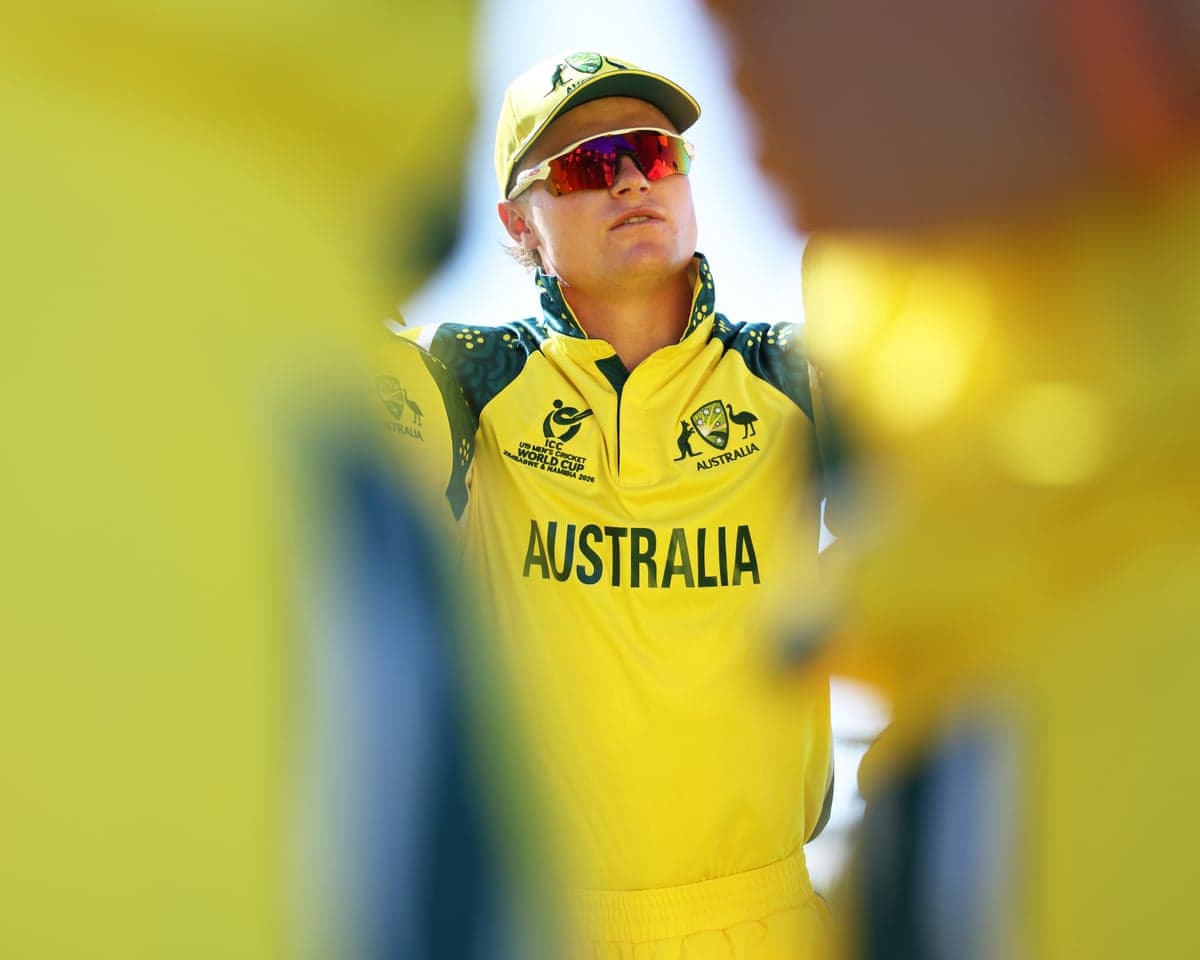
Australia's cricket selectors are entering a period of significant change, with more than a dozen emerging Test aspirants competing for places as the nation's batting stocks undergo generational renewal. Chief selector George Bailey has characterised this competitive environment not as a challenge but as an opportunity for the sport to develop its next generation of elite performers.
The transition has been prompted by retirements and the need to refresh a batting lineup that has struggled in recent matches. According to reports from the Bangladesh Test series, captain Pat Cummins indicated the batting group would work with coach Andrew McDonald and Michael Di Venuto ahead of upcoming fixtures. An analysis from August 2026 noted that while Australia requires new Test batters, the available options remain limited, underscoring the pressure on emerging talent to establish themselves quickly.
Who are the rising contenders?
Among the most promising prospects is Ollie Peake, a left-handed Victorian batter who made an impressive half-century on his first-class debut last year at just 18 years old. Now approaching his 20th birthday, Peake has already eclipsed Ricky Ponting's record as Australia's youngest ODI batter this year, a milestone that reflects his rapid rise through the ranks.
Peake's early career has been marked by the kind of formative experiences that test young athletes' character and resilience. After being selected for a Sheffield Shield match at Junction Oval, he departed Geelong at 7:30 in the morning to ensure punctuality for a 10 o'clock team meeting. A traffic incident on the West Gate Bridge delayed his arrival until 10:10, forcing him to apologise to the entire squad upon arrival. The incident left a lasting impression on the teenager, who has since avoided staying in Geelong before matches or training sessions.
Despite the endorsements of former greats, Peake remains measured about his prospects.
It's always nice to hear that quality players like Ricky Ponting or Darren Lehmann said something nice about me, quality guys who have been there and done that, and they see something in you that they think is up to the level. But at the same time I'm pretty self-aware that my performances haven't been amazing, or door-breaking.His first-class average currently stands at 26, and he is yet to score a century, though his selection in the team of the tournament at the Under-19 World Cup earlier this year has secured him a place in Australia's 50-over setup.
Ponting and former coach Darren Lehmann have publicly advocated for Peake's inclusion in Test cricket, with Ponting specifically calling for both Peake and his Victorian teammate Campbell Kellaway to be selected for the Darwin Test against Bangladesh last month.
Kellaway, a 23-year-old opening batter, represents another significant prospect in the conversation to replace established names such as Marnus Labuschagne, Steve Smith, and the recently retired Usman Khawaja. According to ESPN reporting from August 2025, selector George Bailey had identified Jake Weatherald as being in the mix for Ashes opening-bat selection, while Sam Konstas was being prepared for an Australia A tour of India in September.
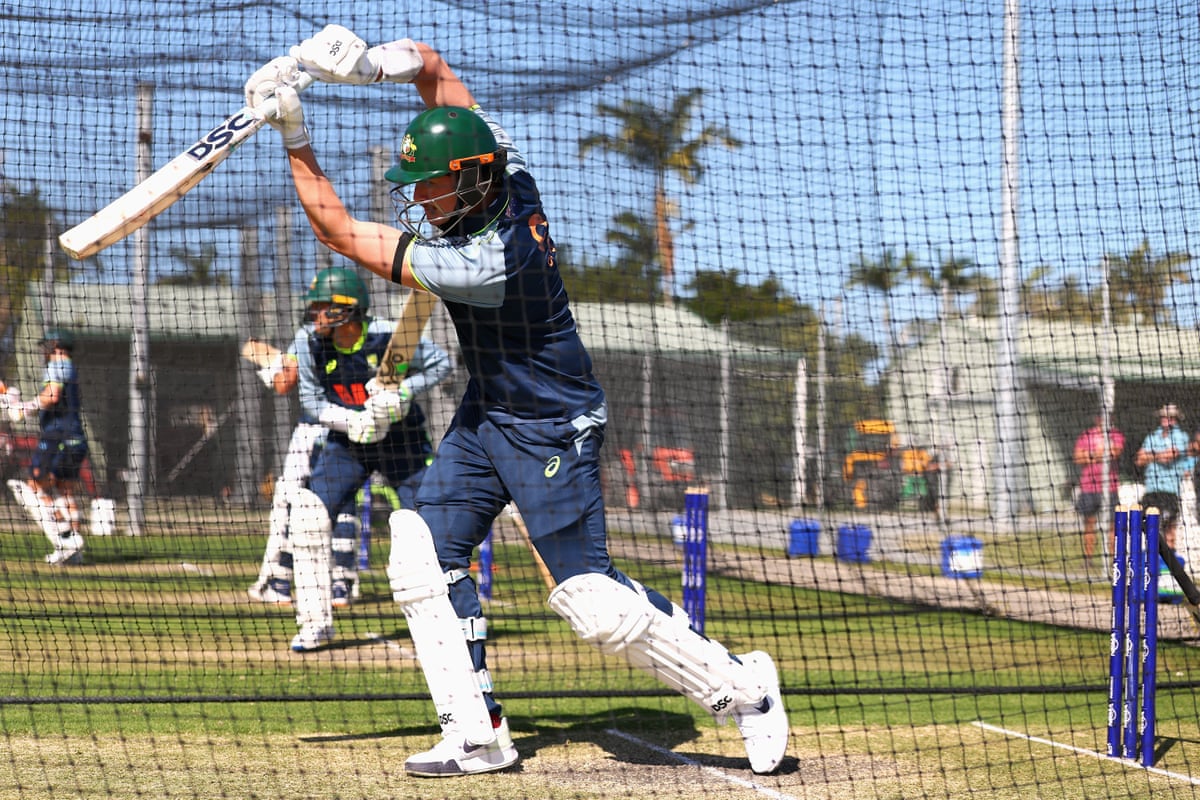
Kellaway is currently travelling to India with Australia A, continuing his development in the country's next-in-line programme after four years in first-class cricket. He has navigated the complexities of balancing multiple formats, moving from the middle order to open for Victoria while batting at first drop or lower in the order for Melbourne Stars in the Twenty20 competition.

What challenges face young batters?
Young cricketers in Australia's system face extraordinary pressure to perform at elite levels while simultaneously managing the transition to adulthood. Peake's experience reflects the demands placed on teenagers expected to average 50 in first-class cricket while adjusting to life away from family and the rigours of professional sport.
Kellaway has recently moved out of his parents' home for the first time, adding another layer of adjustment to his cricket career. He has spoken candidly about the learning curve involved in professional cricket, particularly in managing the habits picked up from white-ball formats and reapplying them to red-ball cricket.
The more cricket that I've played at a professional level, you slowly just get to know your game better as you get thrown into new situations and challenges in different ways. I definitely found in the first couple of years that was a challenge navigating the bad habits you pick up from white-ball batting and then trying to get back to your best red-ball batting.
Kellaway has also reflected on the unpredictability of professional sport and the need to embrace uncertainty.
There's so many different factors that come into how you might feel going into a game or when you walk out to the middle, so for me, just learning that it's pretty rare that everything's going to feel perfect. You get used to just embracing that messiness of cricket.
Why is the batting pool so shallow?
Concerns about Australian batting have been widespread, with critics pointing to the quality of domestic performances as evidence of a broader problem. However, the statistics reveal a more complex picture. Among the 20 leading Sheffield Shield run scorers in the most recent season, only two averaged 40 or more: Jake Weatherald with 40 and Matt Renshaw with 50, both of whom are in their 30s.
Bailey has rejected the narrative that the current environment represents a crisis for selection. Rather than viewing the absence of dominant young batters as a failure of the system, he has framed it as a natural part of cricket's evolution.
We all love the examples of the players who debut or start their first-class careers and peel off five or six hundreds before they're 21. There's a reason why the same four or five names get run out in those articles, and we've got to go back 60 or 70 years to get many examples because it just is very rare for that to happen. So the exciting part from our end is just seeing the continual evolution of those batsmen, particularly the young ones.
Bailey's perspective suggests that the selectors view the current period not as a shortage of talent but as an opportunity to identify and develop multiple candidates who may eventually establish themselves at Test level. The competitive environment created by the absence of clear frontrunners has intensified media speculation about who might next wear the baggy green, with more than a dozen names in active consideration.
What happens next?
Australia's immediate focus will be on domestic cricket and the Australia A programme. Cricket Australia's fixtures page shows upcoming matches scheduled for 2–5 September 2026, with the domestic calendar continuing to provide opportunities for emerging batters to stake their claims. The 2026/2027 men's international summer schedule released on 22 March 2026 includes the Mackay Test scheduled for 22–26 August as a key fixture in the transition period.
Australia's next confirmed international assignment is a three-ODI tour of Zimbabwe beginning on 15 September 2026 in Harare, with matches scheduled for 18 and 20 September as well. These fixtures will provide further opportunities for the selectors to assess emerging talent and continue the process of building a new generation of Test batters capable of competing at the highest level.