

Pakistan's seam attack for their three-Test series in England, beginning next week, is built around one familiar name rather than the raw pace once expected to define it. Mohammad Abbas, now 36, remains the sole survivor from the seam trio Pakistan fielded on their last England tour in 2020, with Shaheen Shah Afridi and Naseem Shah both absent from the current squad. His inclusion reflects a broader shift in how Pakistan have approached bowling attacks both home and away in recent years.
When Pakistan toured England during the Covid-restricted summer of 2020, Shaheen Shah Afridi, then 20, was viewed as a future spearhead, while the 17-year-old Naseem Shah had already claimed a Test hat-trick with a smooth, high-pace action. Abbas, medium-fast and already 30 at the time, was the outlier in that group — a bowler with a first-class pedigree rather than the eye-catching speed associated with Pakistan's fast-bowling lineage of Imran Khan, Wasim Akram and Waqar Younis. Six years on, Abbas is the only one of the three still in the squad; Shaheen has struggled with the red ball since a knee injury in 2022, and both he and Naseem have been affected by what the original report describes as mismanagement within Pakistan's cricket board.
Why is Abbas central to Pakistan's attack?
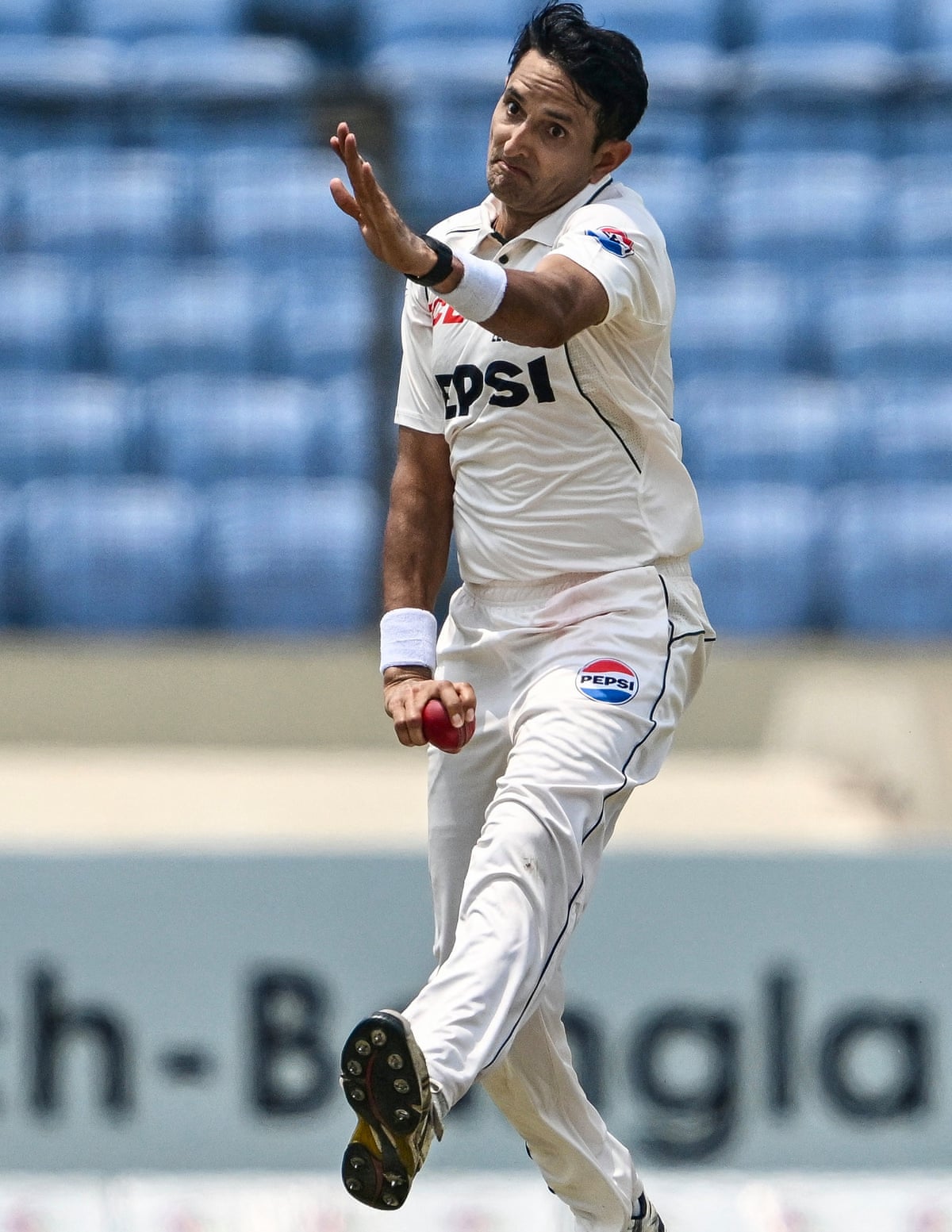
Abbas is a known quantity to followers of county cricket, having taken 302 wickets at an average of 20.64 across spells with Leicestershire, Hampshire, Nottinghamshire and Derbyshire. His Test record for Pakistan is similarly strong: 118 wickets at an average of 22.38, built on seam movement rather than raw pace. Nottinghamshire's Peter Moores and Derbyshire's Mickey Arthur, who coached Abbas at Pakistan level, both point to his control as his defining trait.
He's got really long fingers. His gift is in his wrist and in his right hand, really, that ability to control how the seam comes out and the slight variations on the ball.
Arthur, who also worked with Abbas while coaching the national side, offers a similar assessment.
He's almost like a surgeon in the way he works with that seam. He can get it nipping in, nipping out. And he bowls a really good wobble ball as well, so he's got it all.
Our earlier club-by-club preview of the 2026 County Championship season detailed the players and prospects across all 18 teams, underlining how deeply Abbas's county experience is woven into the domestic game he will now draw on for this tour.
How does Abbas compare to Pakistan's other pacers?
Despite his numbers, Abbas has featured in only 30 of Pakistan's Tests over a nine-year international career, with his bowling speeds sitting in the mid-70s mph — modest by the standards of the modern game. Moores argues that such figures understate his value.

But what he has done is he gets people out and that's the job. It's like batters who aren't as easy on the eye but score runs. And those players are so valuable. You've just got to make sure you treat them with the respect they deserve because his record tells you he gets wickets and he never lets you down.
According to ESPNcricinfo, Abbas has been Pakistan's leading pace wicket-taker since returning to the side in December 2024, claiming 28 wickets in five Tests at an average of 20.32 and an economy rate of 2.86. The same report notes his best average in any country where he has played more than one Test came in the United Arab Emirates, where he took 27 wickets in six Tests at 17.55.
Why did Pakistan drop him despite success?
Abbas took eight wickets in Pakistan's defeat to West Indies in the first Test in July, yet was left out for the second match, where Sajid Khan's off-spin produced eight wickets as Pakistan levelled the series in Port of Spain. Spin has increasingly defined Pakistan's success at home; their last Test series win came in October 2024, secured on turning pitches in Multan and Rawalpindi after an opening defeat, with Sajid and left-arm spinner Noman Ali combining for 39 wickets across two Tests while Shaheen and Naseem were omitted from the XI.
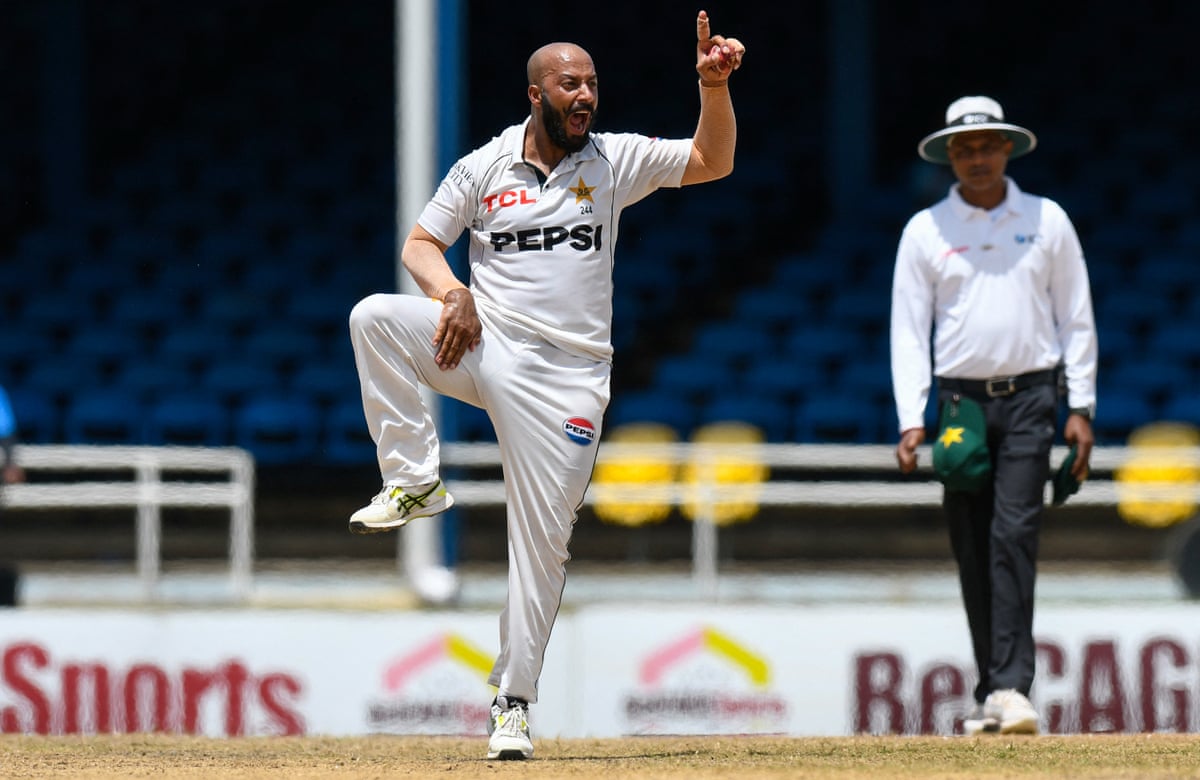
Jason Gillespie, Pakistan's head coach during that 2024 series win, has been critical of the mid-series change in approach that favoured heavily turning surfaces over pace-friendly pitches.
It was very shortsighted. When I arrived, [the PCB] wanted to have fast bowlers. And they wanted to develop their fast bowlers. They wanted to play on surfaces that allowed for fast bowlers to thrive. And then a couple of Test matches were lost. New selectors were brought in and they decided that we'd play on used pitches and spinning tracks. It went against the long-term plan of developing bowlers, particularly fast bowlers.
Gillespie was subsequently stripped of his role in selection and resigned two months later as his relationship with Pakistan's cricket board worsened.
What does the tour look like so far?
Pakistan's tour of England is already under way. In a three-day warm-up fixture at Beckenham, Abbas took 3-37 as Pakistan reached 44-0 in reply to a first-innings total of 305 all out, according to a report from The Express Tribune. Pakistan's cricket board has confirmed Babar Azam as Test captain for the series, with Abbas named in a squad that also includes Mohammad Ali, Khurram Shehzad and Ubaid Shah, as detailed by Geo News. A separate report from late June had already indicated Pakistan's settled pace unit for the West Indies and England tours would consist of Abbas, Mohammad Ali, Khurram Shehzad, Ubaid Shah and Aamir Jamal, according to 24NewsHD.
Ubaid Shah, the 20-year-old brother of Naseem, has been drafted in to add pace to an attack that otherwise offers little in the way of raw speed on English pitches this summer. Mohammad Ali, who has also played county cricket this year, provides another seam option. With Sajid Khan expected to play a central role and conditions described as unusually dry, Pakistan may again lean on discipline and control — with Mohammad Rizwan potentially standing up to the stumps to pressure England's batters — rather than pace as their primary method of taking wickets.
What happens next?
Pakistan's first Test against England is scheduled for 19–23 August 2026 in Leeds, according to a report on the squad announcement. The second Test follows at Lord's from 27–31 August 2026, before the series concludes in Birmingham from 9–13 September 2026. The series forms part of the 2025–2027 ICC World Test Championship cycle, as noted in the tour's official schedule details.
- Mohammad Abbas is the only survivor from Pakistan's 2020 England tour seam trio, which also included Shaheen Shah Afridi and Naseem Shah.
- Abbas has taken 118 Test wickets for Pakistan at an average of 22.38, and 302 County Championship wickets at 20.64.
- He has claimed 28 wickets in five Tests at 20.32 since returning to the side in December 2024, per ESPNcricinfo.
- Pakistan's pace unit for the tour includes Abbas, Mohammad Ali, Khurram Shehzad, Ubaid Shah and Aamir Jamal.
- The three Tests are scheduled for Leeds (19–23 August), Lord's (27–31 August) and Birmingham (9–13 September 2026).


