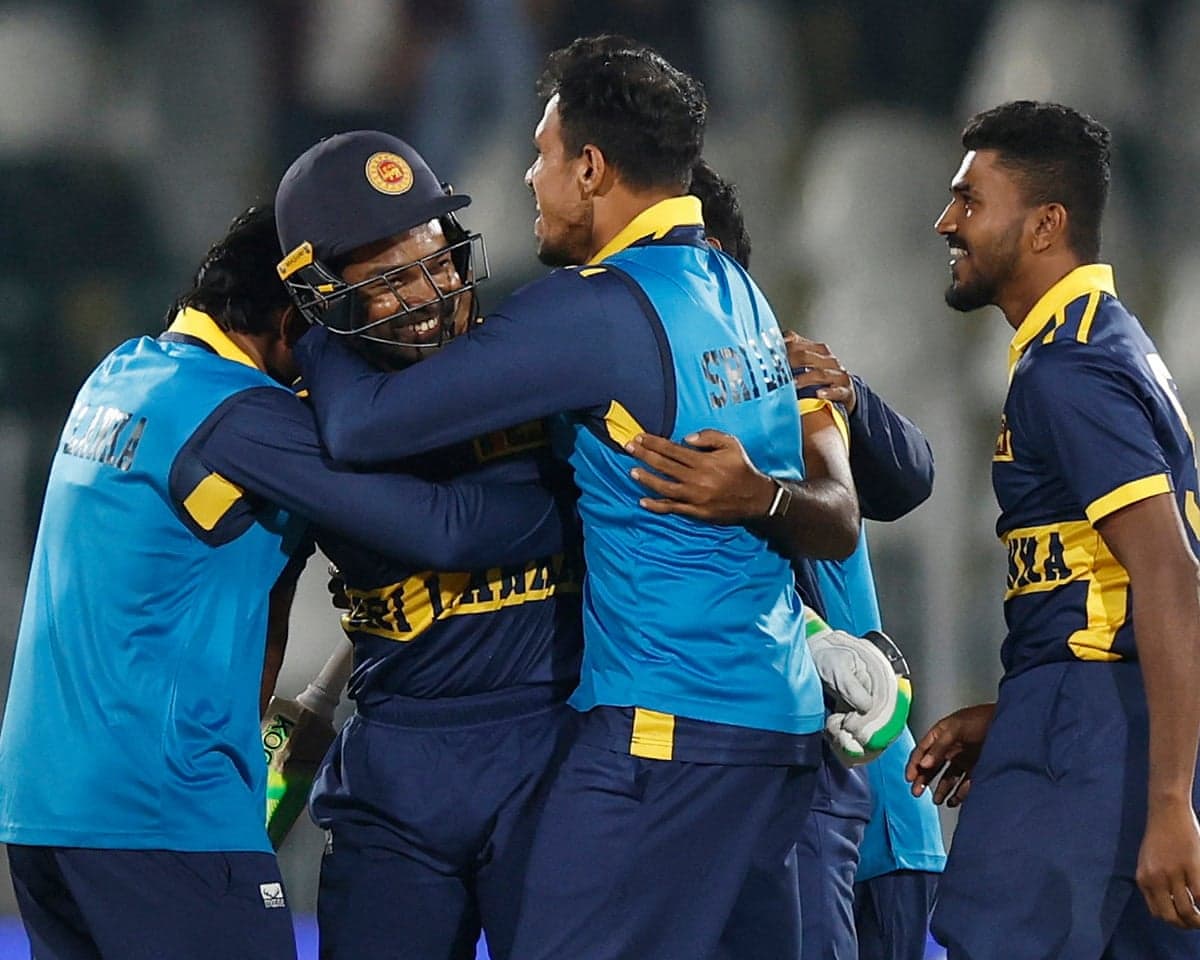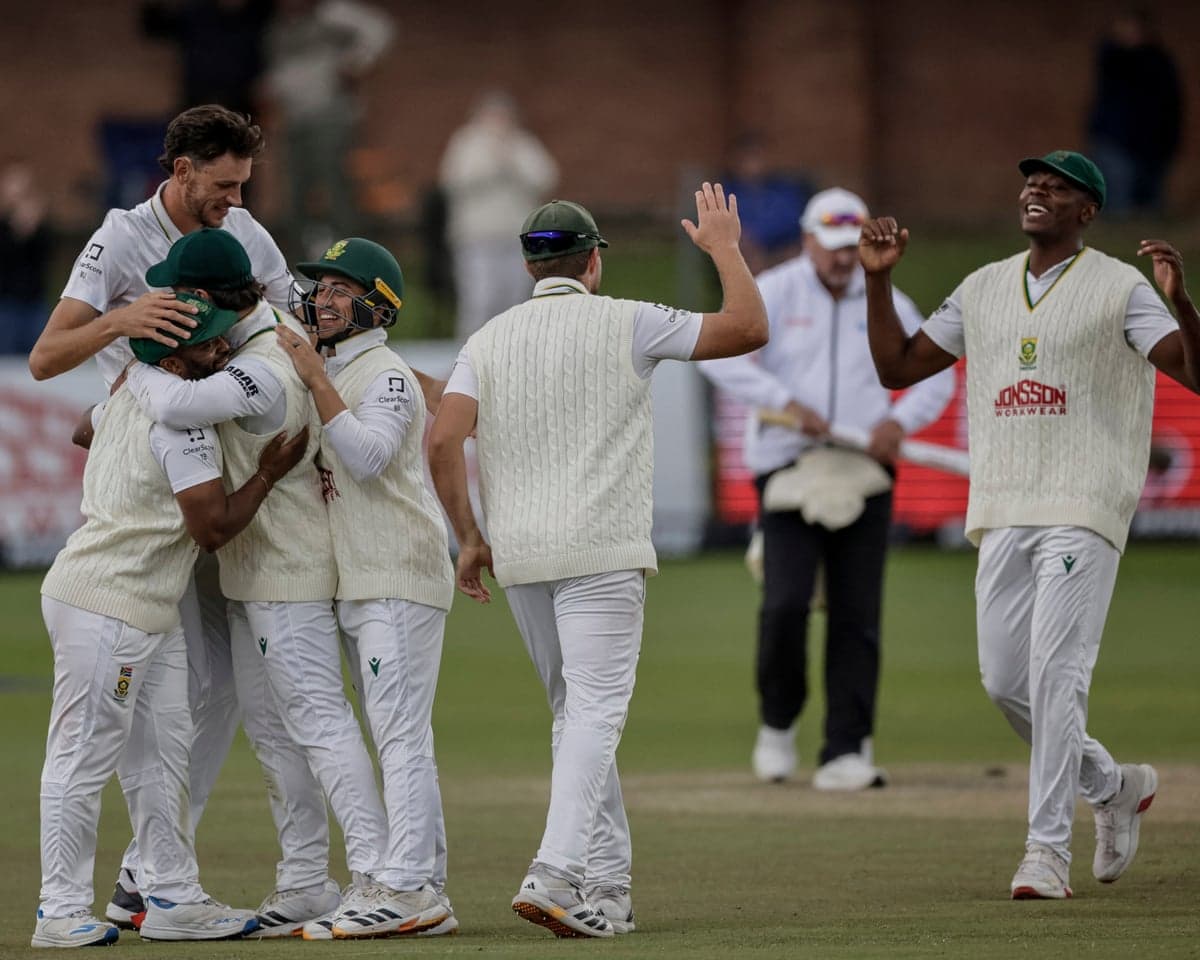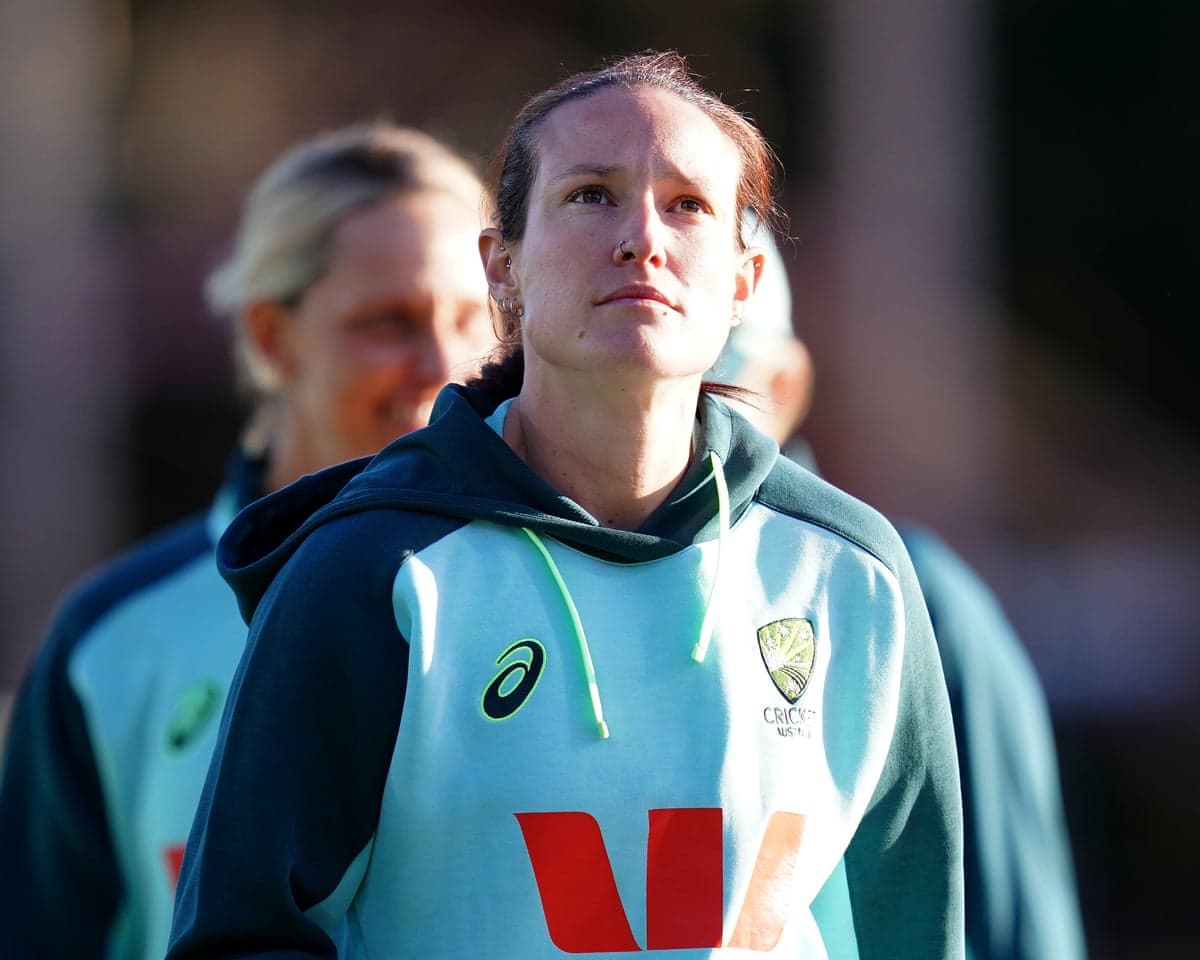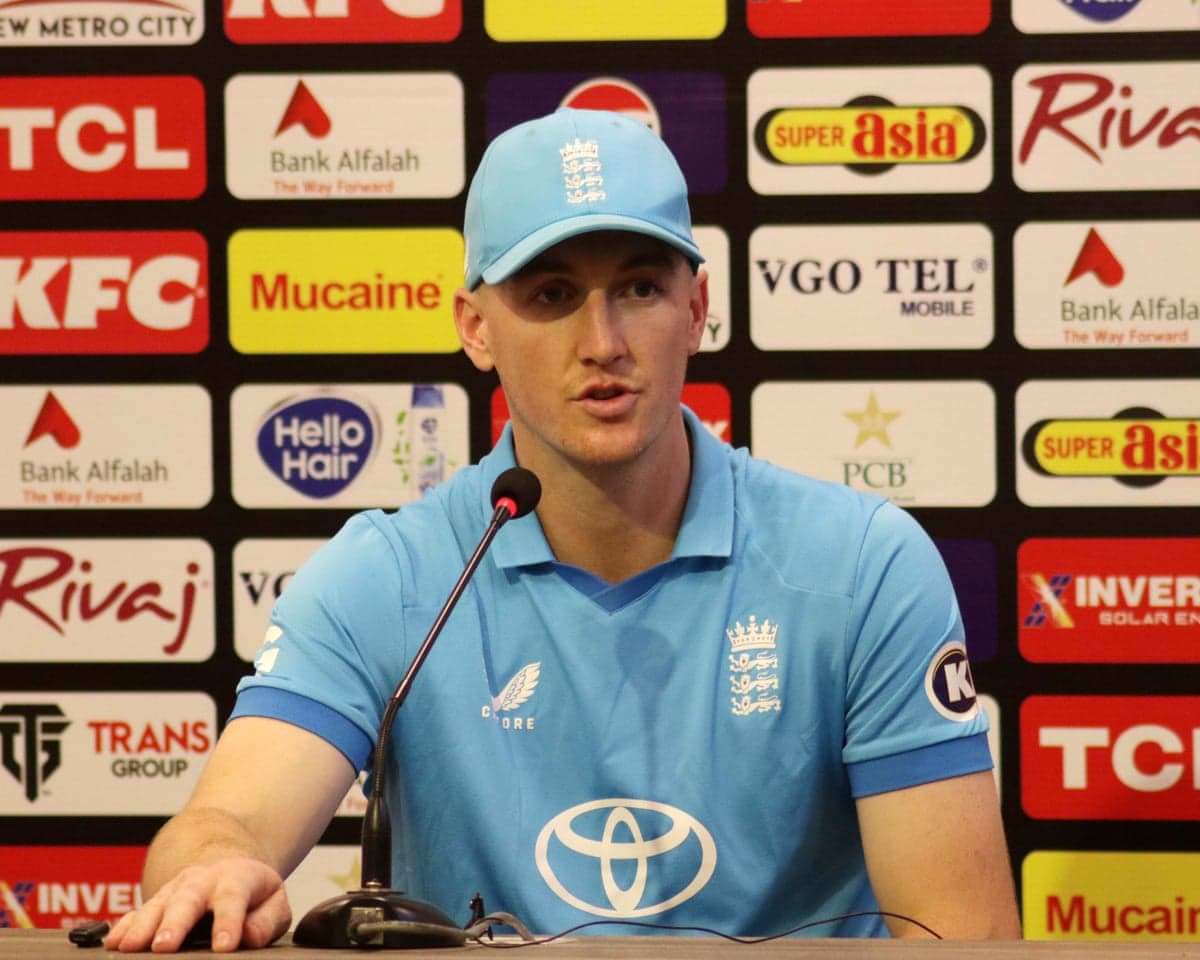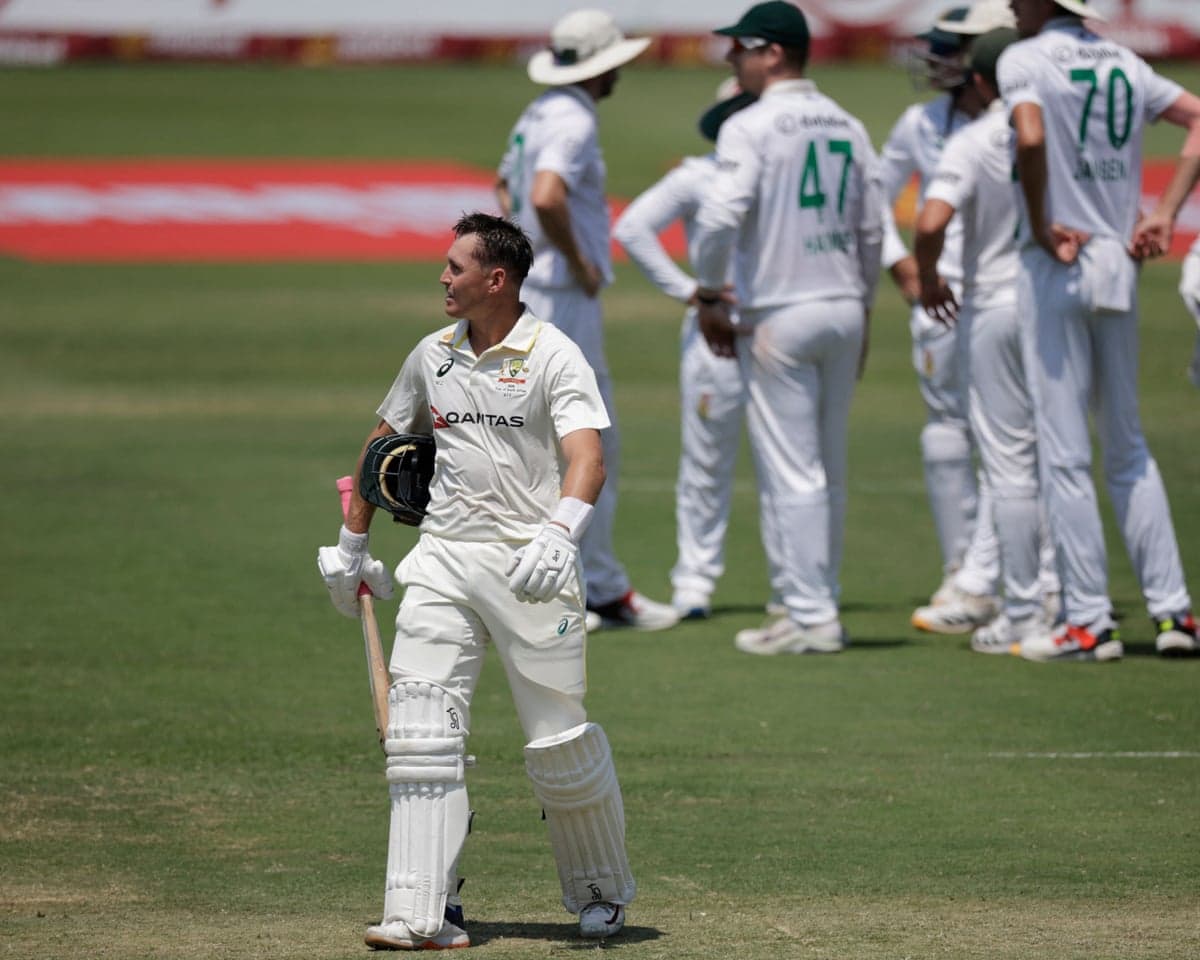
Australia's fragile batting lineup faces an existential reckoning after a humiliating collapse in the second Test against South Africa, with the series now level at 1-1 heading into a decisive third match in Cape Town. The team was forced to follow on for only the third time since 1988 after being dismissed for 99 in the first innings at Gqeberha, exposing structural weaknesses that selectors must address in less than a week. According to The Guardian, the selection storm brewing before the series decider threatens to overturn the team's traditional reluctance to discard established performers.
The conventional wisdom that it is harder to exit the Australian cricket team than to enter it faces its sternest test yet. While selectors have demonstrated willingness to rotate the bowling attack during this tour, they have historically clung to batting mainstays despite declining form. The catastrophic first-innings performance in Gqeberha may finally force their hand to make difficult—and possibly multiple—personnel decisions.
What is Marnus Labuschagne's current predicament?
Labuschagne remains the most visible symbol of Australia's batting malaise, though his struggles are far from the only concern demanding attention. The 32-year-old has managed only three scores in the 30s across four innings in this series, a record that starkly illustrates his loss of form. His dismissal in the second Test—lofting off-spinner Simon Harmer into a stiff breeze toward long on when patience was Australia's only salvation—epitomised the recklessness that has plagued the lineup.
His drought without a Test century has now stretched beyond three years. Since his last century against England at Old Trafford, he has averaged just 22.09 across 47 innings. The contrast with his earlier career is stark: his Test average has plummeted from above 61 in late 2022 to 43.36, and he has not averaged more than 40 in a Test series since compiling 207 runs with three half-centuries against Pakistan in 2023-24.
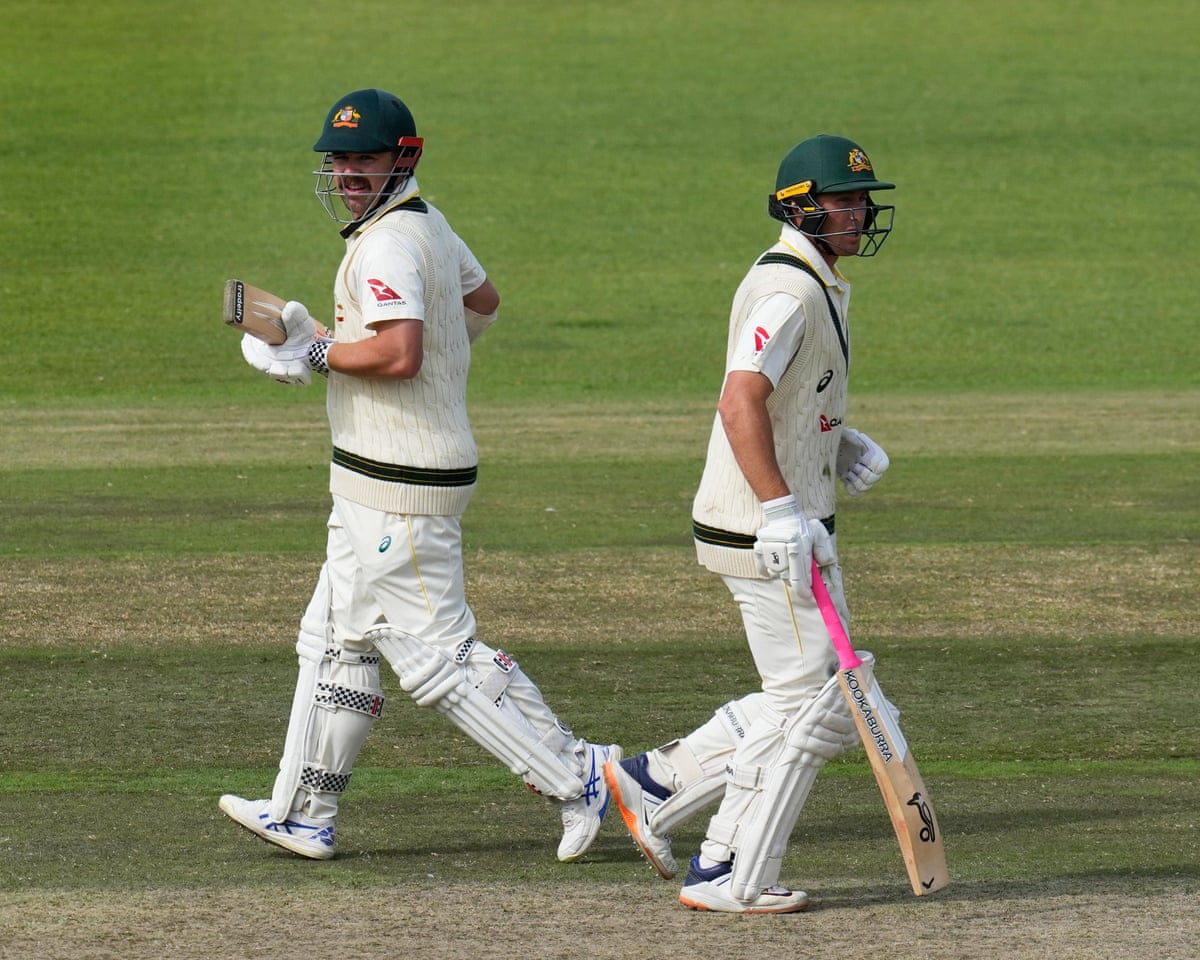
Despite these damning figures, Labuschagne may yet receive another opportunity. A vacancy is widely expected to open at the top of the order to partner Travis Head, and the most plausible route to a reprieve could involve moving Labuschagne to open the innings in Cape Town, mirroring his role in the World Test Championship final defeat last year. This represents a final lifeline for a player who has been clinging to his spot since before his omission from three Tests against West Indies following the 2025 World Test Championship final.
Which injured players are returning to the squad?
Cameron Green and Josh Inglis are both expected to be available for the third Test after recovering from injuries sustained during the one-day leg of the tour. Green is nearing full fitness following an abdominal strain suffered in the third ODI and has spent time batting in the nets while the second Test unfolded at St George's Park. The 27-year-old, who once rivalled Labuschagne as the batter most under pressure, has earned some reprieve through a defiant century and half-century from number five in the drawn series against Bangladesh.
Head coach Andrew McDonald has indicated that Green is unlikely to bowl in the Test series against South Africa, but his batting credentials alone should secure selection if he is fit, given Australia's desperate need for reinforcements in the top six. According to cricket.com.au, Steve Smith, who had a stiff neck during the second Test, was expected to be fit for Cape Town.
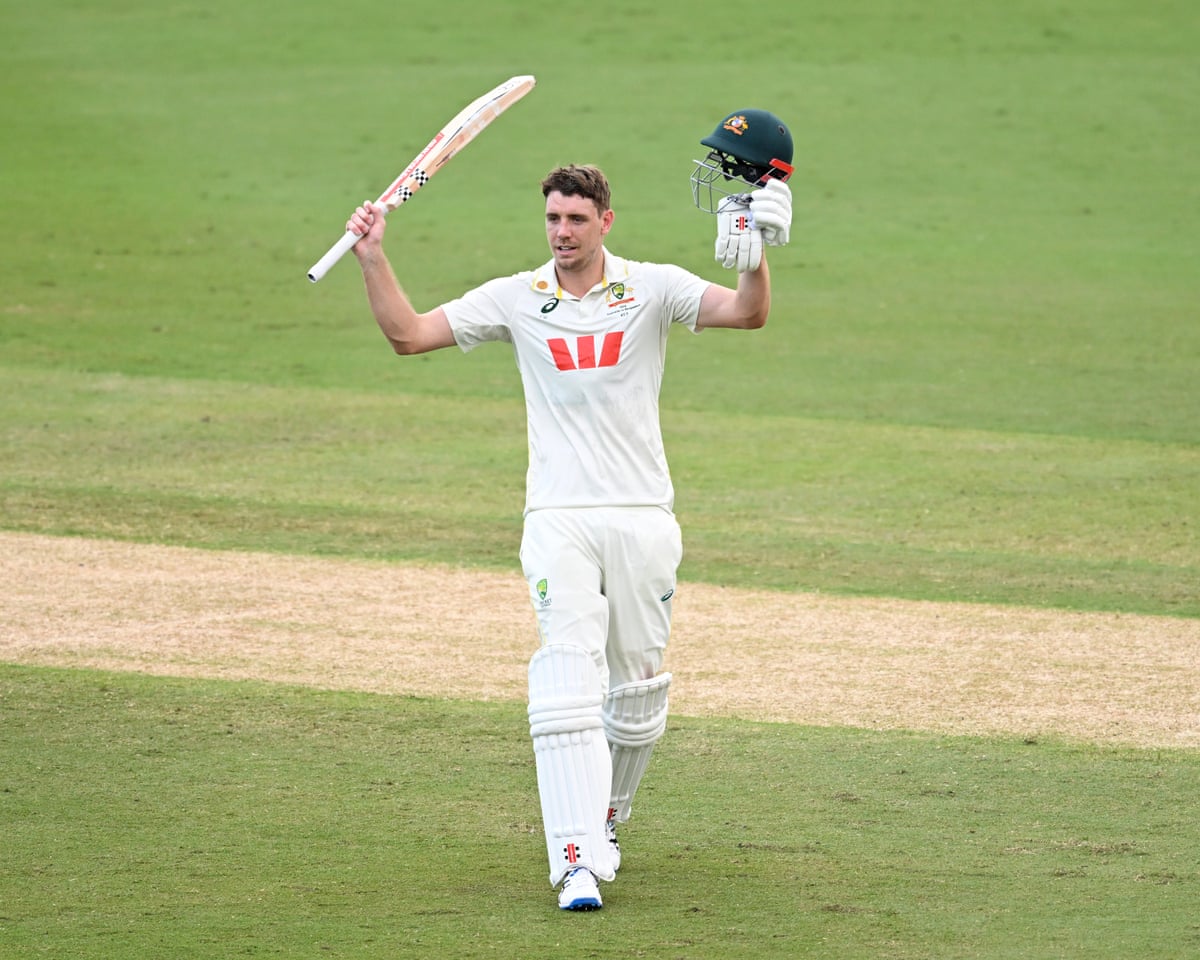
Inglis, by contrast, remains far from an automatic selection. The keeper-batter has become a fixture in Australia's white-ball sides but has struggled to capitalise on his opportunities in Test cricket since scoring a century on debut against Sri Lanka. Cooper Connolly, the spin-bowling all-rounder, is also back in contention, though his prospects of adding to his single Test cap may depend on whether selectors are willing to persist with the versatile but underperforming Beau Webster and what conditions await at Newlands.
Why is the top-order vacancy so pressing?
The three batters queuing for selection—Green, Inglis, and Connolly—are all best suited to the middle order, yet gaps are widening at the top. The controversial recall of Nic Maddinson after nearly a decade away from Test cricket and more than 18 months without first-class competition, partly while recovering from testicular cancer, has yielded minimal encouragement. The 34-year-old appeared out of his depth upon return, dismissed for a 33-ball duck in Durban, and although he struck a quick-fire 48 in the second innings, it offered only a faint glimmer of hope.
His performance in Gqeberha sealed his fate: another duck and eight runs, both dismissals to Kagiso Rabada, have almost certainly ended his shock selection. According to ESPN, Rabada claimed four wickets in Australia's second innings, where Travis Head made 121 and Scott Boland scored 40, while Wiaan Mulder took three wickets.
Shifting Matt Renshaw back to the top order—a position where he has thrived at domestic level—could resolve the most glaring deficiency. This move would simultaneously create space for Green to return to the middle order while leaving the door open for either Inglis or Connolly to be drafted for the third Test.
What is at stake for Australia's broader Test ambitions?
Australia have not lost a bilateral Test series since early 2023 and have not been defeated by any side other than India since Pakistan claimed a 1-0 series victory in the UAE in 2018, in the aftermath of the ball-tampering scandal. The natural rhythm of the side under captain Pat Cummins has been to weather highs and lows with equanimity. Yet the extended itinerary ahead—a tour of South Africa, home series against New Zealand, the renewal of the fiercest of rivalries in India, and then England—already appears to be veering off course.
The winds of change are finally arriving for the Australian Test team. And this time, even Cummins' legendary composure may prove insufficient to navigate the tempest ahead.
What happens next?
The third Test is scheduled for 27–31 October at Newlands in Cape Town, with play due to start at 10:30 a.m. local time each day. The series will be decided in this match, with Australia seeking to avoid their first bilateral Test series loss since early 2023.