Former Australia bowler Chadd Sayers has declared his confidence that every member of the 2018 Test squad was aware of the ball-tampering scheme, lending support to Usman Khawaja's account of the scandal. Sayers, who toured South Africa with the team that year, also disputed Pat Cummins' assertion that no collective team meeting occurred to address shared responsibility, and criticised the captain for adopting a confrontational tone with Khawaja.
According to The Guardian, Sayers told SEN radio on Sunday that he remained certain of widespread knowledge within the squad. "I'm comfortable sitting here … that I believe that everyone in that side knew what was going on and what was being used," he stated. "I'm not taking sides. I'm neutral in all this. I'm just trying to tell my side of the story and what I believe happened."
The controversy has resurged following the publication of Khawaja's autobiography, in which he asserts that the entire Australian team possessed knowledge of the sandpaper scheme. Khawaja has also alleged that Australian players had employed ball-tampering methods on previous occasions.
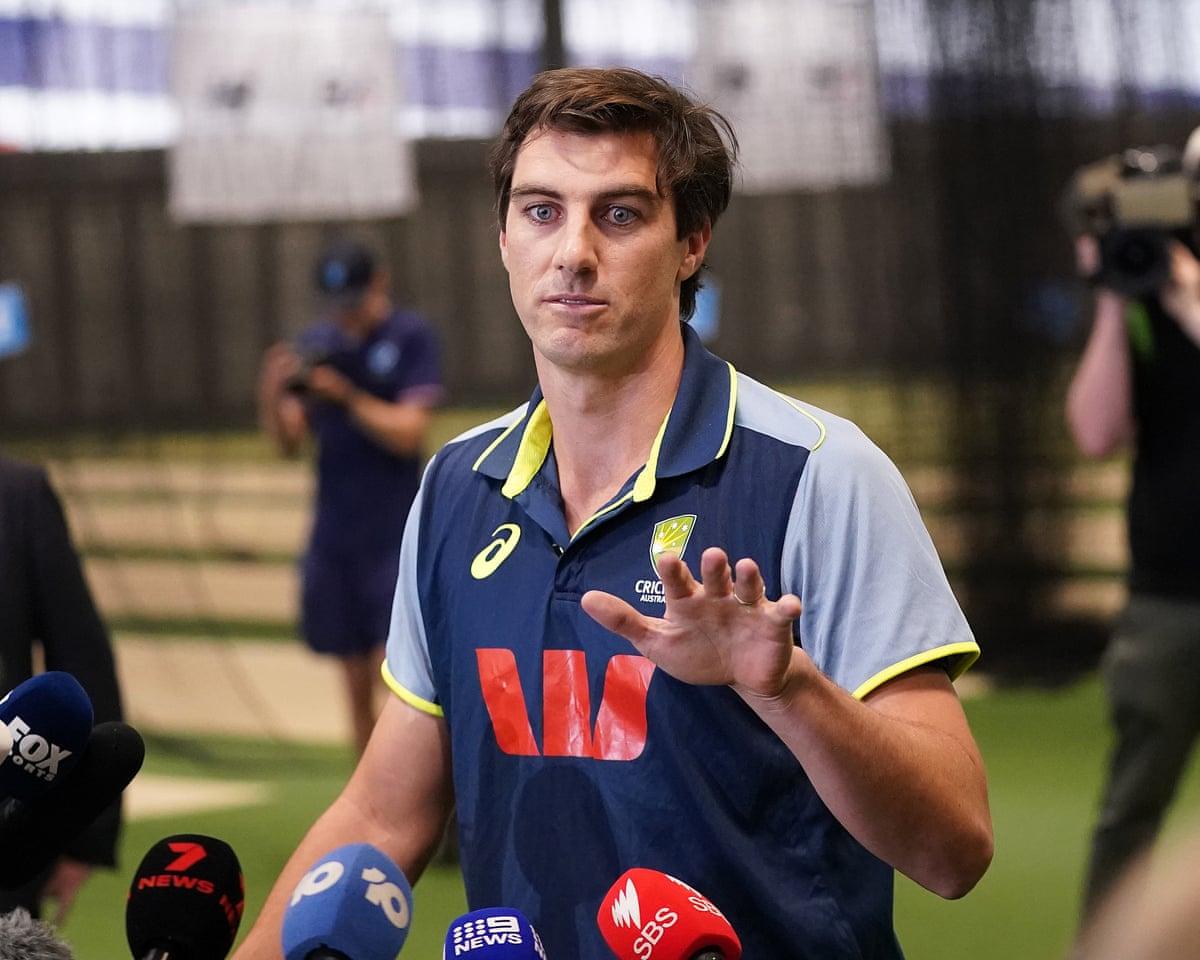
Cummins responded on Friday by dismissing Khawaja's allegations as
"complete nonsense"and reiterating his denial of any involvement in or awareness of the ball-tampering plan. When Sayers was asked about Cummins' press conference, he expressed discomfort with the captain's approach. "I didn't like how he [Cummins] did go at Usman and got personal. I probably get why but I don't think it needed to happen," Sayers said.
Sayers' sole Test appearance for Australia occurred during that South Africa tour, in the match immediately following the scandal. He described the experience as bittersweet, noting that what should have been a significant personal milestone became overshadowed by the controversy.
"It's been hard. Because you've got to tiptoe around it and not be able to tell the truth,"he explained.
"That series was supposed to be a happy one for me because I debuted the Test after. But I guess when something like that happens it always gets drawn back to that conversation and not your debut."
Sayers recalled a substantial discussion among the squad following the match in Cape Town.
"We all sat in the change rooms after that day's play, probably for 60 to 90 minutes, and just talked about what had happened and where to next,"he said.
"It was always going to happen with the seriousness of what the allegations were. So it was about what had happened, where we stood with that, and how we were going to move forward."
According to ESPN, Sayers revealed that he was handed the sandpaper to remove from the field during a drinks break in Port Elizabeth, before Bancroft was discovered concealing it in Cape Town. However, Nine reported that Sayers was not interviewed by Cricket Australia during its investigation into the incident.
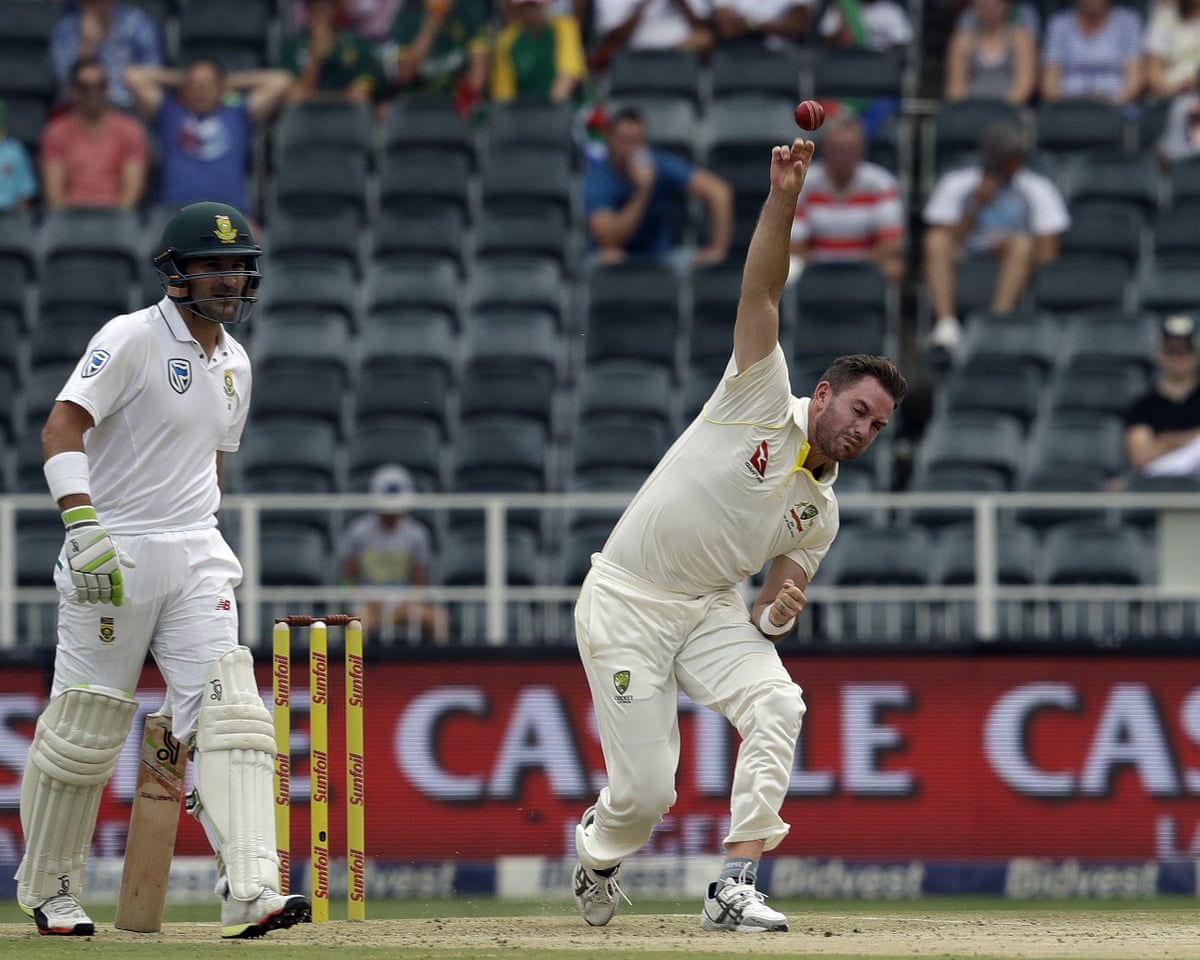
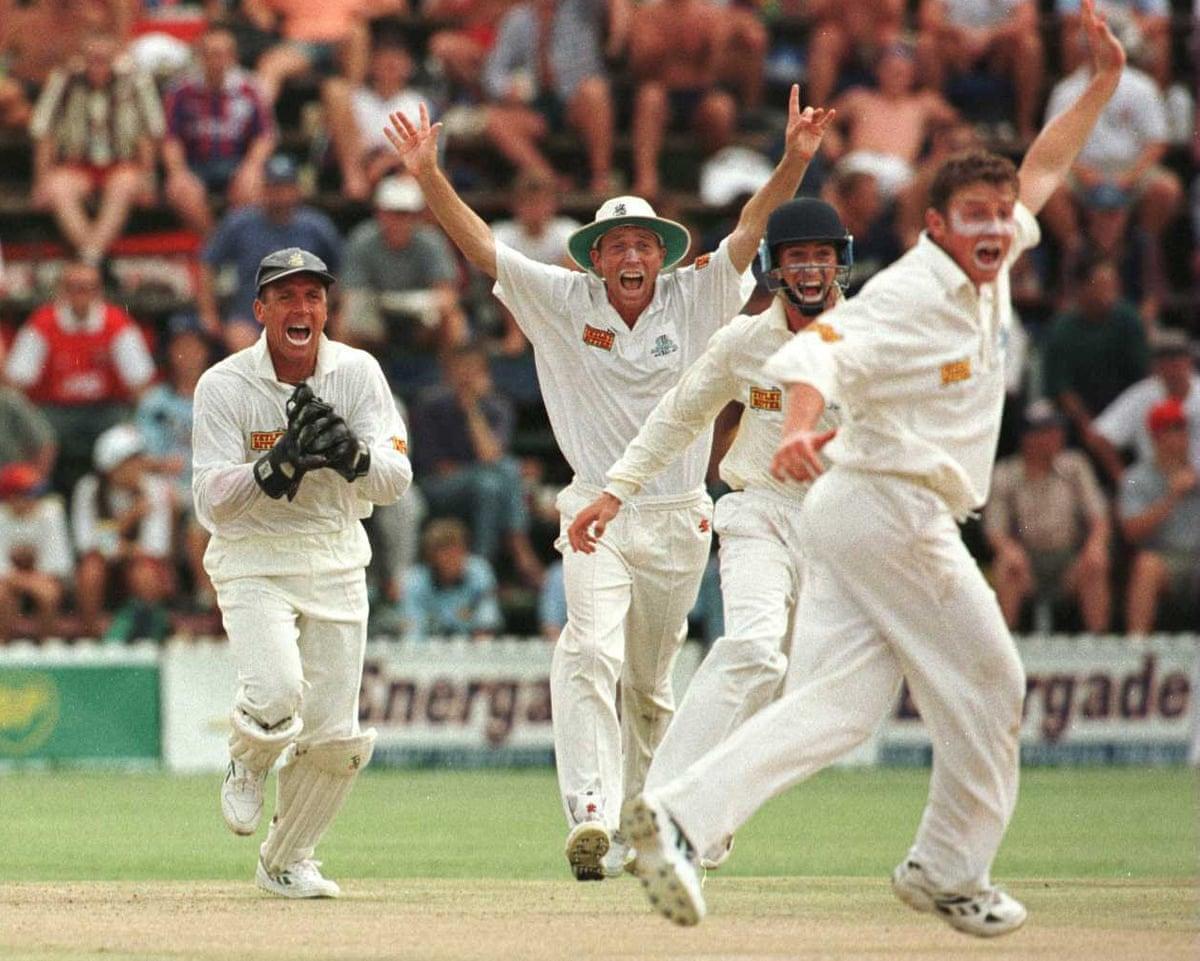
The original Cricket Australia investigation concluded that David Warner, Steve Smith and Cameron Bancroft were aware of the plan. Smith and Warner each received one-year bans, while Bancroft was suspended for nine months. The investigation's scope has become a point of contention, with ABC reporting that the Cape Town inquiry spoke to all Australian bowlers.
David Warner has intensified his criticism of the handling of the scandal, backing Khawaja's account and accusing Cummins of throwing Khawaja
"under the bus."Warner has maintained that he was not provided with complete evidence before accepting the primary punishment for the sandpaper use in the Cape Town Test. On November 15, Warner posted further commentary on social media, emphasising a crucial distinction in his earlier statement.
"Just to clarify 'As far as I am aware' was the POINT,"he wrote.
"I was never told the bowlers had been interviewed or provided statements. That information would've been pretty useful when I was forced to make decisions back in 2018. Why weren't we given all the evidence by CA?"
Sayers expressed relief that the matter had finally entered public discourse.
"It's a bit of a relief that it's out,"he said, acknowledging the difficulty of maintaining silence on the subject for years.