England will play their first Test match in Zimbabwe since 1996 during the next International Cricket Council's future tours programme cycle, covering 2027 to 2031, according to The Guardian. The England and Wales Cricket Board has committed in principle to the fixture following discussions with Zimbabwe Cricket at the ICC's quarterly meeting in Bali this week, though a specific date remains to be finalised.
The one-off Test will be staged at the Mosi-oa-Tunya International Cricket Stadium in Victoria Falls, international cricket's newest venue, which is scheduled to open in 2027 and will host four matches during the 50-over World Cup co-hosted by Zimbabwe and South Africa. According to the ICC, construction at the Victoria Falls stadium is substantially complete, with finishing work underway ahead of a trial match.
Why is England's return to Zimbabwe significant?
The fixture carries considerable symbolic weight, as England had not arranged matches against Zimbabwe for more than two decades in protest at the country's repressive domestic policies under Robert Mugabe's government. In 2008, the ECB suspended all cricket ties with Zimbabwe and cancelled a scheduled tour of England planned for the following year. This decision came five years after England's players refused to participate in a 2003 50-over World Cup group match in Harare due to security concerns. The ICC awarded that match to Zimbabwe, which advanced to the Super Six stage while England failed to progress from the group after forfeiting the points.
England did play a one-day international series in Zimbabwe the following year under Michael Vaughan's captaincy, but did not face them again in any format for 21 years until Zimbabwe visited Trent Bridge in 2025 as part of a tour that also included six white-ball matches in Ireland.
What happened during England's last Test in Zimbabwe?
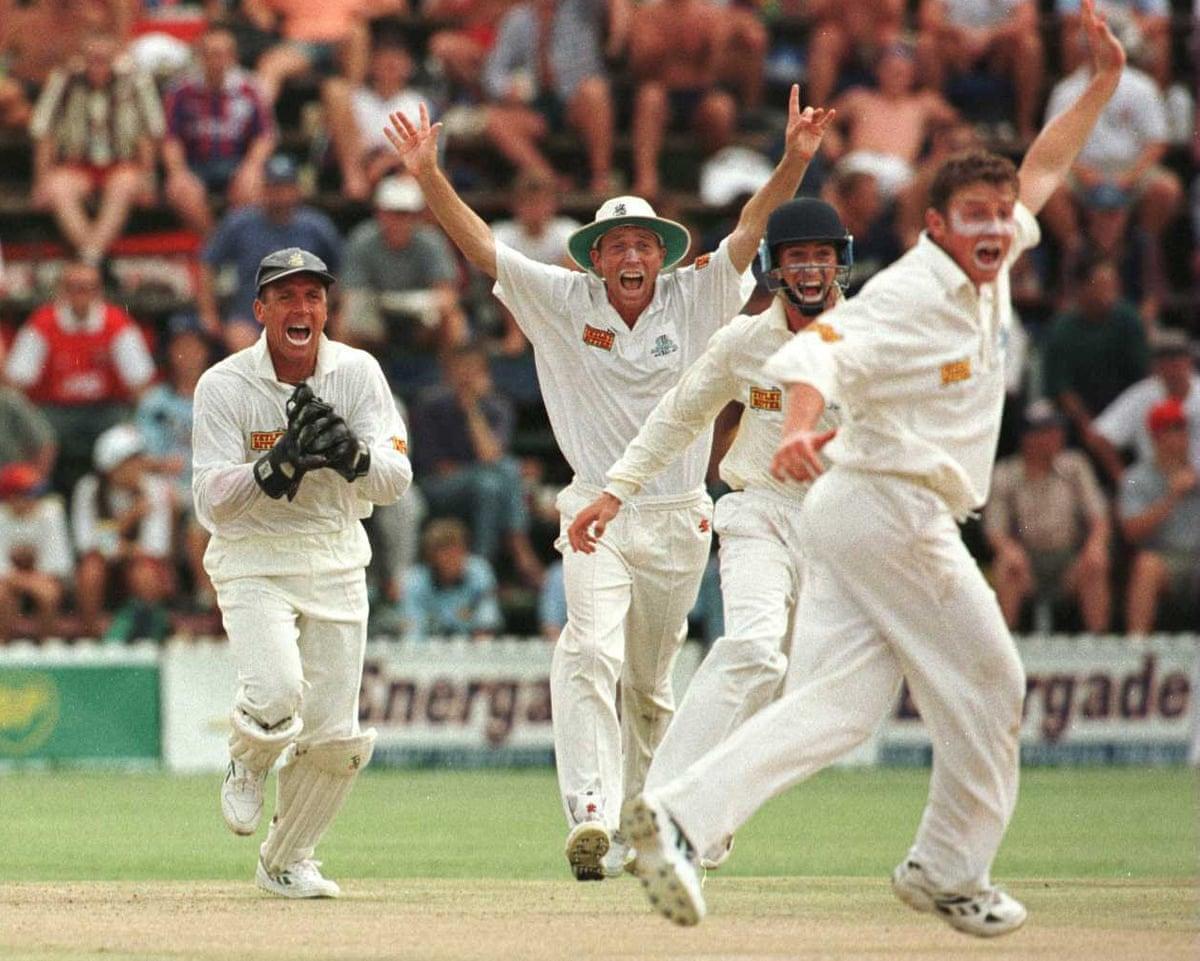
England's most recent Test in Zimbabwe took place in 1996 on an ill-tempered tour that concluded with a draw—the first time in Test history a match had ended with the scores level. Chasing 205 to win on the final day, England required three runs from the final ball, but Nick Knight was run out attempting to complete the third run. This outcome prompted England captain David Lloyd to express his frustration afterwards, saying:
We flippin' murdered 'em. Hammered them. Bloody steamrollered them. They know it and we know it.Lloyd was reprimanded by the ECB for his outburst, and his frustration was compounded when the second Test also ended in a draw.
The 1996–97 tour extended beyond the Test series. Zimbabwe won the accompanying three-match ODI series 3–0, adding to England's disappointment. In the Test matches themselves, England's Alec Stewart scored 241 runs while Zimbabwe's Alistair Campbell led the series with 135 runs, and Zimbabwe's Paul Strang took 10 wickets.
How will England's schedule be finalised?
The ECB intends to complete the remainder of England's fixtures through 2031 over the weekend in Bali, with priority given to those in the World Test Championship. Zimbabwe, Ireland and Afghanistan are not expected to feature in the WTC despite their efforts to expand the competition to all of the ICC's full members. Following an extended consultation process, the ICC's board is expected to confirm on Sunday that the WTC will remain at nine teams until at least 2029.
What happens next for the Victoria Falls stadium?
Stadium completion is targeted for mid-2027, with an international series planned beforehand to test the facilities. The first trial match is to be announced in due course. The 2027 World Cup schedule already lists Zimbabwe versus India at Victoria Falls on 24 October, followed by additional matches there on 28 and 30 October and 1 November.