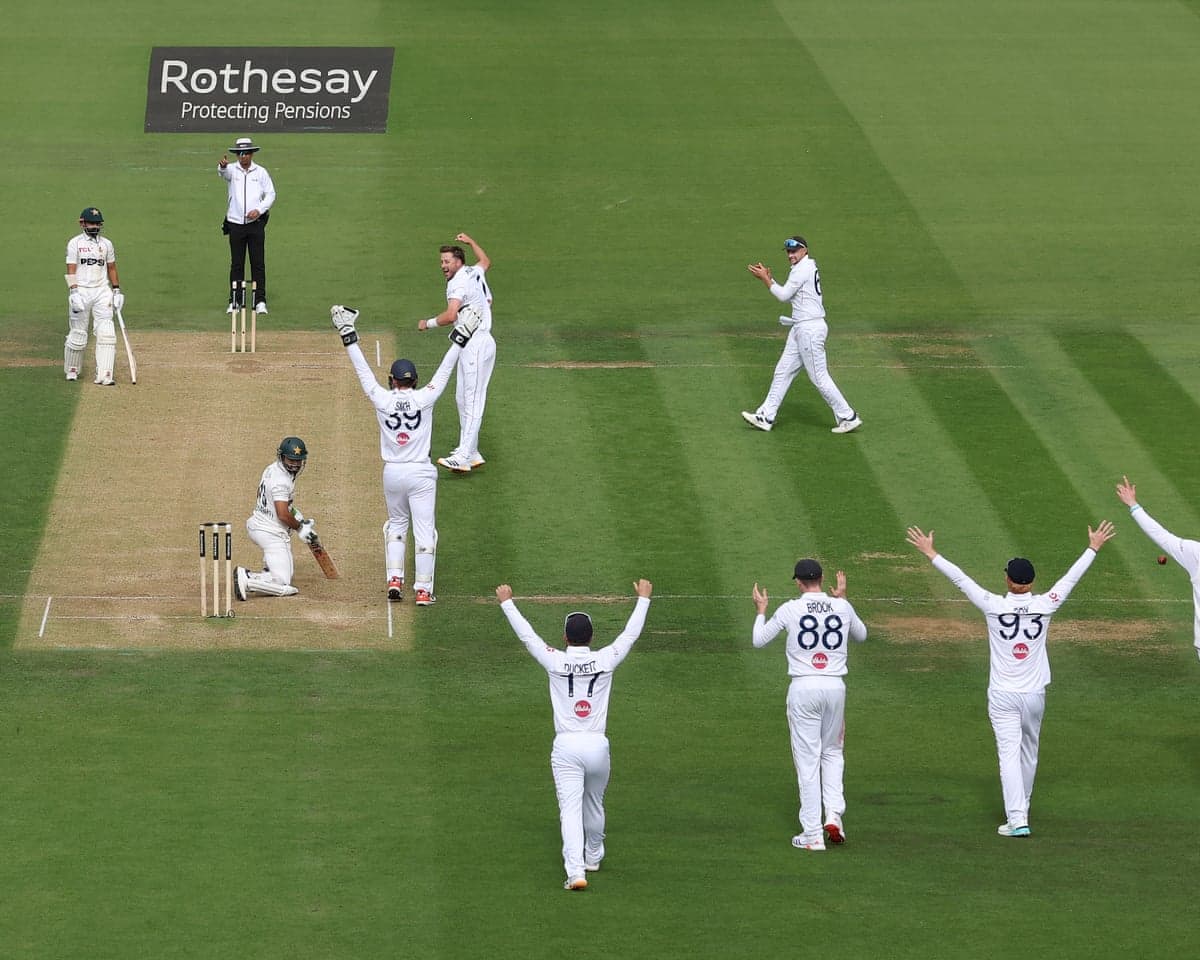
Two hours before the conclusion of the second-last Test match of England's understated post-Bazball campaign, a distinctive sound emanated from the deep fine leg section at Lord's—a cheer that carried unmistakable weight and significance. Ollie Robinson, walking back to his mark, turned and raised an arm in a gesture of defiant acknowledgment. The crowd responded with scattered, fervent chanting: "Oh Ollie Ollie, Ollie Ollie Ollie Ollie Robinson," a refrain tinged with something subversive, the unmistakable aura of the anti-hero. In an era obsessed with buzzword culture and mandated fitness protocols, Robinson had become the unlikely figure that cricket needed.
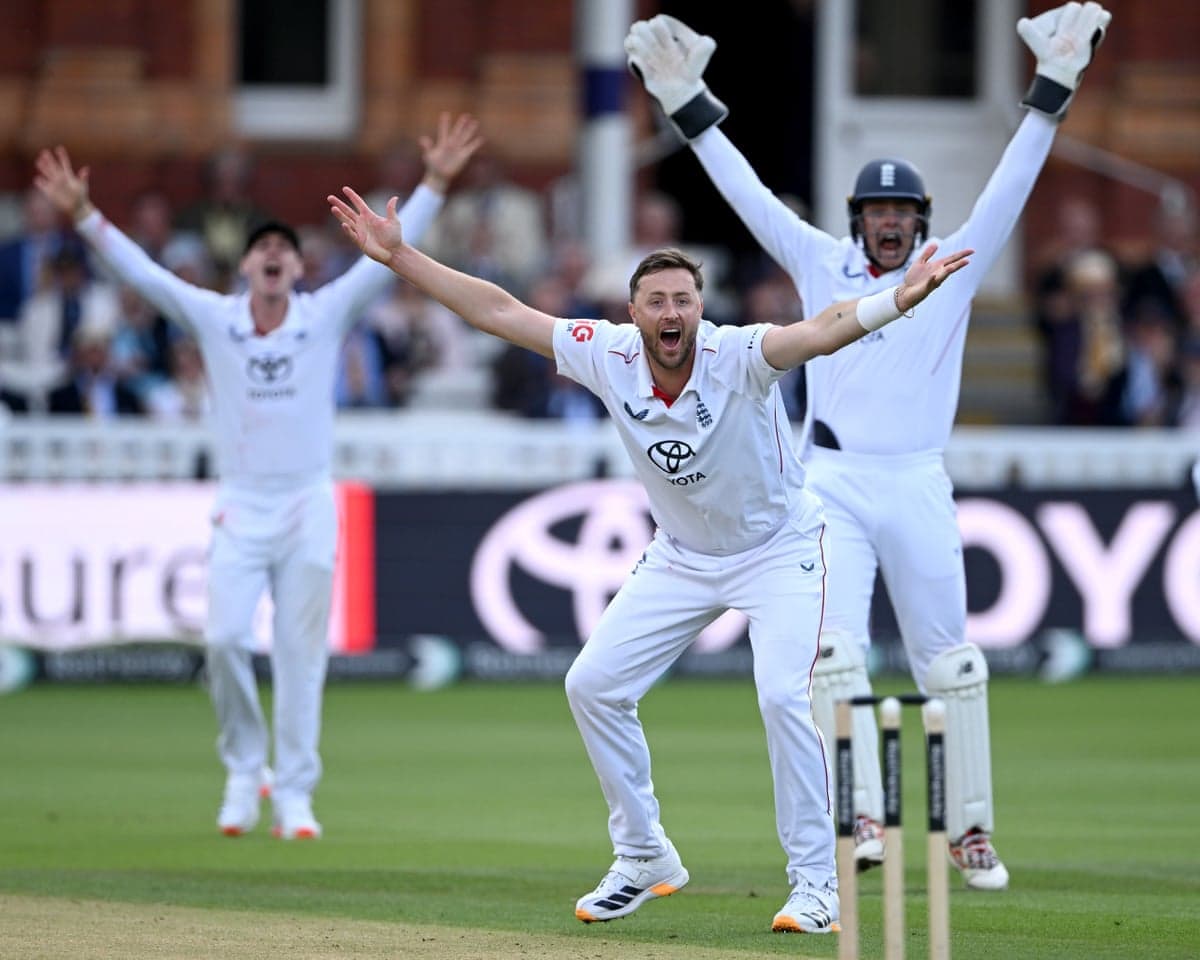
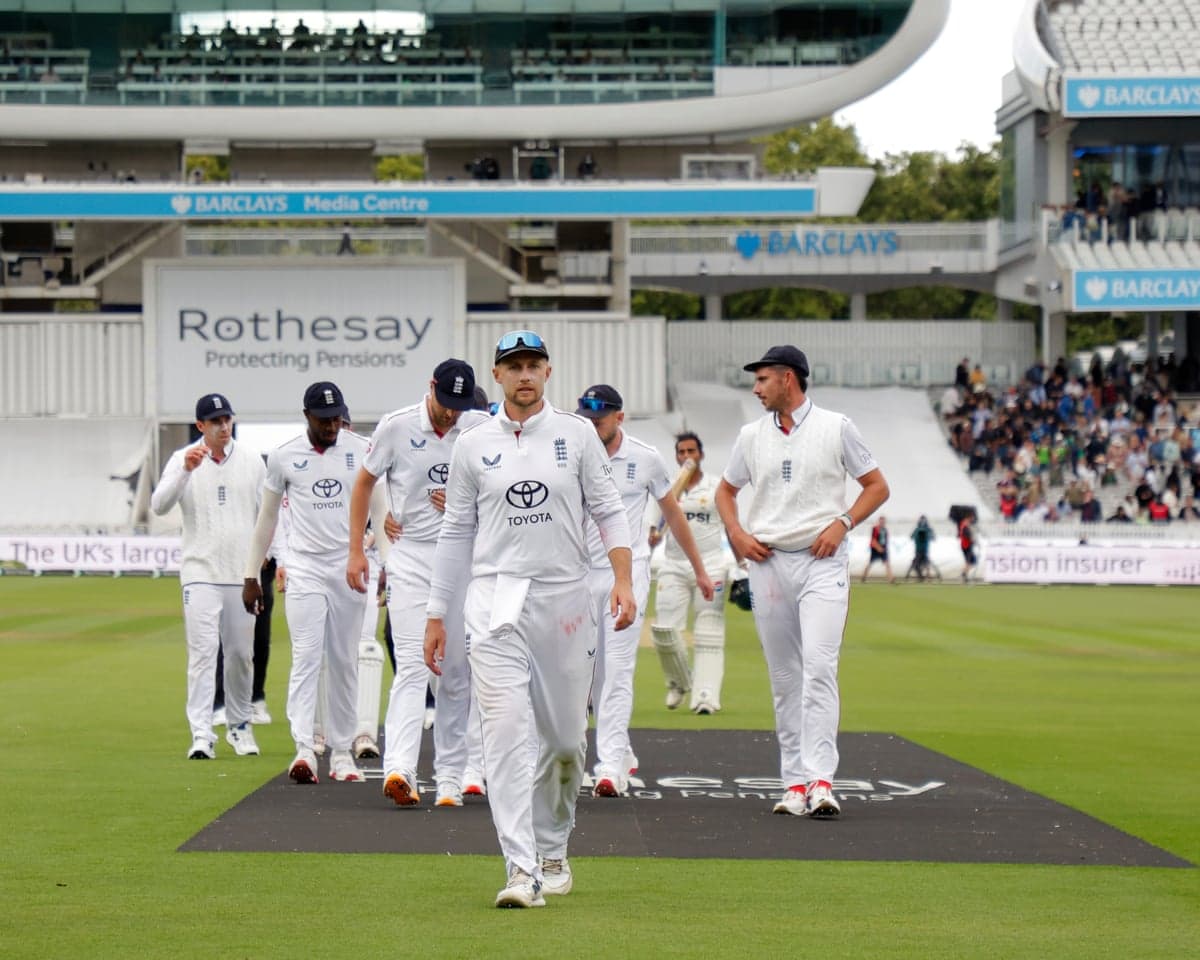
Moments before this scene, at 3.59pm on the Lord's clock, Robinson had struck Shan Masood on the front pad and stood with arms outstretched, bellowing an appeal with the desperation of a man genuinely eager to depart for Call the Midwife and a peri-peri chicken meal deal. Yet what unfolded was far more significant than the immediate moment suggested. England completed a 194-run victory over Pakistan at Lord's, securing an unassailable 2-0 series lead, with Robinson claiming four of the nine remaining wickets required. His match figures of eight wickets for 35 runs across both innings cemented a remarkable transformation for the bowler who had been dropped earlier in the summer.
Robinson's performance extended his tally across both home Test series to 23 wickets at an average of 8—a statistic that demands attention. This was the confirmation of an extraordinary redemption arc, one that defined what might be termed the summer of Ozball: an era characterised by the dominance of metronomic, seam-focused bowling over expansive batting.
What Made Robinson Irresistible?
Robinson's bowling was relentless in its simplicity and execution. Rumbling in from the Nursery end, bulky and quietly menacing like a wardrobe rolling gently down a hill, he demonstrated the fundamentals that have become his trademark: an easy, high action, a perfect seam release, head up, already reading the pitch through his fingertips. His four-wicket haul in the fourth innings came at a cost of just 24 runs, with every delivery seeking that precise contact between seam and surface. Stump to stump, every millimetre of movement was in play.
One moment encapsulated his dominance: Abdullah Shafique was knocked over by an unplayable delivery that moved sharply back, a ball where the batsman's technique became irrelevant against the sheer quality of the bowling. At that point, Robinson had taken six for 13 in the match, prompting the thought that perhaps Pakistan might not score another run.
The Statistical Case for Greatness
Robinson ended the match on 99 Test wickets, taking them at an astonishing average of 19. The numbers are genuinely mind-boggling. No pace bowler since the 19th century has concluded their career with 100 wickets at a lower average. While others have reached that milestone at a similar rate, Robinson is 32 years old and shows no signs of the decline that typically accompanies that age in fast bowling. This is his peak, not his trajectory toward retirement.
The irony is sharp: Robinson was dropped from the squad earlier in the summer because the selection hierarchy, led by Rob Key, prioritised pace bowling of a different character, combined with concerns about whether Robinson represented the right kind of personality. Yet his performances have vindicated a simple principle: identify excellence and extract the best from it. That is the fundamental job of selection.

Pakistan's Resistance and the Broader Pattern
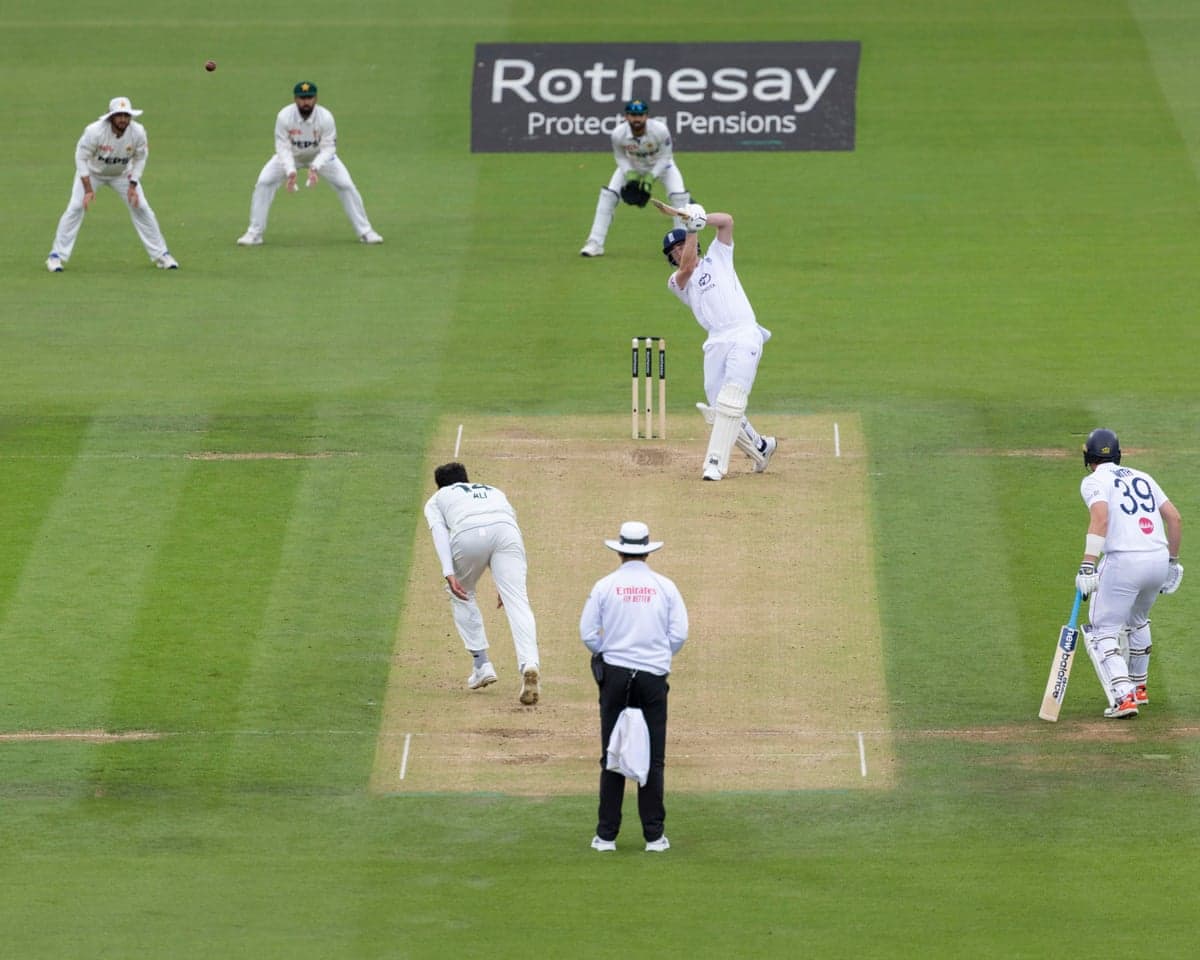
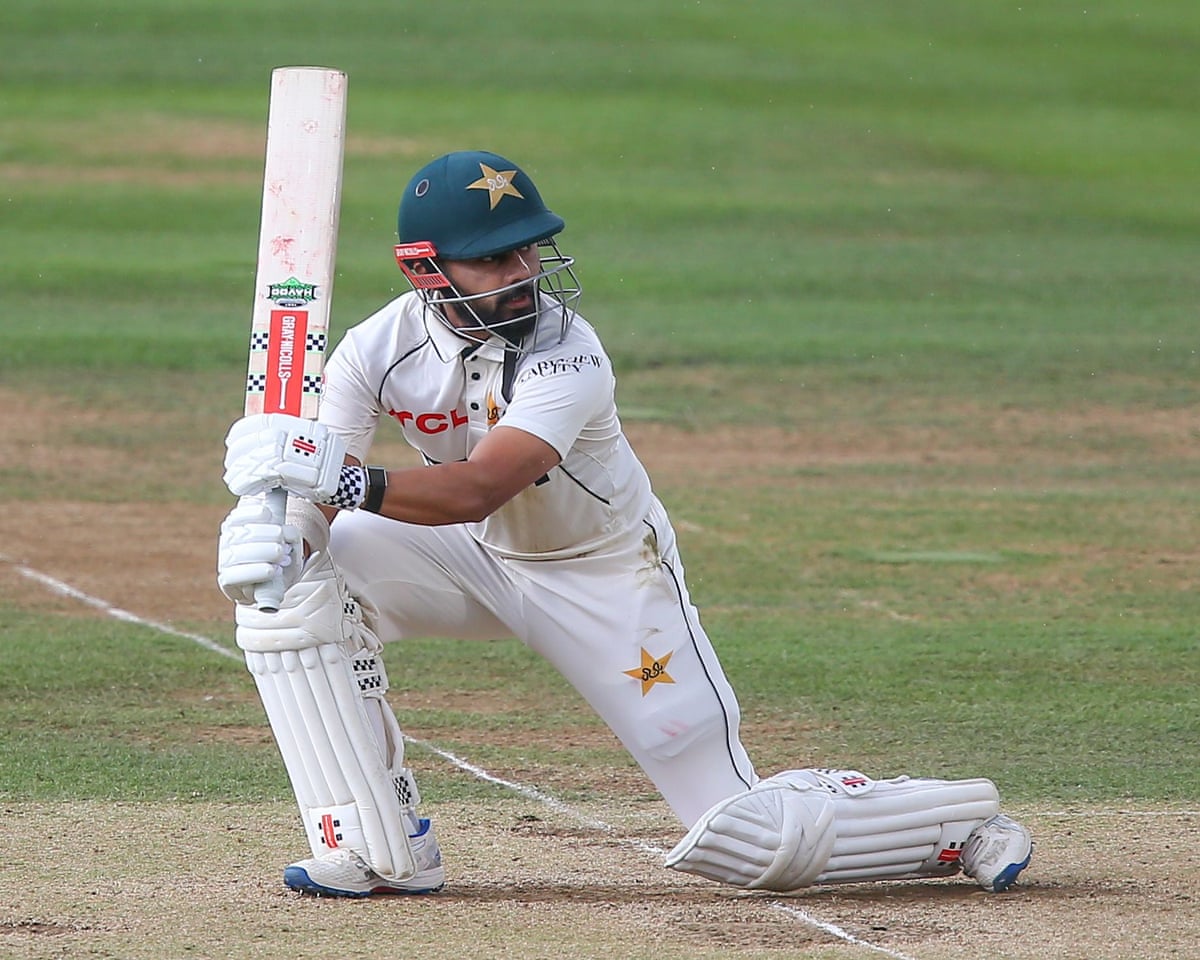
Pakistan's second-innings total of 194 was constructed around a splendid 97 from Saud Shakeel, who played with genuine class and technical assurance. His innings featured elegant swivel-pulls and courtly, kneeling cover drives—the kind of batting that draws appreciative murmurs from the crowd. Yet even this display of skill could not overcome the relentless pressure applied by England's bowling attack.
Earlier in the match, Pakistan had been dismissed for 110 in their first innings, with Robinson taking four for 11 and Jofra Archer claiming three for 26. England's first-innings response of 290, built on contributions from Smith (61) and Cox (55), had established a commanding position. Pakistan opener Imam-ul-Haq was unable to bat in the second innings after straining a calf muscle while fielding on day one, further weakening their chase.
The Dominance of Seam Bowling in Modern Test Cricket
What has emerged across this summer is a pronounced imbalance in Test cricket, one that extends beyond Robinson's individual excellence. Mohammad Abbas, Pakistan's own outstanding bowler, could be observed kneeling at the edge of the Lord's square and kissing the reddish turf—a man giving thanks to the conditions that had enabled his own remarkable performances. Abbas is a brilliant technician and a respected figure, appearing on the honours board with an average of 22. His method represents the modern craft: brain, skill, and precision rather than raw pace.
Yet the broader pattern is undeniable. Examining the nine lowest career bowling averages since the end of the 19th century reveals that four of those nine have been achieved in the past six years: Robinson, Kyle Jamieson, Scott Boland, and Axar Patel. All are brilliant bowlers employing the same fundamental method—delivering straight, seam-focused deliveries to Test batsmen struggling to adapt. Across this summer, Abbas, Robinson, and Matt Henry have combined for 45 wickets at an average of 12, with the keeper standing up to the stumps and front pads repeatedly exposed to the threat of dismissal.
The Bigger Picture: Bazball and Its Alternatives
This dominance of bowling reflects deeper structural shifts in Test cricket. Data analysis, raised seams, and format confusion have all contributed to a batting environment where technique has become increasingly vulnerable. As cricket commentator Ian Chappell observed recently, there is minimal financial incentive to become a great Test batsman in the modern era—no pathway comparable to the dedication that players like Graham Gooch once invested in mastering defensive technique across winter months.
Perhaps the previous era of Bazball, with its emphasis on aggressive batting and quick pitches, represented a necessary corrective. Yet the alternative—Ozball, the age of high-craft seam bowling and nip—has created Test matches that become races to completion in multiple senses. The question facing cricket administrators and coaches is whether this represents the sport's natural evolution or a temporary imbalance requiring intervention.
What is certain is that Robinson's redemption arc has become the defining narrative of a subdued summer. Dropped for reasons both tactical and personal, he has returned to demonstrate not merely competence but genuine excellence. The low-key story of a low-key summer has found its unlikely hero in a 32-year-old medium-pace bowler from Sussex, a man who appeals for lbw with the desperation of someone genuinely eager to leave the ground.
What Happens Next
With England having secured an unassailable 2-0 series lead, the three-match Pakistan tour of England continues toward its scheduled conclusion on 9 September 2026. The final Test will determine whether Robinson can reach the 100-wicket milestone and whether England's bowling-dominated approach can be sustained across the remainder of the summer.