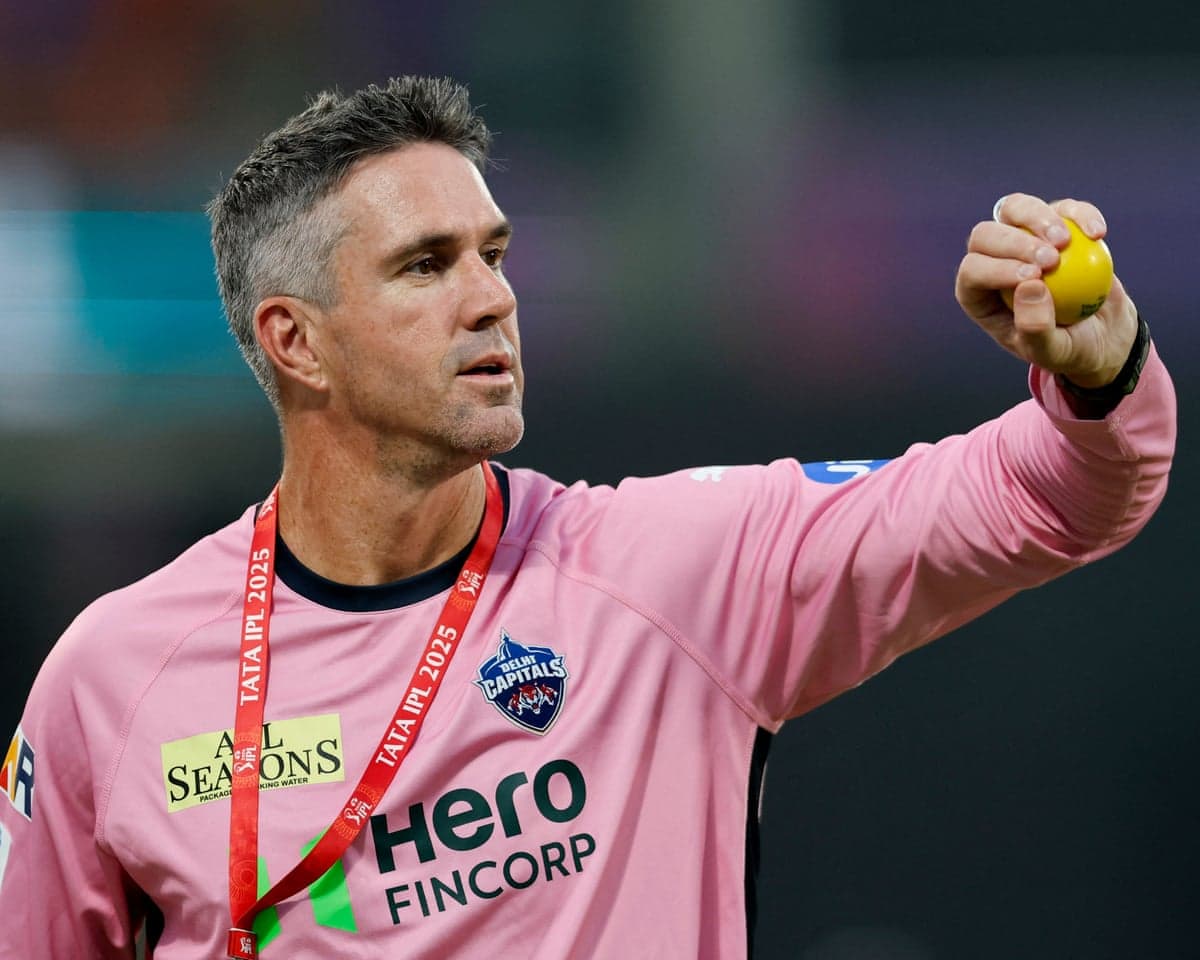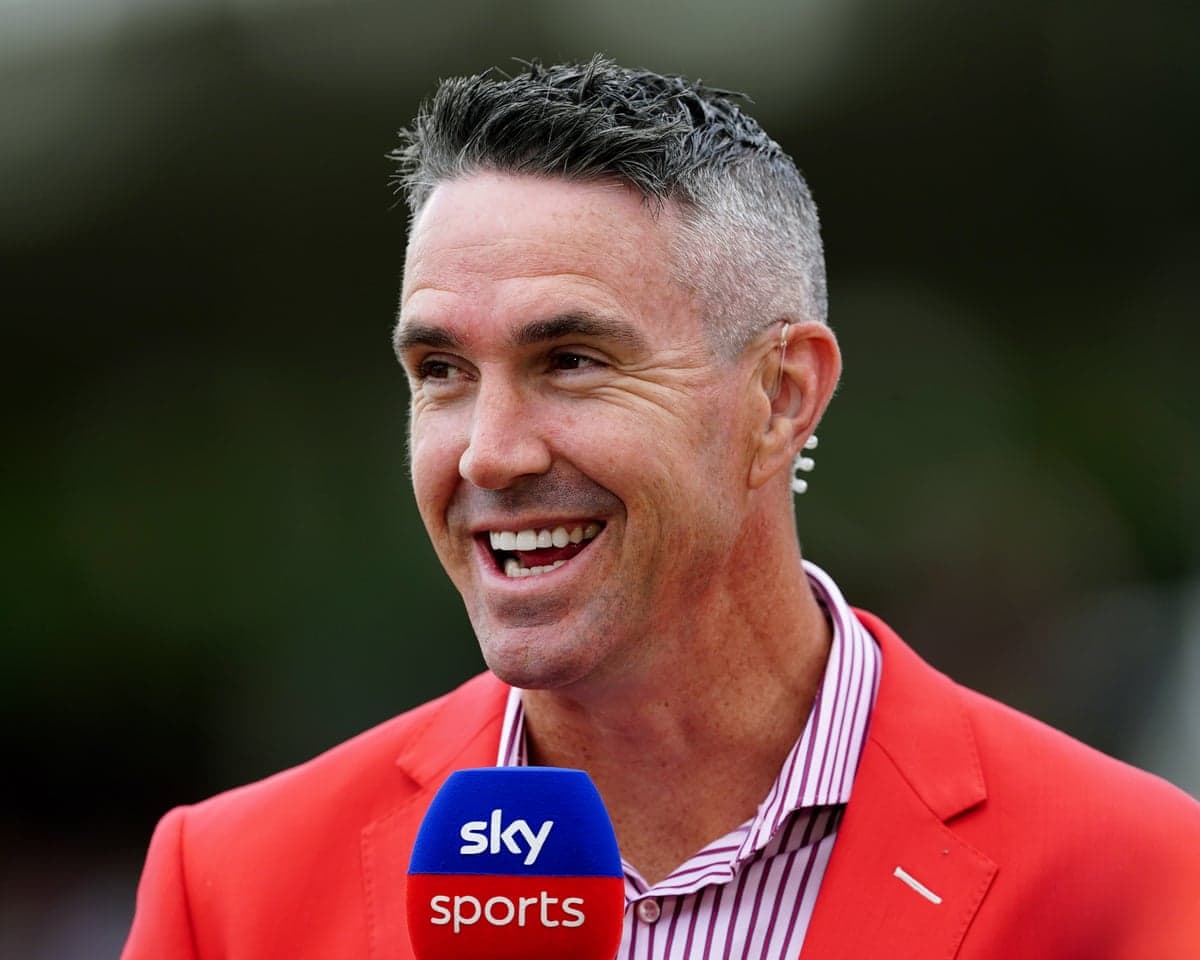
Kevin Pietersen's appointment as a specialist mentor to England's white-ball teams represents a significant shift in his relationship with the sport. The 46-year-old former captain, who has spent most of his post-retirement career as an outspoken commentator and pundit, will now need to navigate a fundamentally different role when he joins the England coaching staff on 15 September 2026 for the three-match T20 international series against Sri Lanka. The England and Wales Cricket Board confirmed the appointment on Monday, 7 September 2026, with Pietersen's involvement extending through the 2027 Cricket World Cup cycle, including winter tours of Australia and South Africa and next summer's home series against Pakistan and New Zealand.
Pietersen's credentials as a player are beyond question. His technical understanding, demonstrated through masterclasses and his sustained engagement with the game since retirement, combined with his vast reserves of experience, make him a natural fit on merit. However, the transition from pundit to mentor demands a fundamental recalibration of his approach. As a commentator, he has been encouraged to hold strong opinions and express them powerfully. As a mentor, he will need to exercise considerably more restraint and nuance.
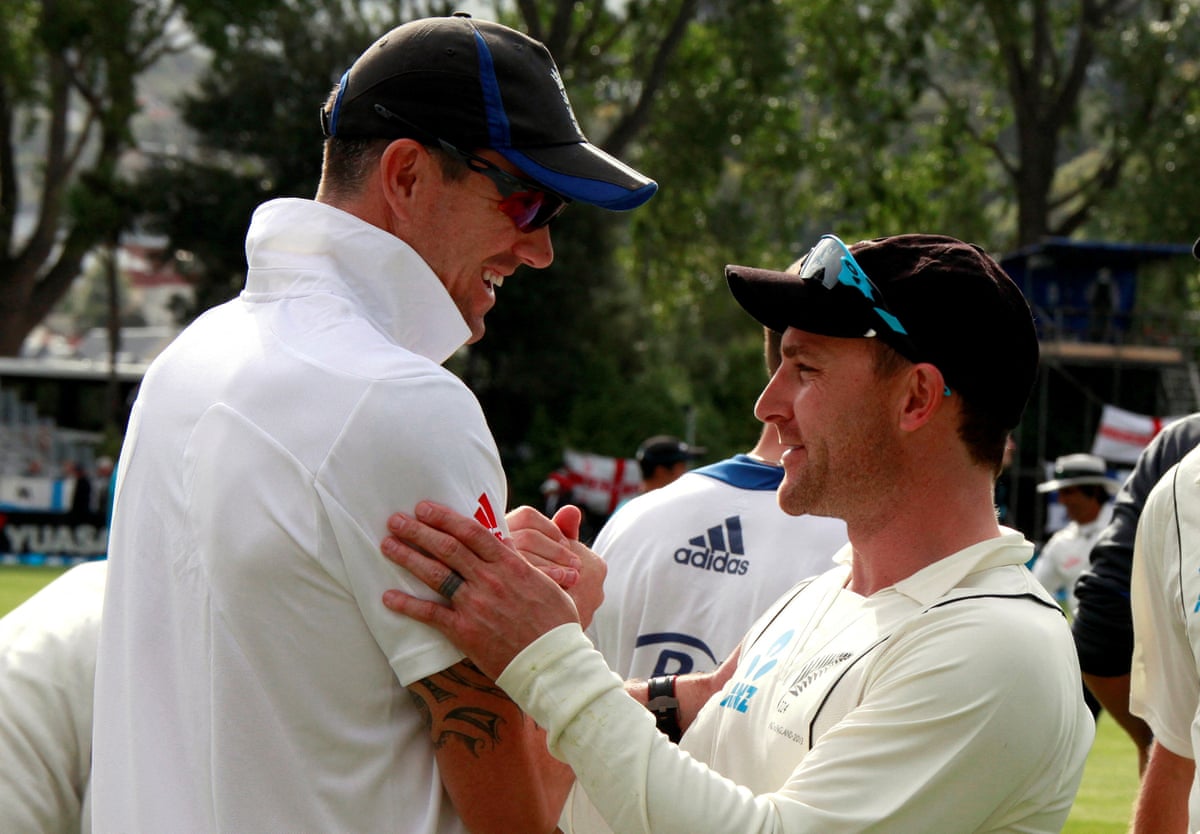
The challenge lies not in what Pietersen knows but in how he communicates it. His stature as a world-class former player will initially bring positivity and credibility to the role. Yet that advantage fades quickly once the work begins. What remains is the language he uses and his ability to tailor his messaging to individual players. The fundamental discipline of coaching differs markedly from playing: a coach's job is to help others make the most of their careers, not to prescribe what the coach would have done in their position.
Can Pietersen adapt his communication style?
Pietersen has been quite outspoken in his criticism of Brendon McCullum's approach to Test cricket. By bringing him into the England setup alongside McCullum, the ECB may have made a clever move to convert a critic into an ally. However, there is a risk that Pietersen's message as a dominant player will simply echo McCullum's advice to batters to adopt an aggressive approach. The real test will be whether he can demonstrate mastery of the nuance and subtlety that effective coaching demands—qualities he may be unused to after years in the commentary box.
As a personality, Pietersen divides opinion. Some have always championed him, while others find him less appealing company. Normally, when a consultant joins an international team, it is for a single tour to assess compatibility. Pietersen's commitment through the World Cup cycle represents a substantial investment from both the ECB and the player himself, and it carries genuine risk for both parties.
What experience does Pietersen bring to the role?
While Pietersen has limited formal coaching experience, his involvement with the Delhi Capitals as a mentor before stepping away ahead of IPL 2026 provided some exposure to the demands of the role. Earlier in 2026, he publicly stated he was available for discussion about helping England if asked by the ECB. His South African upbringing will prove valuable given that the 2027 World Cup is being staged in South Africa, Zimbabwe and Namibia. Pietersen had been effectively out of the England set-up for more than 12 years following the end of his international career, making this appointment a significant return to the fold.
The coaching group Pietersen will join for the Sri Lanka series includes Brendon McCullum, Marcus Trescothick, Tim Southee, Jeetan Patel and Sarah Taylor, providing an experienced and diverse support structure. This collective expertise may help establish clear boundaries around Pietersen's role and expectations.

What does Pakistan's chaos reveal about cricket management?
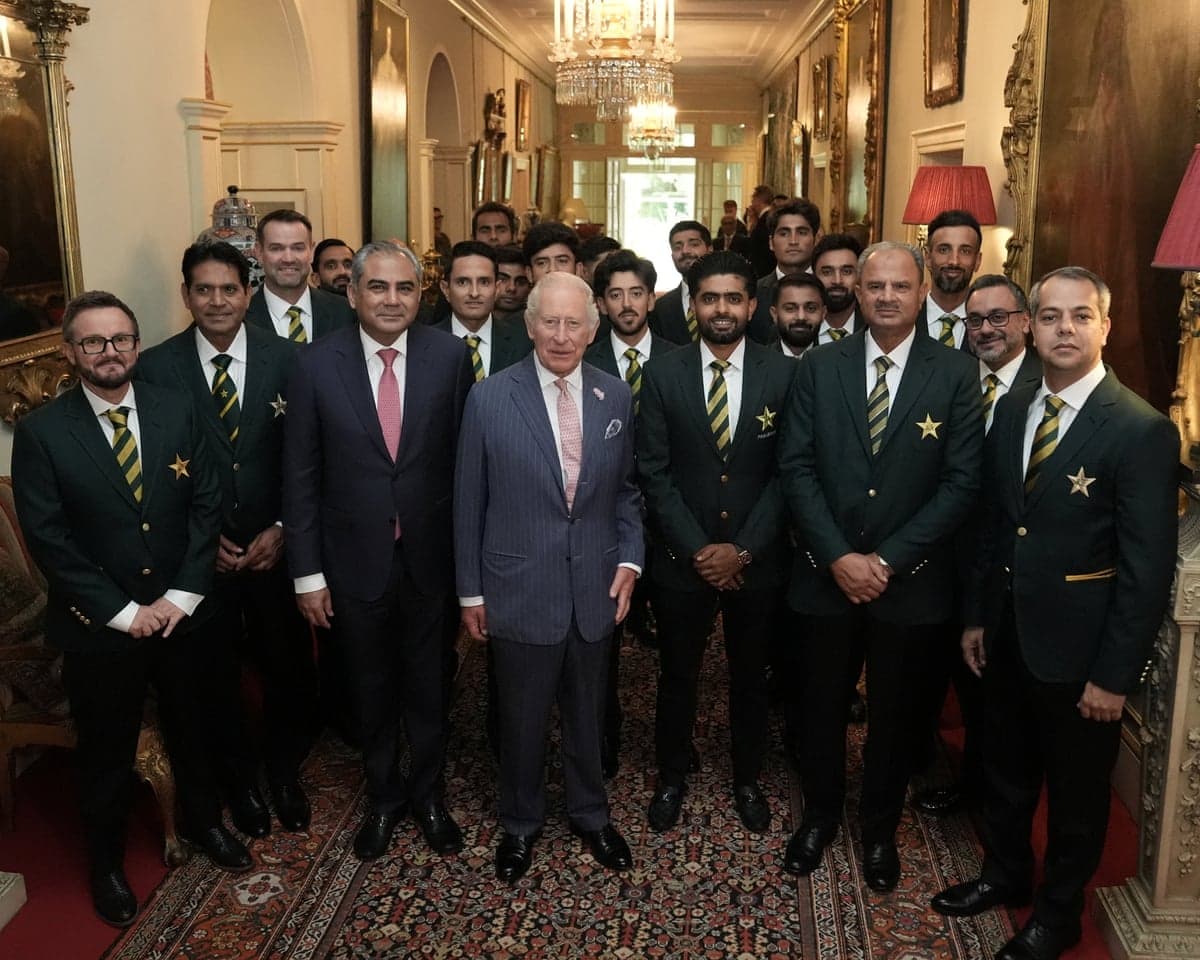
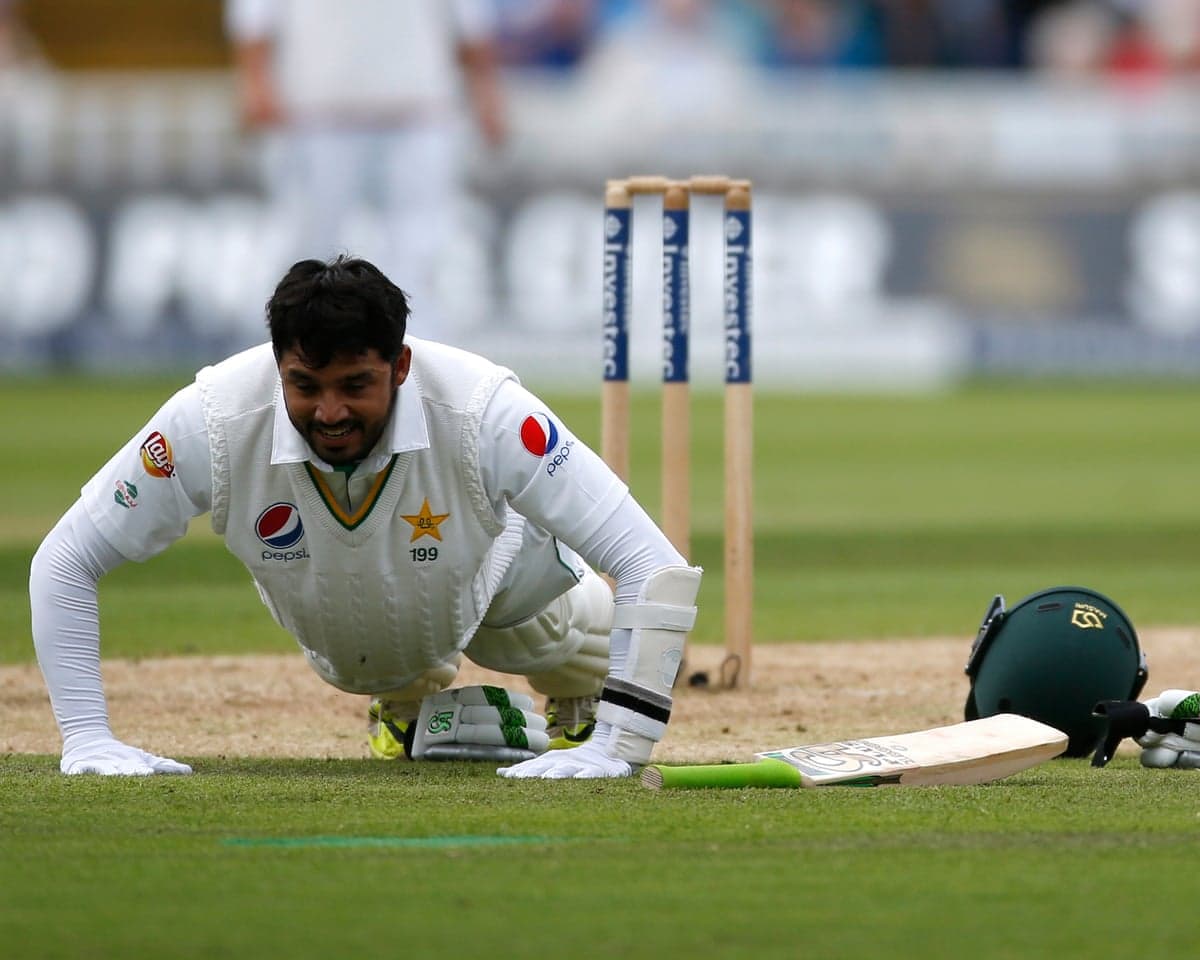
The contrast between England's measured approach and Pakistan's recent turmoil could hardly be starker. Pakistan's decision to sack head coach Sarfaraz Ahmed and bowling coach Umar Gul mid-tour, replacing them with largely inexperienced players before the final Test, exemplifies mismanagement at the highest level. Sarfaraz and Gul brought 469 international appearances between them across all three formats—genuine experience and credibility with their players. Yet they were dismissed after minimal time in post, despite being appointed for sound reasons.
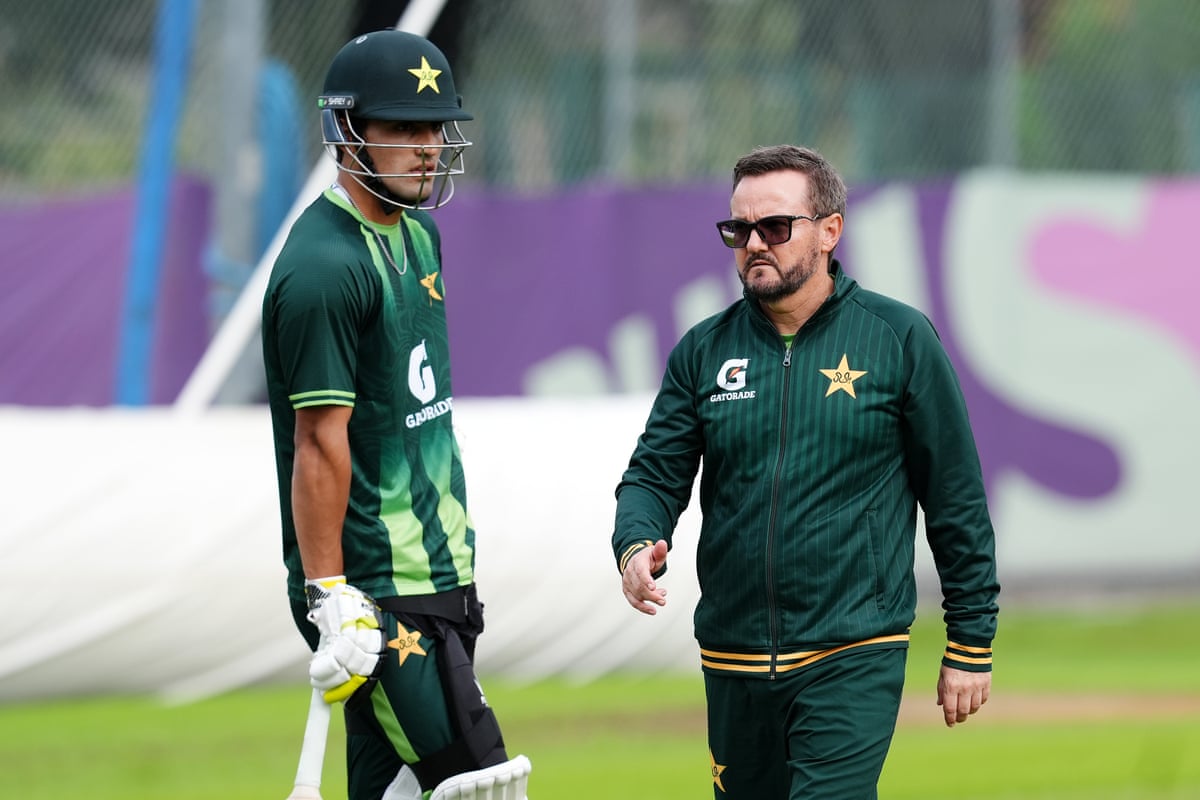
Mike Hesson, Pakistan's white-ball coach since last year and widely regarded as competent, has now been brought in to run the Test team. A more coherent structure would have appointed Hesson to lead the entire coaching operation from the outset, with Sarfaraz and Gul working alongside him to combine his calmness and experience with their knowledge and respect among the players. Instead, the Pakistan Cricket Board has opted for a public humiliation of senior figures.
The psychological impact on players sent home mid-tour is severe and lasting. Regardless of their performances, this treatment represents a profound breach of trust. The broader consequences are troubling: if national teams treat their best players this way, the exodus of talent to franchise tournaments will only accelerate. The replacements now facing England at Edgbaston this week confront a formidable challenge. The forecast promises excellent conditions, but the pitch is expected to be lively and the England bowling attack—featuring Ollie Robinson, Jofra Archer, Josh Tongue and Gus Atkinson—is formidable. The Pakistan Cricket Board does not deserve its gamble to succeed.
How has England's cricket improved under McCullum?
England's approach has been markedly different. After the second Test, the England camp spoke of ruthlessness—a quality Ben Stokes famously rejected in the past. Facing opponents who have weakened themselves, England should be determined to secure a 3-0 series victory. The runs and wickets are there to be claimed, and England's cricket has been good, sensible and mature.
At Lord's during the second Test, England's use of conditions was outstanding. Robinson was almost unplayable, and the four seamers form a thrilling combination: Robinson's skill and accuracy, Archer's pace, Tongue's angle and Atkinson's ability to swing the ball and create opportunities. While Pakistan's batting lineup is not among the world's strongest, there is genuine cause for optimism about England's trajectory.
The real test will come over the winter on slower surfaces in Bangladesh and with a Kookaburra ball in South Africa—conditions that favour batters after the initial phase. Toiling in heat and unfamiliar conditions differs markedly from rolling through Pakistan under overcast skies at Lord's. Yet there is every reason to believe this quartet would trouble any opponents in English conditions, including during the Ashes next summer.
What happens next for Pietersen and England?
Pietersen's first assignment will be the three T20 internationals against Sri Lanka beginning on 15 September 2026. After that series, he is reported to join England on winter white-ball tours to Australia and South Africa. The 2027 ODI World Cup in South Africa, Zimbabwe and Namibia represents the major target in this cycle, with Pietersen's knowledge of southern African conditions and his experience as a world-class player positioned as assets in that tournament.
The success of this appointment will ultimately depend on Pietersen's willingness and ability to transform himself from a forthright critic into a thoughtful mentor. His playing credentials are unquestionable, but the words he chooses and his capacity to adapt his messaging to individual circumstances will determine whether this bold ECB gamble pays dividends or becomes another cautionary tale in international cricket management.