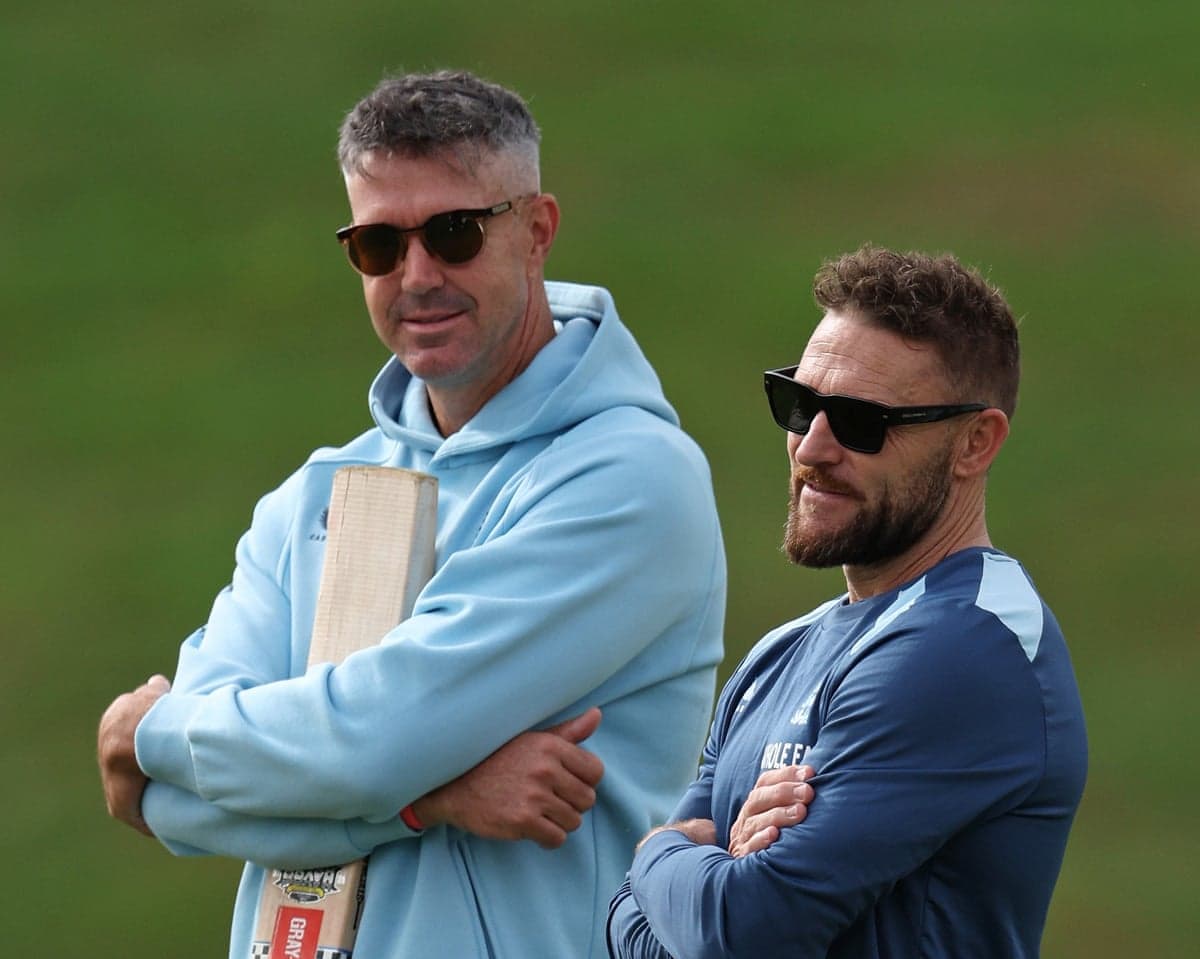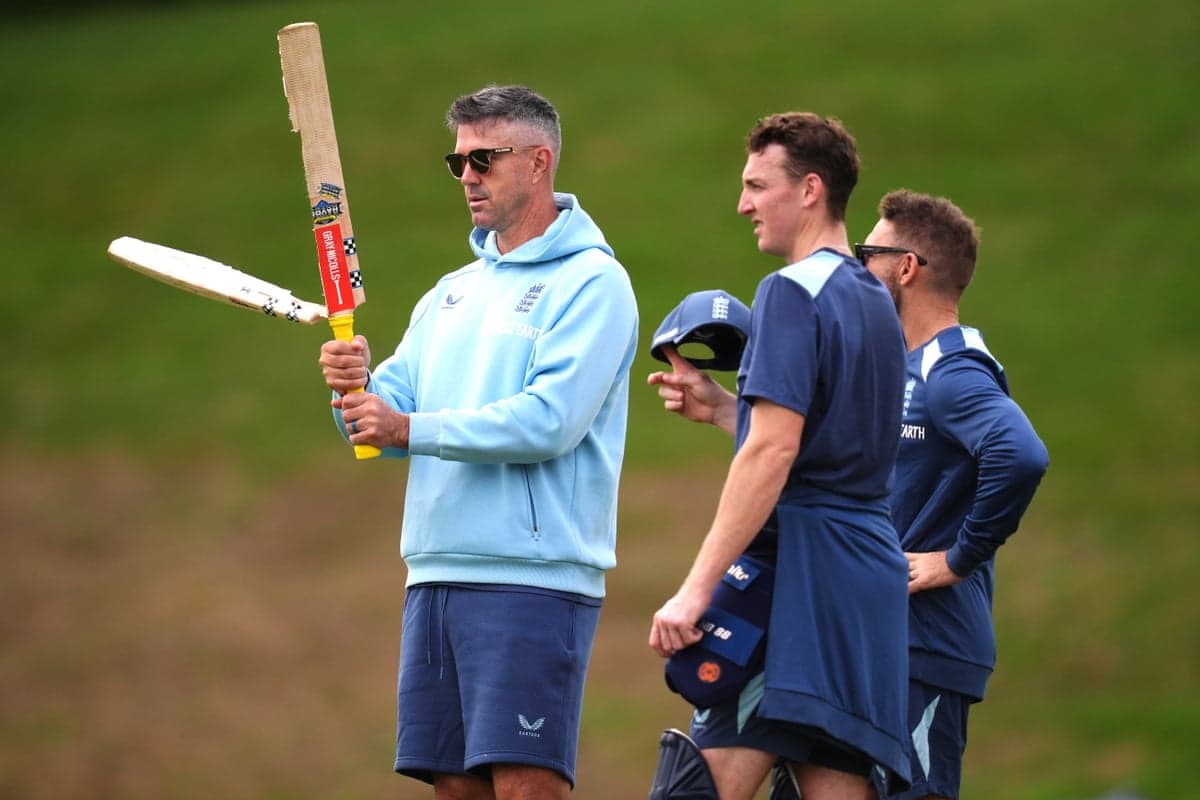
Kevin Pietersen's appointment as specialist mentor to England's white-ball teams marks a remarkable reversal for a player whose international career ended in acrimony over a decade ago. The role, which runs until the conclusion of the 2027 ODI World Cup cycle, begins with a three-match T20 series against Sri Lanka starting on 15 September 2026 at Southampton. His return signals a philosophical shift within English cricket, one that acknowledges both the limitations of the current regime and the prescience of a player once cast out for challenging orthodoxy.
The backdrop to this appointment is a culture in disarray. When Gilbert Enoka concluded his role as consultant to the England setup in November 2025, he departed having championed what became known as the no-dickheads policy—a framework intended to eliminate toxic behaviour from the dressing room. Yet within weeks, that framework crumbled. Jacob Bethell and Josh Tongue were found to have socialised before a match; Rob Key chose silence over accountability. A month later came the Noosa incident, with Ben Duckett adrift. The Lord's curfew controversy followed, then Ben Stokes's public frustration, and finally the Derby handcuffs affair. The numerical value of problematic personalities in the England dressing room proved far more complex than Enoka's binary assessment suggested.
Into this chaos steps Pietersen, a figure whose career embodies the very tensions that have plagued modern English cricket. He is, by conventional measures, the archetype of the difficult player—hypercompetitive, emotionally volatile, willing to challenge authority. Yet by every statistical measure that matters, he remains England's finest all-format batter of the modern era. He accumulated 13,779 international runs across formats, making him England's third-highest run-scorer. More than that, he was a match-winner in Ashes series and the T20 World Cup, a driving force in England's best era of recent decades.
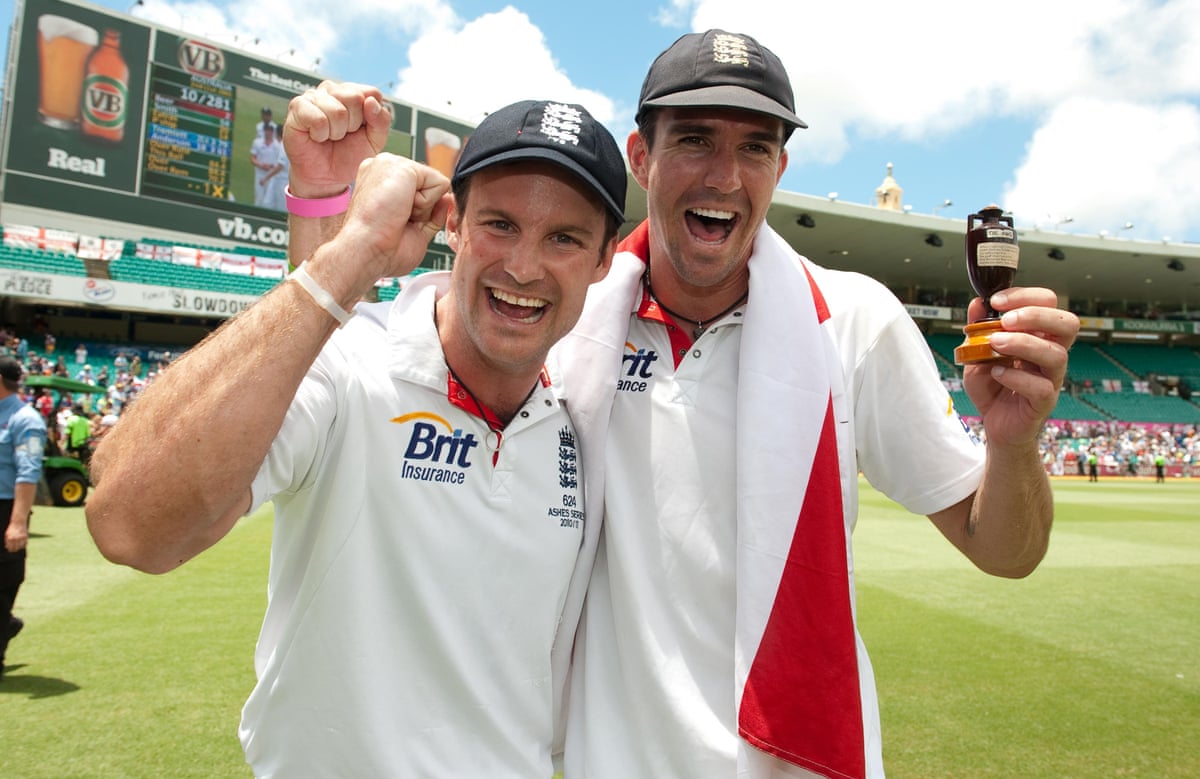
Why was Pietersen cast out?
His central contract was terminated after the 2013-14 Ashes whitewash in Australia, an outcome that Andrew Strauss attributed to a lack of trust. Yet Strauss's preachy farewell speech obscured a deeper truth: Pietersen had been right about the direction of travel in batting, right about the future of franchise cricket, right about how Test cricket should evolve. He was massacred for seeing clearly what others refused to acknowledge. Pietersen was the original Bazball—a philosophy of aggressive, risk-taking cricket that prioritised entertainment and impact. When he played it, nobody else took such risks. When he modelled a vision of the Test game, it was revolutionary. England should have been selling that vision ever since, yet instead allowed it to be rediscovered a decade later under a different name and a different captain.
What is Pietersen's actual role?
The specifics of his remit remain partly opaque, but the appointment sits within a broader support structure. Brendon McCullum's white-ball support staff now includes Marcus Trescothick, Tim Southee, Jeetan Patel and Sarah Taylor, creating a constellation of expertise around the captain. Pietersen's particular strength lies in elite development work. As a player, he gravitated towards younger teammates, understanding talent and the importance of finding one's own path. The prospect of Pietersen working with Aneurin Donald, another late starter with explosive batting ability, is genuinely compelling.

Pietersen also brings a fundamentally different energy from McCullum. Where the captain embodies vibes, coolness and instinct—throwing tennis balls at himself and hitting them wherever they land—Pietersen is a batting technician. He loves practice, relishes angles and grip, obsesses over backswing mechanics and foot positioning. He rewires himself with his personal coach, studies the MCC handbook to understand what needs ripping up. One approach is moreish and elite-feeling; the other is a man hitting tennis balls. Both have merit, but they represent distinct philosophies of how excellence is built.
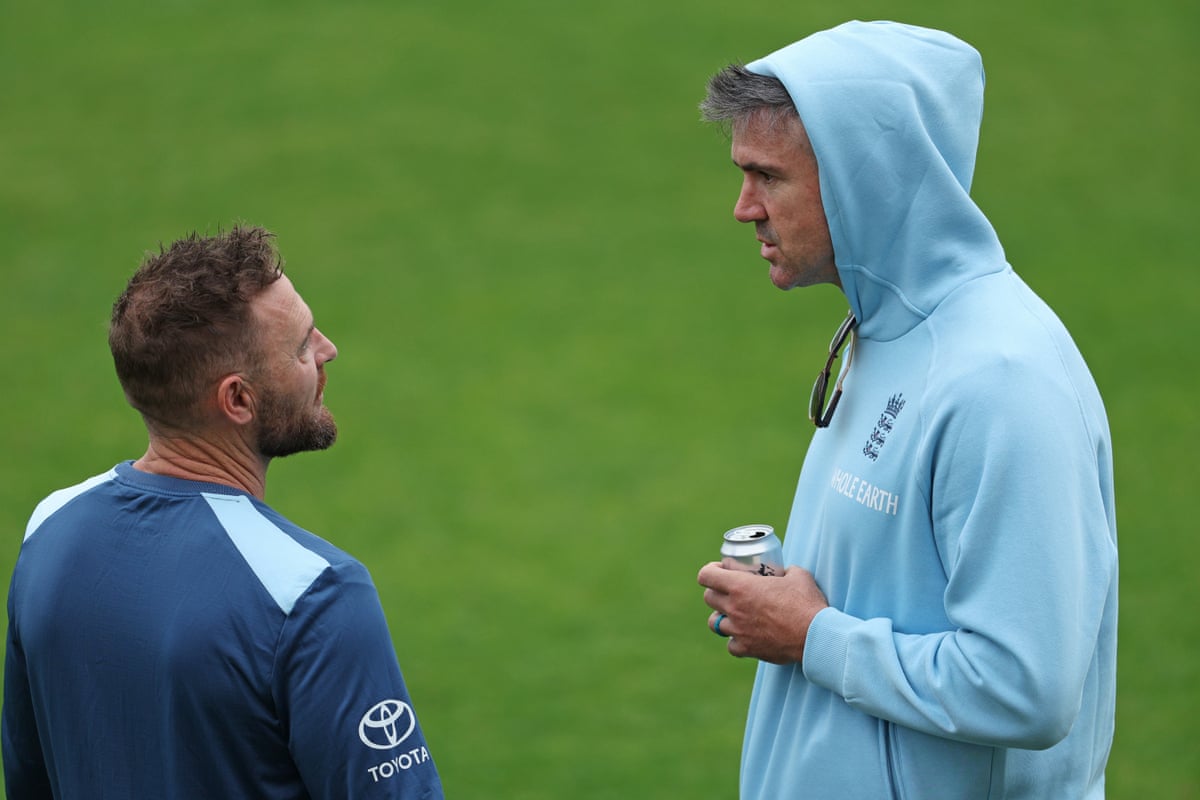
How has the cricket world reacted?
Joe Root publicly backed Pietersen's return, saying England are in a "very different place" from the team Pietersen left after the 2013-14 Ashes dispute. This endorsement from the current Test captain carries weight, suggesting a generational shift in how the player is viewed within the squad. The appointment also carries undeniable theatrical value. England's six white-ball matches over the next 14 days would otherwise be routine fixtures, yet now they carry historical resonance. Southampton recalls the Oval and that wild 153; Cardiff evokes the paddle sweep of doom in 2009, a shot so provocative it dominated back-page outrage for days; Leeds brings memories of a windmilled, adrenaline-fuelled hundred against South Africa.
This is not merely theatre, though theatre matters in sport. Pietersen represents a genuine asset to the England and Wales Cricket Board. The most influential cricketer of his era should not have been left roaming the badlands of YouTube and online content creation. Had cricket remained on free television, Pietersen would have been England's Beckham, its Botham, a cultural figure rather than a performer dancing with Indian children for social media engagement. His return to the official setup, even in a mentoring capacity, is a correction of that trajectory.
What does this say about McCullum?
There is a strong argument that elite coaching appointments should be made purely on coaching merit. Yet McCullum's decision to bring in Pietersen suggests something more interesting: a captain secure enough to introduce a counterbalance to his own philosophy. It is still remarkable that McCullum remains in post given his limited track record in white-ball formats, yet this appointment may represent his most significant contribution—recognising that there are other methods, other ways of building excellence, and perhaps even flagging his own eventual obsolescence. The no-dickheads policy, it turns out, was never the answer. Sometimes you need the dickhead who was right all along.
What happens next
Pietersen's first assignment unfolds across three matches. England face Sri Lanka on 15 September 2026 at the Utilita Bowl in Southampton, followed by fixtures on 17 September at Sophia Gardens in Cardiff and 19 September at Emirates Old Trafford in Manchester. These opening encounters will establish the tone of his mentorship and test whether a player shaped by a different era can meaningfully influence a squad built for the modern game. The appointment runs through the 2027 ODI World Cup cycle, giving Pietersen a defined window to shape England's white-ball thinking as the team builds towards tournaments in South Africa, Zimbabwe and Namibia.