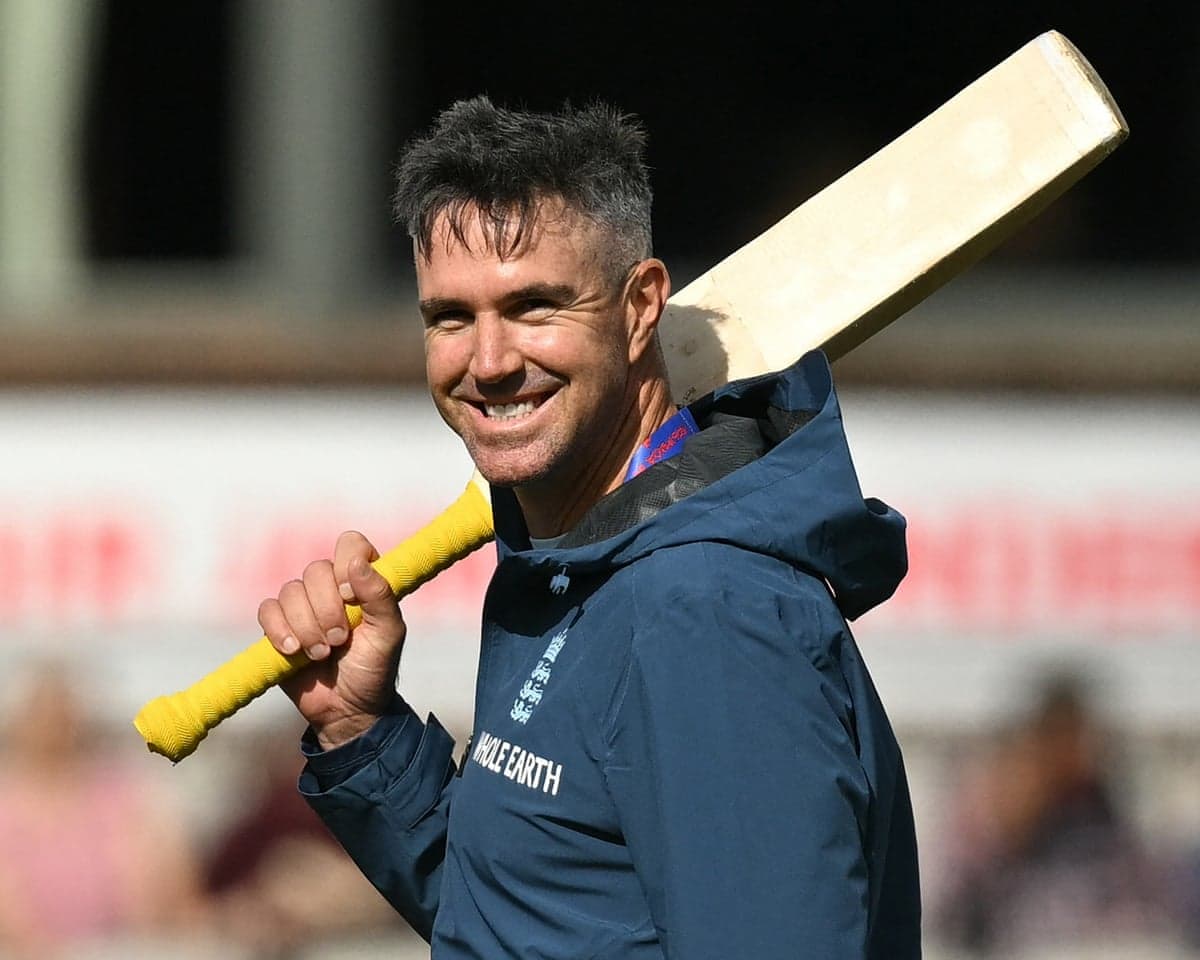
Kevin Pietersen has returned to the England dressing room as a specialist mentor to the white-ball teams, insisting he has undergone a profound personal transformation since his acrimonious departure from international cricket 12 years ago. Speaking at Headingley following a 16-run loss to Sri Lanka that extended the late summer one-day series to a decider at The Oval on Sunday, 28 September 2026, the 46-year-old reflected on his new role and the path that brought him back into the fold.
The appointment, made on 7 September 2026, marks Pietersen's first involvement with the senior England squad since his unceremonious sacking in early 2014. His recruitment as a mentor came at the instigation of Brendon McCullum, the white-ball coach, who contacted him directly to discuss the opportunity. The role will extend through England's white-ball tours to Australia and South Africa, home series against Pakistan and New Zealand, and culminate in the 2027 Cricket World Cup in southern Africa.
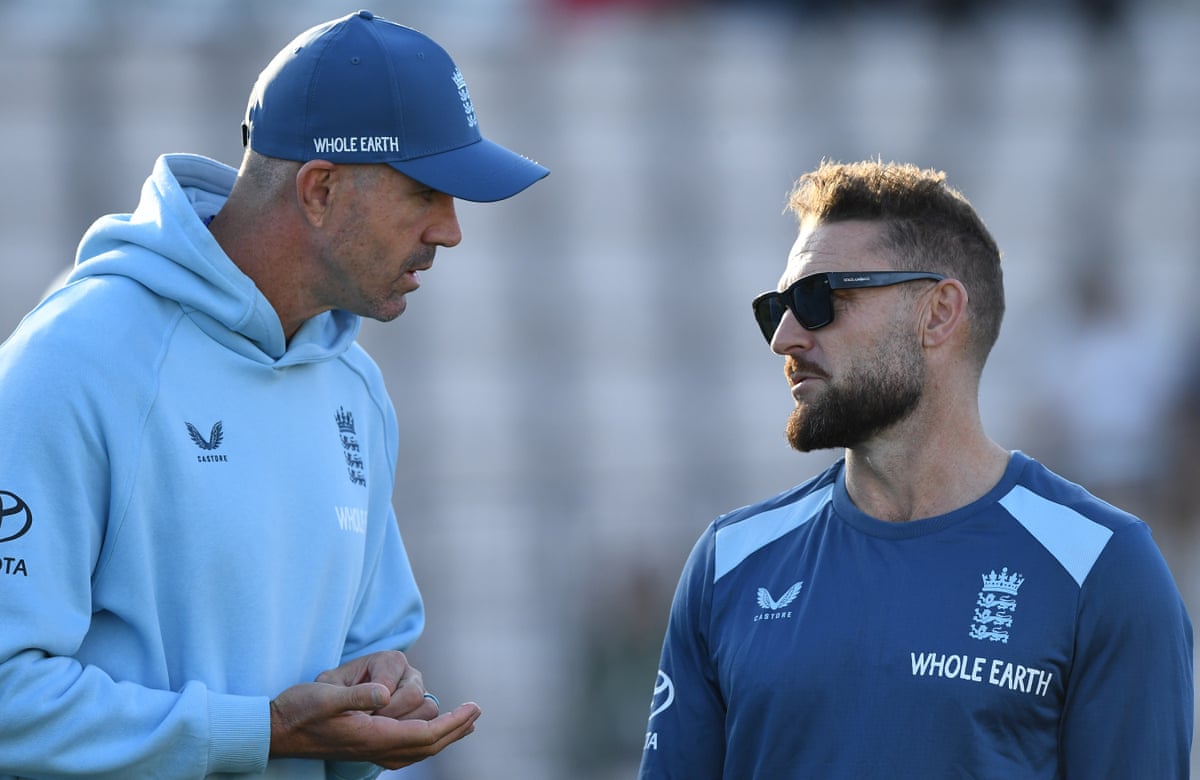
Pietersen recalled the moment McCullum's call came through, describing his initial apprehension given his well-documented criticism of England's approach.
"I thought I was in trouble," he said. "'What have I done now? Have I said something?' But [after] 'How are you doing? 'All good?' 'Yes, I'm fine. What do you want?' [McCullum replied:] 'I want you to join us in the dressing room. We want to work over the next 12 months to be competitive in South Africa next year.'"He explained that conversations with McCullum took place over several weeks before he committed to the position, with discussions also held with incoming Test coach Stephen Fleming and Joe Root.
The appointment drew considerable attention given Pietersen's contentious history with English cricket. His career was marked by discord, from having his kit removed from the Trent Bridge dressing room as a young player to his departure amid claims of a breakdown in relationships with the England management. Yet Pietersen's credentials as a batter remain undisputed. According to reports on his appointment, he finished his England career as the nation's third-highest run-scorer across all formats with 13,779 runs, and his exploits inspired a generation of current players, including several in the squad he now mentors.
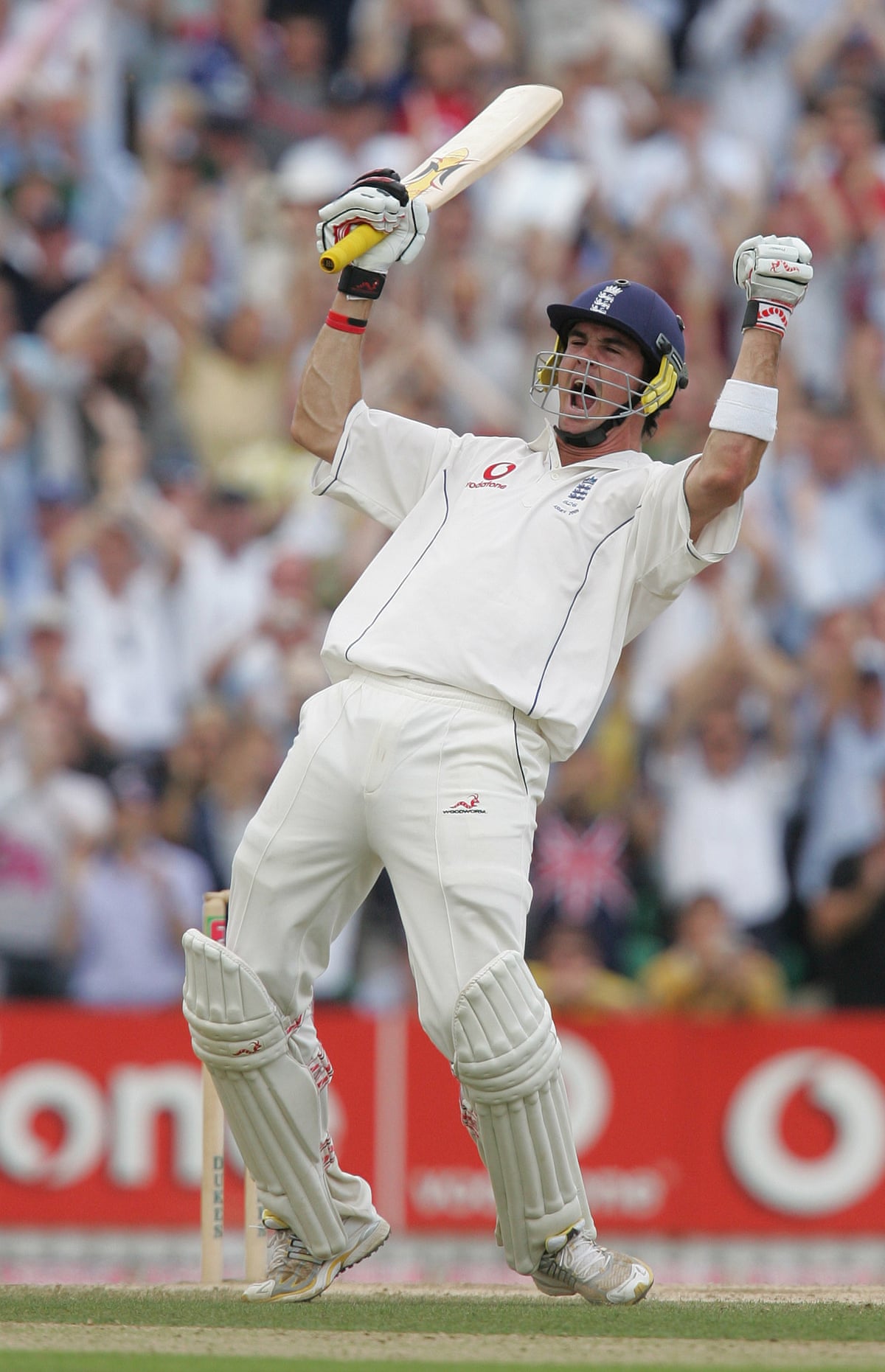
How has Pietersen changed since his playing days?
Pietersen emphasised that his perspective has shifted dramatically over the past decade.
"I'm 46 now. That stuff is so long gone," he said. "I'm a completely different person too. I live in the countryside. I live in South Africa. I love doing what I do. I'm just here to help Brendon, first and foremost, to help the players try and become the best versions of themselves."He acknowledged that his earlier criticism of England's work ethic had been mischaracterised in some quarters, noting that
"perception and reality are two different things."
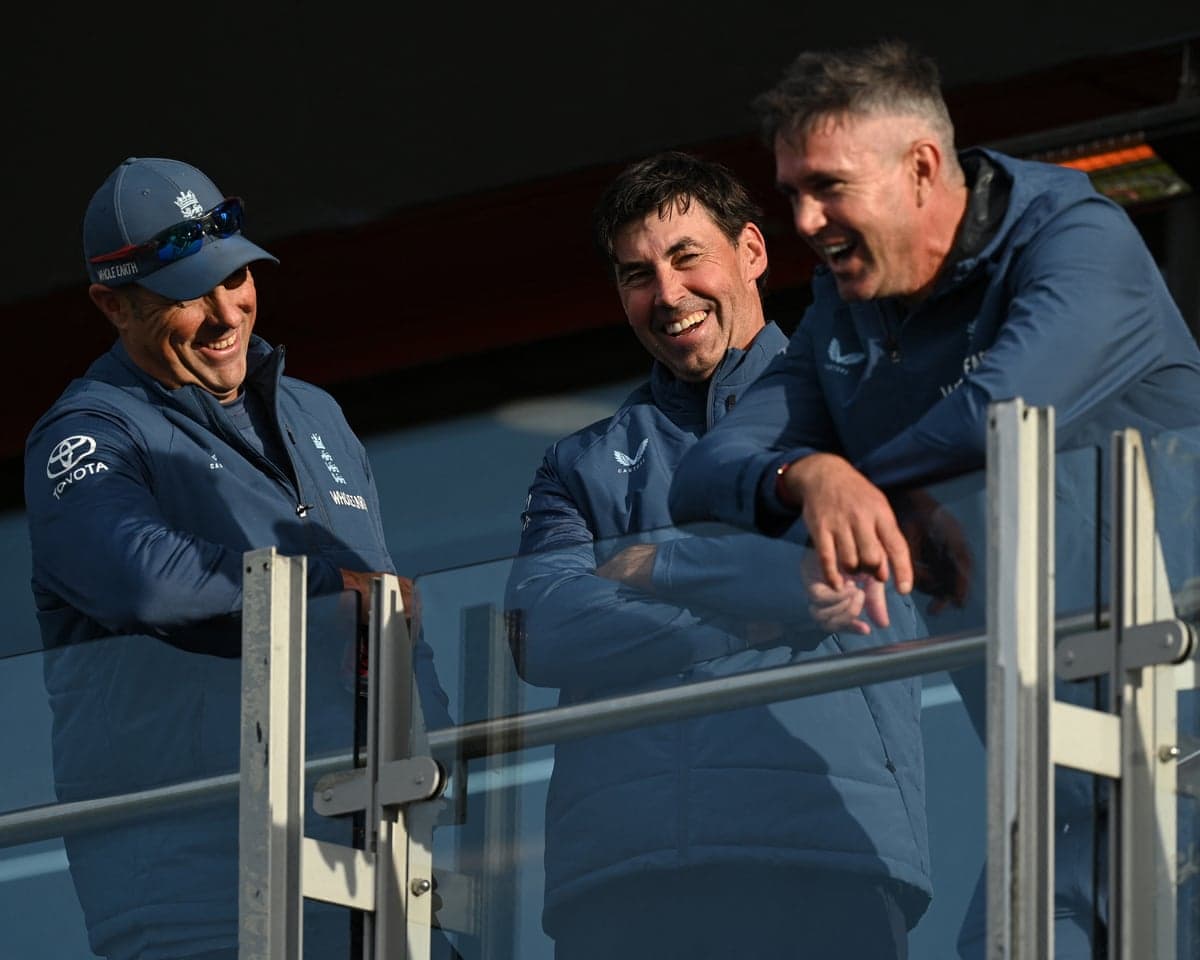
Those who have worked with him in recent weeks report a markedly more relaxed demeanour. Pietersen has shown an ability to laugh at himself when subjected to banter within the dressing room, a shift from his playing days when tensions frequently surfaced. His approach to the mentorship role has been measured, with listening taking precedence over immediate intervention, though he is already developing and delivering training drills that have captured the squad's attention.
What specific guidance is Pietersen offering?
Pietersen drew on his extensive experience across all three formats to outline his contribution.
"I've been lucky to have worn every T-shirt that an England cricketer can wear: the good, the bad, and the unhappy. And so there are parts to all of their careers which I think that I could potentially help them to stay away from the unhappy."He stressed that his focus centres on establishing what he terms non-negotiables for professional conduct and commitment within the dressing room.

According to reports from 22 September, England captain Harry Brook confirmed that Pietersen has been teaching the squad how to face spin bowling, demonstrating that his mentorship is already yielding practical results. McCullum has also been receptive to Pietersen's ideas, with the coach stating on 15 September that he wants Pietersen to "shake things up" and speak up if he identifies areas for improvement.
Pietersen has taken particular interest in Brook's development as a batter. While he smiled at Ben Stokes's recent claim that Brook is the superior player, Pietersen recognised the young captain's exceptional talent and identified areas where his experience could prove valuable.
"I watched him play in, I think, the first season of the Hundred, and he hit a ball from wide of off-stump through mid-wicket, and then the next ball over cover, and I remember on air saying: 'Who is this kid? He is an absolute superstar in the making. A normal player can't do that'. And I've watched his progression over the years."

He outlined his approach to helping Brook refine his technique and decision-making.
"Where I can help him is playing situations. Because there was a lot of method in my madness when I played. Yes, occasionally I got out to reckless shots and stuff. But actually there was a lot of structure to the way that I batted. I've still got notes on my phone on how I played in T20 cricket, one-day cricket, Test cricket."Pietersen emphasised that Brook's natural ability was extraordinary, but that introducing greater structure to his approach could unlock even higher levels of consistency and success.
What does Pietersen's return mean for his relationship with England cricket?
Pietersen's second chapter with England represents a significant symbolic moment for both the player and the organisation. His career was cut short by circumstances he has long viewed as unjust, and his subsequent work as a television commentator and content creator kept him in the public eye while maintaining distance from the establishment.
"For my career to be cut short in the way all the nonsense was, to be in this position now where I don't have to go out and bat, I don't have to worry about the headlines, I can just try and help these guys become better players, to hand over quite a bit of information – that excites me. Like, really excites me. Being back in an England dressing room is amazing. It really is."
The appointment reflects McCullum's willingness to challenge conventional thinking within the England setup. Rather than seeking a mentor who would simply reinforce existing methods, McCullum has deliberately brought in a figure known for questioning orthodoxy and pushing boundaries. This approach carries risk, given Pietersen's history of conflict, but the early signs suggest that maturity and distance from his playing career have made him a more constructive presence.
Pietersen's involvement extends beyond the immediate white-ball squad. Discussions have already taken place with Stephen Fleming, who will take over as Test coach, regarding potential contributions to England's Test preparation. A home Ashes series precedes the World Cup, and Pietersen's insights could prove valuable in that arena as well, though his primary focus remains on the 50-over format and the tournament in South Africa, Zimbabwe and Namibia scheduled for 4 October to 21 November 2027.
What happens next?
England's one-day series against Sri Lanka continues with the decider at The Oval on Sunday, 28 September 2026, with Pietersen expected to remain involved in the dressing room. His mentorship will extend through the 2026–27 white-ball tours to Australia and South Africa, providing continuity as the squad builds toward the World Cup. The role represents a test of whether a figure once seen as a disruptive force can channel his experience and intensity toward constructive ends, and whether the England setup can benefit from the perspective of someone who has lived through both the heights and depths of international cricket.
Fourteen years after declaring that it was difficult being himself in the England dressing room, Pietersen returns to that environment with a different purpose and, by his own account, a different temperament. Whether his second act proves as transformative as his first remains to be seen, but the early indications suggest that both he and the organisation have learned from the past.