Since the final ball of last season’s Hundred, change has been under way across the competition. Stakes in all eight teams were sold to private investors, bringing more than £500m into the domestic game and triggering changes in pay, coaching, player movement and even logos.
Here is what is new in the ECB’s short-format showpiece, which starts on Tuesday.
What has changed for 2026?
At first glance, not much has altered. There are still eight teams, based in the same eight places, and they still play 100-ball innings delivered in sets of five or 10 rather than traditional six-ball overs. Each team plays six of its rivals once, while nearest neighbours are met twice, with the women’s and men’s matches staged back-to-back on each occasion.
Teams receive four points for a win and two each for ties and abandonments. The side that finishes top of the table after the group phase, which starts on Tuesday and ends on 12 August, goes straight through to the final. The teams finishing second and third meet in a play-off to decide who will face them.
Beyond that, almost everything has changed. All of the teams are under new or significantly altered ownership, and three have new names designed to echo the Indian Premier League franchises whose owners they now share. Oval Invincibles, winners of the first two women’s titles and the past three men’s titles, are now MI London. Northern Superchargers have become SunRisers Leeds, and Manchester Originals are now Manchester Super Giants, complete with a widely derided — though very lovely if you happen to like elephants — new logo.
Are the teams going to be better?
They are certainly going to be better paid. Salary pots have risen by 45% for the men, to £2.05m per team, and by 100% for the women, to £880,000.
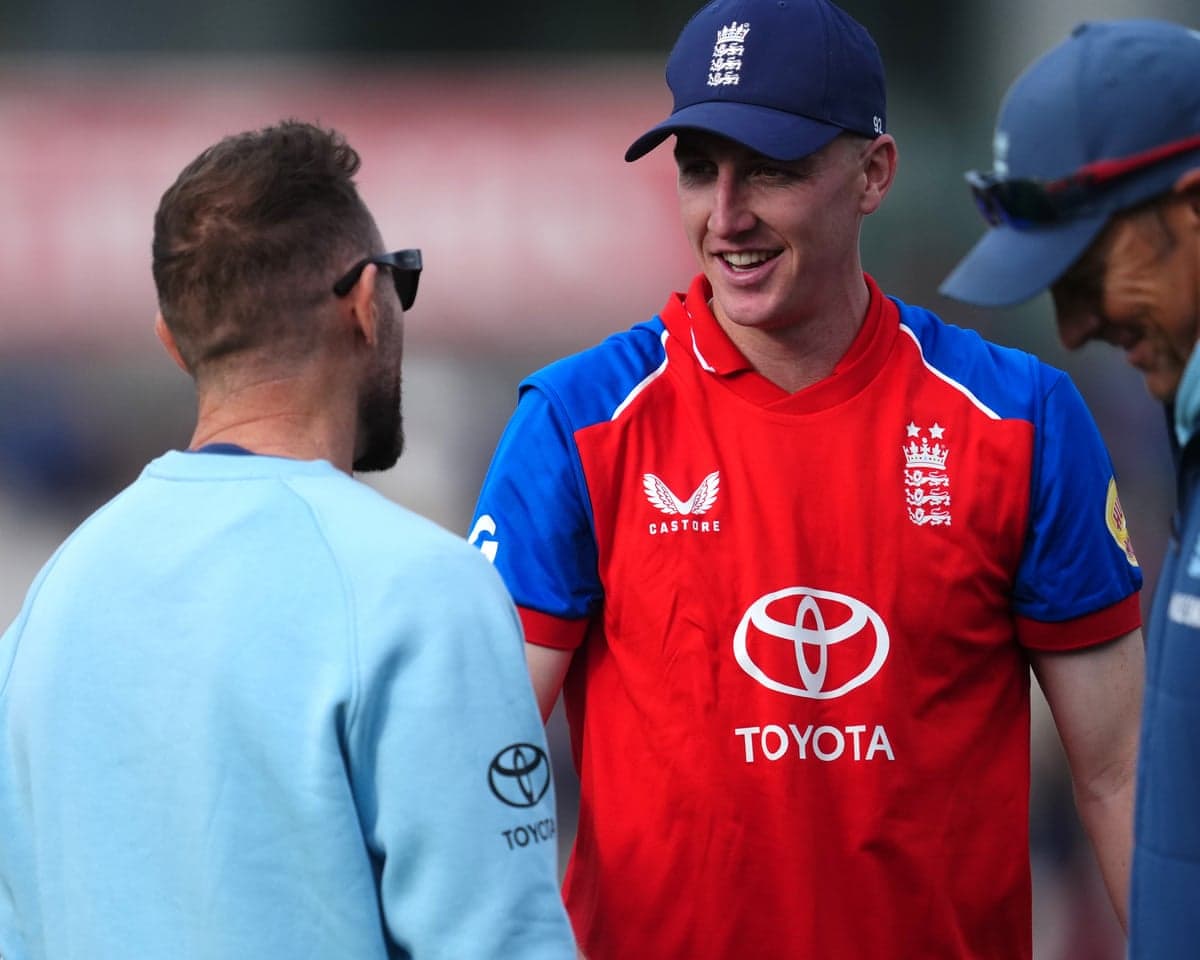
In practice, the best-paid men went from £125,000 in 2024 to £200,000 in 2025, and Harry Brook is said to be earning £465,000 for his work at SunRisers Leeds this year. The minimum salary for men is, as last year, £31,000. Australia’s Beth Mooney and New Zealand’s Sophie Devine received the highest women’s salaries, both on £210,000, while the minimum salary for women has increased from £10,000 to £15,000.
But the squads may be less familiar. With a maximum of four of each team’s 16 players signed through what might be termed traditional methods — the rest were selected at an auction in March — it has been much harder for teams to simply assemble the old group again. Previously, squads had been relatively settled: more than half of the men involved in the 2025 competition played for the same teams in 2024. That figure has now dropped to just a fifth.
London Spirit have experienced the biggest change. Of the 34 men and women they signed this year, only three were at Lord’s in 2025. Their squads include four of the world’s top five men’s T20 bowlers, according to the ICC rankings, and five of the top 10 batters, three of them English. In the women’s competition, they include all of the world’s top five batters and five of the top 10 bowlers, four of them English.

What about the coaches?
The coaching turnover is even greater than the changes among the players, with only two of the 16 head coaches across the men’s and women’s competitions still in the roles they held last year.
A lot of musical chairs has taken place, and seven of last year’s coaches have simply switched sides. With the England Test team currently without a coach, there is likely to be extra attention on those in charge, especially given the presence of Andy Flower, who had been considered favourite for the job before he ruled himself out of the race last week. Flower has moved from Trent Rockets to London Spirit.
Justin Langer, the combative Australian who now leads the betting to replace Brendon McCullum, is also involved after swapping London Spirit for Manchester Super Giants.
Will the players look different?
Yes. The kits — and the companies making them — have changed, and the tournament is about to discover what happens to the Hundred when the pressure is on. That applies not only to the chips, but also to the popcorn, the nuts, the Hula Hoops and the “uniquely fizzy, melt-in-the-mouth” prawn cocktail flavoured curiosity that is Skips.
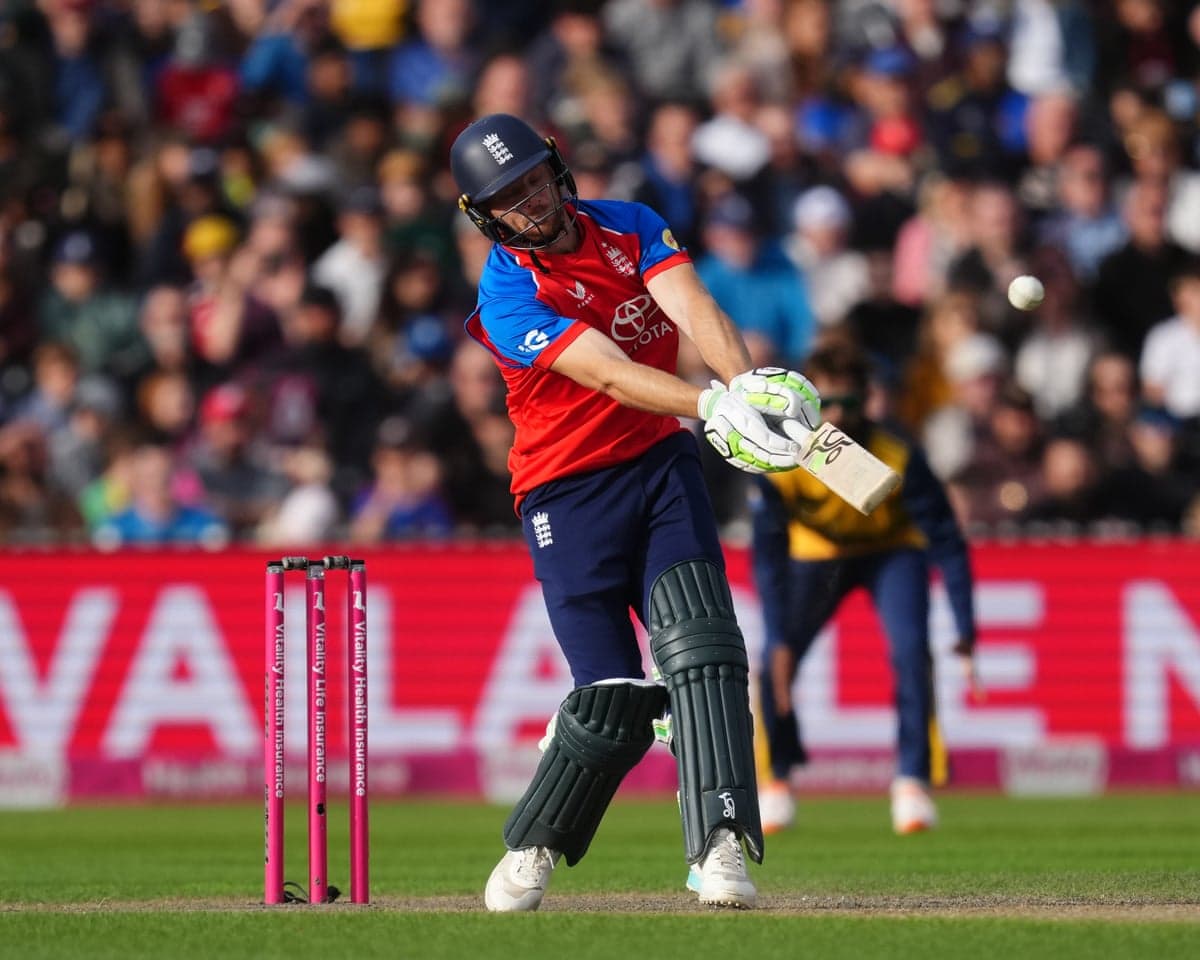
The snack brands that appeared on the front of team shirts through the competition’s first five seasons have been affected by shrinkflation, with their logos reduced in size and moved to the sleeves. They have been replaced by the less playful likes of Sokin, described as a “global business payments and finance platform”, health and life insurer Vitality, and Barclays.
The message is clear: the grownups have arrived. Some teams have kept their old colours, so Trent Rockets may now be sponsored by Vitality but still look rather Skippy.
One team has not made replica kits available to buy. Instead, Manchester Super Giants plan to give free replica shirts to every fan who comes to watch them.
Is all of this change now settled?
Probably not. When the England and Wales Cricket Board reluctantly granted teams still looking for front-of-shirt sponsors special permission to partner with betting companies for this year only, after previously deciding gambling did not fit the tournament’s family-friendly image, it referred to “the transitional nature of 2026” to justify the decision.
There could be another two years of smaller changes before the current broadcast deals with Sky and the BBC expire after the 2028 season, when more significant transformation is possible. That could include the addition of more teams — described last year by the ECB’s director of business operations, Vikram Banerjee, as “almost a no-brainer” — and the possible dropping of the controversial 100-ball format altogether in favour of the more familiar T20.
Key Facts
- Stakes in all eight Hundred teams were sold to private investors, bringing in more than £500m.
- The 2026 group stage starts on Tuesday and ends on 12 August.
- Oval Invincibles are now MI London, Northern Superchargers are SunRisers Leeds and Manchester Originals are Manchester Super Giants.
- Men’s salary pots have risen 45% to £2.05m per team; women’s have doubled to £880,000.
- Broadcast deals with Sky and the BBC run until after the 2028 season.