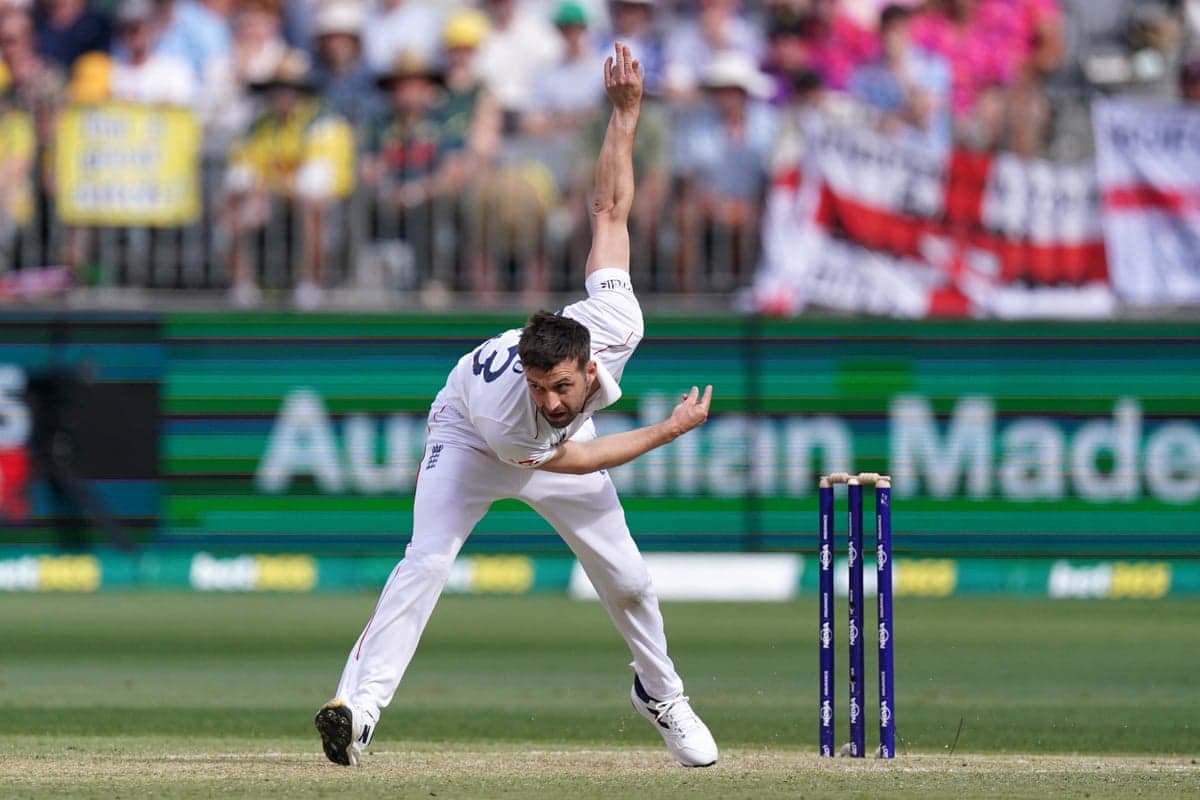
England's pace attack has lost one of its most electrifying talents. On 22 September 2026, Mark Wood announced his retirement from international cricket after an 11-year spell marked by extraordinary speed, crucial victories and a decade-long battle against recurring physical breakdown. According to , Wood finished with 253 wickets across all formats, having played 38 Tests, 70 one-day internationals and 38 Twenty20 internationals. The decision took immediate effect, ending a central England contract that ESPN reported had expired at the end of September 2026.
Understanding Wood's legacy demands more than statistics. The proper way to honour his career is to revisit the footage: kettle on, load the spells from Headingley, St Lucia and beyond, and witness the whippy, absurd, mesmerising sight of perhaps the fastest English bowler ever to pull on a Three Lions shirt. That visual record captures what the numbers alone cannot convey.
Wood said he had "lost the battle" with injuries and that Test and 50-over cricket were no longer medically possible, according to NDTV Sports. His final Test appearance came in the opening match of the 4-1 Ashes defeat in November 2025, a contest he rushed back for following left knee surgery earlier that year. That Perth farewell always felt like the closing chapter of a remarkable but punishing story. England's seam bowling stocks remain robust across formats, with Jofra Archer available to deliver pace when required, yet it remains a source of frustration that Archer and Wood shared just two Test appearances together: one in the 2020 Covid-bubble summer without supporters, the other Wood's valedictory performance.
How did Wood's career unfold?
Wood made his England debut in 2015 but did not find his rhythm until late 2018, when he lengthened his run-up and was encouraged by then-coach Trevor Bayliss to display more aggression. The transformation was immediate. In February 2019, at the age of 29, he clocked 95mph while taking his first Test five-wicket haul against West Indies in St Lucia. From that 13th Test onward, he averaged 27 wickets per series while hurling the ball at speeds that seemed to defy the limits of human physiology. His Test record showed 119 wickets at 30.8, while his one-day international figures read 80 wickets at 40.8—statistics that require careful interpretation. In 50-over cricket, he sparkled when tournaments mattered most, claiming 18 wickets across World Cup campaigns and establishing a clear before-and-after divide in his red-ball performances.
The summer of 2023 at Headingley exemplified Wood's capacity to return from the wilderness fully restored. England trailed 2-0 in the Ashes when he arrived in Leeds having not played since an Indian Premier League appearance three months earlier and having not bowled in a home Test for two years. In a four-over spell, he maintained speeds above 90mph on every delivery, culminating in the dismissal of Usman Khawaja's leg stump. Wood contributed with the bat as well, played the subsequent two Tests and helped England level the series. He had also taken the Ashes-winning wicket in 2015 and thrived during the 2021-22 tour of Australia, capturing 17 wickets during that chaotic Covid-era campaign while the rest of the team struggled around him.

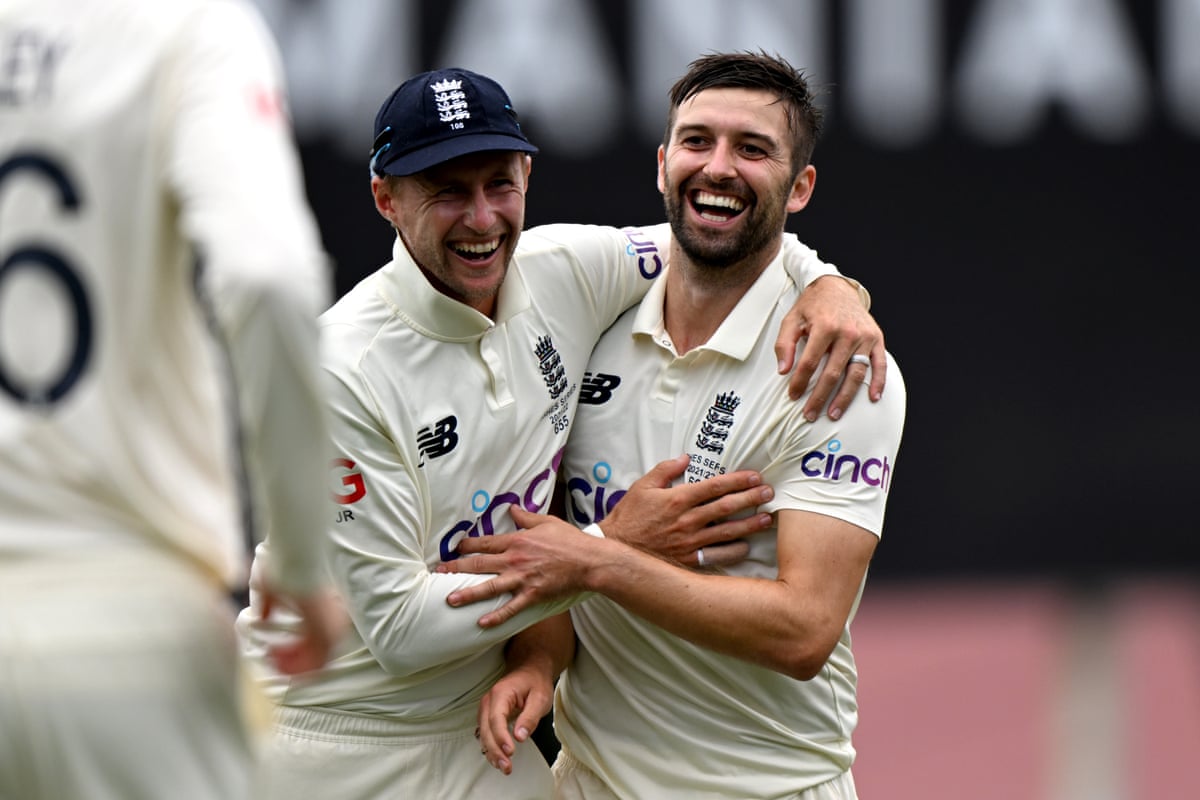
His World Cup credentials were equally impressive. Wood proved instrumental when England won the 50-over World Cup four years ago, taking nine wickets across four group-stage matches. Any emerging fast bowler would covet such an honours list. Yet the medals tell only part of the story, and they obscure the suffering that underpinned every achievement.
What physical toll did Wood endure?
The price of sustained excellence at extreme pace has been catastrophic. Wood disclosed on a cricket podcast last year that he had undergone numerous shoulder injections, a stress fracture in his back, four separate tears to his side, two knee operations, two elbow operations and three ankle procedures. He estimated receiving between 60 and 80 injections to his ankle alone, describing himself as resembling a mummy due to the volume of tape required to keep his body functional. The mental dimension of this punishment cannot be overstated: the moment of injury, the hospital visits, the grinding rehabilitation, the return to action, then the cycle repeating itself again and again.
The human cost extended beyond physical pain. Wood missed the knockout stages of the T20 World Cup he won because of a hip injury. Following the highs of Lord's in 2019, he sat out the Ashes that summer with knee and side complications. These absences meant that despite his extraordinary talent and commitment, significant chapters of his career were written in absence rather than presence.
What made Wood special as a cricketer?
For spectators, the appeal was straightforward and thrilling. Watching Wood during his opening spell provided genuine excitement, even when the ball evaded the outside edge and the brief suspense of waiting for the speed gun reading created drama. He terrified batsmen at the crease yet was clearly cherished by his teammates and supporters, bowling with both technical skill and emotional investment. A successful media career is already underway, and he departs with substantial silverware. Yet medals remain poor reflections of what Wood accomplished: he thundered through the crease with a ferocity and commitment that few others have matched.
What comes next for Wood?
Wood will continue playing county cricket for Durham in the T20 Blast and intends to feature in franchise leagues, according to ESPN. His media commitments will expand as well. The retirement is immediate, meaning no further England fixtures are anticipated from the 36-year-old. His central contract, which had not been extended, formally expired at the end of September 2026.
Perhaps words and statistics are ultimately inadequate vessels for capturing what Wood gave to English cricket. The truest memorial lies in returning to the footage: the blur of his run-up, the explosive release, the ball arriving at speeds that seemed to bend the laws of physics, and the knowledge that every delivery came at a cost his body could barely sustain. That is how Mark Wood should be remembered.